You dig a hole. You fill it with water. Three months later, half the water is gone. That is what happens with unlined ponds. Clay cracks. Sand drains. Soil alone never holds water long term. The Geomembrane HDPEPond Liner solves this problem. It is a black plastic sheet made from high-density polyethylene. Carbon black inside the material stops UV damage. At 1.0mm thick, it stops water loss completely without costing a fortune. Thicker options exist for rougher ground. This guide covers what the Geomembrane HDPE Pond Liner actually does and how to pick the right one.
What This Product Is
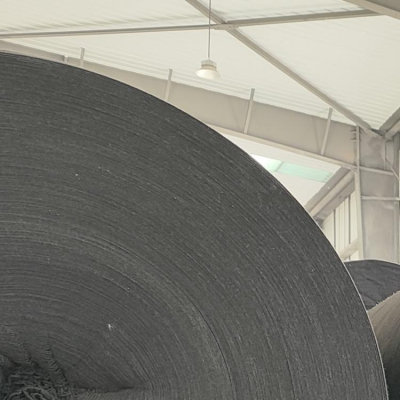
The Geomembrane HDPE Pond Liner starts with virgin resin. Carbon black gets added at two to three percent. That carbon black does one job. It blocks sunlight from breaking down the polymer. Without it, the liner falls apart in months. With it, you get decades.
The HDPE Pond Liner comes in several thicknesses. 0.5mm is light duty. 1.0mm is the standard for most farm ponds. 1.5mm and 2.0mm handle rocky subgrades or heavy equipment.
As an HDPE Geomembrane, this product creates a permanent water barrier. The same HDPE Geomembrane technology used in landfills and mining is applied here at pond scale. The material rolls out flat. Both sides are smooth.
What It Does Well
UV protection stays forever. Carbon black mixes into the resin before the liner forms. It is not paint. Scratch the surface during installation and the carbon is still there. The Geomembrane HDPE Pond Liner keeps blocking UV rays for its whole life.
Water does not move through. Permeability sits below 1.0×10⁻¹³ cm/s. Fill the pond. The water level stays put. No seepage. No weekly topping off.
Handles farm chemicals. The HDPE Pond Liner stands up to fertilizers, pesticides, and animal waste. No swelling. No cracking. No softening.
Stretches before tearing. Elongation at break exceeds 700 percent. The liner stretches more than seven times its original length before failing. Ground settles? No problem. The liner moves with it.
Puncture resistance by thickness. 1.0mm gives 320 Newtons. 1.5mm gives 480 Newtons. 2.0mm gives 640 Newtons. Pick based on how rocky your ground is.
Why People Choose This Liner
Cost works for real budgets. The Geomembrane HDPE Pond Liner costs less than concrete. Less than steel tanks. Less than reinforced options. For a half-acre pond, material cost stays under five thousand dollars. The liner pays for itself in water savings.
Easy to weld. Smooth surface means no trapped air under the weld. Crews heat both edges with a hot wedge and press them together. Seam strength matches the parent material. No glue. No solvents.
Light to ship. A roll of HDPE Pond Liner weighs a fraction of what concrete or steel would weigh. Freight costs stay low. On site, two people can handle a roll without heavy machinery.
Fits uneven ground. Rigid liners crack when the ground moves. The HDPE Geomembrane flexes. Bumps and dips get covered. Fewer cuts. Less waste. Faster install.
Lasts for decades. Properly made and installed, the HDPE Geomembrane lasts over 25 years exposed. Covered liners last even longer. Installations from the 1990s still hold water.
Farm ponds. Growers lose water to seepage through unlined basins. The Geomembrane HDPE Pond Liner stops that loss. Crops get reliable irrigation. Pumping costs drop.
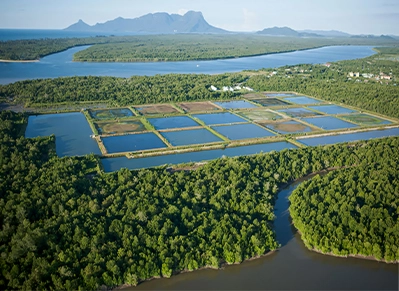
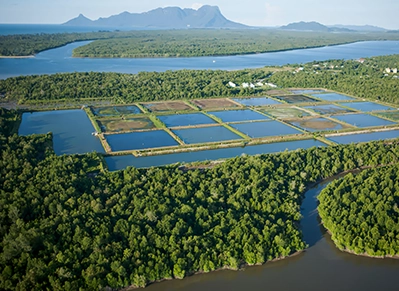
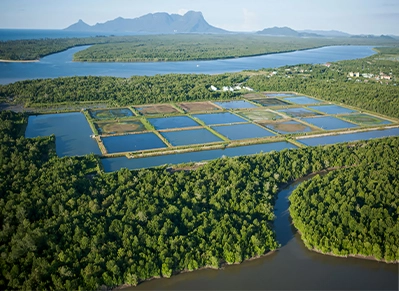
Fish farms. Tilapia and shrimp producers use HDPE Pond Liner for production ponds. Smooth surface makes harvesting easy. Material does not change water chemistry.
Decorative lakes. Housing developments and golf courses use the HDPE Geomembrane for water features. Black color looks natural. Liner prevents slow water loss.
Fire ponds. Rural properties store emergency water in lined ponds. The HDPE Geomembrane holds water reliably even when unused for years.
Livestock ponds. Cattle operations use Geomembrane HDPE Pond Liner to replace seasonal streams. One install lasts decades.
Stormwater basins. Subdivisions use lined ponds for detention. Liner prevents seepage into underlying soil.
Packaging and Shipping
The Geomembrane HDPE Pond Liner winds onto heavy cardboard cores. Inner diameter at least 200mm. This stops core collapse during lifting.
Each roll wraps in opaque white polyethylene film with UV inhibitors. Corner protectors go on both ends. The roll straps to a hardwood pallet.
For ocean freight, rolls load into 20ft or 40ft containers. Palletized rolls brace with dunnage bags. Oversized rolls use flat-rack containers.
Shipping docs include invoice, packing list, and certificate of analysis. Third-party inspection available on request.
About the Company
The factory runs multiple extrusion lines. Daily output exceeds 20,000 square meters of HDPE Geomembrane. Beta gauges check thickness continuously. Carbon black dispersion gets verified under microscopes.
Lab staff test every production lot. ISO 9001 covers quality. Finished product meets GRI-GM13 and ASTM standards.
The technical team has supported Geomembrane HDPE Pond Liner installations across Asia, Africa, and the Americas. Support includes welding guidance and on-site troubleshooting.
A: For most farm ponds with clean subgrade, 1.0mm works. The Geomembrane HDPE Pond Liner at 1.0mm gives 320 Newtons of puncture resistance. Rocky ground needs 1.5mm or a geotextile cushion.
Q: How long does it last?
A: Properly installed, the HDPE Pond Liner lasts over 25 years exposed. Covered liners last longer. Installations from the 1990s still hold water.
Q: Is it safe for fish?
A: Yes. The HDPE Geomembrane is inert and non-toxic. No chemicals leach into the water. Fish health is not affected.
Q: Can I install it myself?
A: Small ponds under a quarter acre can be DIY. Larger ponds need professional installation. The HDPE Geomembrane requires proper subgrade prep and welding.
Q: How are seams made?
A: Hot wedge welding. The welder heats both edges and presses them together. Smooth surface means no trapped air. Seam strength matches parent material.
Q: What subgrade prep is needed?
A: Ground must be smooth, compacted, and free of sharp objects. Remove stones larger than 6mm. For rocky ground, put down a geotextile cushion.
Q: Will it float?
A: HDPE density is 0.94-0.96 g/cm³, slightly less than water. The liner floats if not ballasted. Anchor edges in a trench and backfill with soil.
Q: What is minimum order?
A: Standard orders start at one 20ft container. That is 8,000-12,000 square meters depending on thickness. Smaller quantities may be available.
Q: Can I get samples?
A: Yes. Sample swatches of Geomembrane HDPE Pond Liner are available on request.
Q: What is lead time?
A: Standard orders ship within 15-30 days. Rush orders may be possible. Custom roll widths may add a few days.
Final Thoughts
The Geomembrane HDPE Pond Liner stops water loss. Plain and simple. Pick 1.0mm for most farm ponds. Pick 1.5mm for rocky ground. The HDPE Pond Liner includes permanent UV protection, chemical resistance, and near-zero permeability. The smooth surface welds clean. The HDPE Geomembrane has been proven for decades.
Pond owners and contractors seeking factory-direct pricing should contact the sales team with project dimensions. A quote, samples, and installation guidance will follow.