Bentonite Geosynthetic Clay Liner for Landfill

1. Extremely low permeability (≤10⁻⁹ cm/s): Bentonite expands upon contact with water, forming a dense colloid that is without a doubt impermeable, supplying gold standard seepage manage overall performance in contrast to compacted clay (10⁻⁷-10⁻⁸ cm/s). Suitable for landfill liners with stringent environmental requirements.

2. Lightweight & skinny format (5mm-10mm thickness): Bentonite liners are 5mm/10mm thick, appreciably thinner than standard compacted clay layers (≥600mm), saving landfill space. The lightweight format approves for environment friendly transportation and installation, decreasing building costs.

3. Freeze-thaw & wet-dry cycle resistance: Highly adaptable to environmental conditions, keeping impermeability even below repeated wet-dry cycles, whereas compacted clay is susceptible to cracking.
Product Details

Introduction

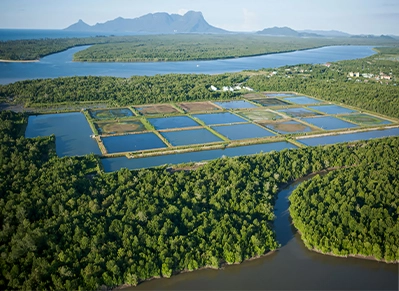
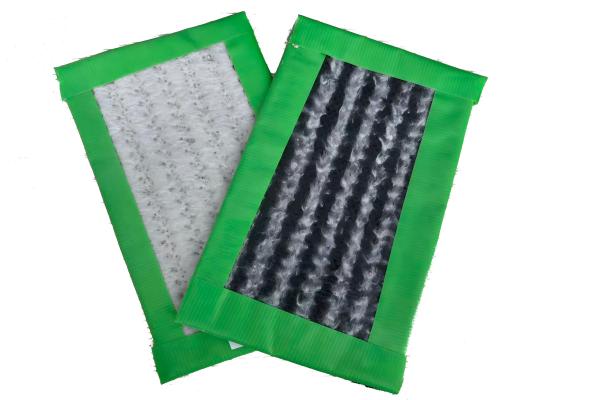
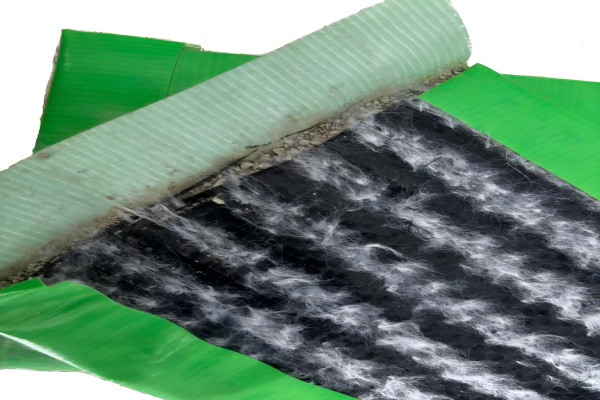
Bentonite Geosynthetic Clay Liners (GCLs) are most environment friendly composite factors incredibly used in landfill containment constructions to give up leachate contamination. These liners mix bentonite clay—a as a substitute expansive and low-permeability herbal material—with geosynthetic layers (such as geotextiles or geomembranes) to create a strong barrier.


Bentonite Geosynthetic Clay Liner for LandfillBentonite Geosynthetic Clay Liner for Landfill


Composition & Types

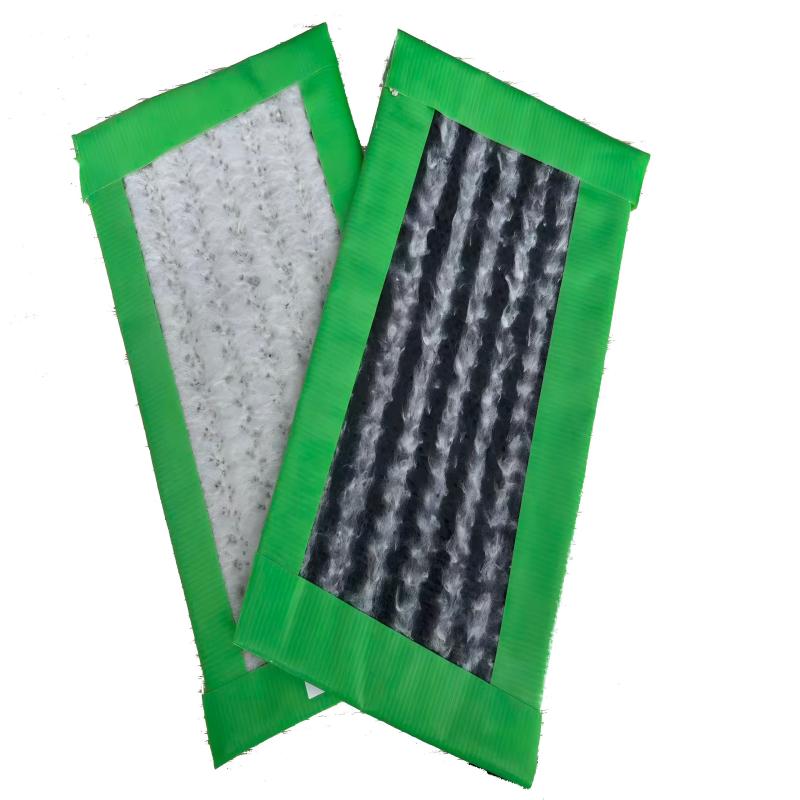
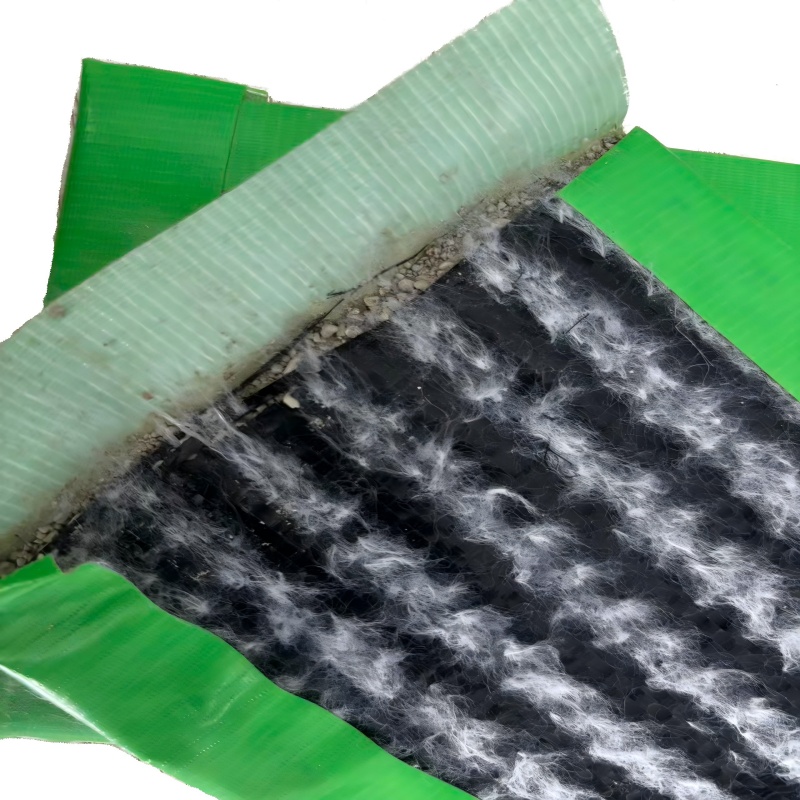
  • Bentonite Geocomposite: Typically consists of a layer of sodium bentonite sandwiched between two geotextiles (needle-punched or adhesive-bonded).

  • Reinforced Bentonite Liner: Some GCLs include reinforcement layers (e.g., geogrids) for higher strength.

  • Bentonite Liner Thickness: Common editions embody 5mm and 10mm thicknesses, balancing flexibility and impermeability.


Key Advantages in Landfill

  • Low Permeability Bentonite GCL: When hydrated, bentonite swells, lowering permeability to ≤10⁻⁹ cm/s, making it fantastic for landfill liners.

  • Self-Sealing Properties: Unlike inflexible HDPE liners, bentonite can self-repair minor punctures.

  • Ease of Installation: GCL bentonite liners are lighter and quicker to set up than compacted clay liners.


Bentonite Geosynthetic Clay Liner for Landfill


Comparison with Other Liner Systems

Material

Pros

Cons

GCL Geosynthetic Clay Liners

Self-healing, thin (5-10mm), cost-effective

Chemical sensitivity in extreme leachate

HDPE Geomembranes

High chemical resistance

Vulnerable to tears, requires welding

Compacted Clay

Low cost, natural material

Thich (≥0.6m), higher permeability


Best Practices for Landfill Use

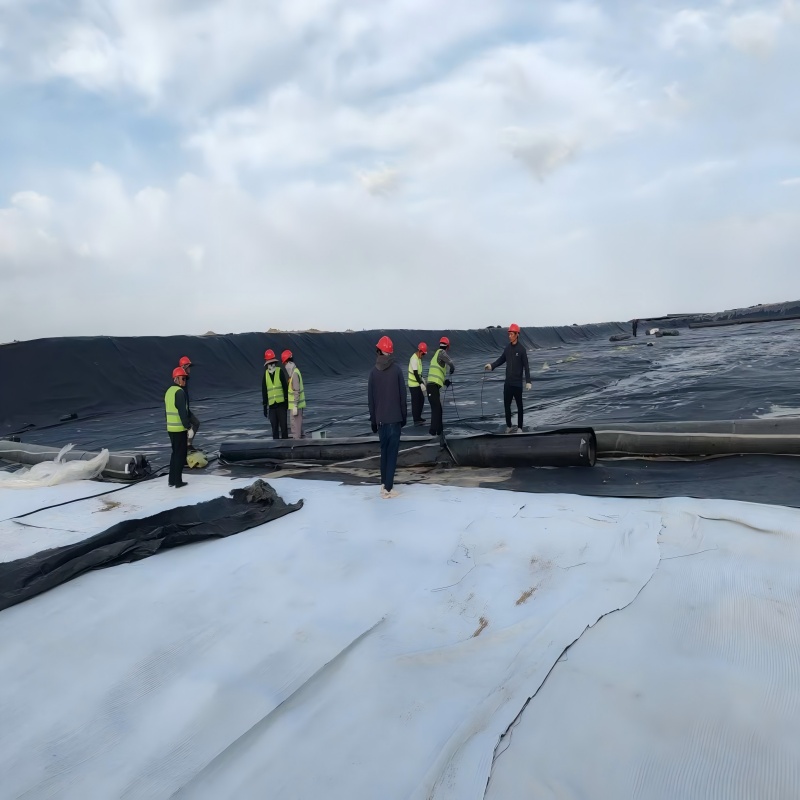
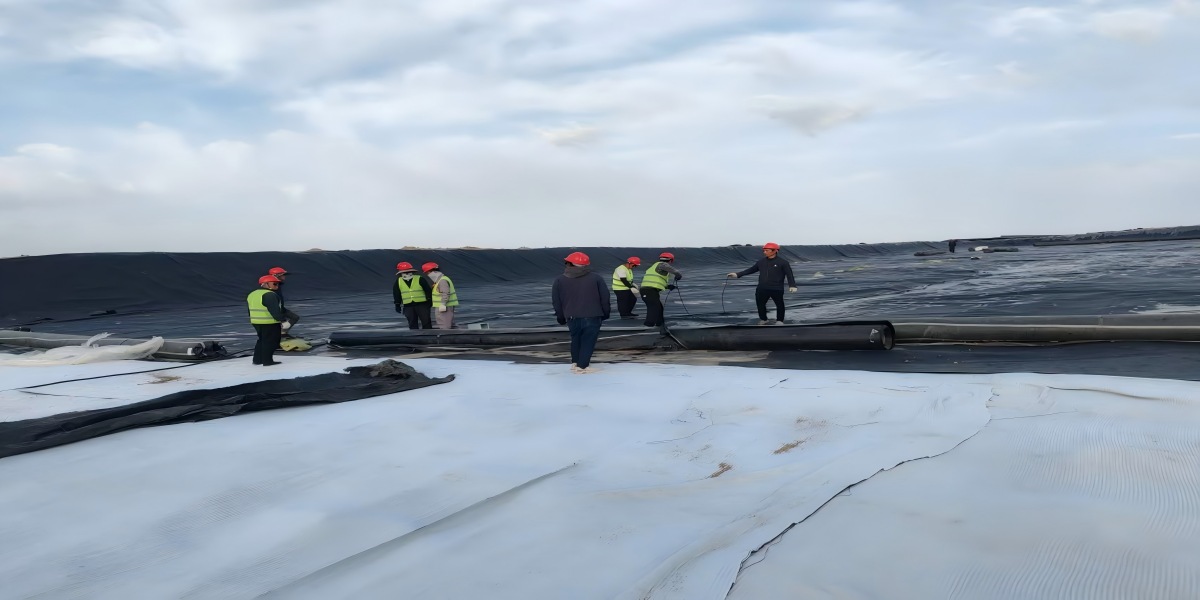
  • Ensure quality overlap and seam sealing when setting in geo clay liners.

  • Protect bentonite liners for landfills with a cowl layer (e.g., geotextile or soil) to forestall desiccation.

  • Verify chemical compatibility if leachate consists of excessive salts or acids.


Precautions

  • Chemical Compatibility: Highly saline or acidic leachate may also minimize the impermeability of bentonite.

  • Mechanical Protection: A shielding layer (such as a geotextile) is required to stop puncture and cracking.

  • Construction Specifications: Avoid neighborhood dehydration or displacement of the bentonite layer for the duration of laying.


Company’s Strength

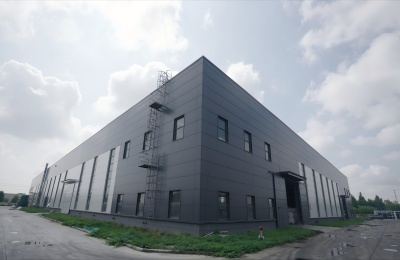
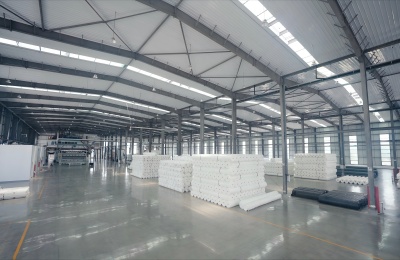
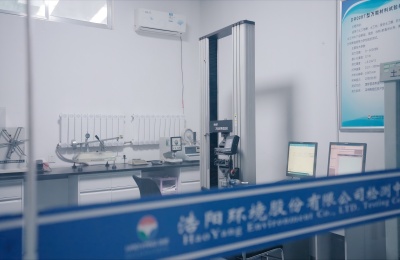
As a leading manufacturer of bentonite geosynthetic clay liners (GCL), Haoyang Environmental Technology ( Shandong ) Co., Ltd. provides engineered GCL bentonite systems that deliver superior hydraulic performance for modern landfill applications. Our reinforced bentonite liner combines high-quality sodium bentonite (5kg/m²) with durable geotextiles, creating a low permeability bentonite GCL with self-sealing capabilities (hydraulic conductivity ≤5×10⁻¹¹ m/s).


Bentonite Geosynthetic Clay Liner for LandfillBentonite Geosynthetic Clay Liner for LandfillBentonite Geosynthetic Clay Liner for Landfill


Leave your messages

Related Products

x

Popular products

x
x