Introduction
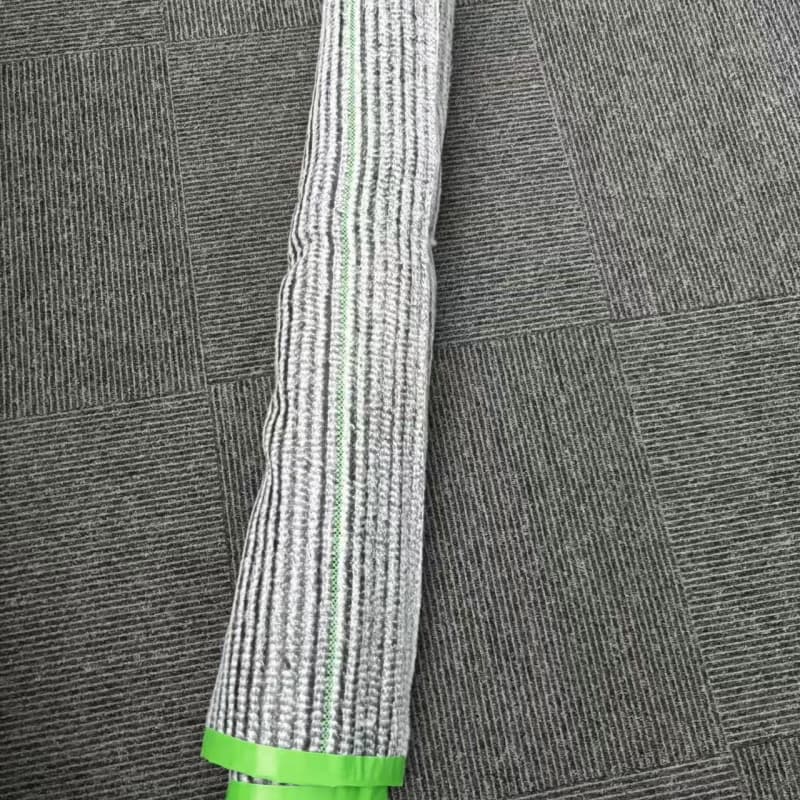
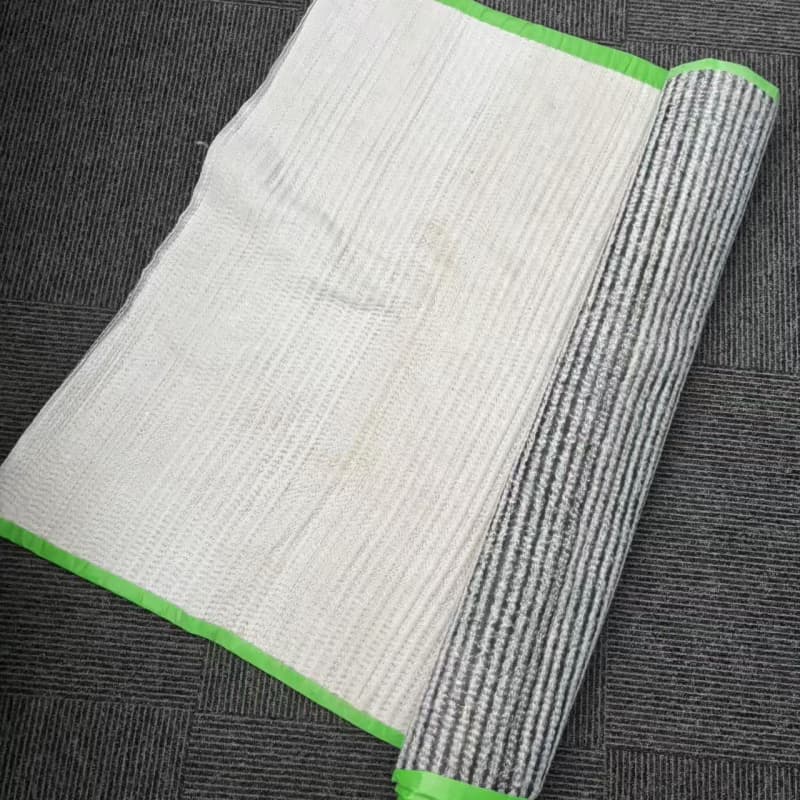
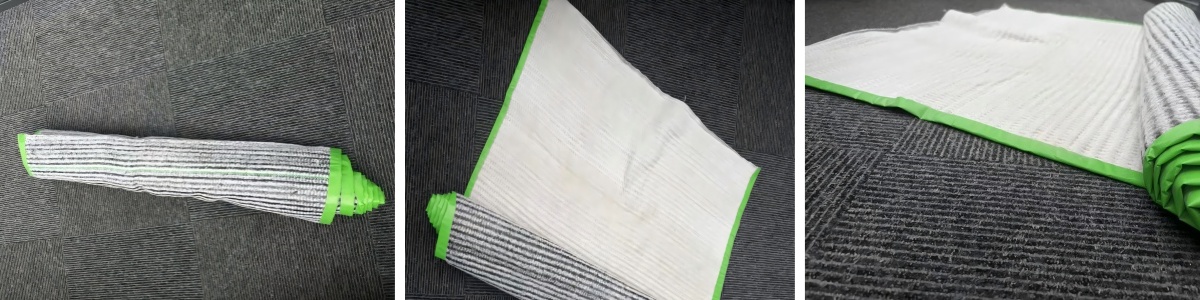
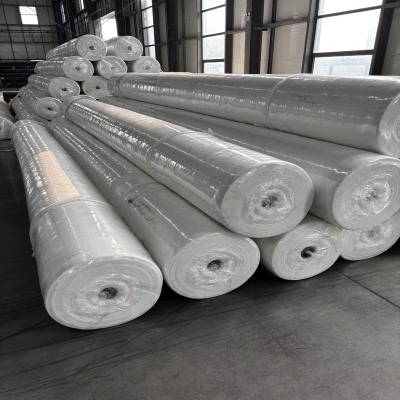
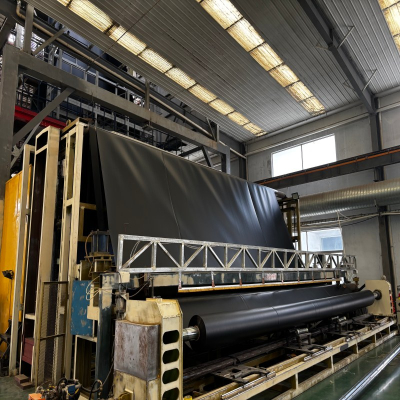
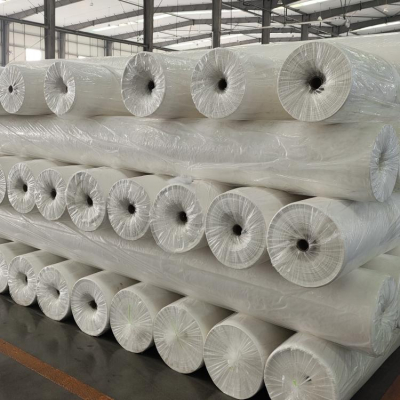
GCL Bentonite Geosynthetic Clay Liner (GCL for short) is a prefabricated artificial anti-seepage barrier material, mainly used to prevent the migration of liquids (water, leachate, etc.) and gases. It combines the advantages of geosynthetics (geotextiles) and natural clay (bentonite).

Funcation
1. Seepage prevention: Providing excellent fluid barrier performance is the most important function of GCL.
2. Sealing: Filling the unevenness of the lower foundation to form a close contact.
Self-healing: When a small area is punctured or damaged (such as being punctured by a sharp stone), the surrounding bentonite swells with water and can migrate and fill the damaged area, restoring its barrier performance to a certain extent (but large-scale damage needs to be repaired).
Application
1. Landfill: Bottom lining system, cover closure system (as a substitute or supplement to compacted clay layer).
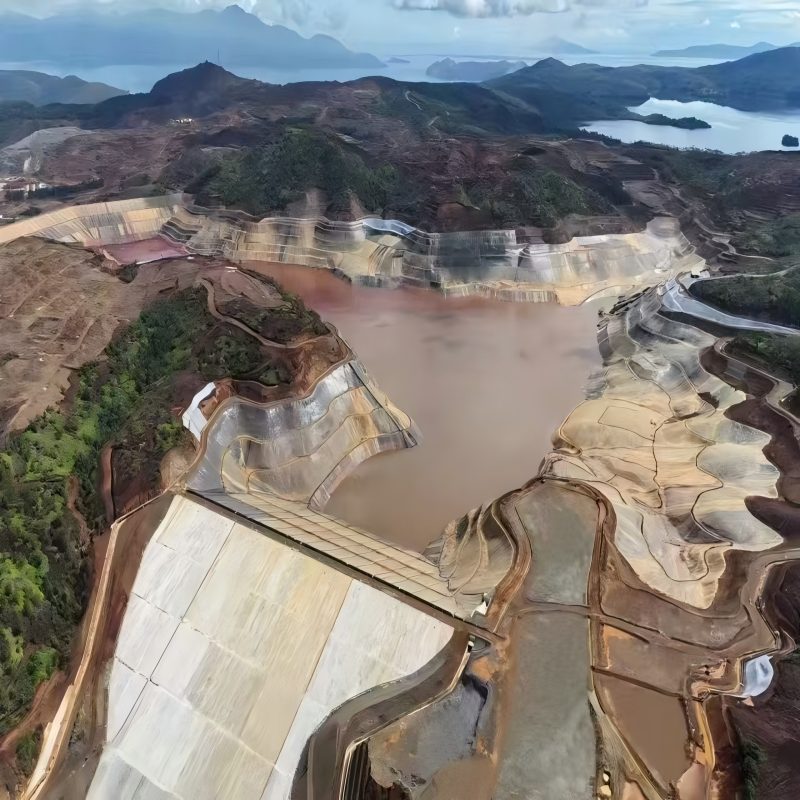
2. Mining Engineering: heap leaching pad, tailings pond pad and cover layer.
3. Water Conservancy Project: artificial lake, landscape water body, irrigation channel, reservoir anti-seepage.
4. Polluted Site Remediation: cover polluted soil or water body to prevent the spread of pollutants.
5. Underground Engineering: waterproofing of tunnels, basements, etc.
6. Secondary Anti-seepage Layer: as an auxiliary anti-seepage layer and protective layer under the geomembrane (HDPE).
7. Road Subgrade: used to prevent capillary water from rising or to isolate pollution sources.
Work Principle
1. When the GCL encounters water or water vapor, the bentonite in the interlayer absorbs water and expands.
2. The expanded bentonite particles squeeze each other, filling the pores between the geotextile fibers to form a continuous, dense, low-permeability gel-like clay layer.
3. This gel layer has a very low hydraulic conductivity coefficient (usually less than 5 × 10⁻¹¹ m/s, equivalent to 1×10⁻⁹ cm/s), which can effectively prevent the penetration of liquids and gases.
Structural Composition
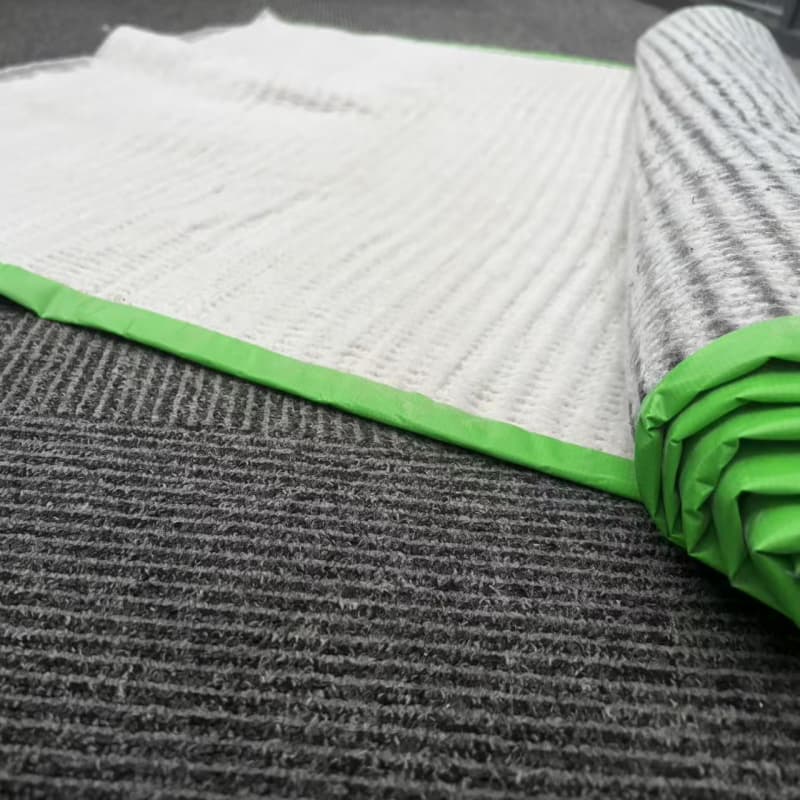
1. Bentonite layer: The core layer is high sodium or calcium-based bentonite particles or powder. Bentonite is a natural clay mineral with extremely strong water absorption and swelling properties (it can swell to 10-15 times its original volume when exposed to water).
2. Geotextile layer: The bentonite layer is sandwiched between two layers of geotextile (usually non-woven geotextiles).
Fixing method: The three layers are combined together by needling (using hooked needles to penetrate the fibers from the upper layer through the bentonite into the lower layer to form a mechanical chain) or bonding (using adhesives). Needling is the most common and better method.
Technical Parameters
1. Physical Parameters:
Parameters | Typical Value/Range | Remarks |
Weight per Unit Area | 3.5 - 5.5 kg/m² | Reflects the bentonite content and overall density. The higher the value, the better the impermeability. |
Bentonite Content | ≥ 3.5 - 4.5 kg/m² | The content of the core anti-seepage material, which determines the expansion capacity and self-healing property. |
Thickness (Arid) | 4 - 7 mm | Initial thickness before laying, affecting the overlap design and transportation. |
Thickness (After Hydration) | 10 - 15 mm | Actual working thickness after swelling in water, a key indicator for filling the gaps in the base layer. |
2. Hydraulic Performance Parameters:
Parameters | Typical Value/Range | Test Standard | Remarks |
Permeability Coefficient (k) | ≤ 5×10⁻¹¹ m/s | ASTM D5887 | Core index. The lower the value, the stronger the barrier ability (equivalent to ≤ 5×10⁻⁹ cm/s). |
Swell Index (Swell Index) | ≥ 24 mL/2g | ASTM D5890 | Reflects the ability of bentonite to swell when exposed to water. The higher the value, the better the sealing (sodium-based bentonite > calcium-based). |
Fluis Loss | ≤ 18 mL | API 13B | The water retention capacity of bentonite under pressure, which affects long-term stability. |
3. Mechanical Properties:
Parameters | Typical Value/Range | Test Standard | Remarks |
Tensile Strength | 10 - 25 kN/m | ASTM D6768 | Ability to resist construction pulling and foundation deformation. |
Peel Strength | ≥ 65 N/10cm | ASTM D6496 | The bonding strength between geotextile and bentonite layer to prevent interlayer separation. |
Puncture | ≥ 400 N | ASTM D6241 | Ability to resist puncture by sharp objects. |
Interface Shear | 25° - 35° | ASTM D5321 | Interface stability with upper and lower soil layers/geomembrane, affecting the safety of slope paving. |
4. Durability and Chemical Compatibility Parameters:
Parameters | Requirements | Test Standards | Remarks |
Bentonite Retention rate | ≥ 90% (after needling) | GRI-GCL3 | Bentonite retention after construction, needling process is better than bonding. |
CEC | ≥ 70 meq/100g | ASTM D7503 | Cation exchange capacity of sodium bentonite, affecting salt resistance. |
Chemical compatibility | Permeability ≤ 5×10⁻⁹ m/s | Custom Solution Testing | Verification of impermeability is required when in contact with leachate/high salinity water |
Company’s Strength
Haoyang Environmental Technology leads GCL innovation since 2008 with our needle punched sodium bentonite clay liners featuring 4500 g m² premium mineral cores encapsulated by reinforced nonwoven geotextiles achieving hydraulic conductivity below 5×10⁻¹¹ m s self sealing capabilities upon hydration repair 15mm cracks autonomously while delivering 40 kN m peel strength and 800 N puncture resistance exceeding GRI GM3 standards globally deployed in zero leakage hazardous waste containment mining heap leach pads and potable water reservoirs including the 230 hectare Thai rainwater harvesting project and Chilean copper mine tailings facility these liners reduce installation costs 60 versus compacted clay and cut construction time 75 with pre hydrated panels available for arid zones request our seismic shift test reports validating 8 magnitude earthquake integrity.