Introduction
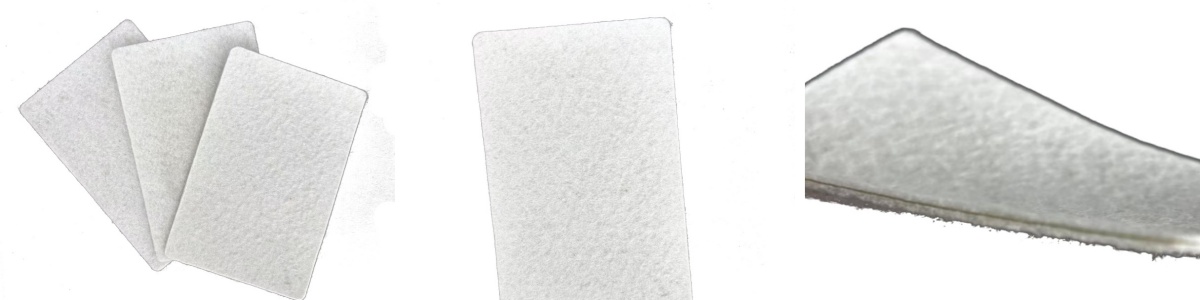
Impermeable Composite Geomembrane Film Dam Linings is a multifunctional geosynthetic material that integrates geomembrane (such as HDPE, PVC) with geotextile and other materials through a lamination composite molding process. Its core design is to integrate the main function of anti-seepage with synergistic properties such as mechanical protection and interface drainage. It is mainly used in anti-seepage lining systems of water conservancy projects, environmental isolation barriers and anti-seepage structures of infrastructure.

Application
1. Reservoir dam: As the anti-seepage lining of the dam surface, dam foundation or reservoir basin, it prevents leakage and loss, protects the stability of the dam structure, and reduces the risk of pollution of downstream groundwater.
2. Tailings pond: Used in the lining system of the tailings pond bottom, slope and dam body to prevent the slurry water containing heavy metals, mineral processing agents and other toxic and harmful substances from infiltrating into the groundwater and soil, and prevent serious environmental pollution and ecological disasters.
3. Canal lining: Used for the bottom and slope lining of water channels, irrigation channels, water diversion channels, etc., which greatly reduces the leakage loss during the water transfer process and improves the utilization efficiency of water resources.
4. Artificial lake/landscape water body: Provide reliable anti-seepage lining for artificial lakes, landscape pools, golf course pools, etc., maintain the designed water level, reduce the need for water replenishment, and prevent leakage from affecting the surrounding foundations.
5. Hazardous waste landfill/industrial waste liquid pool: The pool bottom and slope lining system of hazardous waste safety landfill, as well as the anti-seepage lining of industrial waste liquid storage pools and evaporation pools, prevent toxic and harmful leachate from contaminating the soil and groundwater.
6. Regulating tank/oxidation tank in sewage treatment plant: used for anti-seepage of the bottom of various tanks in sewage treatment plants (such as regulating tank, anaerobic tank, aeration tank, sedimentation tank, etc.) to prevent sewage leakage from polluting the surrounding environment.
7. Reservoir/irrigation tank: provides economical and efficient anti-seepage solutions for agricultural irrigation, firefighting reservoirs and other reservoirs.

Technical Parameters
Parameters
| Technical Indicators | Engineering Value |
Hydraulic Barrier | Permeability coefficient ≤1×10⁻¹² m/s (ISO 11058) | Completely block the migration of liquids/pollutants |
Mechanical Protection | Puncture resistance ≥800 N (ASTM D4883 | Resist puncture by sharp objects, and the breakage rate is reduced by 70% |
Interface Drainage | Planar water conductivity ≥5×10⁻⁴ m²/s (ASTM D4716) | Quickly guide interfacial seepage and inhibit water pressure accumulation |
Tensile Deformation Resistance | Ultimate elongation ≥100% (ISO 10319) | Adapt to foundation settlement and soil deformation |
Interface Stability | Geotextile-soil friction coefficient ≥0.6 (GRI GM17) | Enhance the anti-slip safety of slope paving |
Features:
1. Seepage prevention: The core geomembrane layer (such as HDPE, LLDPE) has an extremely low hydraulic permeability coefficient (usually <10⁻¹² cm/s), which almost absolutely blocks the penetration of water, pollutants and harmful liquids, and is the primary guarantee for engineering seepage prevention.
2. Composite structure:
Damage resistance: Geotextile can protect the geomembrane from puncture and wear during laying and backfilling, and improve durability.
Drainage: Geotextile forms a water channel between the geomembrane, which can allow the seepage water to be discharged along the channel, reducing pressure and preventing the liner system from being damaged by the top support.
Mechanical properties: Geotextile can improve the stability of the liner system under local stress or deformation.
3. Durability:
Corrosion resistance: HDPE material can resist the erosion of acidic and alkaline slurry, sewage, landfill leachate and chemicals in the tailings pond, and its service life can reach decades.
Anti-UV aging: UV protection is provided by adding carbon black and using geotextile layers to reduce performance degradation under long-term exposure.
Anti-biodegradation: Synthetic polymer materials are not easily destroyed by microorganisms, roots, etc.
4. Good flexibility and deformation adaptability: The material itself is flexible and can adapt to uneven settlement of the foundation, frost heave and thaw settlement, and moderate deformation of the dam body after water storage. It is not easy to produce brittle fractures and maintain the integrity of anti-seepage.
5. Convenient construction:
Factory prefabricated large rolls, high efficiency of on-site laying.
Adjacent rolls can be formed into a continuous, seamless overall sealing layer by hot melt welding or chemical bonding to ensure the reliability of the anti-seepage system.
Differences Between Composite Geomembrane and Single-layer Geomembrane
1. Weak resistance to mechanical damage → Built-in integrated protection
Single-layer membrane requires an additional protective layer to resist construction damage, while the composite structure integrates a geotextile protective layer (puncture resistance ≥800N) to directly achieve backfill construction, reducing the risk of damage by more than 70%.
2. Interface drainage failure → Active drainage seepage
Single-layer membrane is prone to failure due to floating of the liner system due to water pressure accumulation due to the lack of a drainage layer; the composite structure uses the high water conductivity of the geotextile (≥5×10⁻⁴ m²/s) to actively guide the interface seepage and eliminate pore water pressure.
3. Poor slope anti-slip → High friction interface design
The friction coefficient of the smooth surface of the single-layer membrane is only 0.3, which poses a risk of slope instability; the composite structure increases the friction coefficient to ≥0.6 through the rough geotextile interface to enhance anti-slip safety.
4. Poor local deformation adaptation → strain synergistic optimization
The single-layer membrane is easy to tear in the stress concentration area (elongation ≤ 100%); the composite structure uses the grid reinforcement layer to disperse the strain, and the elongation is increased by 30%, which significantly improves the deformation adaptability of the foundation.
Comapny’s Strength
Haoyang Environmental Technology masters composite geomembrane dam lining systems for critical water containment since 2008 our reinforced multilayer films combine nonwoven geotextile backing with high density polyethylene core creating dual impermeable barriers achieving hydraulic conductivity below 1×10⁻¹² cm s and puncture resistance over 500 N certified to GRI GM17 standards engineered for extreme hydraulic pressure in reservoirs canals and hydropower projects these linings withstand 40 meter water heads while accommodating subgrade settlement through 380% elongation globally proven in seismic zones like Ecuador and monsoon regions like Thailand with zero failures recorded our patented 10 meter wide rolls minimize field seams cutting installation time 50% and leakage risk by 90% contact our dam specialists for site specific design leveraging 15 years of geosynthetic excellence.