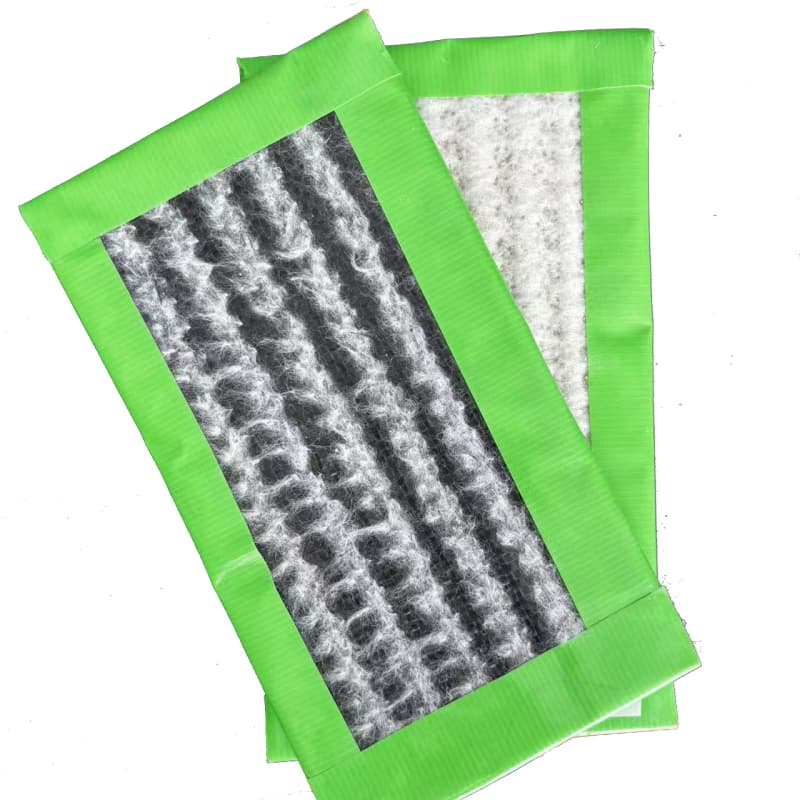
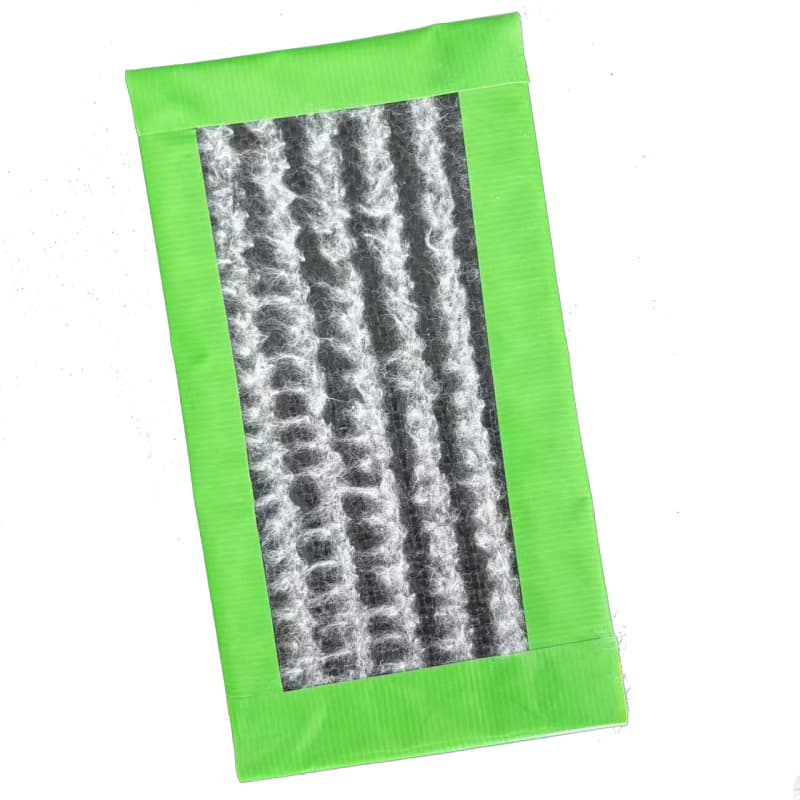
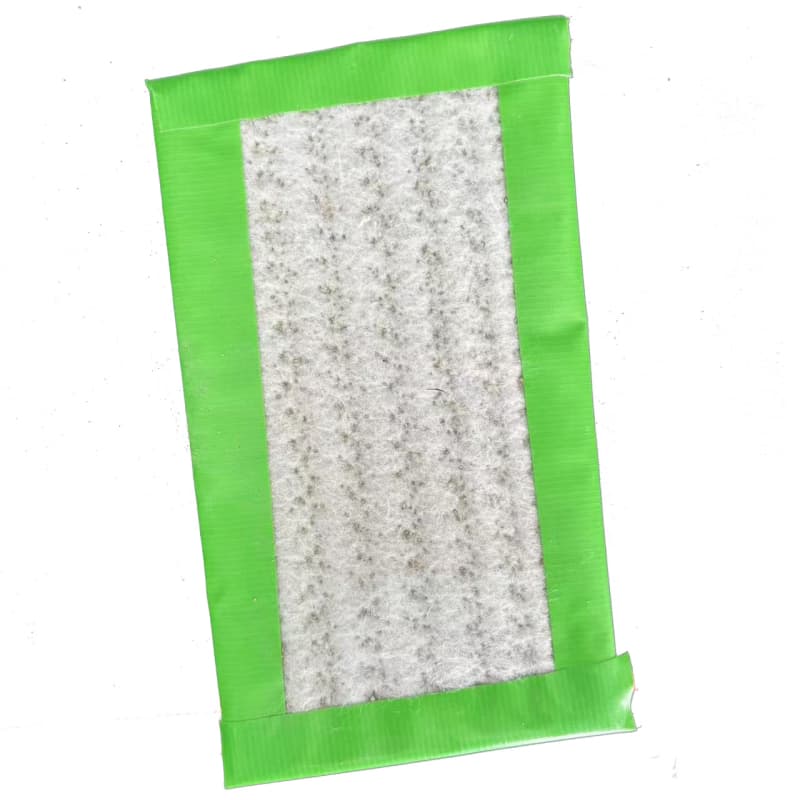
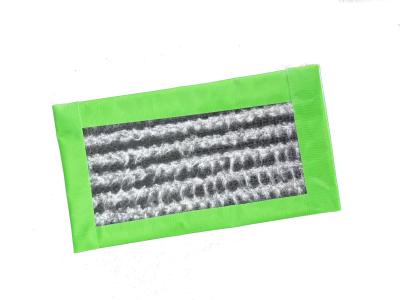
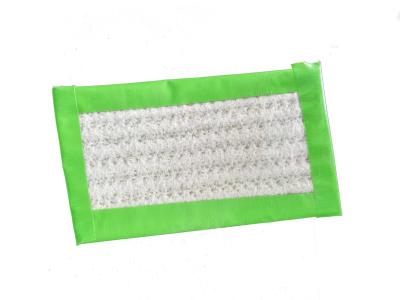
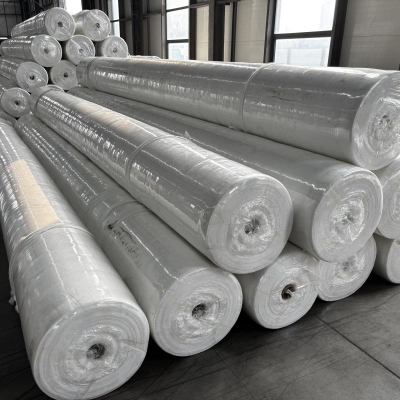
Excellent anti-seepage performance: After absorbing water, bentonite will expand to form a low-permeability colloid, and its anti-seepage effect far exceeds that of traditional compacted clay layers.
Convenient and efficient construction: light weight, soft material, fast laying speed. The joint treatment is simple, usually overlapped and supplemented with bentonite powder sealing, without the need for complex welding equipment and welding technology.
Good deformation adaptability: The flexible structure enables it to adapt to deformation caused by uneven settlement of the foundation, freeze-thaw cycles, and earthquakes, and is not prone to structural cracks.
Let's talk about what really matters in containment. You're not just buying a liner—you're investing in protection that needs to perform when conditions aren't perfect. That's where Bentonite Clay LinerGCLPond Liner technology changes everything. Unlike rigid alternatives that demand ideal circumstances, this material adapts to reality. We've seen it solve problems no plastic sheet could handle.
Consider this actual situation from the field: A municipal project in the Midwest faced unexpected subgrade variations after heavy spring rains. Traditional liners would have required costly re-compaction and delays. Instead, the team proceeded with a Geosynthetics Clay Liner. The result? The bentonite naturally compensated for density variations, swelling more in porous areas to create a uniform barrier. The project finished on schedule, and monitoring showed perfect performance two years later. This isn't theoretical—it's how this technology performs under pressure.
How It Actually Works in Practice
The science is straightforward—sodium bentonite swells when wet—but the practical benefits are what transform projects. Here's what you experience on site:
Real Installation Advantages Your crew will notice the difference immediately. Rolls deploy quickly without specialized equipment. Overlaps require simple mechanical connection rather than precise welding. Most importantly, minor imperfections in subgrade preparation become non-issues. As one project supervisor noted, "We completed the 10-acre containment area in three days instead of the scheduled five. The GCL Liner handled the uneven spots we couldn't fully correct."
Performance That Improves Over Time While plastic liners begin degrading from installation day, our clay-based system actually enhances its seal. The bentonite continues to hydrate and swell for months, seeking out and filling any minor gaps. We've documented installations where permeability decreased by 15% between the 30-day and 90-day measurements.
Technical Specifications That Translate to Field Performance
What the Numbers Mean for Your Project
1.4.5 kg/m² bentonite loading: Not just a specification—this ensures adequate material to handle variable subsurface conditions
2.≥ 10 kN/m tensile strength: Provides durability during installation and protects against minor ground movement
3.≤ 5 x 10⁻¹¹ m/s permeability: Achieves regulatory compliance while accommodating real-world site variations
4.-40°C to 60°C operating range: Proven performance from Canadian mining operations to Middle Eastern evaporation ponds
Case Example: Agricultural Application A dairy farm in Wisconsin needed to expand their waste containment. Budget constraints limited subgrade preparation. They installed a Bentonite Clay Liner over minimally graded native soil. Two freeze-thaw cycles later, monitoring showed the liner had maintained integrity despite ground movement that would have stressed rigid alternatives. The farmer reported, "The clay moved with the ground instead of fighting it. We've had zero maintenance issues."
Applications Where This Technology Excels
Water Management Applications From decorative ponds to critical irrigation storage, the self-sealing properties provide peace of mind. A golf course in Florida used GCL Pond Liner for their water feature network. After hurricane damage caused tree fall across several sections, the superintendent discovered the bentonite had sealed around root penetrations autonomously. "Other courses with traditional liners faced expensive repairs," he noted. "We simply removed the debris and continued operation."
Environmental Protection Uses For landfill caps and containment basins, the long-term reliability proves invaluable. A midwestern landfill documented their experience: "After 15 years of service, core samples showed the Geosynthetic Liner maintained its hydraulic performance despite 8 inches of differential settlement. The clay redistributed itself to maintain continuity."
Installation Insights from Completed Projects
Through numerous installations, we've identified key success factors:
What Works Consistently
1.Simple overlap system (300mm minimum) with no adhesives required
2.Immediate cover with minimum 300mm of soil or sand
Common Questions from Field Experience Q: How does it handle slopes? *A vineyard in California successfully installed on 3:1 slopes for water retention. The key was starting at the bottom and using temporary pins during placement. The needle-punched reinforcement held the clay in place during initial hydration.*
Q: What about repair scenarios? In the rare cases requiring intervention, the process is straightforward. For a puncture from construction equipment on a Texas project, crews simply cut back to good material, overlapped new GCL Liner, and rehydrated. The repair integrated completely within 72 hours.
Q: How does chemical compatibility work in practice? Most agricultural and mining applications fall within compatible ranges. For unique situations, we recommend testing. A copper mining operation in Arizona conducted compatibility testing that showed excellent performance with their specific leachate chemistry.
Cost Considerations Beyond Initial Price
The Budget Reality Most Miss While the material cost is competitive, the true savings emerge elsewhere. A contractor specializing in pond construction shared their analysis: "We've tracked 20 comparable projects—ten with traditional liners and ten with Bentonite Clay Liner systems. The clay-based installations averaged 35% lower total installed cost due to faster deployment and reduced subgrade preparation."
Long-Term Value Demonstration A municipal water district documented their 10-year cost analysis. While initial material costs were similar to HDPE alternatives, the clay system showed zero maintenance costs versus approximately $15,000 annually for patching and repairs on traditional liners. "The self-healing capability eliminated our repair budget completely," their report concluded.
Making the Right Choice for Your Specific Needs
When This Solution Makes Perfect Sense
1.Sites with variable or uncertain subsurface conditions
2.Projects with tight timelines that can't risk weather delays
3.Applications expecting ground movement or settlement
4.Budgets prioritizing lifetime cost over initial material cost
When to Consider Alternatives
1.Applications requiring extreme chemical resistance to specific compounds
2.Situations demanding very high tensile strength without protective cover
3.Projects with perfectly engineered, stable subgrades and flexible budgets
The Practical Next Steps
Every project has unique requirements. Based on successful installations across multiple industries, we recommend:
1.Site-specific evaluation comparing system options against your actual conditions
2.Lifecycle cost analysis including installation, potential repairs, and long-term performance
3.Material compatibility verification if dealing with unusual chemicals
4.Installation planning with crews experienced in geosynthetic deployment
The evidence from field applications demonstrates consistent performance. Geosynthetics Clay Liner technology isn't experimental—it's proven. The question isn't whether it works, but whether its particular advantages match your project's specific challenges, timeline, and budget parameters. Your containment solution should address both today's requirements and tomorrow's uncertainties. This technology has shown it can do both