
Geosynthetics Industry Powers Ahead with Sustainable Innovations and Global Infrastructure Demand
The geosynthetics industry is experiencing a transformative phase, driven by rapid advancements in material science and soaring global demand for resilient infrastructure. As countries worldwide invest heavily in large - scale construction, environmental protection, and resource management projects, geosynthetic solutions are emerging as indispensable components for ensuring durability, efficiency, and sustainability.
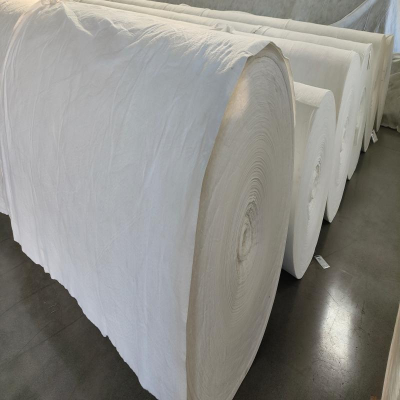
One of the most significant developments lies in the realm of advanced geotextiles. Manufacturers are leveraging cutting - edge polymers and manufacturing techniques to produce high - strength, lightweight geotextiles with enhanced filtration and separation capabilities. These products are revolutionizing road construction, where they reinforce soil layers, prevent gravel migration, and extend the lifespan of roadbeds. A recent study by the International Geosynthetics Society showed that roads built with advanced geotextiles require 30% less maintenance over a 10 - year period compared to traditional designs.
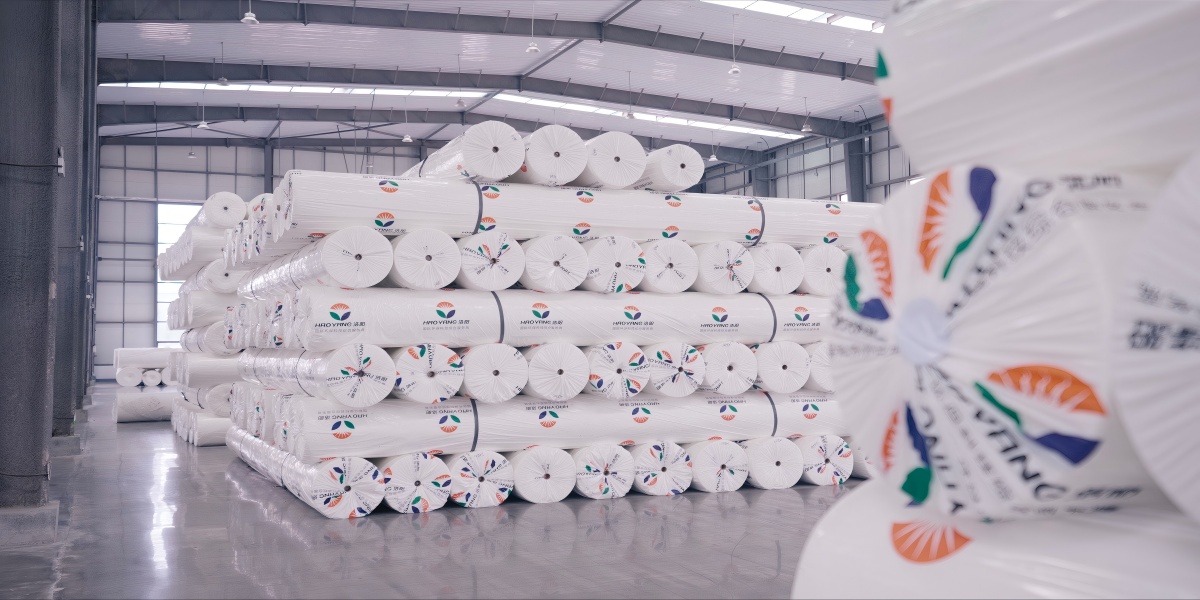
Geogrids, another cornerstone of the industry, are also undergoing continuous innovation. Newly developed biaxial and triaxial geogrids offer superior load - distribution properties, making them ideal for stabilizing steep slopes, reinforcing retaining walls, and strengthening soft soil foundations. In a notable project in Southeast Asia, the installation of high - modulus geogrids reduced foundation settlement by 40%, ensuring the long - term stability of a major commercial building.

Sustainability has become a defining factor in geosynthetic product development. Companies are increasingly focusing on creating eco - friendly materials, such as biodegradable geotextiles made from natural fibers like jute and bamboo. These products not only perform on par with traditional synthetic counterparts but also minimize environmental impact, making them popular choices for green infrastructure projects, including riverbank erosion control and wetland restoration.
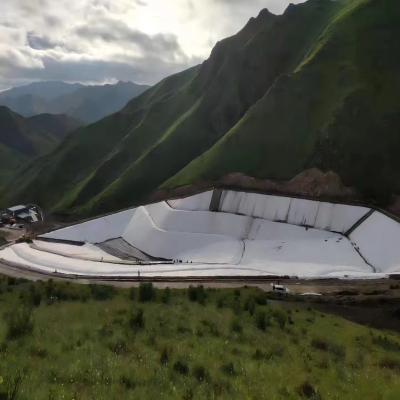
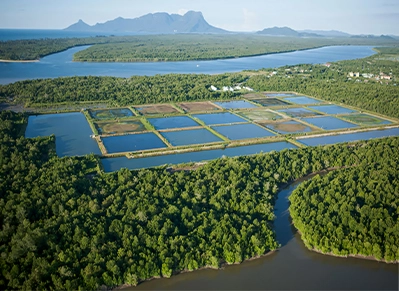
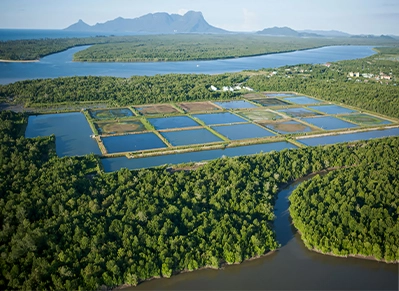
The demand for geosynthetics in the environmental sector is also skyrocketing. Geomembranes, especially those with anti - chemical and anti - UV properties, are crucial for containing hazardous waste in landfills, preventing seepage in wastewater treatment plants, and protecting water bodies in aquaculture farms. A leading manufacturer recently launched a new range of HDPE geomembranes with self - healing capabilities, significantly reducing the risk of leaks and enhancing overall system reliability.

"As urbanization and climate change mitigation efforts intensify, the geosynthetics industry is well - positioned for exponential growth," says Dr. Emma Carter, an industry analyst. "With ongoing research in smart geosynthetics embedded with sensors for real - time monitoring and predictive maintenance, the future of the industry looks both innovative and promising."
Industry forecasts indicate that the global geosynthetics market will expand at a CAGR of over 7% in the next five years. As companies continue to invest in R&D and forge strategic partnerships, geosynthetics are set to play an even more vital role in building a sustainable, resilient, and efficient infrastructure for generations to come.