
Geosynthetics Industry Advances Toward High-Quality Development
People who have worked in construction materials for the past twenty years notice something different about current conversations. Project owners ask tougher questions. They want to know how long things last, not just what they cost today.
A contractor from Texas mentioned this at a trade show last year. "Used to be, low bid won every time. Now they sit down and talk about maintenance schedules. They do the math on what happens ten years out."
The geosynthetics business reflects this change. Companies that spent years competing mostly on price now emphasize performance data. Industry conferences feature presentations about long-term behavior rather than just initial cost savings.
Market research supports what experienced people observe. Grand View Research estimates the global geosynthetics market around USD 17.6 billion for 2025. Growth continues through the forecast period. But the interesting part comes when you break down which products show strongest momentum.
Geogrids stand out in these analyses. Not because they represent the largest volume category, but because adoption expands into new applications. Road builders who once used Geogrids only for problem areas now specify them for entire projects. Railroad engineers include them in trackbed designs. Landfill operators rely on them for slope stability.
A highway official from Ohio spoke at a 2024 conference about this trend. "We started using geogrids in the 1990s for soft spots. Now they go under every major reconstruction. The performance data convinced us."
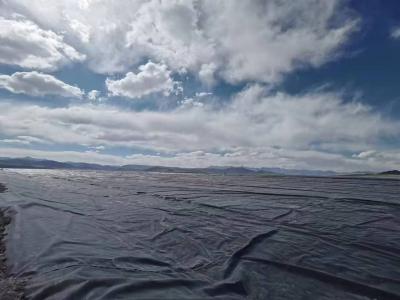 | 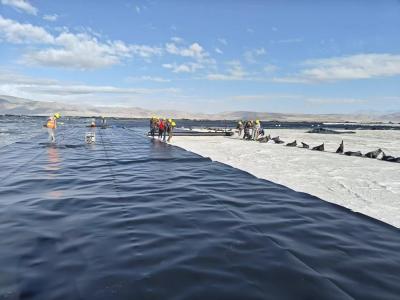 | 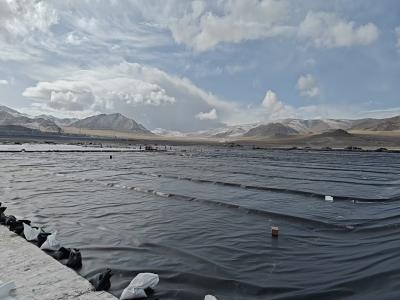 |
Product Fundamentals
What Geogrids Do
Geogrids belong to the geosynthetics family alongside Geotextiles and Geomembranes. Each serves different purposes, though projects often combine them.
The basic function of a Geogrid involves tensile reinforcement. Soil and aggregate handle compression reasonably well but resist tension poorly. Geogrids supply that missing tensile capacity. Their open grid structure interlocks with surrounding materials. When loads attempt to push soil sideways, the Geogrid resists that movement.
This mechanism proves useful in multiple situations. Roads need to spread vehicle loads without rutting. Retaining walls must hold back earth without sliding. Slopes require stability against gravitational forces. Geogrids address all these conditions.
Manufacturing Approaches
Production methods for Geogrids fall into several categories. Each creates products with different characteristics.
Extruded Geogrids start as polymer sheets. Polypropylene and high-density polyethylene are common materials. The sheet passes through a punching station that creates the grid pattern. Then heating and stretching follow. Stretching in one direction orients molecules for strength in that orientation. Stretching in both directions produces balanced properties.
Woven Geogrids use polyester yarns woven into grid patterns. Coatings protect against damage during installation and provide dimensional stability. These products offer high tensile capacity in specific directions.
A plant manager in South Carolina described his operation. "We run three shifts most weeks. Raw material comes in, gets tested. Process parameters get checked every hour. Finished rolls go to testing before shipping. Customers expect consistency."
Quality Considerations
Manufacturing consistency matters for performance. Production facilities maintaining ISO 9001 certification follow documented procedures. Raw materials undergo testing before use. In-process checks monitor dimensions. Finished rolls receive tensile testing per ASTM D6637 or equivalent standards.
Third-party certification adds verification. Geosynthetic Accreditation Institute laboratories test samples from production. Products meeting requirements receive certification recognized in specifications.
Market Context
Regional Patterns
Different parts of the world use Geogrids for different reasons.
North America has extensive highway networks built mostly in the mid-20th century. Much of this infrastructure needs rehabilitation. Geogrids allow reconstruction with reduced excavation, saving money while improving performance. State departments of transportation have developed specifications based on decades of experience.
A design engineer from Minnesota explained his agency's approach. "We have soil conditions that range from excellent to terrible. Geogrids let us standardize designs instead of customizing every mile. Construction crews know what to expect."
Asia-Pacific builds new infrastructure at remarkable scale. High-speed rail lines, expressways, and ports rise on sites that would have challenged engineers a generation ago. Geogrids help make these projects feasible by improving ground conditions economically.
Europe emphasizes sustainability in procurement. Carbon footprint calculations influence material selection. Geogrids contribute favorably to these analyses by reducing aggregate requirements and extending pavement life.
Middle East projects face extreme conditions. High temperatures, aggressive soils, and heavy loads test materials severely. Geogrids with appropriate polymer formulations perform reliably in these environments.
Related Materials
Discussions about Geogrids naturally lead to Geotextiles and Geomembranes. These products often appear together on projects.
Geotextiles provide separation and filtration. Place one beneath a road base and it prevents fine subgrade particles from migrating upward. This keeps the aggregate clean and drainage functioning. When Geogrids sit above Geotextiles, the combination addresses both reinforcement and separation.
Geomembranes create impermeable barriers. Waste facilities use them to contain liquids. Mining operations rely on them for process solution containment. Reservoirs need them to prevent water loss. On steep slopes, Geogrids stabilize the underlying soil while Geotextiles protect the Geomembrane from puncture.
Engineers designing complex projects consider how these materials interact. A well-designed system might include all three.
A landfill designer from Florida described typical specifications. "Bottom liner starts with subgrade preparation. Then geogrid if we have soft conditions. Then geotextile for protection. Then geomembrane. Then another geotextile. Then drainage layer. Each layer serves a purpose."
Application Experience
Road Projects
County roads in agricultural areas present common challenges. They carry heavy trucks during harvest but receive minimal maintenance budgets. Soils soften when wet, leading to rutting and failure.
Geogrids installations on these roads have been tracked for decades. Results show consistent benefits. Sections with reinforcement require less aggregate initially and perform better over time. Spring load restrictions can be reduced or eliminated. Farmers deliver products to market sooner, improving their operations.
A county engineer in Iowa shared his observations. "We started testing geogrids in the 1990s. Put them in a few trouble spots. Those spots stopped being trouble. Now we use them wherever we reconstruct. The numbers work."
Highway agencies report similar experiences. Building on marginal soils without excavation saves money. Geogrids spread loads across weak areas that would otherwise require removal and replacement. Cost comparisons show savings of 20-30 percent compared to un-reinforced designs.
Wall Construction
Mechanically stabilized earth walls using Geogrids have become standard practice. The concept puts reinforcement layers within compacted fill to create a coherent mass resisting lateral pressure.
Construction proceeds quickly compared to cast-in-place concrete. No curing time delays backfilling. Facing options include architectural blocks, precast panels, or wrapped-face systems depending on project requirements.
A contractor from Colorado described his experience. "We build retaining walls for highway projects. Cast concrete takes time, forms, curing. Geogrid walls go up fast. Crews keep moving. Owners like the schedule."
Design methods have matured through observation and testing. Federal Highway Administration manuals provide detailed guidance. Software tools assist with calculations. Experienced contractors install these walls efficiently.
Railroad Foundations
Railroads impose demanding conditions on foundation materials. Heavy axle loads combined with dynamic effects challenge conventional designs. Geogrids have gained acceptance for trackbed reinforcement.
European railway companies conducted extensive testing. Results showed reduced settlement, improved lateral restraint, and longer intervals between tamping maintenance. High-speed lines benefit from enhanced stiffness and uniformity.
North American freight railroads face different conditions. Unit trains carrying coal or grain subject track to millions of gross tons annually. Geogrids installations demonstrate ability to extend ballast life and reduce subgrade deterioration under these demanding loads.
A track supervisor from Wyoming noted the difference. "We had a section that needed retamping every two years. Put geogrid in during rebuild. Now it's been five years and still holding tight. That matters when you're running heavy trains."
Environmental Applications
Landfill construction relies on geosynthetics extensively. Geomembranes provide primary containment. Geotextiles offer protection and filtration. Geogrids stabilize slopes and reinforce foundation soils.
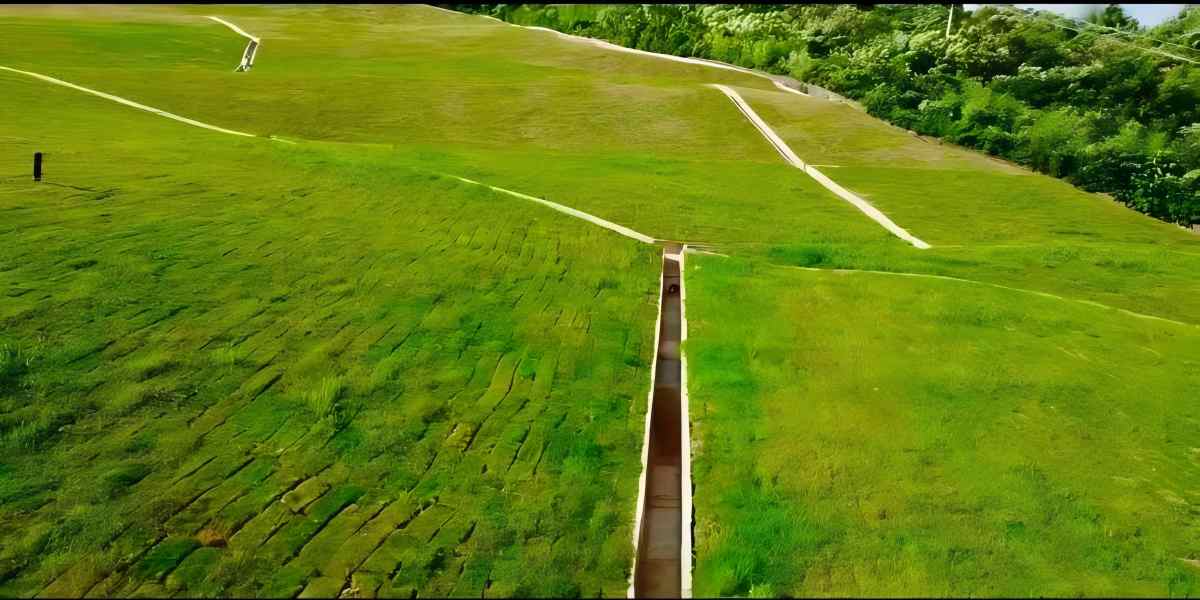
Closure systems for completed landfills require vegetated cover layers. Slopes must remain stable while supporting plant growth. Geogrids provide necessary reinforcement. Temporary applications may use biodegradable materials that degrade after vegetation establishes.
Mining operations use similar systems for heap leach pads and tailings facilities. Geomembranes contain process solutions. Geogrids stabilize underlying materials. Geotextiles provide separation and protection.
Sustainability Factors
Material Efficiency
Infrastructure projects consume enormous quantities of aggregate. Quarrying, processing, and transporting stone generate environmental impacts. Geogrids reduce these impacts by allowing thinner aggregate sections.
A typical road project might use 30 percent less base material with reinforcement. That means fewer trucks on highways, less fuel burned, and reduced emissions. The savings add up across large programs.
Extended service life matters from a life-cycle perspective. Roads needing reconstruction every fifteen years consume more materials than roads lasting thirty years. Geogrids contribution to longevity supports sustainability goals.
Recycled Content
Some manufacturers now offer Geogrids incorporating recycled materials. Polypropylene from post-industrial or post-consumer sources can be processed and included in production. Testing confirms that properly formulated recycled-content products meet the same performance specifications as virgin equivalents.
Procurement specifications in some regions require minimum recycled percentages. Europe leads this trend, though North American agencies have begun including similar provisions. Private developers pursuing green building certifications may also specify recycled materials.
A materials engineer from California discussed state requirements. "CalTrans has sustainability goals. We look at recycled content where available. Manufacturers have stepped up with products that qualify. Testing shows they perform."
Carbon Calculations
Project teams pursuing environmental certifications calculate embodied carbon for material selections. Environmental product declarations published by manufacturers provide standardized data.
Geogrids typically contribute modestly to these totals while enabling significant reductions elsewhere. The carbon saved through reduced aggregate use often exceeds the carbon embodied in the reinforcement. Net calculations favor Geogrids inclusion.
Technical Considerations
Strength Characterization
Engineers characterize Geogrids strength through standardized testing. ASTM D6637 covers tensile properties determination. Samples are gripped across their width and pulled until failure. Results show ultimate tensile strength and elongation characteristics.
Design uses reduced values rather than ultimate strength. Factors account for creep over time, damage during installation, and durability considerations. This approach ensures reinforcement performs adequately throughout project design life.
Junction Strength
For extruded Geogrids, junction strength matters considerably. Load must transfer from soil to reinforcement through the apertures. Weak junctions become limiting factors. GRI GG5 provides test method for junction strength determination.
Quality products demonstrate junction efficiency near 100 percent, meaning intersections are as strong as ribs. Lower values indicate potential performance limitations.
Durability Factors
Geogrids installed in soil face various environmental conditions. Polymer formulations resist degradation from chemical exposure, ultraviolet radiation, and biological activity. Additive packages enhance this resistance.
Installation damage can affect performance. Sharp aggregate may cut ribs during compaction. Testing protocols evaluate damage susceptibility. Design factors account for expected installation conditions.
Procurement Guidance
Specification Review
Project specifications typically reference ASTM, AASHTO, or ISO standards. Buyers should verify that offered products meet these requirements with current test reports from accredited laboratories.
Common standards include:
ASTM D6637 for tensile properties
ASTM D5262 for creep behavior
GRI GG5 for junction strength
ISO 10319 for wide-width tensile testing
Additional requirements may address durability, ultraviolet resistance, or chemical compatibility. These should be reviewed before procurement.
Supplier Evaluation
Experience matters when selecting Geogrids suppliers. Companies with long track records maintain better quality systems and technical support capabilities. References from previous projects provide useful information about reliability and service.
Supply chain reliability gained attention during pandemic disruptions. Manufacturers with multiple production locations and adequate inventory levels offer greater security against interruptions. Shipping logistics should be discussed early.
A procurement manager from Texas shared his perspective. "We look at who has been around. New companies come and go. Established suppliers have systems that work. They answer phones when problems come up."
Technical Support
Quality suppliers provide engineering assistance during project development. This support may include design review, specification guidance, and construction recommendations. For complex projects, on-site assistance during initial installation helps ensure proper practices.
Frequently Asked Questions
Q1: How do engineers decide between Geogrids and Geotextiles for a project?
A: The decision depends on project objectives. Geogrids provide tensile reinforcement through aggregate interlock. Geotextiles perform separation, filtration, and protection functions. Many projects need both. Road construction over soft soils typically uses Geogrids for reinforcement and Geotextiles to prevent subgrade migration. Specifications should address both requirements when present. A geotechnical engineer evaluates soil conditions and loading to determine which combination works best.
Q2: What installation errors most commonly affect Geogrid performance?
A: Several mistakes appear regularly on construction sites. Inadequate subgrade preparation leaves soft spots preventing proper compaction. Insufficient overlap between adjacent rolls creates weak areas without reinforcement. Construction equipment turning directly on exposed Geogrids damages ribs and junctions. Placing aggregate too thickly before compaction prevents proper interlock. Following manufacturer guidelines prevents these issues. Quality suppliers provide installation guidance to contractors before work begins.
Q3: When do Geomembranes become part of projects using Geogrids?
A: Geomembranes appear when containment requirements exist alongside reinforcement needs. Landfill cells require Geomembranes to prevent leachate escape while Geogrids stabilize underlying slopes. Reservoir liners need Geomembrane barrier layers plus Geogrid reinforcement for embankment stability. Mining heap leach pads combine Geomembranes for solution containment with Geogrids for foundation support. Geotextiles often protect Geomembranes from puncture by adjacent granular materials.
Q4: How significant is recycled content in current Geogrid procurement?
A: Importance varies by region and project type. European infrastructure increasingly specifies minimum recycled percentages. Some North American transportation agencies have included recycled content provisions. Private developers pursuing green building certifications may also require recycled materials. Manufacturers offer product lines incorporating certified recycled content while maintaining performance specifications. Buyers should verify recycled content claims through documentation from accredited certifiers.
Q5: What determines whether uniaxial or biaxial Geogrids suit a particular application?
A: Loading direction guides this selection. Uniaxial Geogrids feature high strength in one direction, appropriate for retaining walls or slopes where primary stresses act perpendicular to the wall face. Biaxial Geogrids provide balanced strength in orthogonal directions, matching the multidirectional loading patterns beneath roads and foundations. Triaxial products offer uniform stiffness properties for very soft subgrades or dynamic loading. Geotechnical engineers evaluate these factors during design based on site-specific conditions.
Q6: How do designers verify Geogrid strength requirements for specific projects?
A: Design methods vary by application but share common elements. Soil properties, loading conditions, and performance requirements establish necessary reinforcement forces. Factors for creep, installation damage, and durability reduce published ultimate strength to allowable design values. This approach ensures adequate performance throughout design life. Software tools assist calculations, though experienced engineers interpret results based on site conditions and local practice.
Looking Forward
The geosynthetics industry continues evolving. Research explores improved materials, manufacturing methods, and design approaches. Long-term performance monitoring provides data for refining current practice.
Geogrids have earned their place in civil engineering through demonstrated performance across decades and thousands of projects. Engineers specify them with confidence based on established design methods and verified results.
Procurement professionals evaluating suppliers benefit from considering manufacturing capabilities, quality systems, technical support, and supply chain reliability. Products meeting recognized standards from suppliers with demonstrated track records provide the best foundation for project success.
Project Assistance Available
Engineering and procurement professionals may contact our technical staff with questions about material selection, specification requirements, or project-specific applications. Product data sheets, test reports, and samples are available upon request.