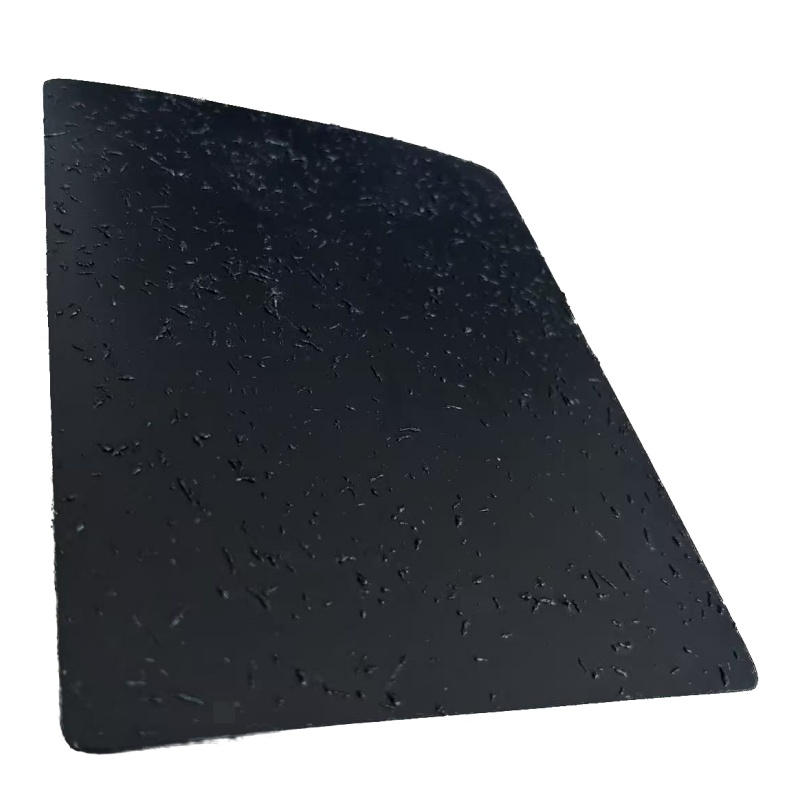
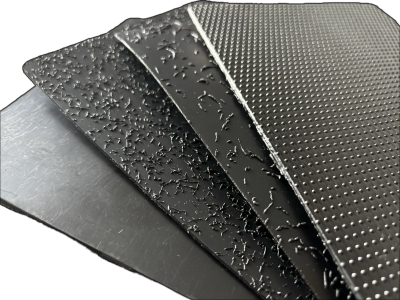
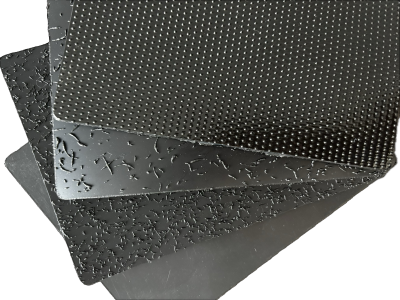
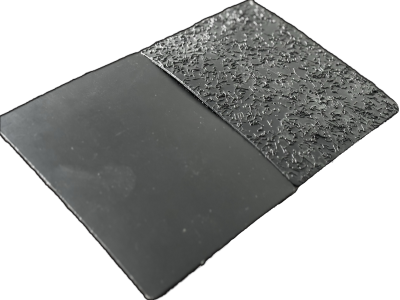
Let’s be direct. When you're lining a pond, reservoir, or lagoon, you're not just installing a product—you're buying insurance. Insurance against leaks, against environmental liability, and against the massive cost of failure. For project engineers and site managers who’ve seen lesser liners crack, degrade, or simply fail, the choice is clear. You need a material with a proven track record. That material is high-density polyethylene geomembrane.
Our HDPE Geomembrane Pond Liner is that proven solution. For over 25 years, we’ve supplied liner material to projects where “good enough” isn’t in the vocabulary. We’ve learned what works on the ground, in the baking sun, and under constant chemical stress. This experience is rolled into every square meter we produce. Starting your project with a premium HDPE Geomembrane Pond Liner isn't just a purchase; it's the foundational decision that protects your investment for decades. Forget generic sales pitches. What follows is a no-nonsense breakdown of why this specific liner earns its place on demanding job sites worldwide.
Breaking Down the Geomembrane
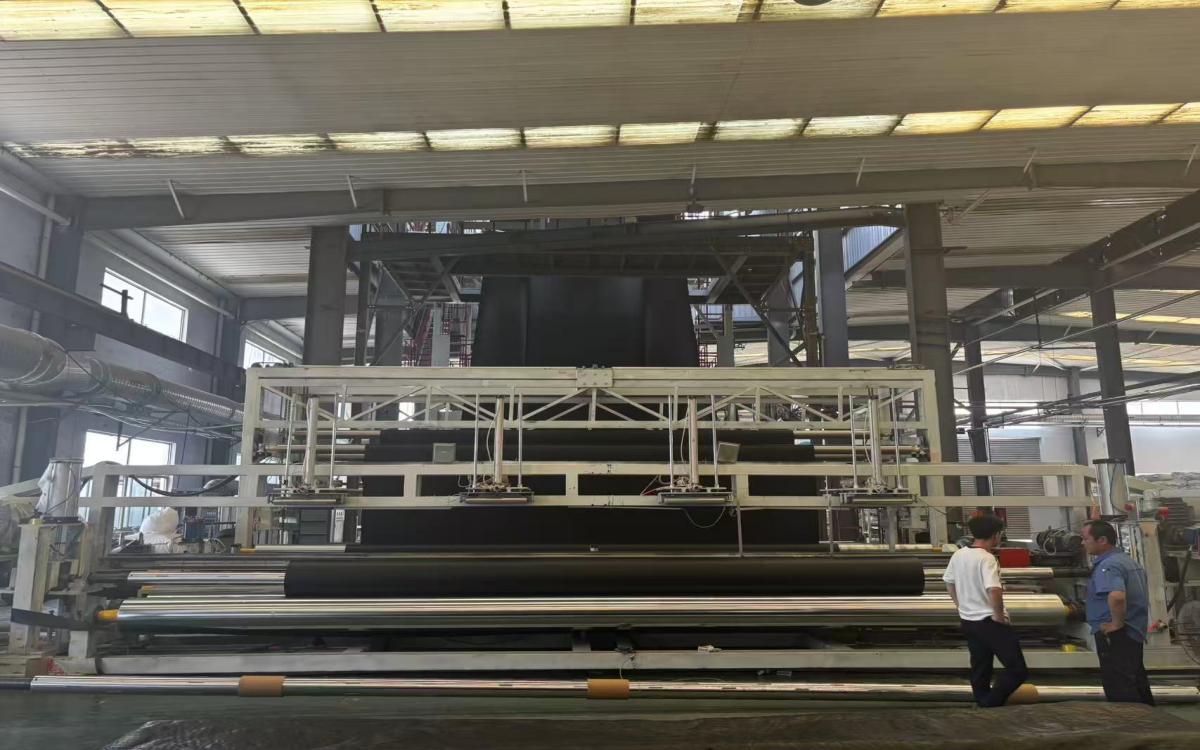
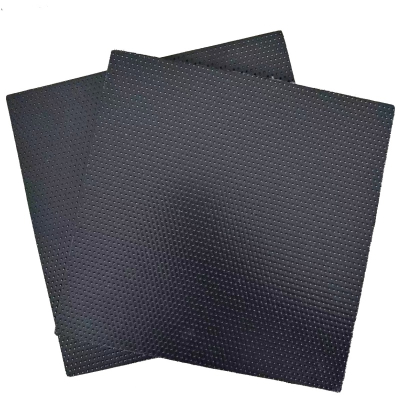
What are you actually getting? Think of it as a high-tech, engineered fabric. We start with top-tier virgin polyethylene resin—no recycled filler that compromises strength. This resin is melted, mixed with critical stabilizers and carbon black, and then calendered into wide, uniform sheets. The result is a tough, flexible, and remarkably impermeable barrier. Its core mission is absolute containment. Whether it's holding 10 million gallons for irrigation or creating a controlled environment for a fish farm, its job is to separate and secure. This fundamental capability makes it the go-to Agricultural Pond Liner for modern farming and the reliable Fish Pond Liner Sheet for commercial aquaculture. It performs one task perfectly: it doesn't let anything through.
Engineered Features, Real-World Benefits
We don’t just list specs; we explain what they mean for your site crew and your bottom line.
1.Zero-Leachate Performance: The molecular structure of HDPE creates a lock-tight barrier with a permeability coefficient so low it’s essentially zero. For your water storage or containment pond, this means what you put in, stays in. No seepage, no wasted resource, no groundwater compromise.
2.Chemical Inertia is Key: Exposed to fertilizers, animal waste, or acidic tailings? No problem. HDPE doesn’t react. While other materials break down, our liner sits there, unaffected. This chemical resistance is non-negotiable for long-term integrity.
3.Puncture Resistance You Can Trust: Subgrade is rarely perfect. Rocks happen. Our liner’s high puncture rating is your first line of defense against minor imperfections and settling. It’s built to handle real-world installation and long-term loading.
4.Formulated for the Sun: All polymers can degrade in UV light. Ours is engineered to resist it. The consistent carbon black loading (we insist on 2.5-3.0%) provides permanent, built-in protection. This isn’t a coating that wears off; it’s a UV Resistant Pond Liner through and through. You won’t see it get brittle and crack after a few summers.
5.Seams That Hold: A liner is only as strong as its weakest seam. The beauty of HDPE is its weldability. Using standard hot-wedge welders, our panels fuse into a continuous, monolithic sheet. The seam strength matches the panel strength—this is critical for a reliable Fish Pond Liner Sheet system where leaks are catastrophic.
Why This Choice Saves Money (and Headaches)
Choosing our geomembrane is a strategic ops decision, not just a line item cost.
The biggest advantage is lifespan. A properly installed HDPE Geomembrane Pond Liner will last for generations, not just years. You avoid the cycle of repair-and-replace that plagues projects using inferior films. Its physical toughness means fewer installation headaches—crews can deploy it without fear of tear-by-snag. As a true UV Resistant Pond Liner, you eliminate the major cause of outdoor liner degradation, slashing long-term O&M budgets. For farmers, the reliability of this Agricultural Pond Liner directly translates to water security for crops, season after season. In aquaculture, the non-toxic, smooth surface of this Fish Pond Liner Sheet promotes better hygiene and easier harvesting.
The Numbers You Need to Know
We provide clarity, not confusion. Here’s our standard workhorse range:
1.Base Material: 100% Virgin HDPE Resin.
2.Common Thickness: 0.75mm (30 mil) to 2.0mm (80 mil). For most ponds, 1.0mm (40 mil) hits the sweet spot of durability and value.
3.Standard Roll Size: We optimize to reduce seams. Common: 7m width x 100-150m length.
4.Performance Benchmarks (1.0mm): Tensile Strength @ yield: 22 kN/m | Puncture: 330 N | Tear Resistance: 94 N.
5.UV Defense: Carbon black content min. 2.5% for uniform protection.
Where It Goes to Work
This liner isn’t niche; it’s essential infrastructure.
1.Food & Water Security: Lining irrigation reservoirs and settling ponds as a critical Agricultural Pond Liner. Containing water for fish and shrimp production as a dependable Fish Pond Liner Sheet.
2.Environmental Stewardship: The primary liner in landfill base cells, wastewater lagoons, and firewater retention ponds.
3.Industrial Operations: Containing process water, leachate, and by-products in mining, energy, and manufacturing.

Delivered Ready for Work
We ship confidence. Each roll is factory-tested, wound on a solid core, wrapped in tough protective film, and secured to a heavy-duty export pallet. Our logistics team specializes in getting liner to remote sites. We manage the freight, customs, and paperwork so your material arrives on schedule, ready for your crew to deploy.
Our Proof: Experience in the Field
You’re not buying from a distributor. You’re sourcing from a manufacturer with skin in the game. Our own QC team tests raw resin and finished product. Our production is certified to GRI-GM13 and NSF/ANSI 61 standards. More importantly, our engineers have solved lining challenges from the deserts of the Middle East to the high-UV sites in Australia. We offer real-world guidance, not just a datasheet.
Straight Answers to Common Questions
Q: What’s the real-world lifespan?
A: We design for a minimum 40-year service life. Installed and covered, it will last much longer. We have reference sites from the 1990s still performing.
Q: Is it truly safe for fish farms?
A: Absolutely. The resin is FDA-recognized for potable water contact. It’s inert, won't leach, and is the global standard for a safe Fish Pond Liner Sheet.
Q: Our site has extreme temperature swings.
A: HDPE performs across a huge range, from -60°C to +80°C. It remains flexible when cold and stable when hot.
Q: How do we handle rocky subgrade?
A: Proper preparation is key. We always recommend a smooth, compacted sub-base. For problematic areas, using a protective geotextile under the HDPE Geomembrane Pond Liner is cheap insurance.
Q: Do you support installation?
A: Yes. We provide certified welding procedure specifications and can connect you with trained installation contractors globally. A correct install is 50% of the performance.
Time to Build with Confidence
If your project needs a barrier that won’t quit, your specification should start with our HDPE Geomembrane Pond Liner. Let’s move past generic quotes. Send us your project drawings or site details. We’ll provide a targeted recommendation, a competitive price, and the technical backup to ensure your containment solution is permanent. Get in touch today.