The Ultimate Guide to HDPE Geomembrane Liners: Your Shield for Tough Jobs
When you're building a reservoir, sealing a landfill, or lining a mining pond, failure isn't an option. You need a barrier that won't quit. That's where the HDPE Geomembrane Liner comes in. Forget fancy jargon; think of it as the heavy-duty, synthetic workhorse of the containment world. Made from high-density polyethylene, this liner is built to last decades, shrugging off chemicals, sun, and wear. This guide cuts through the complexity, breaking down the five real-world reasons why engineers and project managers swear by this material.
 |  |  |
1. Why the Raw Material Isn't Just Plastic – It's Engineering
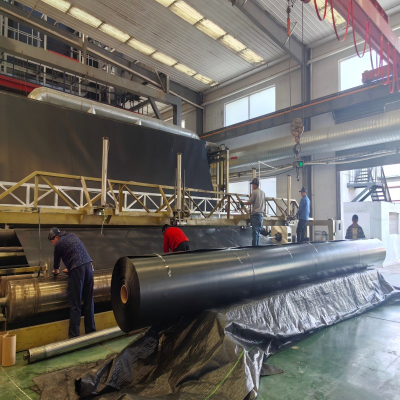
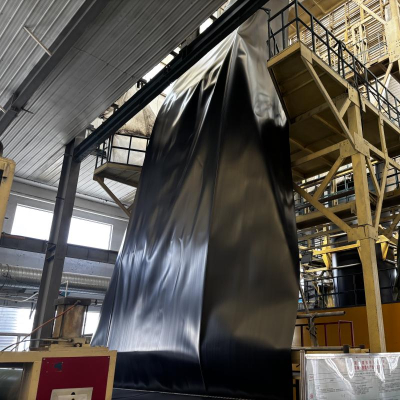
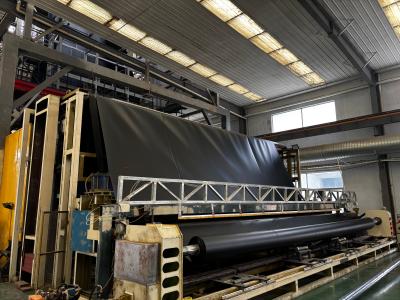
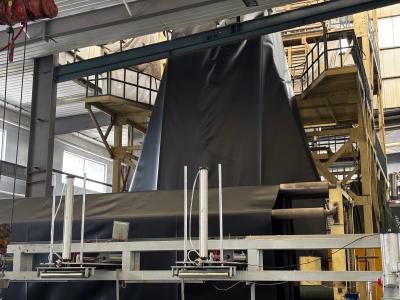
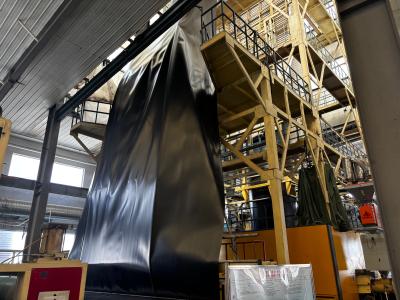
Calling an HDPE Geomembrane Liner "just plastic" is like calling a bulldozer "just a vehicle." The magic starts with the resin. Through a controlled extrusion process, we get a sheet with a tight, crystalline structure. What does this mean on-site? Incredible strength and a near-zero permeability rate. I've seen these liners hold back aggressive leachate in landfills and highly acidic mining solutions for over 20 years without breaking down. The best HDPE Liner Sheet formulations include premium carbon black and anti-oxidants, acting like sunscreen and armor against harsh UV rays and temperature extremes. This material science isn't accidental; it's the result of decades of field testing and refinement, making it the default choice for critical containment.
2. Holding Back Water: The Unseen Hero in Dams & Reservoirs
Talk to any water resource manager in a drought-prone region, and they'll tell you: every drop counts. This is where HDPE Dam Liners prove their worth. We're moving beyond traditional clay seals, which can crack and leak. Installing a robust HDPE Geomembrane Liner in a new irrigation pond or for rehabilitating an old, seepage-prone dam creates a guaranteed water-tight seal. On a recent project in Arizona, a 1.5mm textured HDPE Liner Sheet was deployed over a 50-acre reservoir. The textured surface provided crucial grip on the slopes, preventing slippage. The result? Water loss from seepage dropped to negligible levels. For aquaculture, potable water storage, or decorative lakes, these HDPE Dam Liners are a straightforward solution to a costly problem—losing your water to the ground.
3. The Make-or-Break Factor: It's All in the Installation
Here's the hard truth from the field: a perfect HDPE Geomembrane Liner can be ruined by a bad installation. The process is a blend of art and hard science. First, crews meticulously prepare the subgrade—it must be smooth and free of rocks. Then, the panels are rolled out. The real critical step? The welding. Certified welders don't use glue; they use specialized hot wedge welders that fuse the sheets together molecularly. I always insist on dual-track seams. Why? Because the channel between the tracks allows for instant air-pressure testing. You get immediate proof that the seam is sealed. This rigorous approach transforms individual rolls of HDPE Liner Sheet into a single, monolithic barrier. Skipping on proper welding is the fastest way to ensure a future leak.
4. The Environmental Sentinel: Containing What Must Stay Put
Our planet's protection often relies on unseen barriers. In modern landfills, the primary HDPE Geomembrane Liner is the last line of defense between contaminated leachate and groundwater. Its chemical inertness is why it's also the top pick for lining secondary containment around fuel storage tanks. In mining, these liners handle aggressive process fluids in leach pads. But it's not just about big industry. Farmers use them for manure lagoons, and remediation teams use them to cap brownfield sites, isolating toxins. Choosing the right HDPE Geomembrane Liner here isn't just a technical spec; it's an ethical and legal responsibility. A failure can mean environmental damage and massive liability. That's why you never cut corners on thickness or quality for these applications.
5. Beyond Black: Tailoring the Liner to Your Specific Battle
Gone are the days of a one-size-fits-all black sheet. Today's projects demand—and get—custom solutions. Need more grip on a steep slope? Specify a textured HDPE Liner Sheet, which greatly enhances interface friction with soils and geotextiles. For exposed applications in hotter climates, a white-surfaced HDPE Geomembrane Liner can reflect sunlight, reducing thermal expansion and extending service life. Some projects even use conductive HDPE Dam Liners that allow for spark testing to pinpoint any tiny imperfections post-installation. The point is, you can now engineer the liner to match your exact site conditions, whether that's exceptional chemical exposure, challenging geometry, or extreme temperatures.
The Bottom Line
In the end, selecting a containment system boils down to risk management. The track record of the HDPE Geomembrane Liner is proven across thousands of global projects. It delivers a combination of chemical resistance, mechanical strength, and longevity that alternative materials struggle to match. Whether your priority is securing water with reliable HDPE Dam Liners or safeguarding the environment with a tough HDPE Liner Sheet, this material provides confidence. For engineers who need a barrier that works as hard as they do, the choice is clear. Do the job once, do it right, and build it to last.