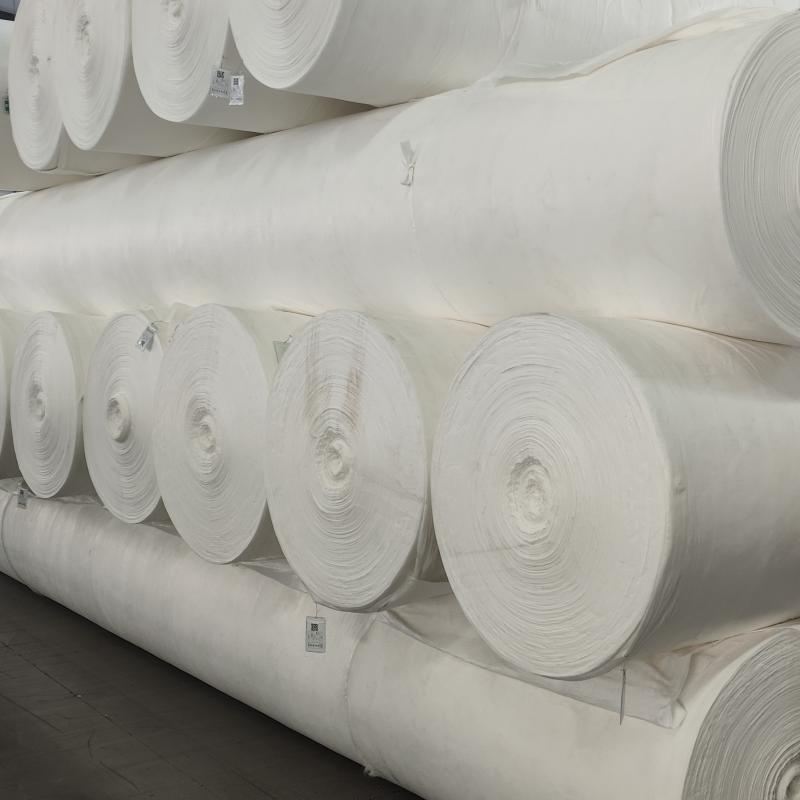
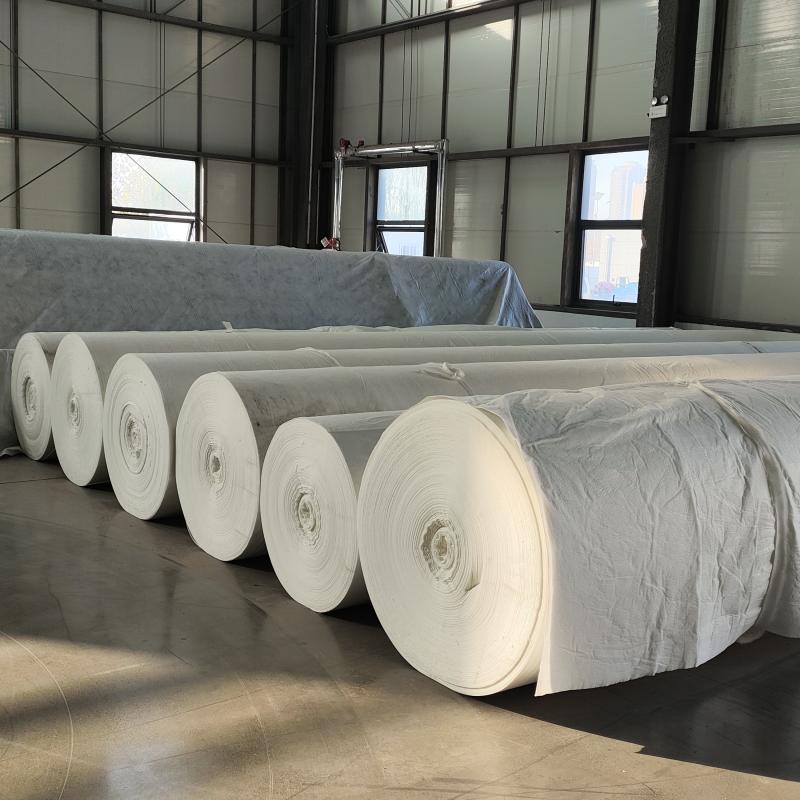
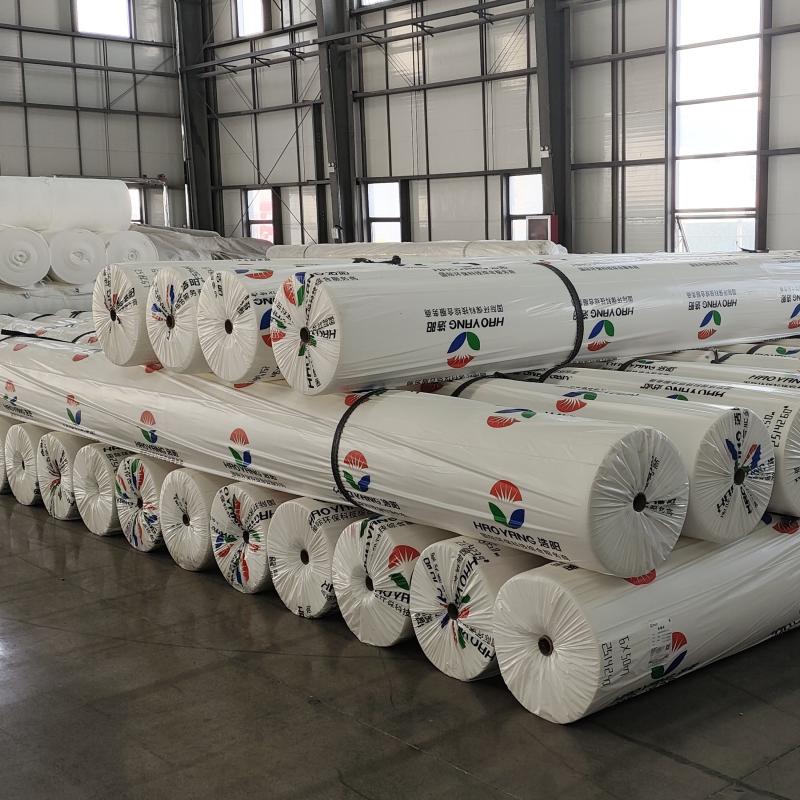
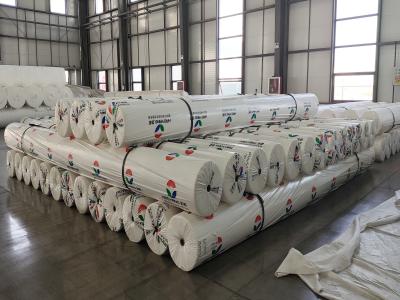
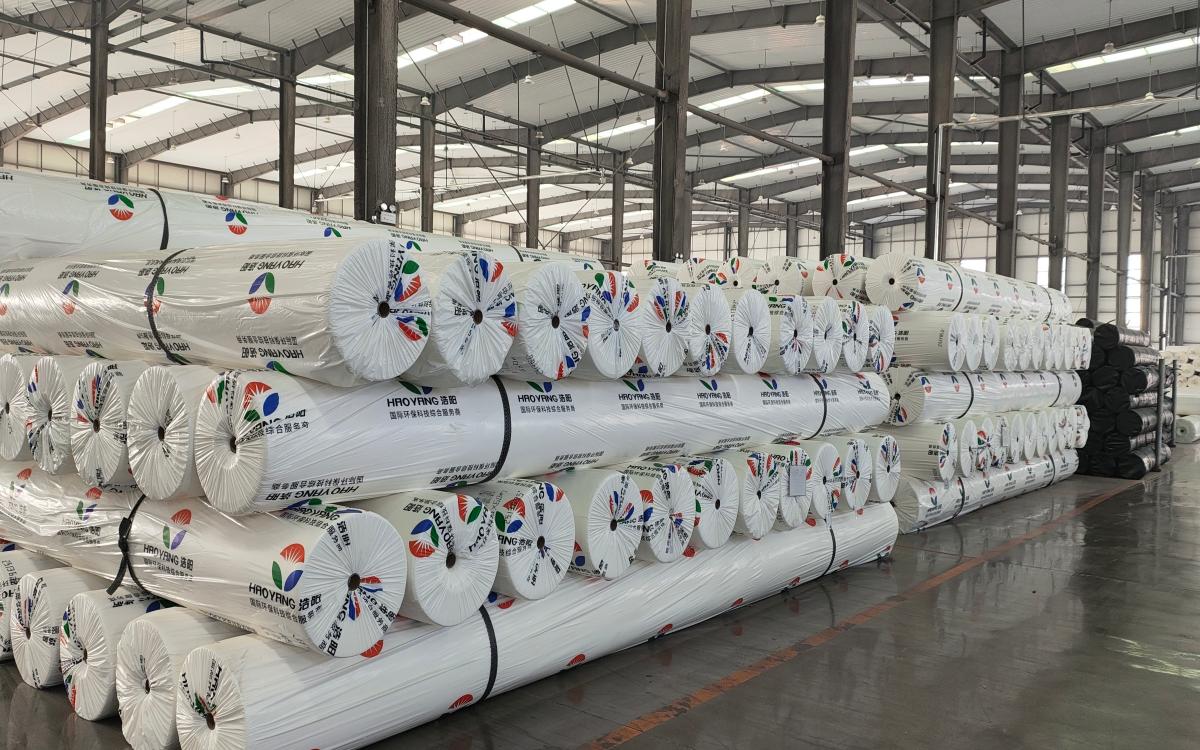
When engineers examine failed embankments or rutted access roads, the root cause often traces back to what lies beneath—or what should be there. Subsurface instability isn't just a construction challenge; it represents a fundamental flaw in material specification. For over two decades, our technical team has analyzed these failures, leading to a critical realization: geotextiles must be engineered not as commodity textiles, but as precision hydraulic and mechanical components. This insight drove the development of our Premium Polypropylene PP Geotextile Non Woven and Woven Options. Unlike standard products, this system was developed through iterative prototyping with civil engineering firms, resulting in fabrics that perform predictably under documented stress conditions. Each roll embodies a simple principle: when buried, it must function as an active, durable element of the soil matrix. As a certified Geotextile Filter China Manufacture, we maintain traceability from polymer batch to finished roll, ensuring what arrives on site matches laboratory specifications exactly. This commitment makes our Premium Polypropylene PP Geotextile Non Woven and Woven Options not just another material, but a verified component of your structural design.
Product Architecture: Two Performance-Engineered Systems
Consider this technical breakdown of how our system operates:
Hydraulic Performance Module (Non-Woven)
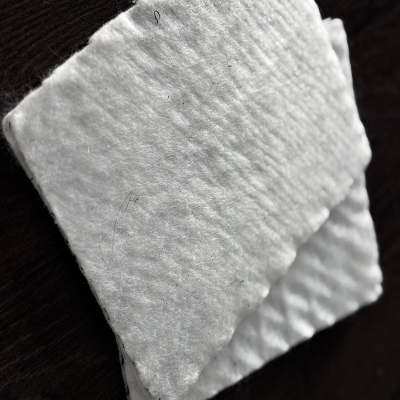
The PP Geotextile Non Woven functions as a calibrated filter. Through controlled needle-punch density and fiber orientation, we achieve a predictable pore size distribution (O90 range 0.08-0.15mm). In drainage applications, this creates a controlled interface where water permeates at rates exceeding 0.1 cm/s while retaining over 95% of fine particles. This precision is why leading environmental engineers specify our material as Non Woven GeotextileFilter Fabric for Landfill China Supplier projects, where consistent long-term permeability prevents leachate system failure.
Mechanical Reinforcement Module (Woven)
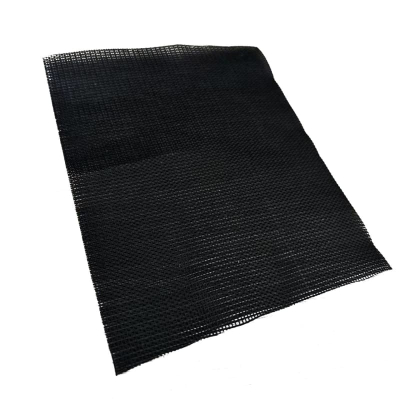
The woven variant operates as a tensile element within soil masses. Manufacturing with high-tenacity tapes creates a grid structure with modulus values exceeding 600 kN/m at 5% strain. In load tests, this configuration reduces vertical stress distribution angles by approximately 15 degrees, effectively creating a reinforced soil composite. The Geotextile PP in this form transforms marginal soils into structurally viable fill material.
Documented Performance Advantages
Third-party verification confirms these operational benefits:
1.Service Life Extension: Accelerated aging tests (ASTM D4355) show our UV-stabilized formulations retain 85% tensile strength after 1500 hours of exposure. In practical terms, this translates to reliable performance during extended construction phases.
2.Construction Efficiency: Contractors report 18-22% faster installation rates compared to lower-modulus alternatives, attributable to consistent roll dimensions and reduced on-site handling issues.
3.Cost Optimization: Highway department studies indicate that proper specification of Premium Polypropylene PP Geotextile Non Woven and Woven Options reduces aggregate requirements by 30-40% in subgrade preparation, with documented savings exceeding $15,000 per lane-mile.
4.Compliance Assurance: Each shipment includes certified test reports from our ISO 17025 accredited laboratory, simplifying regulatory approval processes for public works projects.
Technical Specifications with Engineering Context
These parameters represent minimum values verified through our quality assurance program:
Specify 300 g/m² PP Geotextile Non Woven as a separation/drainage layer. Field instrumentation shows this configuration reduces pore pressure buildup by 60% compared to untreated sections.
Heavy Haul Road Construction:
Utilize woven Geotextile PP with minimum 100 kN/m tensile strength. Load testing demonstrates this increases California Bearing Ratio (CBR) values of soft subgrades by 2.5-3.0 times.
3.Moisture-resistant barriers inserted at roll core
4.GPS-tracked shipments with temperature/humidity monitoring
This system ensures our Premium Polypropylene PP Geotextile Non Woven and Woven Options arrive in the same condition they left our facility, regardless of destination climate conditions.
Manufacturing Infrastructure and Quality Verification
Our production methodology differs significantly from conventional textile manufacturing:
Polymer Processing: We maintain direct control from resin pellets to finished fabric. Each batch of polypropylene undergoes melt-flow index verification before production begins.
Production Monitoring: Real-time sensors track 14 parameters during needle-punching/weaving operations, with automated adjustment when measurements deviate beyond 2% tolerance limits.
Verification Testing: Beyond standard ASTM tests, we conduct:
1.Long-term creep testing (1000-hour duration)
2.Chemical compatibility screening with 12 common soil contaminants
3.Cyclic hydraulic performance under varying pressure gradients
As a Geotextile Filter China Manufacture, we maintain complete vertical integration—from raw material production to finished product testing—allowing us to guarantee specifications that others can only approximate. When you select our Premium Polypropylene PP Geotextile Non Woven and Woven Options, you're not purchasing a commodity; you're acquiring an engineered component with documented performance characteristics and full technical support throughout your project lifecycle.