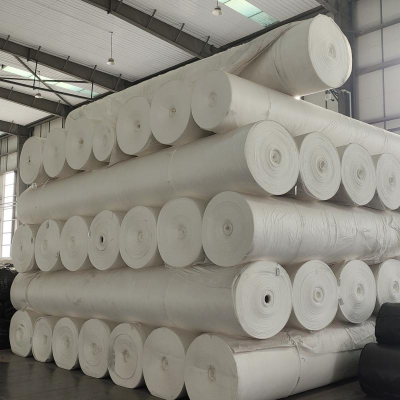
Let's talk about ground improvement. When you're dealing with soft subgrades or managing water within soil structures, you need a solution that works on two fronts: holding things together and letting water through. That's the exact dilemma our product line targets. This specific Polypropylene Geotextile for Soil Stabilization and Filtration is engineered for that dual mandate. It's not just a separator; it's a composite component. The goal is simple—lock soil particles in place to create a stable platform, while simultaneously providing a clear path for water to exit, preventing pressure buildup and saturation. For project managers and engineers, this translates to fewer material layers, simplified logistics, and a more predictable outcome. Sourcing this from a capable 3D Drainage Geotextile China Manufacture ensures you get a product built to consistent specs, where the Polypropylene Geotextile for Soil Stabilization and Filtration performance is baked into the manufacturing process from the start.
Core Product Attributes: What You're Actually Getting
So, what's in the roll? It comes down to polymer, process, and design intent.
First, the base material is non-woven Geotextile PP, made from continuous filament polypropylene. Why does this matter? This fiber type gives you higher tensile strength compared to staple fibers, which is crucial when the fabric is under tension between dissimilar soils. The continuous filaments also resist clogging better over the long term.
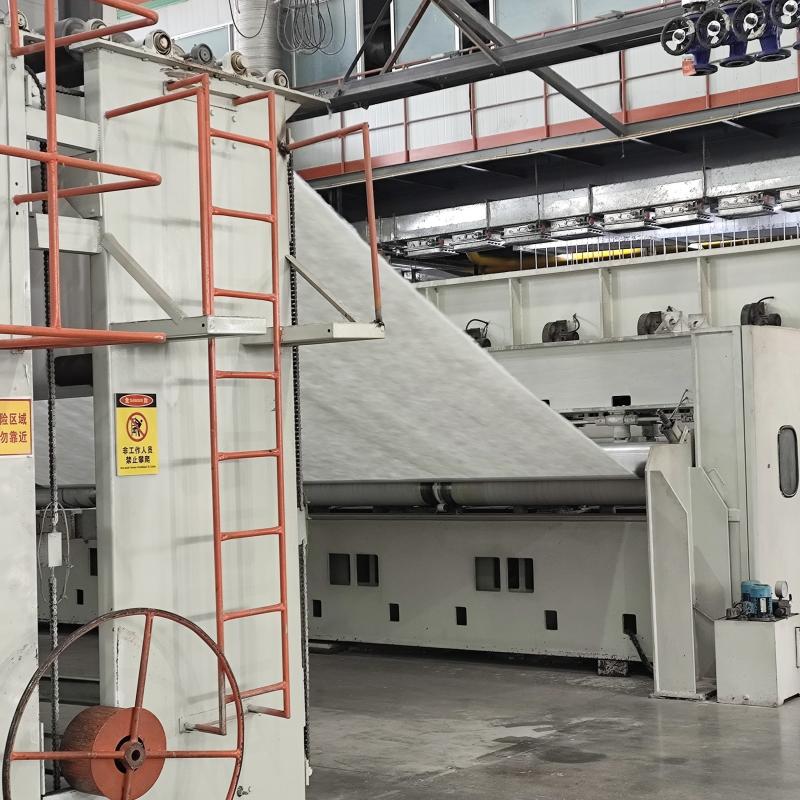
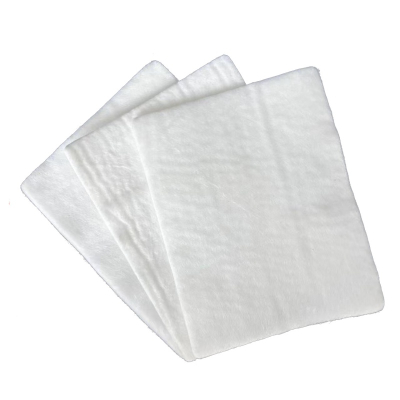
Then there's the structure. Through needle-punching, we create a defined thickness and porosity. This isn't a flat sheet; it's a three-dimensional mat. That thickness provides a physical cushion and separation distance, while the random fiber orientation creates a tortuous yet open path for water. It’s this 3D structure that qualifies our output from a true Geotextile Filter China Supplier.
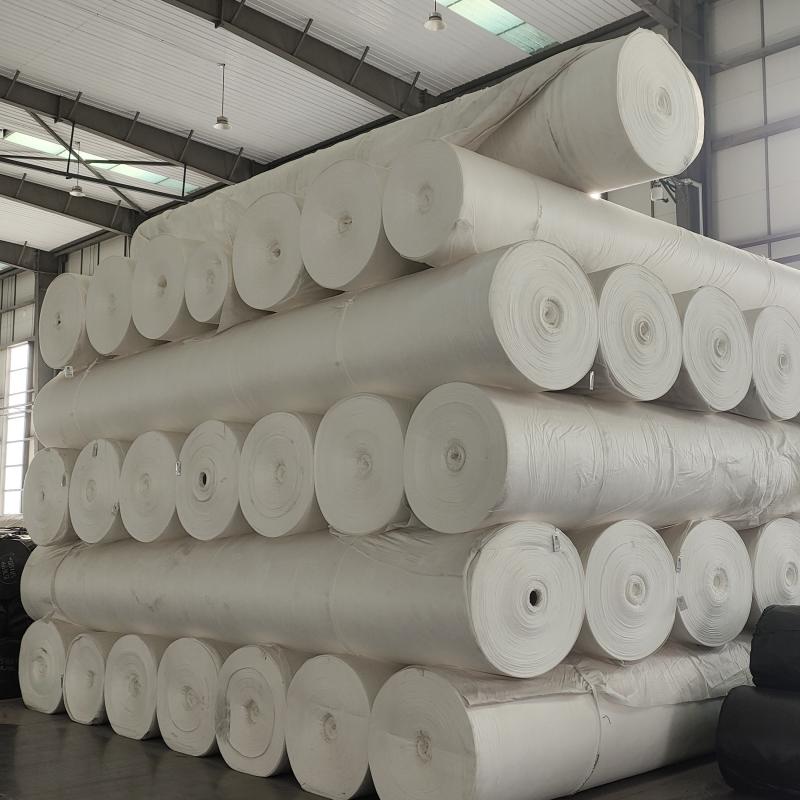
Finally, consider the practical format. The common Geotextile 6m roll width isn't an accident. It covers significant ground quickly, reducing the number of lateral seams—a potential weak point. This width is a workhorse for large-scale civil works, making deployment faster and more economical. When you order this Polypropylene Geotextile, you're getting a construction material optimized for installation efficiency.
The Tangible Benefits on Your Project Sheet
Let's move from features to real-world advantages. The primary benefit of using this Polypropylene Geotextile for Soil Stabilization and Filtration is the creation of a "working platform." On soft ground, simply unrolling this fabric before placing your first lift of aggregate can prevent rutting and mix-up. You gain immediate access for equipment, saving time and fuel. The stabilization function increases the effective bearing capacity, which can sometimes allow for a reduction in base course thickness—a direct cost saving.
The filtration function works hand-in-hand with this. By maintaining a clean interface between soil and aggregate, the drainage capacity you design for is the drainage capacity you keep. Water moves laterally within the fabric's plane, relieving hydrostatic pressure. This is critical behind retaining walls or in slope drains, where water pressure is the enemy of stability. Choosing the right Polypropylene Geotextile from a knowledgeable 3D Drainage Geotextile China Manufacture means you get a product with the correct pore size (AOS) to match your soil, ensuring it holds the soil but lets the water go.
Durability is another key point. Polypropylene is inert. It doesn't rot or degrade from soil chemicals. This means the design properties you specify—the tensile strength, the puncture resistance—are there for the life of the structure. You're not installing a temporary fix; you're installing a permanent structural layer.
Navigating the Spec Sheet: Key Parameters
You'll need to match the product to the project stress. Key specs to scrutinize include:
1.Mass per Unit Area: This is the weight (e.g., 200, 300 g/m²). Heavier typically means stronger and thicker, but it's not the only indicator.
2.Tensile Strength: Look for wide-width strip tensile values (ASTM D4595). This tells you how much load the Geotextile PP can take before it elongates or fails in-plane.
3.Puncture Resistance: The CBR test (ASTM D6241) simulates a stone pushing down. A high value means better survivability during installation under sharp aggregate.
4.Apparent Opening Size (AOS): This is the filtration gatekeeper. It indicates the approximate largest pore size. You need an AOS small enough to retain your specific soil particles.
5.Permittivity: This is the flow rate metric. It quantifies how much water can pass through the Polypropylene Geotextile for Soil Stabilization and Filtration under a given head.
6.Roll Dimensions: Standard Geotextile 6m widths by 50m or 100m lengths are typical. Confirm the total area per roll for your quantity take-offs.
Where It Goes: Standard Application Environments
This material finds its home in applications where separation and drainage are co-requisites.
Unpaved and Paved Roadways over Soft Ground: This is the classic use. The fabric is placed directly on the compacted subgrade. It stabilizes the soil, allowing for the placement of a thinner aggregate base without contamination. The filtration aspect keeps the base draining.
Drainage Trenches and Blanket Drains: Here, the fabric is used as a wrap around a pipe or aggregate drain. It acts as a filter, preventing the surrounding soil from migrating into and clogging the drain core. This is a filtration-dominant use where sourcing from a reliable Geotextile Filter China Supplier is critical for long-term performance.
Erosion Control Under Armor Layers: When placing riprap or concrete blocks on a slope, the fabric is laid first. It prevents soil loss through the rock voids while allowing subsurface water to seep out, reducing destabilizing pressure.
Landfill Drainage Layers: In leachate collection systems, the fabric protects drainage geonets or pipes from clogging by fine waste materials, ensuring the system continues to function.
Logistics and Supply Chain Considerations
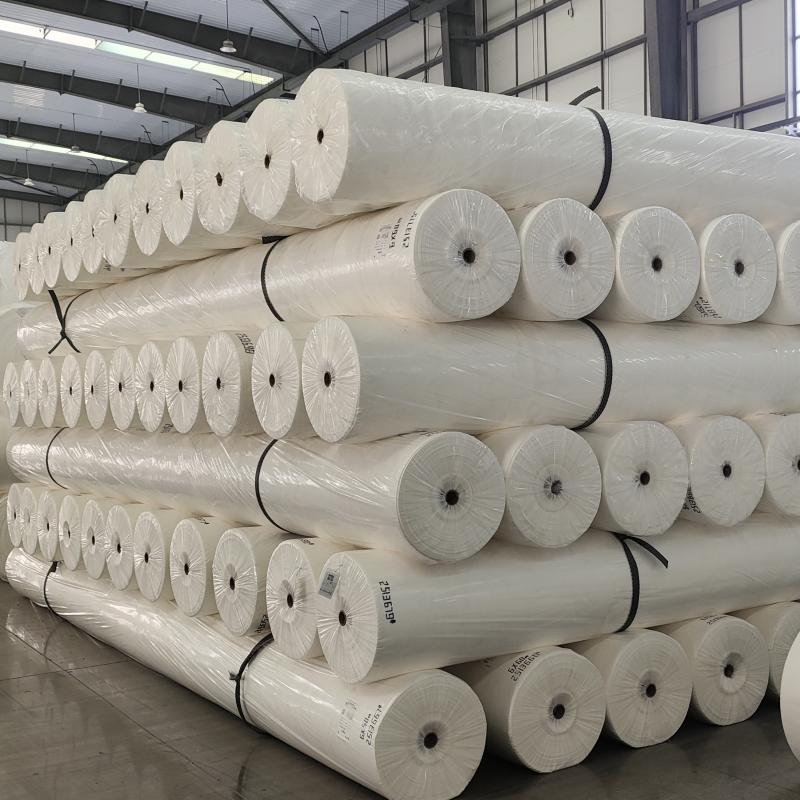
What happens after you specify it? Reliable delivery is part of the product. Rolls of Polypropylene Geotextile are typically shrink-wrapped in heavy-duty plastic for weather protection. Pallets are often banded for secure shipping. For international orders, working with an established 3D Drainage Geotextile China Manufacture with experience in export documentation and container loading is essential to avoid delays. They understand how to efficiently pack Geotextile 6m wide rolls to maximize container space, controlling freight costs.
Why Manufacturer Expertise Matters
The difference between a generic fabric and an engineered Polypropylene Geotextile for Soil Stabilization and Filtration often lies in the maker's depth. A specialist manufacturer doesn't just run a machine; they understand geotechnical principles. They can advise on whether a 200 g/m² or 350 g/m² fabric is right for your subgrade CBR value. Their quality control will test for the properties you design around, not just for basic weight. This technical support is the added value of partnering with a proficient Geotextile Filter China Supplier. They ensure the product you receive performs as the intended Polypropylene Geotextile for Soil Stabilization and Filtration system component, contributing directly to the integrity and longevity of your earthworks structure.