
Geosynthetics Industry Embraces Sustainable Innovation for Infrastructure Development
The global geosynthetics industry is experiencing transformative growth, driven by increasing infrastructure demands and environmental sustainability requirements. As a critical component in modern construction projects, geosynthetic materials are revolutionizing engineering practices while supporting greener development worldwide.

Expanding Market Opportunities
The geosynthetics market continues to expand across multiple sectors:
Transportation infrastructure (highways, railways, airports)
Water conservancy and flood control systems
Environmental protection projects
Urban development and underground construction
Industry analysts note particularly strong growth in emerging markets, where rapid urbanization and infrastructure investments are fueling demand for advanced geosynthetic solutions.

Technological Advancements Drive Innovation
The industry is witnessing significant technological breakthroughs:
Smart geosynthetics with embedded sensors for real-time structural monitoring
High-performance composites combining multiple functions in single materials
Eco-friendly solutions using recycled and biodegradable materials
Leading manufacturers are adopting Industry 4.0 technologies, including AI-driven production and digital twins, to optimize manufacturing processes and product performance.
Diversified Applications
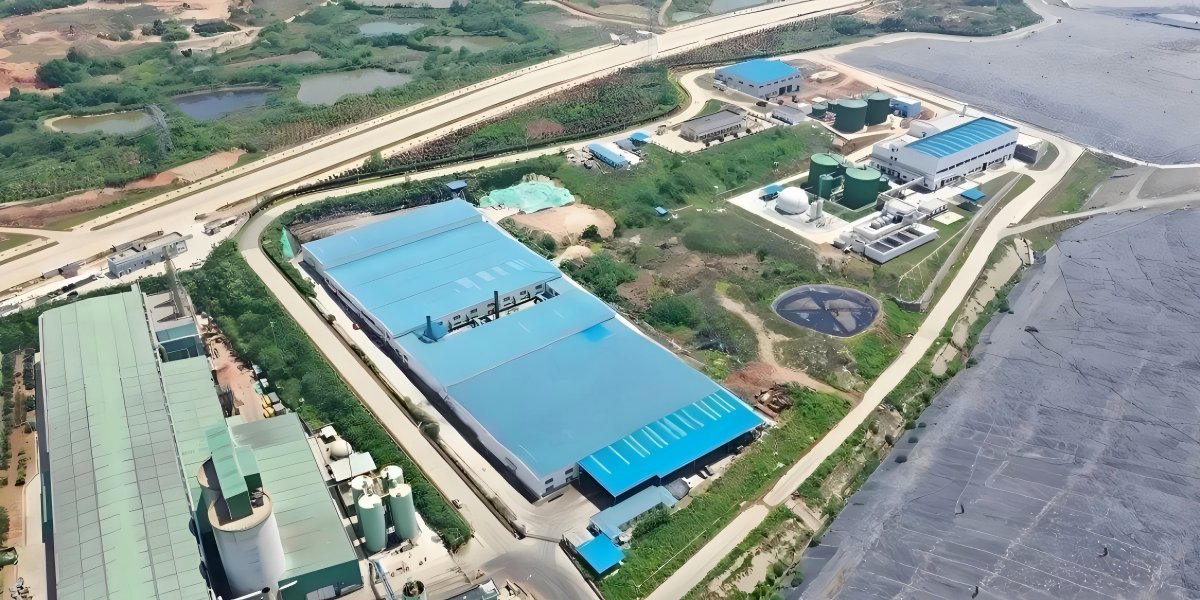
Geosynthetics are finding new applications beyond traditional uses:
Renewable energy projects (solar farms, wind turbine foundations)
Ecological restoration and mine reclamation
Climate-resilient infrastructure
Smart city development
Sustainability at the Core
The industry is prioritizing sustainable development through:
Circular economy initiatives (recycled materials, closed-loop systems)
Carbon footprint reduction strategies
Extended product lifecycles
Green certification programs
"Geosynthetics represent the perfect marriage of engineering performance and environmental responsibility," noted Dr. Michael Chen, President of the International Geosynthetics Society. "Our industry is committed to developing solutions that meet today's infrastructure needs without compromising tomorrow's resources."
Market Outlook
The global geosynthetics market is projected to exceed $30 billion by 2026, with a compound annual growth rate of 7.2%. Key growth drivers include:
Increasing infrastructure investments worldwide
Stricter environmental regulations
Climate change adaptation requirements
Technological advancements in material science
About Geosynthetics
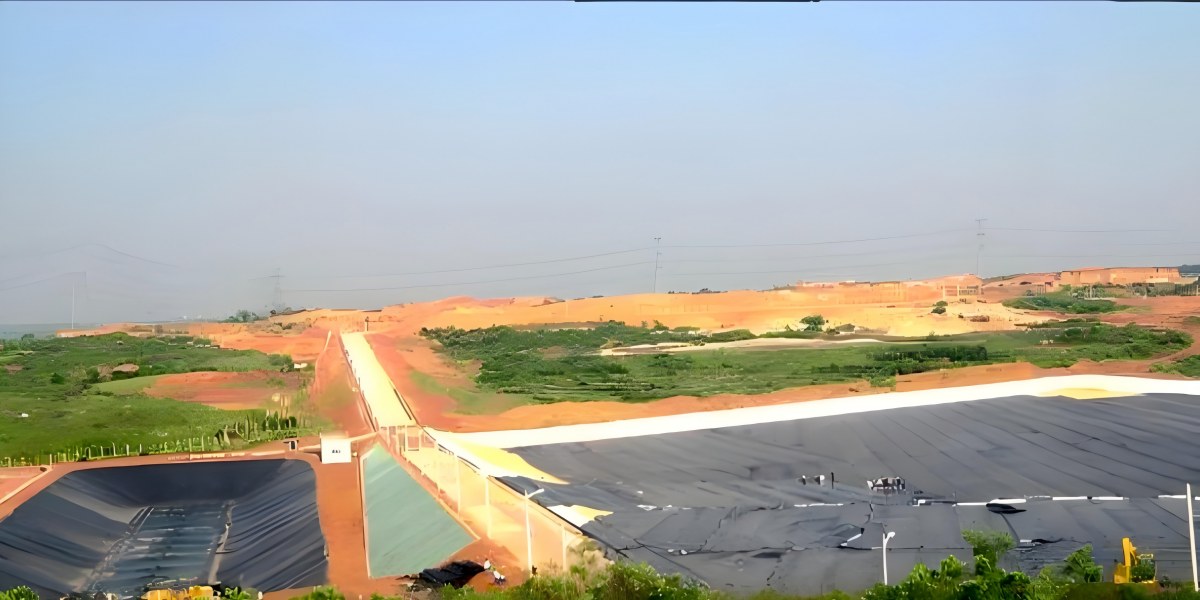
Geosynthetics are polymer-based materials used in civil engineering applications, including:
Geotextiles
Geomembranes
Geogrids
Geocomposites
Geosynthetic clay liners
These materials provide essential functions such as separation, filtration, reinforcement, protection, and barrier systems in construction projects globally.