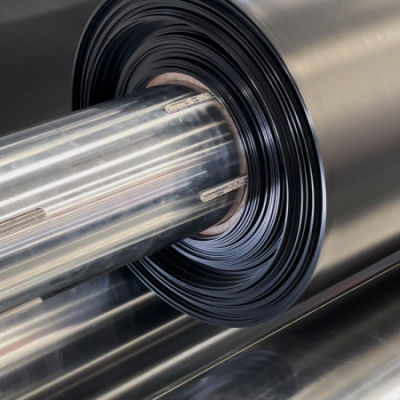
Walk onto any major construction site these days and you will likely see rolls of black fabric waiting to be installed. That material, often a 400g Non Woven Geotextile Fabric, has become as common on earthworks projects as excavators and compaction equipment. But here is what experienced contractors have learned through years of trial and error: not all geotextiles perform the same way once they are buried in the ground.
The 400g Non Woven Geotextile Fabric sits in an interesting spot within the geosynthetics family. It is heavy enough to handle serious jobs but remains flexible enough that crews can deploy it without specialized equipment. Unlike lighter fabrics that tear when aggregate gets dumped on them, this weight class actually stands up to construction realities. And unlike woven materials that prioritize strength over everything else, the nonwoven construction means water still moves through it freely.
Contractors who have been in the business for decades often keep rolls of this specific Geotextile Fabric on hand because it solves so many common field problems. When you hit unexpected soft spots during a road project, having this material available means you keep working rather than waiting for engineered solutions. When drainage trenches need wrapping, this weight provides the filtration needed to keep pipes clear for years.
The manufacturing process for 400g Non Woven Geotextile Fabric involves taking continuous synthetic filaments and essentially tangling them together through needle punching. Thousands of barbed needles punch through the fiber web, mechanically locking everything together. This creates a three-dimensional structure that traps fine particles while letting water pass through. It is fundamentally different from woven materials where yarns simply cross over and under each other.
Physical Characteristics That Matter in the Field
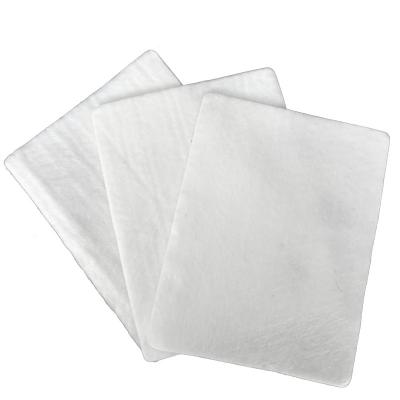
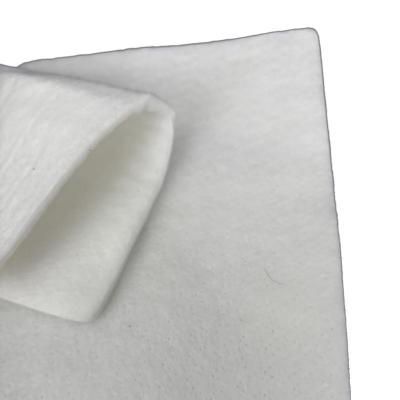
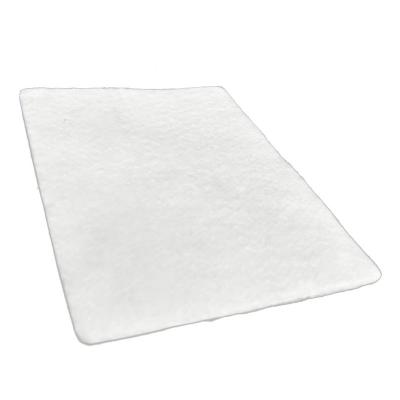
Installation crews notice things about 400g Non Woven Geotextile Fabric immediately upon unrolling it. The material has noticeable heft compared to lighter grades but remains flexible enough to conform to irregular ground surfaces. When you lay it over rough graded subgrade, it drapes into low spots rather than bridging across them. This conformity means the fabric actually contacts the soil everywhere, which matters for separation performance.
The thickness runs around 2.7 millimeters under standard pressure. That might not sound like much, but in geotextile terms it provides substantial cushioning between sharp aggregate and whatever lies underneath. When 3-inch minus rock gets dumped and compacted over this Geotex Fabric, the fibers compress but maintain enough structure to keep the rock from punching through.
Puncture resistance on quality 400g Non Woven Geotextile Fabric typically exceeds 2,100 Newtons in CBR testing. For context, that means the fabric can withstand significant point loads before failure. Contractors appreciate this during installation because it means less patching when equipment occasionally runs directly on the fabric before cover material gets placed.
The fabric also stretches under load rather than tearing abruptly. Elongation at break ranges from 25 percent up to 100 percent depending on the specific manufacturing process. This stretch capacity proves valuable when ground settles unevenly. The Geotextile Cloth simply deforms with the soil rather than rupturing and losing its separation function.
How Water Moves Through the Material
Here is where 400g Non Woven Geotextile Fabric really distinguishes itself from woven alternatives. The random fiber orientation creates a complex network of interconnected voids. Water finds paths through this matrix while soil particles get trapped at the fabric surface or within the outer layers.
The apparent opening size typically runs between 0.07 and 0.2 millimeters. Engineers select specific opening sizes based on the soil they are protecting. Finer soils require smaller openings to prevent piping, while coarser materials can tolerate larger openings without losing fines. Reputable Geotextile Filter China Manufacture operations test each production run to verify that opening sizes match specifications.
Water flow rates through the fabric reach thousands of liters per minute per square meter under standard test conditions. In practical terms, this means the fabric does not restrict drainage. When installed behind retaining walls or around drainage pipes, water moves freely while soil stays put. This combination prevents the hydrostatic pressure buildup that causes so many wall failures.
The permittivity values typically fall between 0.5 and 2.0 per second. Engineers use these numbers when designing drainage systems to verify that the fabric will not become the flow bottleneck. For most soil conditions, the fabric actually has higher permeability than the surrounding soil, so drainage capacity depends on the soil rather than the geotextile.
Installation Realities from Jobsite Experience
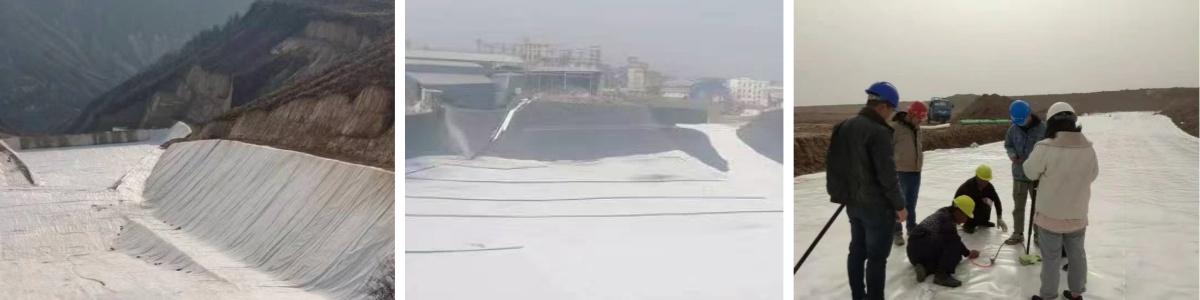
Experienced superintendents have learned specific tricks for working with 400g Non Woven Geotextile Fabric. The material unrolls easiest when the ground is relatively smooth. Large clods or sharp protrusions should get removed before placement because even heavy fabric performs better on prepared surfaces.
Overlap requirements typically run 30 to 50 centimeters depending on subgrade conditions. Soft ground needs more overlap because the fabric sections may shift during cover placement. Some specifications require sewing or thermal bonding for critical applications, but standard projects simply rely on weight of cover material to hold overlaps in place.
Cover placement matters tremendously. Dumping aggregate directly onto Geotex Fabric from trucks works better when you start at the far end and work backward. This technique means trucks always drive on already-placed cover rather than directly on exposed fabric. When equipment must travel on bare fabric temporarily, keeping turning radius wide prevents tearing.
UV exposure represents a real concern on extended projects. Quality 400g Non Woven Geotextile Fabric includes carbon black or other stabilizers that slow ultraviolet degradation. But "slow" does not mean "prevent." Most manufacturers recommend covering the fabric within 30 days of installation. Projects that leave fabric exposed for months risk strength loss before the material ever gets covered.
Common Applications Where This Weight Excels
Road construction probably represents the most frequent use for 400g Non Woven Geotextile Fabric. When weak subgrade soils threaten to pump up into aggregate base courses, a layer of this fabric maintains separation indefinitely. Roads built with proper geotextile separation show less rutting and require fewer overlays over their design life.
Railway applications similarly benefit from this material. Ballast must remain clean to drain properly and maintain track geometry. When fine subgrade soils migrate upward into ballast, drainage suffers and maintenance costs climb. The 400g Non Woven Geotextile Fabric placed between subgrade and ballast prevents this contamination year after year.
Drainage trenches consume enormous quantities of this material worldwide. Whether wrapping perforated pipe or lining the entire trench excavation, the fabric ensures that drainage aggregate stays clean. Without this protection, fines gradually clog aggregate voids and drainage capacity disappears. Property owners then face expensive trench replacement.
Retaining walls depend on Geotextile Cloth for both drainage and soil retention. When wall backfill gets placed, the fabric wrapped against the wall face prevents soil migration through wall joints. Meanwhile, water passes freely through to the drainage system at the wall base. Walls built without proper filtration often show staining and efflorescence where fines have washed through.
Erosion control projects along waterways use this weight class for bank protection. The fabric gets placed on prepared banks, then covered with riprap or other armor. Wave action and current cannot wash underlying soil away because the fabric retains it while allowing pressure equalization.
Working with Suppliers Who Understand the Product
Not all 400g Non Woven Geotextile Fabric comes from sources that truly understand how the material performs. The difference shows up in consistency from roll to roll, in the accuracy of test data provided, and in the technical support available when questions arise.
Established Geotextile Filter China Supplier operations maintain quality management systems that track production variables and catch deviations before material ships. They test each production run for mass per unit area, tensile strength, puncture resistance, and opening size. These numbers get shared with customers so engineers can verify that delivered material matches specifications.
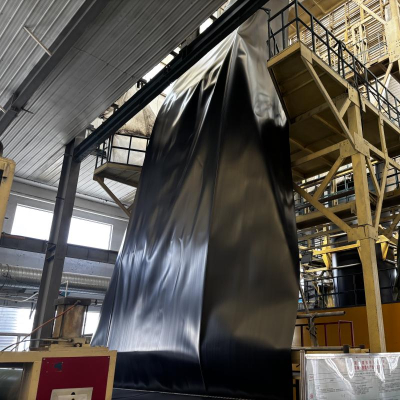
Manufacturing facilities capable of producing consistent 400g Non Woven Geotextile Fabric invest heavily in process control. Fiber blending must remain uniform throughout production runs. Needle punching density and depth require precise adjustment. Winding tension must be controlled to prevent roll distortion during storage and shipping. These details separate reliable suppliers from those offering inconsistent product.
Shipping logistics matter for construction timelines. When projects need material on specific dates, suppliers with established supply chains deliver consistently. They understand container loading to prevent damage during ocean transit. They coordinate with freight forwarders to clear customs efficiently. Contractors who have dealt with delayed shipments appreciate suppliers who understand international logistics.
Questions That Come Up During Specification
Engineers new to geotextiles often ask how long 400g Non Woven Geotextile Fabric actually lasts underground. The answer depends on installation environment and polymer quality. Virgin polypropylene properly buried in neutral pH soils shows minimal degradation over decades. Manufacturer warranties typically range from 5 to 20 years based on application criticality, but actual service life extends far beyond warranty periods.
Another common question involves recycled content. Some manufacturers now offer versions incorporating recycled polymers. These products reduce environmental footprint while maintaining adequate performance for less critical applications. For projects pursuing green building certification, recycled content options provide additional points while still functioning as intended.
Installers frequently ask about cold weather handling. 400g Non Woven Geotextile Fabric remains flexible at temperatures well below freezing, unlike some geomembranes that stiffen dramatically. This allows winter construction to proceed without special handling procedures. The material unrolls and conforms to subgrade even when temperatures drop significantly.
Specifiers also wonder about chemical resistance. The polypropylene used in most geotextiles resists acids, alkalis, and microbial attack common in soil environments. This chemical inertness means the fabric performs reliably in aggressive conditions including landfill leachate collection and industrial site remediation.
Making the Right Choice for Your Project
Selecting 400g Non Woven Geotextile Fabric requires matching material properties to site conditions. Soil characteristics drive the required opening size. Loading conditions determine necessary strength. Hydraulic conditions dictate permeability requirements. Working through these factors systematically ensures the specified fabric actually delivers what the project needs.
Projects benefit from consulting with manufacturers who understand both material properties and field performance. Experienced Geotextile Filter China Manufacture representatives can review project conditions and recommend appropriate specifications. They draw on years of application experience across diverse site conditions and project types.
Quality documentation matters when projects require verification. Reputable suppliers provide certified test reports from accredited laboratories. These reports confirm that the 400g Non Woven Geotextile Fabric delivered matches what the engineer specified. For critical infrastructure projects, third-party testing provides additional verification.
The investment in quality geotextile pays returns across the project lifespan. Structures protected by proper filtration avoid premature failure. Roads with separation layers require less maintenance. Drainage systems stay functional for decades rather than years. When construction budgets face pressure, experienced engineers know that cutting geotextile quality often leads to expensive problems later.
For your next project requiring reliable separation, filtration, or protection, consider how 400g Non Woven Geotextile Fabric from established manufacturers might address your specific challenges. The upfront cost represents a small fraction of overall project budget, while the performance delivered extends project life and reduces maintenance demands for years to come.