
The Global Geosynthetics Industry Ushers in a Golden Era of Development
Driven by the dual forces of sustained global infrastructure investment and green low-carbon transformation, the geosynthetics industry is experiencing unprecedented development opportunities. This new material sector, combining both engineering practicality and environmental benefits, has become a crucial pillar supporting modern infrastructure construction.
Broad Market Prospects
According to the latest industry research report, the global geosynthetics market size exceeded $20 billion in 2023 and is projected to maintain a compound annual growth rate of 7.2% until 2030. This growth is primarily driven by demand from three major sectors:
Transportation Infrastructure: The demand for geogrids, geotextiles and other materials continues to rise in major projects like highways, railways, and airports. Particularly in applications such as soft ground treatment and slope protection, the penetration rate of geosynthetics is rapidly increasing.
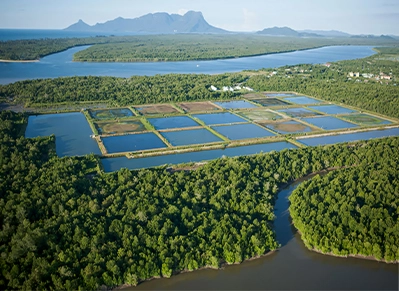
Environmental Engineering: With increasingly stringent environmental regulations worldwide, there's surging demand for high-performance geomembranes in landfill lining systems and industrial contaminated site remediation projects.
Water Conservancy Projects: Geosynthetics demonstrate unique performance advantages in flood control dams, river regulation, and reservoir construction.
 |
| Application of Geosynthetics Materials in Road Construction |
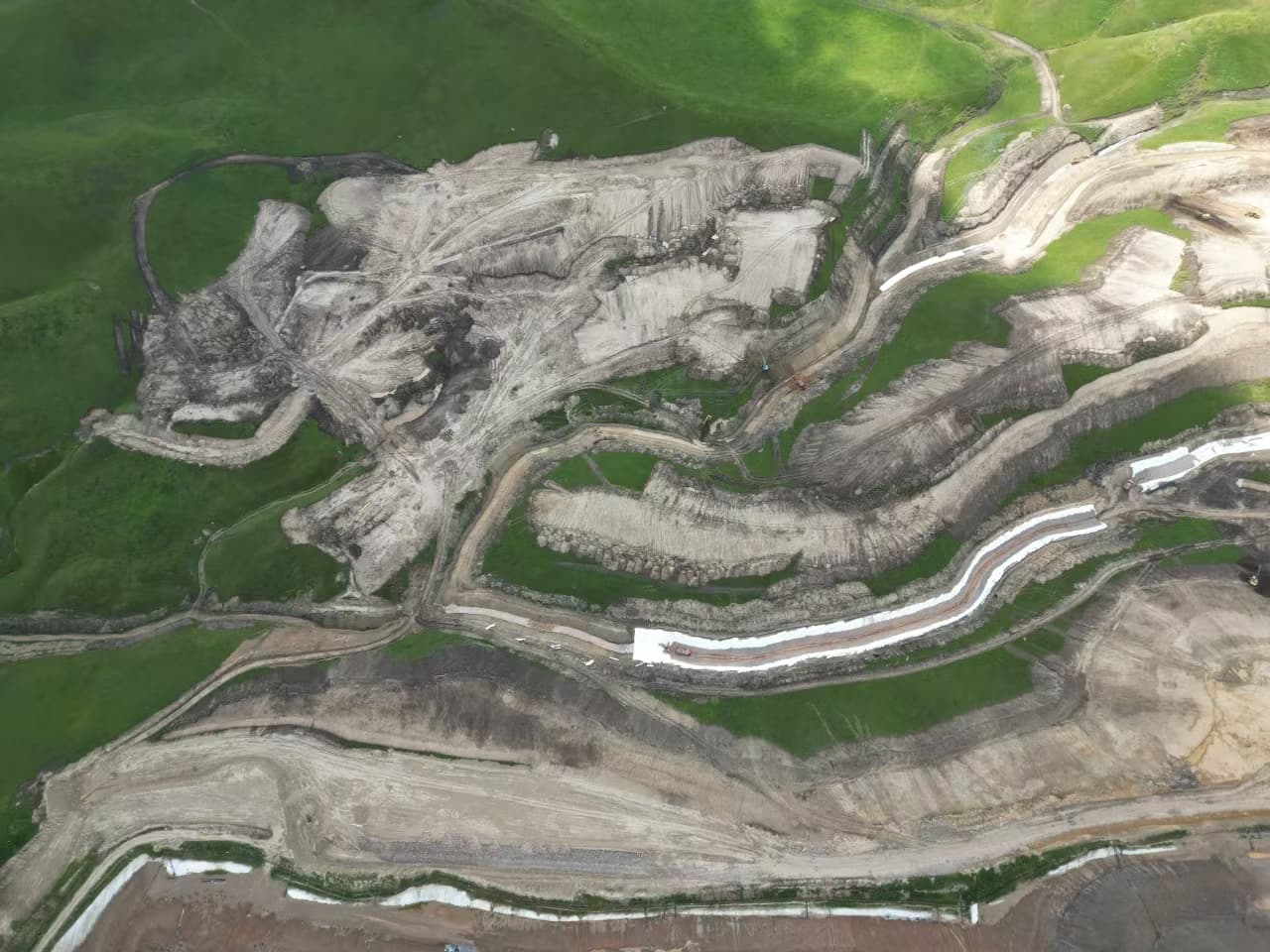 |
Application of Geosynthetics Materials in Environmental Engineering |
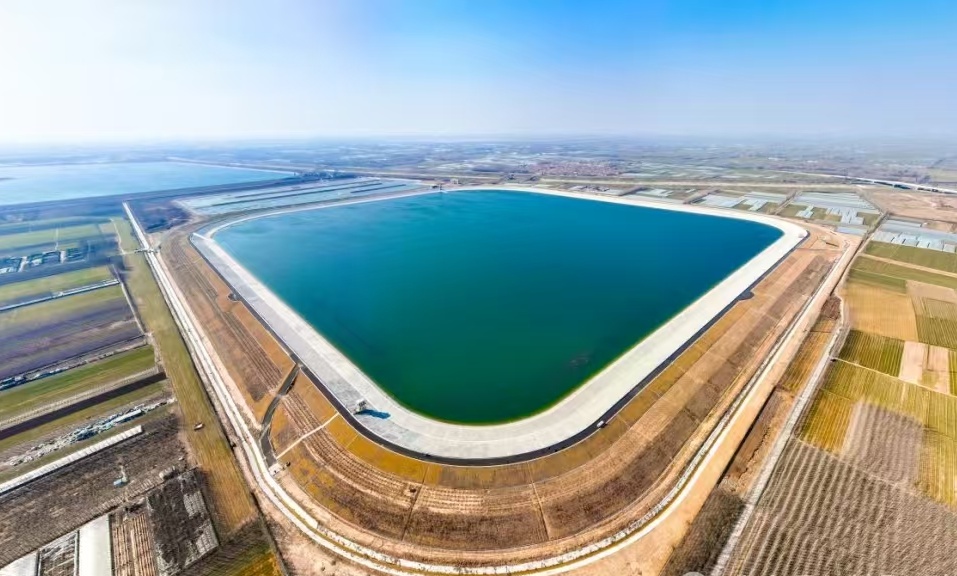 |
| Application of Geosynthetics Materials in Water Conservancy Projects |
Technological Innovation Drives Industry Upgrade
The industry's technological innovation is showing three major trends:
First is material compositing. New composite geosynthetics combine different functional material layers to achieve "multiple functions in one material," significantly improving engineering efficiency. For example, composite geomembranes with both anti-seepage and drainage functions have been widely applied in major projects.
Second is product intellectualization. By embedding smart components like optical fiber sensors, next-generation geosynthetics can monitor real-time deformation and leakage in engineering structures, ensuring infrastructure operational safety.
Third is green manufacturing. Industry leaders are actively developing recyclable and biodegradable eco-friendly products. Some enterprises have achieved 100% renewable energy usage in production processes, substantially reducing carbon emissions.
Differentiated Development in Regional Markets
From a regional perspective:
The Asia-Pacific region has become the fastest-growing market, primarily driven by infrastructure investment in emerging economies like China and India. Statistics show China's geosynthetics market already accounts for over 30% of the global total.
North American and European markets focus more on product upgrades and environmental performance, with increasing proportions of high-end products.
Africa and the Middle East are experiencing rapid growth in demand for basic geosynthetics as urbanization accelerates.
Challenges and Opportunities Coexist
Despite promising prospects, the industry still faces multiple challenges:
Fluctuations in raw material prices directly impact corporate profitability. The prices of main materials like polyester and polyethylene are significantly influenced by the crude oil market.
Inconsistent technical standards constrain industry development. Varying performance indicators and testing methods across countries increase market expansion costs for enterprises.
The talent shortage issue is becoming increasingly prominent. There's insufficient supply of interdisciplinary professionals proficient in both materials and engineering, becoming a critical constraint on corporate innovation.
Future Outlook
Looking ahead, the geosynthetics industry will demonstrate the following development trends:
Continuous expansion of application fields: Extending from traditional infrastructure to emerging areas like new energy and ecological restoration. For instance, applications in photovoltaic power station construction are growing rapidly.
Enhanced digitalization: Adopting BIM, digital twin and other technologies to achieve full-process digitalization from design to construction.
Popularization of circular economy models: Establishing comprehensive recycling systems to improve material recycling rates.
Industry experts indicate that with the continuous release of global infrastructure construction and environmental governance demands, the geosynthetics industry will embrace even broader development space. Enterprises with advantages in technological innovation, green production and market layout are expected to gain first-mover advantages in this industry transformation.