
Geosynthetics: Pioneering Advancements Drive Growth in a Green
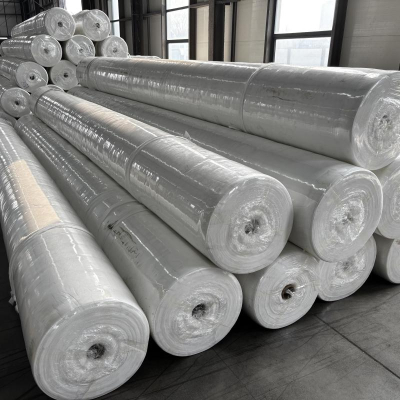
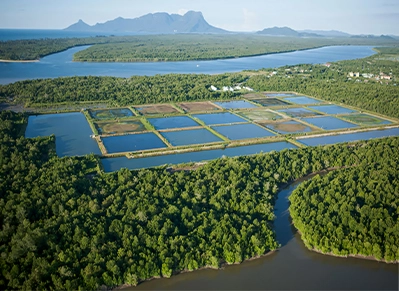
In an era where sustainable infrastructure and environmental protection are paramount, the geosynthetic materials industry is experiencing a surge of innovation and growth. These versatile materials, used for soil stabilization, water management, and environmental protection, are becoming increasingly crucial across various sectors, from civil engineering to renewable energy.
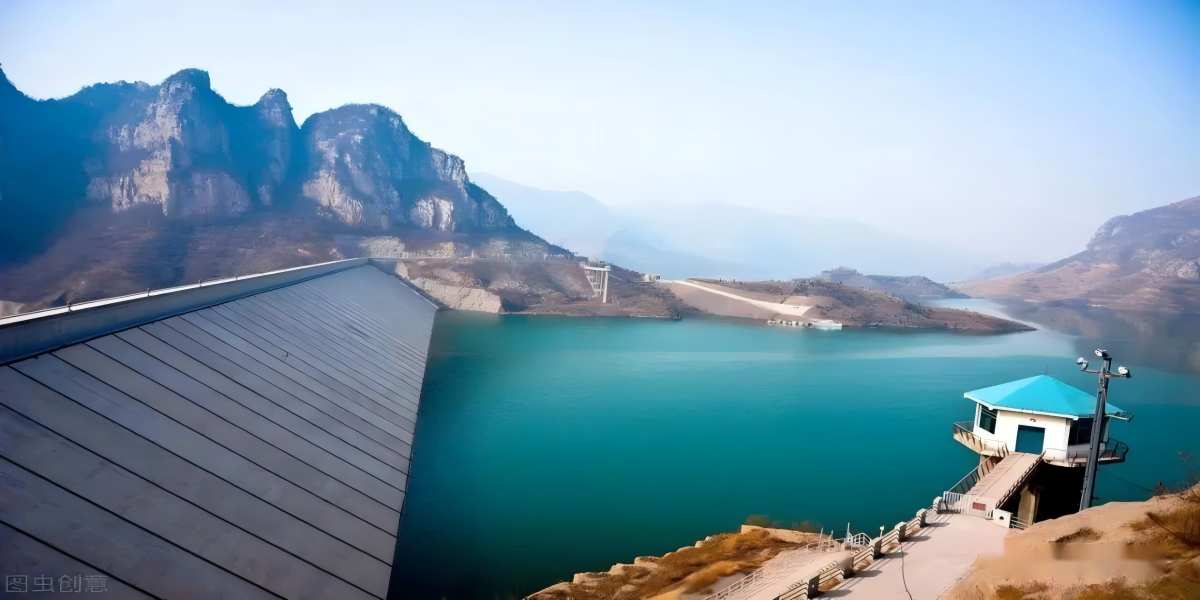
Recent advancements in geosynthetic technology have focused on enhancing durability, sustainability, and functionality. Manufacturers are leveraging advanced polymers and composite materials to develop products that can withstand harsher conditions while minimizing environmental impact. For instance, biodegradable geotextiles made from natural fibers are emerging as a sustainable alternative to traditional synthetic options, reducing the long-term ecological footprint of construction projects.
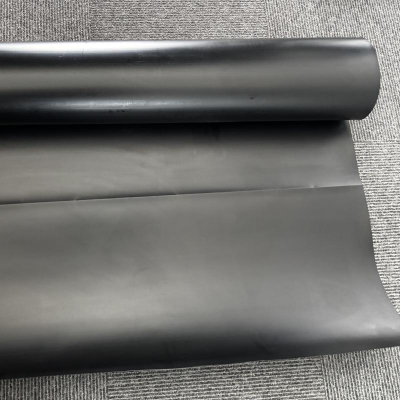
One of the most significant developments is the integration of smart features into geosynthetic products. Some companies are now producing geomembranes and geogrids embedded with sensors that can monitor factors like soil moisture, stress, and temperature in real-time. This data-driven approach enables more precise engineering, proactive maintenance, and improved safety in infrastructure projects, such as dams, roads, and coastal protection systems.
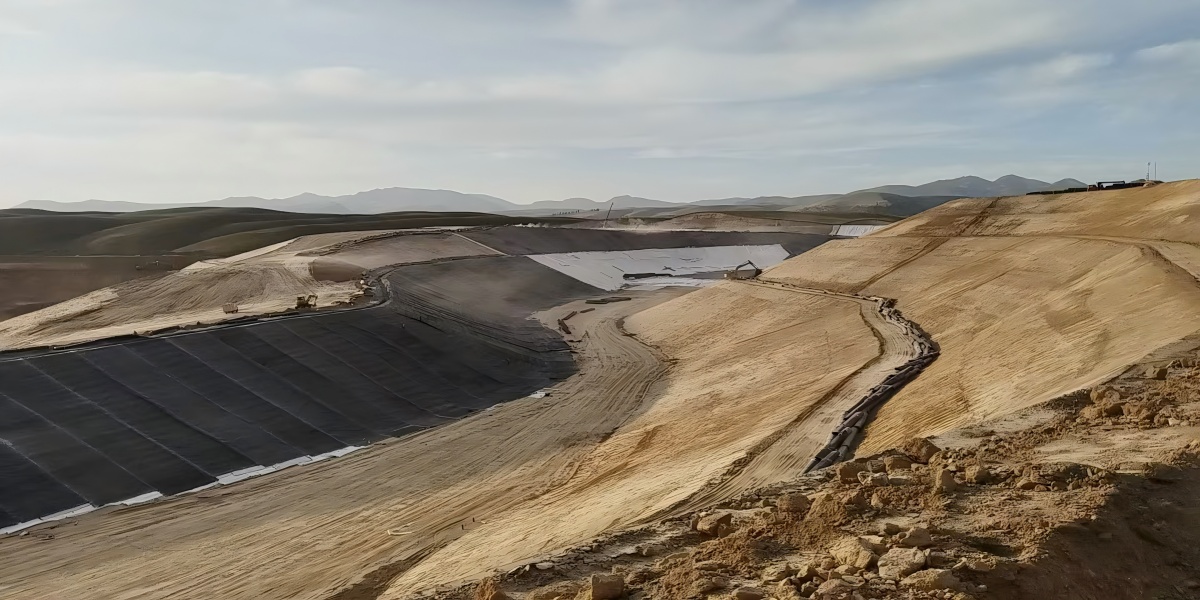
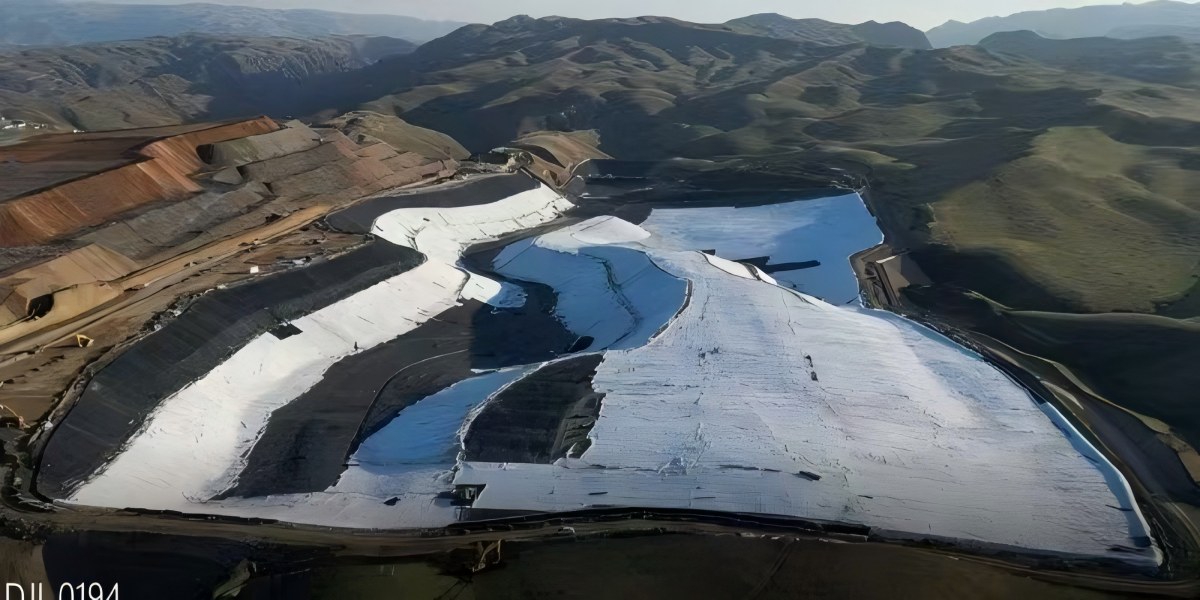
The demand for geosynthetic materials is also being fueled by the growth of renewable energy projects. In solar farms, geotextiles are used to control soil erosion and manage water runoff, while in wind energy installations, geogrids reinforce foundations to ensure stability. Additionally, in the booming hydrometallurgy industry, specialized geosynthetics like acid-alkali resistant geomembranes play a vital role in preventing hazardous material leakage and ensuring environmental compliance.

Industry experts predict that the geosynthetic materials market will continue its upward trajectory in the coming years, driven by urbanization, infrastructure development, and stringent environmental regulations. As governments worldwide invest heavily in large-scale projects, the need for high-performance, sustainable geosynthetic solutions will only intensify.

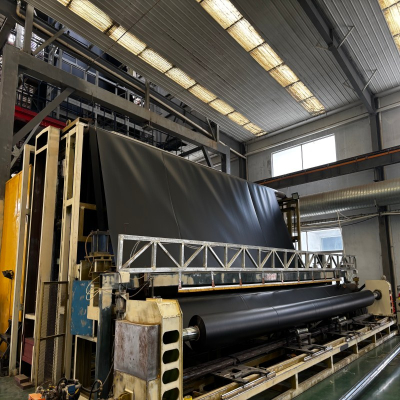
To stay competitive, companies in the industry are investing in research and development, forming strategic partnerships, and expanding their global footprints. With a focus on innovation and sustainability, the geosynthetic materials sector is poised to contribute significantly to building a more resilient and eco-friendly future for infrastructure development around the world.