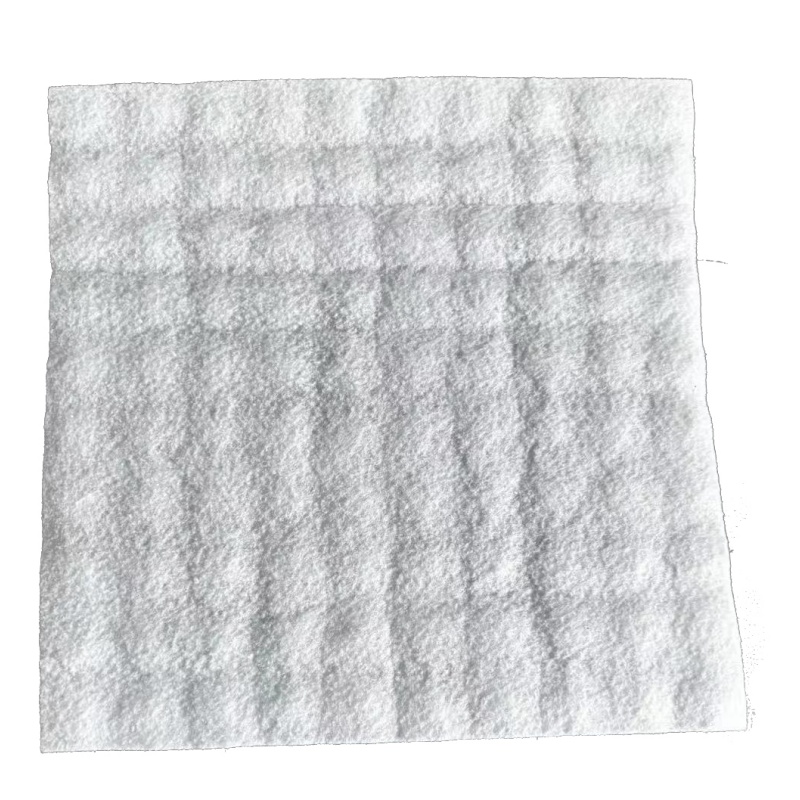
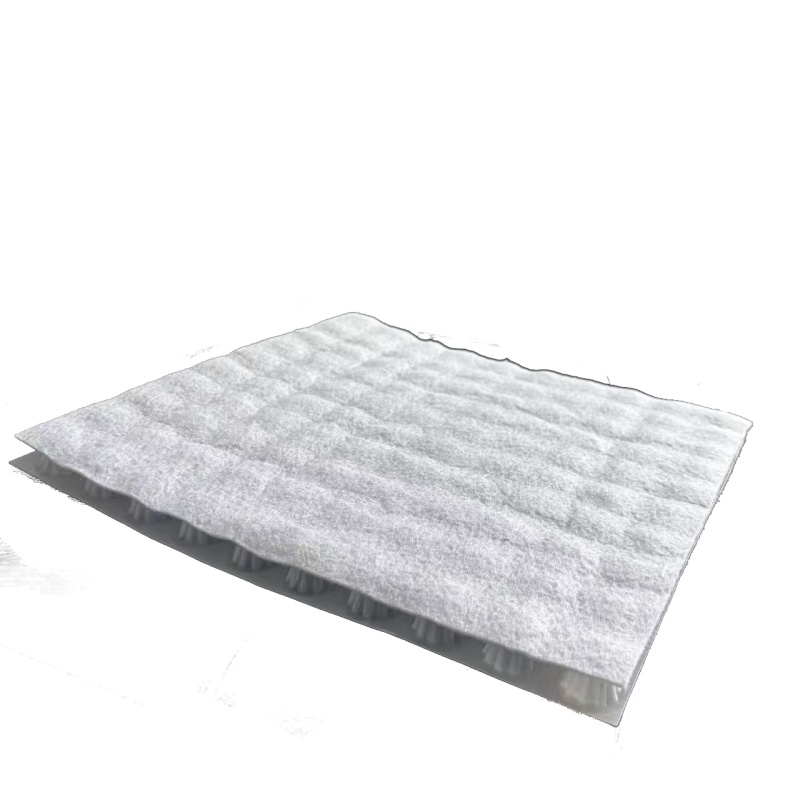
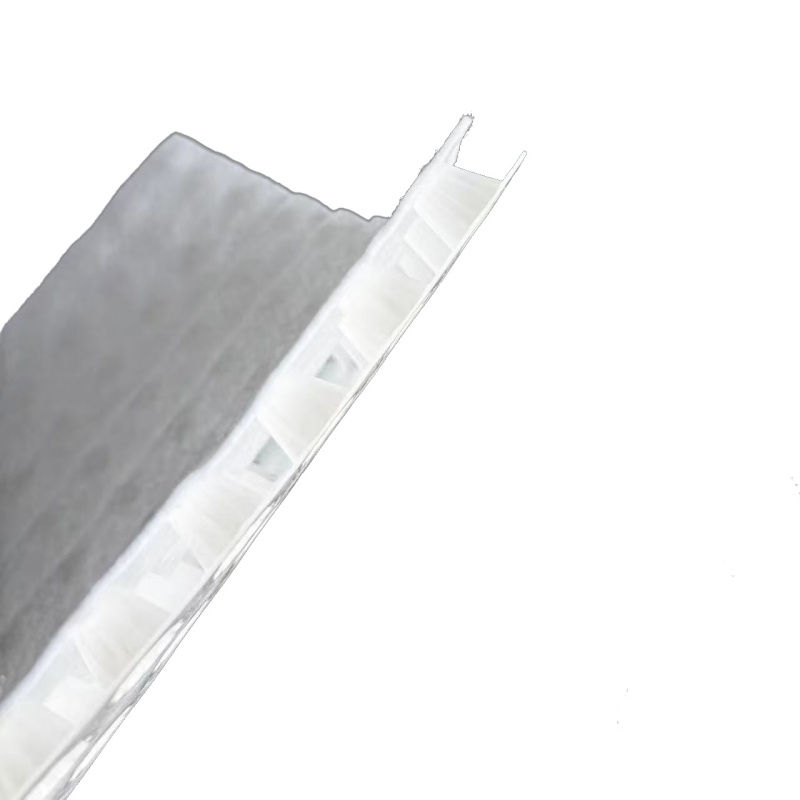
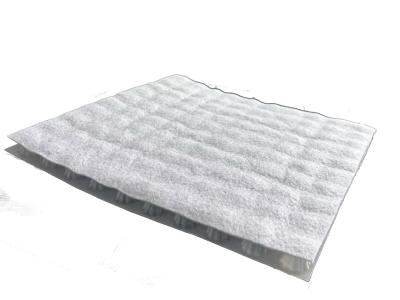
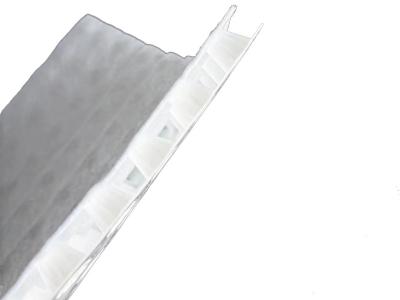
Let’s face it – managing underground water is one of the most frustrating parts of any build. The old way means endless tons of gravel, unpredictable labor hours, and fingers crossed that the compaction was right. Today, there’s a cleaner, more reliable alternative that’s changing the game: a high-performance PP Drainage Board. This isn’t a generic plastic sheet; it’s a precision-engineered 3D geocomposite drainage system. At its core is a rigid, open-geonet structure that acts like a built-in water highway, wrapped in a geotextile filter that keeps the soil out for good. For engineers tired of guesswork, this product delivers predictable, documented performance that outclasses older methods, including many traditional Hrainage Board options. If you’re looking for a drainage mat that works harder and installs faster, this is the detail worth specifying.
What You're Really Installing: A Factory-Built System
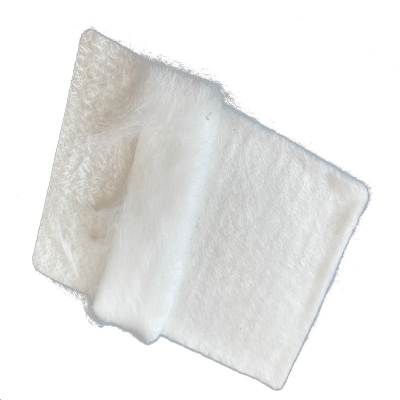
So, what exactly arrives on site? Picture a rugged, lightweight panel. Its backbone is a three-dimensional core made from polypropylene (PP), a polymer chosen for its toughness and chemical resistance. This core isn’t solid – it's a web of consistent channels designed to keep water moving under pressure. Fused directly to it is a non-woven geotextile. This fabric is the unsung hero: it’s engineered to let water pass through instantly while definitively blocking fine soils that cause clogs. In short, a single roll of PP Drainage Board gives you three critical jobs done at once: drainage, filtration, and protection. No more layering different materials and hoping they work together.
The On-Site Benefits That Change Project Economics
The specs look good on paper, but the real test is on site. Here’s what users are saying:
1.Strength That Won't Quit Under Load: A drain that collapses under backfill is worthless. The core geometry in a quality PP Drainage Board is built to resist crushing. On a recent hospital expansion in Ohio with over 12 feet of backfill, the project team used a 20mm board. Post-installation monitoring showed no loss of thickness, and the foundation drains handled several major storms without issue. That’s performance you can design around.
2.Material Science for the Long Haul: We use virgin PP resin because it’s inert. It laughs at acidic soils, alkaline conditions, and microbial activity. For a marine terminal project in the Pacific Northwest, this chemical inertia was a key spec point. They needed a drainage layer that would last as long as the concrete itself, without degrading from the salt-laden environment.
3.Labor Savings You Can Take to the Bank: This is the biggest conversation starter. "Switching from gravel to a rolled drainage mat system cut our foundation drainage time by 70%," shared a project manager for a mid-Atlantic home builder. "My crew rolls it out, cuts it, and fastens it. No heavy equipment, no compaction tests, and they leave the site clean." That time savings translates directly into lower costs and faster turnaround.
4.Clogging Protection, Built-In from the Start: The filter fabric isn’t an afterthought; it’s selected based on soil data. For a large warehouse development built on former agricultural land with silty clay, the engineering firm specified a board with a specific, high-flow geotextile. Two years later, an inspection camera showed the drainage cavity completely clear and functional.
5.Space is a Premium. Don’t Waste It: In tight urban sites, vertical space is money. For a luxury condo retrofit in Chicago, the design team gained critical inches of interior headroom by specifying a slim 3D geocomposite drainage panel for the podium deck instead of a bulky gravel bed. This allowed them to meet ceiling height requirements without costly structural changes.
The Hard Data: Typical Specifications at a Glance
For your submittals and calculations, here’s reliable data for a commonly specified grade (Series 300):
5.Flow Capacity (ik): ≥ 0.65 m²/s under 50 kPa load
6.Standard Roll: 2.0 m wide x 50 m long (100 m² per roll)
7.Want to Verify? Independent lab test reports (ASTM/ISO methods) are available for every production batch. We encourage engineers to review them.
Proven Applications: From Foundations to Green Roofs
This isn't a one-trick product. Its design solves water problems in dozens of details:
1.Foundation & Basement Walls: The classic, most trusted use. It creates a protected, high-flow drainage plane. A civil engineer in Florida, where water table is a constant concern, now specifies it as standard for all their custom home foundations, citing a dramatic drop in moisture-related callbacks.
2.Green Roof & Blue Roof Systems: Here, it’s about intelligent water management. At a new university library, the PP Drainage Board layer in the intensive green roof provides essential aeration and drainage for the soil, directing excess stormwater to controlled drains and protecting the roof membrane.
3.Behind Retaining Walls & Under Plaza Decks: Hydrostatic pressure is a silent wall killer. A DOT project in Tennessee used it behind a new sound barrier retaining wall along the highway. The engineer’s report noted it simplified construction and provided a verifiable, maintenance-free drainage layer.
4.Sports Fields & Landscaping: Even surface projects benefit. A premier golf course used it beneath a new putting green complex to ensure perfect subsurface drainage, preventing root rot and maintaining impeccable playing conditions year-round.
Packaging Designed for Real Job Sites
We know if it’s damaged on arrival, it’s a headache for you. That’s why our rolls are built to survive transit. Each one is wound on a solid core, sealed in a heavy-duty plastic wrap, and the ends are capped. Rolls are then palletized and cross-strapped. The labeling is clear and waterproof, showing product type, lot number, and key specs right on the side. Because the material is so lightweight, you often fit an entire project’s worth on one truck, slashing freight costs compared to aggregate.
Why Source from a Specialist Partner
Our focus is exclusively on advanced drainage and geocomposite solutions. This specialization means our team lives and breathes subsurface water management. We don’t just sell a product; we help you solve a problem. Our technical support can review soil reports and detail drawings to recommend the optimal product. When you have a tight deadline or a complex detail, that expertise makes all the difference. Choosing a dedicated supplier means you get a partner invested in your project’s success, not just an order number.
Straight Talk on Common Questions
Q1: Gravel is cheaper upfront. How does this pencil out?
Look at the total installed cost, not just the material price. With gravel, you pay for transportation, placement equipment, labor to spread and compact it, and the cost of over-excavation. The PP Drainage Board arrives as a finished system. A cost analysis for a 50-unit townhome project showed a 15% overall savings by switching to the board system, thanks to dramatically reduced labor and equipment time.
Q2: How is it terminated and tied into the drain tile?
The standard detail is straightforward. The board typically laps over the filter-socked drain pipe or is fitted into a prefabricated drainage channel. The key is creating a continuous path for water. We provide simple, clear detailing guides that crews can follow in minutes.
Q3: Is there a difference between a PP Drainage Board and an HDPE Drainage Board?
Yes, they are different material families. HDPE (High-Density Polyethylene) is very stiff and strong. PP (Polypropylene) generally offers superior flexibility and chemical resistance across a wider pH range. For most vertical wall and foundation applications where flexibility during installation and long-term chemical resilience are priorities, PP is often the preferred choice. The right one depends on the specific project loads and environment.
Q4: What’s a realistic lead time for a large commercial order?
For our core products, we maintain regional stock. Standard truckload quantities typically ship within 3-5 business days. For very large or customized projects, we work during the quoting phase to schedule production and ensure timely delivery that matches your critical path.
Q5: What’s the evidence this will last 50+ years?
Polypropylene is a remarkably stable synthetic polymer. When buried and protected from ultraviolet light, its material properties are not subject to biodegradation or significant chemical breakdown. Its use in critical geotechnical applications for decades provides a strong track record. It is designed as a permanent, maintenance-free component of the building envelope.