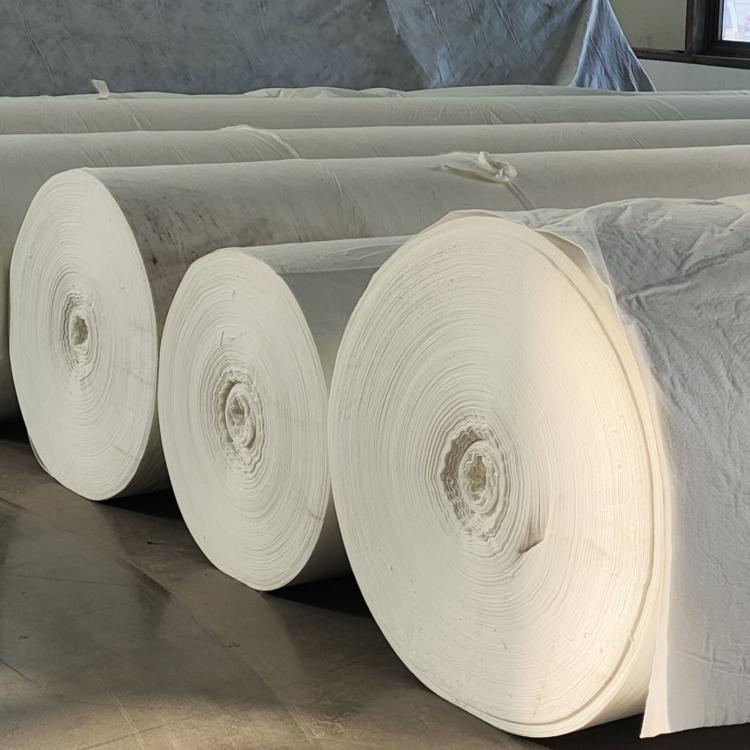
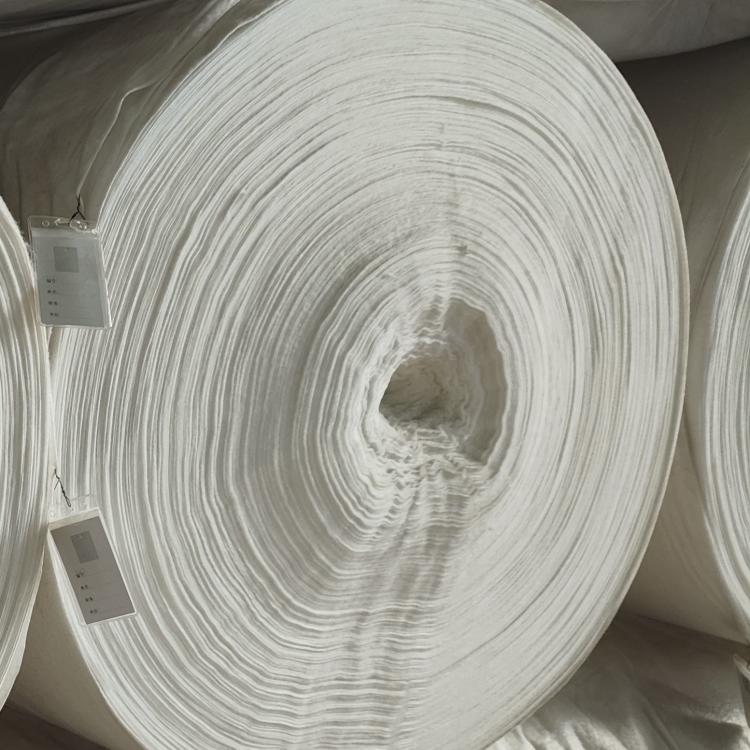
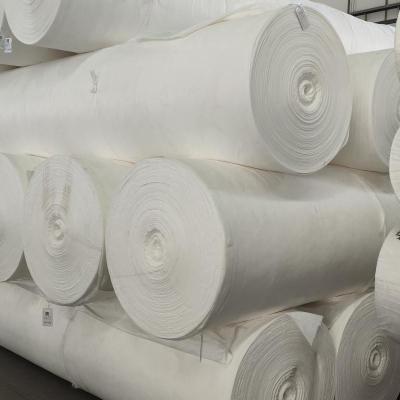
Some jobs require serious fabric. Lightweight materials tear under heavy aggregate. They puncture when trucks drive over them. They cannot handle the abuse of real construction sites. The Non Woven Geotextile 500 gr m2 is built for those jobs. Heavy enough to take the hits. Strong enough to separate and filter for decades. Thick enough to protect geomembranes from puncture.
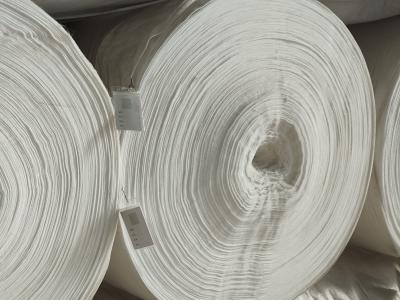
The Non Woven Geotextile 500 gr m2 starts as polypropylene fibers fed into a needle punch machine. Thousands of barbed needles punch through the fiber web thousands of times per minute, tangling the fibers into a dense, felt-like sheet. No glues. No chemical binders. Just mechanical locks that hold up under the heaviest loads. At 500 grams per square meter, this fabric has the mass to stay put and the thickness to absorb abuse.
What makes the Non Woven Geotextile 500 gr m2 different from lighter fabrics is what happens on site. It does not tear when rock gets dumped on it. It does not shift when equipment crosses it. It provides real separation between soft subgrade and heavy aggregate. For road construction, landfill liners, and railway ballast protection, this weight class delivers performance that lighter materials cannot match.
Product Features
Dense Needle Punched Construction: The mechanical entanglement gives the Non Woven Geotextile 500 gr m2 exceptional density. Fiber intertwining creates a thick, robust sheet that resists deformation under load. Heat bonded fabrics at this weight would be stiff and brittle. This one remains flexible enough to handle while providing serious protection.
High Puncture Resistance: CBR puncture values typically exceed 3.0 KN for Non Woven Geotextile 500 gr m2. This matters when sharp rock gets dumped directly on the fabric or when equipment tracks across it. Contractors who have patched torn lightweight fabric appreciate the difference.
Depth Filtration: The random fiber matrix traps soil particles throughout the fabric thickness. Lightweight nonwovens filter well. This heavyweight version filters even better because the thicker matrix provides more particle capture zones. The Geotextile 500 gr m2 keeps drainage stone clean for decades.
UV Stabilized: Carbon black in the polymer mix protects the fabric during installation. The Non Woven Geotextile 500 gr m2 can sit exposed for weeks without significant strength loss. For large projects where covering takes time, this matters.
Chemical and Biological Resistance: Polypropylene resists mold, mildew, and soil chemicals. The fabric buried under a road or landfill will not break down from biological activity or common soil acids.
Product Advantages
Takes Real Installation Abuse: Lightweight fabrics tear when rock gets dumped from height. The Non Woven Geotextile 500 gr m2 has the mass and puncture resistance to survive. CBR puncture values over 3.0 KN mean sharp aggregate stays on top of the fabric instead of pushing through. Crews spend less time patching and more time moving dirt.
One Layer Replaces Multiple Stone Filters: Graded filter systems for heavy applications need several layers of carefully selected aggregate. Each layer placed. Each layer compacted. The Non Woven Geotextile 500 gr m2 rolls out in minutes. One layer does what tons of stone used to do. The savings in material and labor pay for the fabric many times over.
Protects Geomembranes from Puncture: Landfill liners and pond liners need protection from the soil and stone placed above them. The Geotextile Road Fabric used under roads serves a different purpose. The Non Woven Geotextile 500 gr m2 provides cushioning that prevents sharp rocks from piercing the impermeable membrane underneath. This protective function is critical for environmental containment.
Prevents Subgrade Pumping Under Heavy Loads: Roads fail when soft subgrade soils pump up into the aggregate base under traffic. Lightweight fabrics help but can still deform. The Non Woven Geotextile 500 gr m2 has the strength and thickness to maintain separation even under heavy truck loads. Aggregate stays clean. The road structure stays intact.
Lasts Decades in the Ground: At 500 grams per square meter, this fabric has the mass to maintain its properties for decades. No UV underground. Stable temperatures. No biological breakdown. The Nonwoven Geotextile Fabric installed today will still be separating and filtering when the road needs its first major overlay.
Product Parameters
Parameter
Test Method
Typical Value
Weight
ASTM D5261
500 g/m² ±5%
Thickness
ASTM D5199
3.5 to 4.5 mm
Tensile Strength MD
ASTM D4595
≥15 KN/m
Tensile Strength CMD
ASTM D4595
≥15 KN/m
Elongation
ASTM D4595
40 to 80%
CBR Puncture
ASTM D6241
≥3.0 KN
Trapezoidal Tear
ASTM D4533
≥0.6 KN
Apparent Opening Size
ASTM D4751
0.10 to 0.18 mm
Permittivity
ASTM D4491
0.5 to 1.5 sec⁻¹
Flow Rate
ASTM D4491
1500 to 3000 L/min/m²
UV Resistance
ASTM D4355
≥70% retained at 500 hrs
The Non Woven Geotextile 500 gr m2 offers serious specifications. This is not a lightweight landscape fabric. These numbers reflect a material designed for infrastructure projects where failure is not an option.
Product Applications
Road Construction and Pavement Support: Place the Non Woven Geotextile 500 gr m2 between soft subgrade and aggregate base course. It prevents intermixing that compromises pavement structure. Roads built with this fabric maintain design thickness and load capacity for decades. State DOTs specify this weight for challenging soil conditions.
Parking Lots and Heavy Traffic Areas: Commercial parking lots see constant truck and car traffic. Subgrade pumping happens faster than on roads because loads are concentrated in smaller areas. The Non Woven Geotextile 500 gr m2 provides separation that keeps parking lots level and crack-free longer.
Landfill Liner Protection: Modern landfills use geomembranes to contain leachate. These membranes need protection from the drainage stone and cover soil placed above them. The Non Woven Geotextile 500 gr m2 placed directly over the geomembrane provides cushioning that prevents puncture. This application requires heavyweight fabric because sharp stone will be dumped directly on it.
Railway Ballast Protection: Train tracks sit on ballast that must remain clean to drain properly. Fine subgrade soils migrate upward into ballast without protection. The Geotextile 500 gr m2 placed between subgrade and ballast prevents this contamination. Railway engineers specify heavyweight nonwoven for high-speed lines and heavy freight routes.
Retaining Walls and Abutments: Tall retaining walls and bridge abutments need drainage that works for the life of the structure. The Non Woven Geotextile 500 gr m2 placed against the wall face and extending into drainage stone provides filtration that lighter fabrics cannot match. The extra thickness ensures decades of performance.
Erosion Control on Steep Slopes: Steep slopes need erosion protection that stays in place during heavy rain. The Non Woven Geotextile 500 gr m2 conforms to the ground and holds soil while vegetation establishes. The heavyweight construction resists lifting by wind or water during installation.
Geomembrane Protection in Ponds: Decorative ponds, stormwater detention ponds, and agricultural ponds all use liners that need protection. The Nonwoven Geotextile Fabric placed under and over the geomembrane prevents puncture from rocks in the subgrade and cover stone. The 500 gr m2 weight provides the cushioning needed for this demanding application.
Packaging and Transportation
Roll Widths: The Non Woven Geotextile 500 gr m2 comes in 1 meter up to 6 meters wide. Four meter and five meter widths are common for road projects because they match lane widths. Narrower rolls work for trench drains and specific applications.
Roll Lengths: Lengths run shorter than lightweight fabrics because of the weight. A 4x50 meter roll gives 200 square meters and weighs approximately 100 kilograms. Heavier than that becomes difficult to handle without equipment.
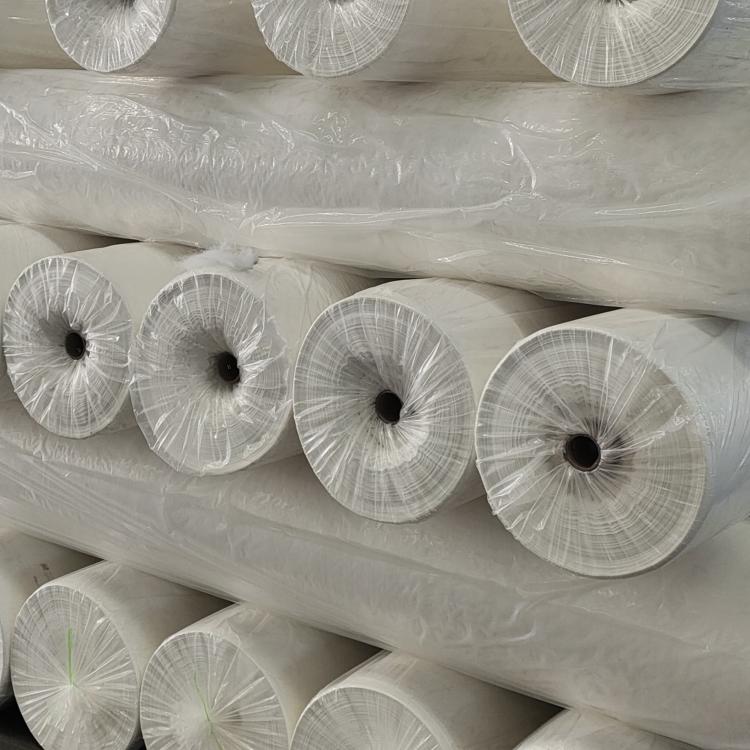
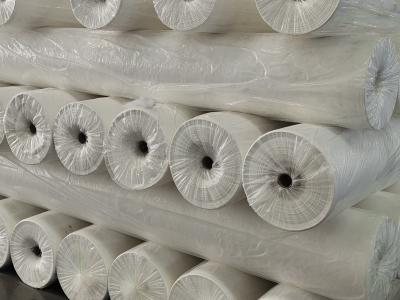
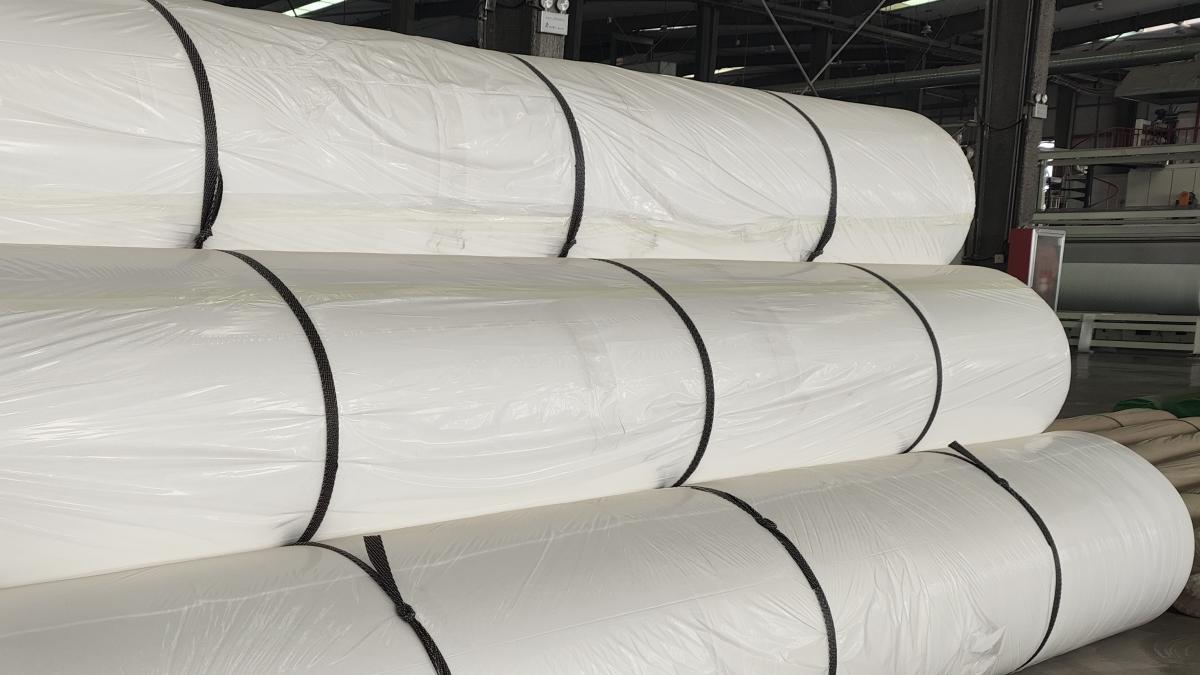
Packaging: Each roll winds onto a heavy duty cardboard core and gets wrapped in polyethylene film. Steel or plastic straps secure the wrap and provide lifting points. Labels show weight, dimensions, lot numbers, and handling instructions.
Palletizing: Rolls stack on pallets for shipping. Typical pallet loads run lower than lightweight fabrics because of the weight. Forklifts are required for handling at this weight class.
Container Loading: Export shipments go into 20 or 40 foot containers. A 20 footer holds about 3000 to 5000 square meters of Non Woven Geotextile 500 gr m2. Load plans account for the weight to keep containers within legal limits.
Storage: Keep rolls on pallets or other raised surfaces. Stack no more than two high due to the weight. Leave wrapping on until installation. Store indoors when possible. The UV protection buys time but heavy fabric should still be covered promptly.
Company Strength
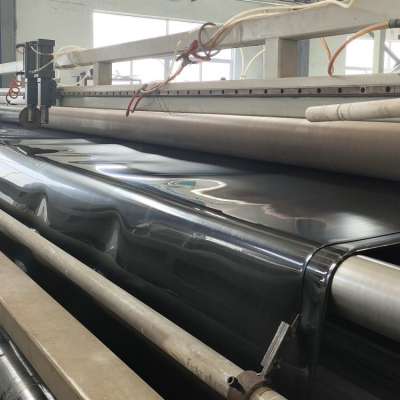
Production Capacity: Major manufacturers run heavy duty needle punch lines specifically for heavyweight fabrics. Daily output of Non Woven Geotextile 500 gr m2 requires specialized equipment that not every factory has. Leading producers maintain dedicated lines for this weight class.
Raw Materials: Top suppliers buy virgin polypropylene from major petrochemical companies. Consistent fibers mean consistent fabric properties. For heavyweight applications, recycled content is rarely used because performance requirements are too demanding.
Quality Testing: In house labs test every batch. Weight, thickness, strength, puncture, tear, opening size, flow rate. All must meet or exceed spec. Third party audits from SGS, Intertek, or BV provide additional verification for infrastructure projects.
Engineering Support: Geotechnical engineers on staff help customers with specifications and design. They understand DOT requirements, landfill regulations, and railway standards. This expertise prevents costly specification errors.
Project History: Established suppliers have track records on major infrastructure projects. Highways, airports, landfills, railways. References are available. Ask to see where the Geotextile Road Fabric and similar products have performed.
FAQ
Q: What does 500 gr m2 mean?
A: 500 grams per square meter. The Non Woven Geotextile 500 gr m2 weighs 500 grams for each square meter of fabric. This is heavy duty weight for infrastructure projects, not landscaping.
Q: Is this woven or nonwoven?
A: This is nonwoven, manufactured by needle punching. Geotextile Road Fabric can be either woven or nonwoven depending on the application. For filtration, drainage, and protection, nonwoven is the choice. For pure reinforcement under extreme loads, woven may be specified.
Q: Can I use this under my driveway?
A: Yes, but it may be overkill. A residential driveway typically needs 300 to 400 gr m2. The Non Woven Geotextile 500 gr m2 is designed for commercial roads, parking lots, and infrastructure. You can use it for a driveway, but you will pay for more fabric than you need.
Q: How does this compare to 200 gr m2?
A: The 500 gr m2 is more than twice as heavy. It has higher puncture resistance, higher tensile strength, and greater thickness. It costs more but handles much tougher conditions. Use 200 for landscaping and light drainage. Use 500 for roads, landfills, and railways.
Q: Can equipment drive directly on it?
A: Light equipment with wide tires may be acceptable if the Non Woven Geotextile 500 gr m2 is placed on a smooth subgrade. But best practice is to place cover material as soon as possible. For tracked vehicles or heavy trucks, always put down 150 to 300 mm of cover first.
Q: How much overlap between rolls?
A: 300 to 500 mm for separation applications. 600 to 900 mm for critical filtration or when used as cushion for geomembranes. On slopes, place upper roll over lower roll so water runs over the lap.
Q: How long can it sit in the sun?
A: About 30 to 60 days depending on UV intensity. The carbon black helps. But cover the Non Woven Geotextile 500 gr m2 as soon as practical. For landfill and road projects where covering takes time, plan installation in phases.
Q: Will this fabric work with all soil types?
A: Yes. The opening size around 0.10 to 0.18 mm retains most fine soils. For extremely fine silts or clays, heavier fabric with smaller openings may be needed. Consult a geotechnical engineer for unusual soil conditions.
Q: Is this suitable for Geotextile Road Fabric applications?
A: Yes, for roads that need filtration and separation under the aggregate base. For roads that need reinforcement of the base itself, a woven high strength fabric may be specified. Some projects use both: nonwoven for separation under the base, woven within the base for reinforcement.
Q: How long will it last underground?
A: 50 years or more. No UV exposure. Stable temperature. No biological breakdown. The Non Woven Geotextile 500 gr m2 installed in a road or landfill today will outlast the original design life of most projects.
For heavy infrastructure projects that demand real performance, the Non Woven Geotextile 500 gr m2 delivers. It is not the cheapest fabric on the market. It is the fabric that keeps working when lightweight materials fail. Contact technical support with your project specifications for recommendations on weight, opening size, and installation details.