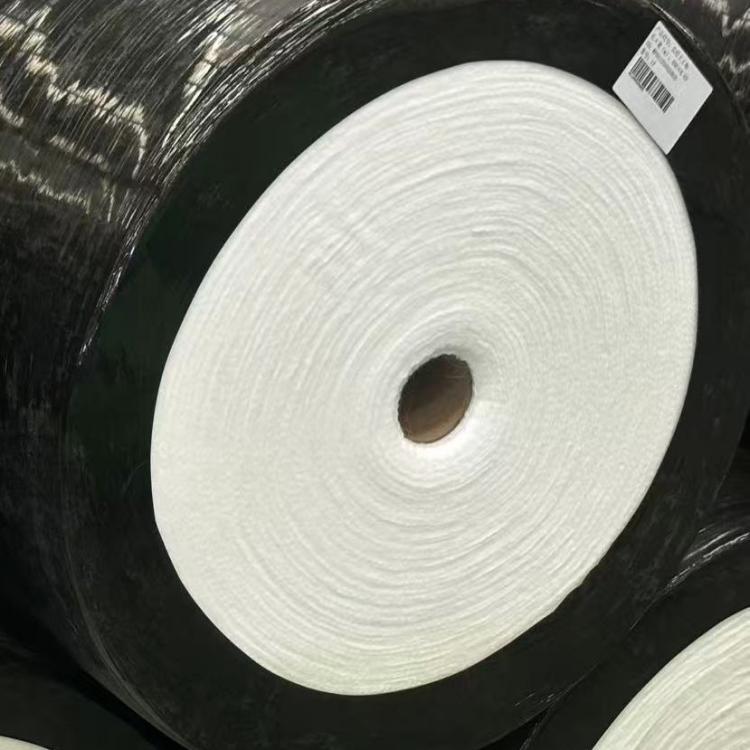
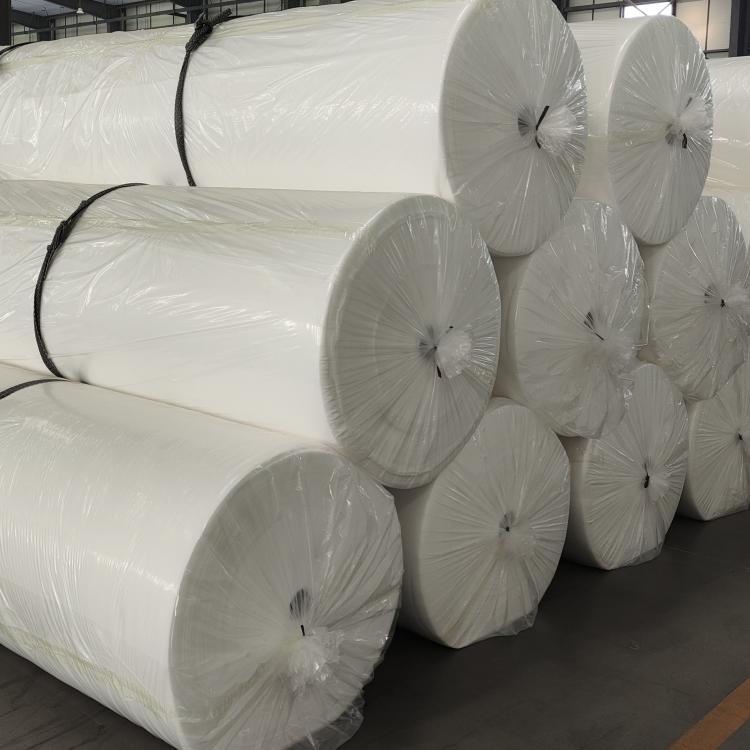
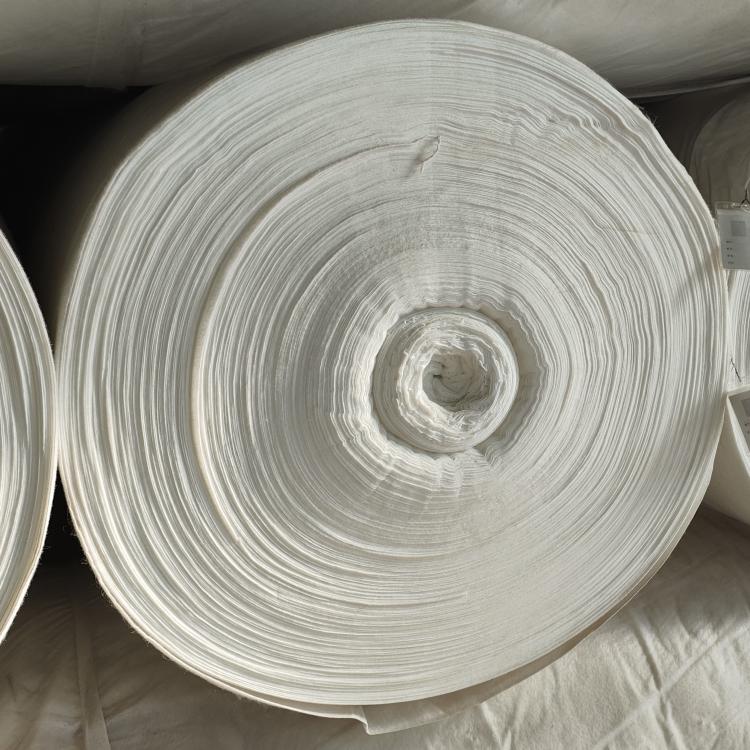
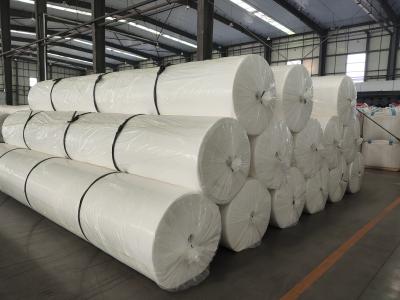
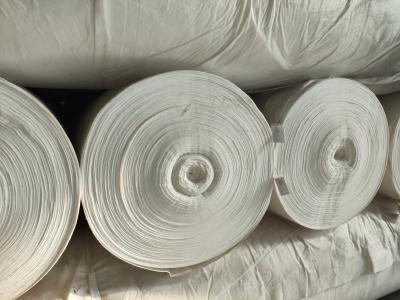
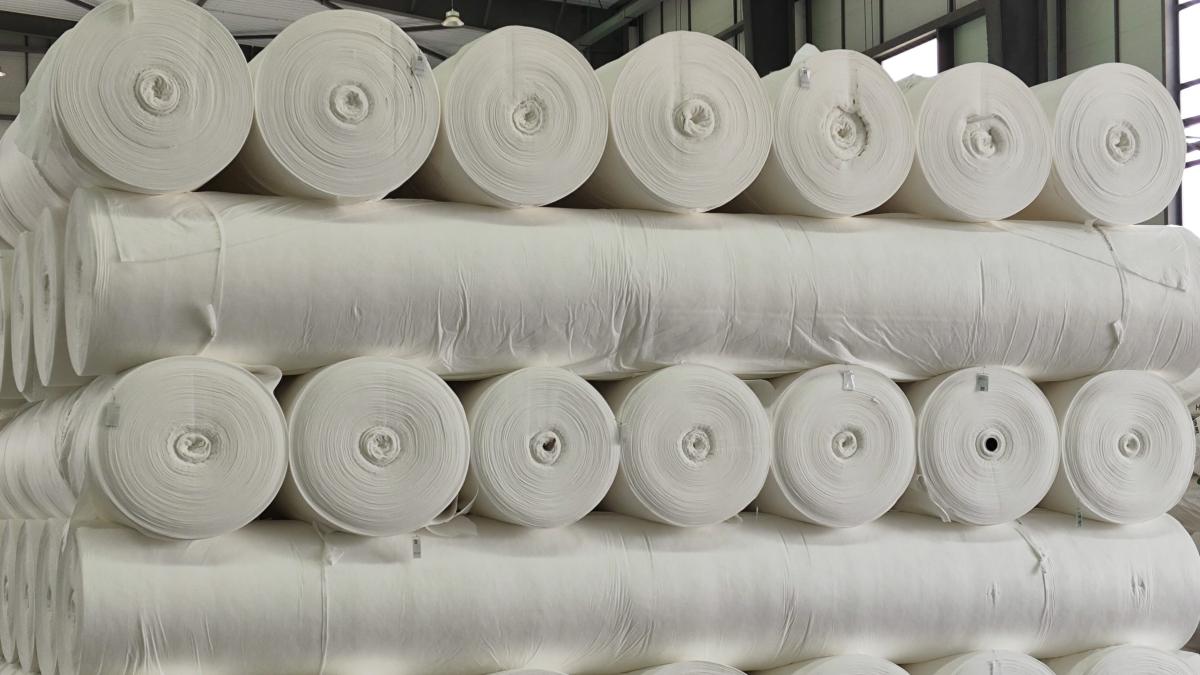
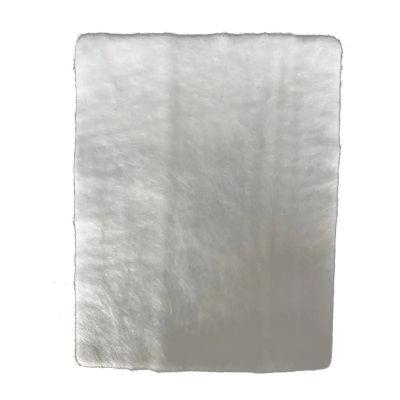
A roll of Non Woven Geotextile 180g m2 sits on most drainage and landscaping trucks. Crews grab it for French drains, weed barriers, walkway bases, and low walls. It handles the bulk of everyday jobs without overcomplicating things. Needle-punched polypropylene, mechanically tangled, no glues. Water moves through, soil does not. At 180 grams per square metre, the price stays reasonable and the performance holds up.
How is it made? Polypropylene fibres go through a needle punch line. Barbed needles hit the web thousands of times a minute. The fibres lock together physically—no heat bonding, no chemicals. The finished sheet has random openings that let water pass but trap fine particles. A 2x50 metre roll weighs around 18 kilograms. That is light enough for one worker to move and unroll alone. A utility knife cuts it clean. It conforms to trench bottoms and uneven ground without bridging.
What Makes It Different
Needle-punched construction. The PP Geotextile Non Woven stays flexible because fibres are mechanically entangled. Heat-bonded fabrics at the same weight can turn stiff and boardy. This one drapes over rocks and wraps around pipe without creasing.
Water passes, particles stay. The random fibre matrix catches sediment across the full thickness, not just the surface. Woven fabrics blind off quickly when particles pile up on top. This one keeps draining because clogging occurs slowly through the entire cross-section.
UV stabilisers built in. Carbon black or other additives give the fabric several weeks of sunlight resistance during installation. Not indefinite protection, but enough for normal construction delays.
Underground durability. Polypropylene resists rot, mould, and soil chemicals. The Geotextile 180g m2 buried under a patio or behind a wall remains intact for decades.
Simple cutting on site. A standard utility knife slices through without fraying edges. No special blades required. Crews notch around trees, trim against walls, and fit odd corners in seconds.
Why This Weight Gets Used So Often
Savings add up on large areas. For a 500 square metre landscaping job, the difference between 180g and 200g material shows up in the total invoice. The performance gap for weed barriers, drainage, and walkway separation is minimal, but the cost difference is real.
One person can handle a full roll. A 2x50 metre roll of Non Woven Geotextile 180g m2 comes in around 18 kilograms. One worker carries it from the truck, unrolls it across the site, and positions it without waiting for help. On tight schedules, that speed matters.
Prevents subgrade mixing. Light vehicle tracks and pathways fail when wet clay works up into the aggregate. This fabric sits between the two layers and keeps them separate. A farm track in the Midwest had this fabric installed under 200 metres of gravel. After three seasons of grain trucks and tractors, the track stayed level while adjacent unpaved sections rutted badly.
Drainage systems keep flowing. French drains rely on good filtration. The Geotextile Road Fabric in this weight wraps the pipe and stone, letting water in and blocking silt. A landscaping outfit in the Pacific Northwest put down 300 metres of trench drain with this fabric. Five years later, the drain still runs at full capacity through heavy winter rains.
Long service life underground. Properly covered, the Non Woven Geotextile 180g m2 performs for 25 years or more. Underground conditions are stable—no UV, steady temperatures, nothing that attacks polypropylene. Once it is in, it stays in.
Technical Specifications
Parameter
Test Method
Value
Material
—
100% Polypropylene
Mass per Unit Area
ASTM D5261
180 g/m² ±5-7%
Thickness
ASTM D5199
1.2 – 1.5 mm
Tensile Strength MD
ASTM D4595
≥ 8.5 kN/m
Tensile Strength CD
ASTM D4595
≥ 7.0 kN/m
Elongation
ASTM D4595
50 – 80%
Permeability
ASTM D4491
≥ 1.0 × 10⁻² cm/s
Puncture Resistance
ASTM D4833
≥ 400 N
UV Resistance
ASTM D4355
≥ 70% retained after 500 hrs
Width
—
1m – 6m
Roll widths run from 1 to 6 metres. Two and four metres are the most common. Lengths are usually 50 or 100 metres. Custom sizes available on request.
Where It Goes
French drains and trench drains. Wrap the perforated pipe and stone with Non Woven Geotextile 180g m2. The PP Geotextile Non Woven keeps silt from entering while letting groundwater flow into the pipe. Overlap the edges by 300mm and cover with backfill.
Walkways and light vehicle access. Lay it between subgrade and base course. It stops the two layers from mixing. A residential driveway with occasional car traffic will stay level for years. For daily truck traffic, move up to 200g or 250g.
Low retaining walls. Walls under 1.2 metres tall need drainage behind them. The Geotextile 180g m2 against the wall face lets water move down to weep holes while holding soil back. Without it, hydrostatic pressure builds and cracks the wall over time.
Slope erosion control. On a 2:1 slope, the fabric holds topsoil while grass seed germinates. Rain soaks through rather than running off and carrying soil with it. After one season, grass roots grow through the fabric and lock everything in place.
Weed barrier under mulch or stone. It blocks light and stops weed growth, but unlike plastic sheeting, it breathes. Air and moisture reach the soil below, so existing plants stay healthy.
Raised vegetable beds. Line the bottom with Non Woven Geotextile 180g m2 to separate native soil from imported growing medium. It stops weeds from below and lets excess water drain. Polypropylene is inert, so it is safe for edible crops.
Installation Notes from the Field
Overlap 300 to 500mm for most jobs. On slopes, always put the upper roll over the lower one so water runs over the seam, not under it. For French drains, extend the fabric at least 300mm past each trench edge to create a full wrap.
UV exposure is a real factor. The fabric has stabilisers that give about 30 days of sun tolerance, but covering it within two to three weeks is better. If equipment needs to cross before backfill goes down, put a thin layer of sand or fine gravel over the traffic areas first.
One crew in Colorado installed this fabric under a 150-metre-long horse trail. They overlapped the rolls by 400mm and covered with 150mm of crushed stone. Two years of horse and vehicle traffic later, the trail shows no signs of base failure. The Geotextile 180g m2 held the subgrade stable through freeze-thaw cycles and heavy rain.
Supply and Quality
Large manufacturers run needle punch lines continuously. Output of Non Woven Geotextile 180g m2 stays high enough to keep stock available for projects of any size. Raw material comes from virgin polypropylene sources, so batch-to-batch consistency is reliable. In-house testing checks every run for weight, thickness, tensile, puncture, and flow rate. ISO 9001 and CE certification are standard for established suppliers.
Technical support teams handle project-specific questions—slopes, high water tables, difficult soils. Export logistics cover documentation and freight for worldwide delivery.
Common Questions
Q: What does 180g m2 mean?
A: 180 grams per square metre. The Non Woven Geotextile 180g m2 weighs 180 grams for every square metre. Light to medium weight.
Q: Can this handle a driveway?
A: Light residential driveways and walkways, yes. Daily traffic or commercial vehicles need 200g or higher.
Q: Which one for my job—nonwoven or woven?
A: Nonwoven for filtration and drainage. Woven for reinforcement. For French drains, weed control, and separation under pavers, the PP Geotextile Non Woven is the right pick.
Q: How much do I overlap?
A: 300 to 500 mm. On slopes, put the upper roll over the lower so water runs over the lap.
Q: How long in the sun?
A: About 30 days of normal sunlight. Best to cover within a few weeks.
Q: Do roots push through?
A: Yes, fine roots will penetrate. That is fine for erosion control and raised beds. For a complete root barrier, you need a different product.
Q: Safe for vegetables?
A: Yes. Polypropylene is inert and does not leach anything into the soil.
Q: How long does it last underground?
A: 25 years or more. No UV, stable temperatures, nothing that rots the material.
Q: What jobs suit this weight best?
A: Subgrade stabilisation, drainage systems, erosion control, retaining wall backfill, and landscape separation. It is the go-to for light to medium duty work.
For landscaping, drainage, and light road work, the Non Woven Geotextile 180g m2 offers solid performance at a practical price. Keep a roll on the truck—it gets used more than most other weights. Contact your supplier for widths, lengths, and certified test data.