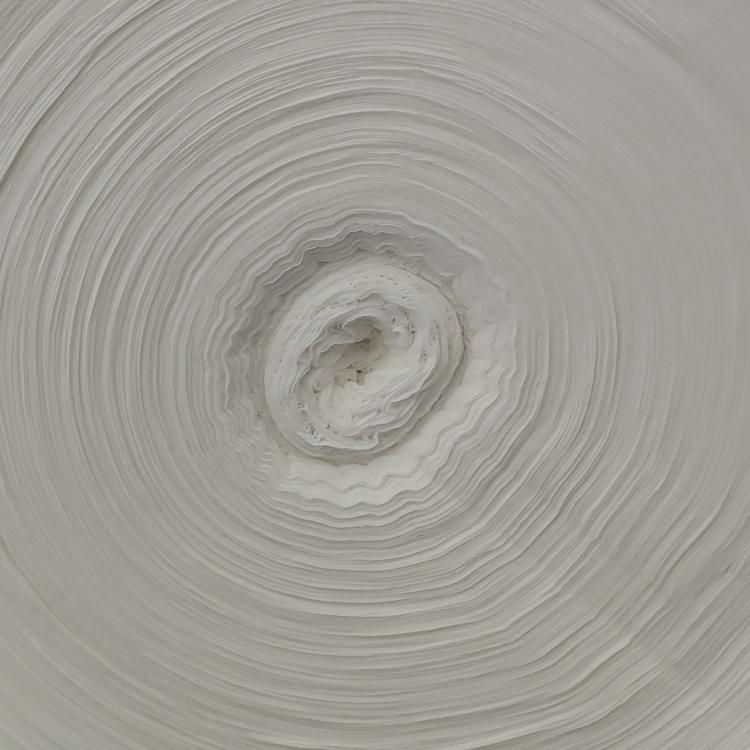
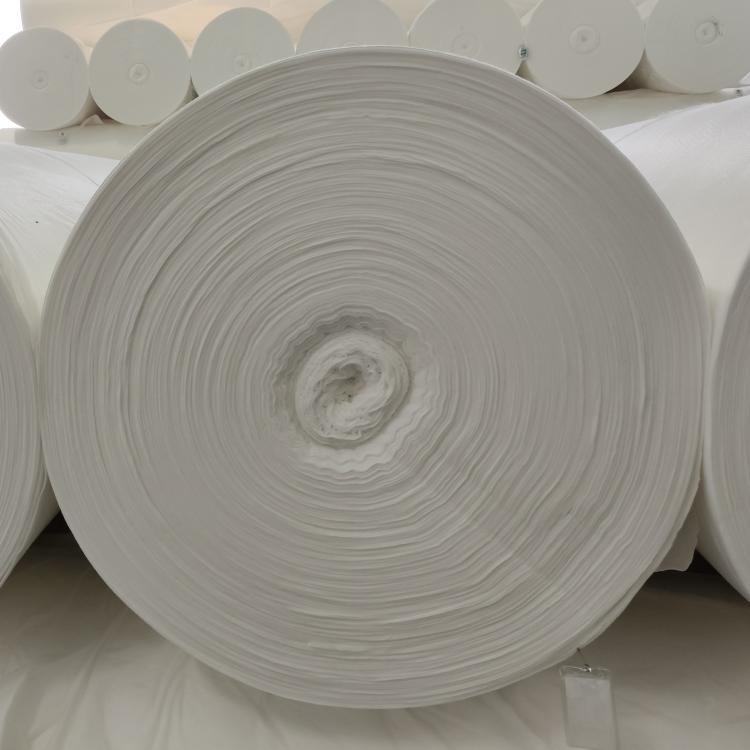
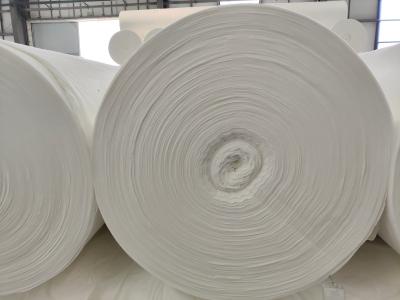
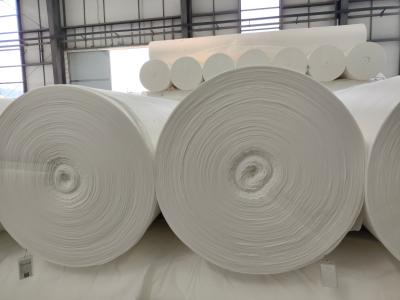
Many construction and landscaping projects need a geotextile that sits between lightweight fabrics and heavy-duty road fabrics. The Non Woven Geotextile 250g fills that gap. Heavy enough for retaining walls and light road bases. Light enough for one or two people to handle on site. Contractors who have used both lighter and heavier weights often settle on 250g as the most frequently used weight for day-to-day work.
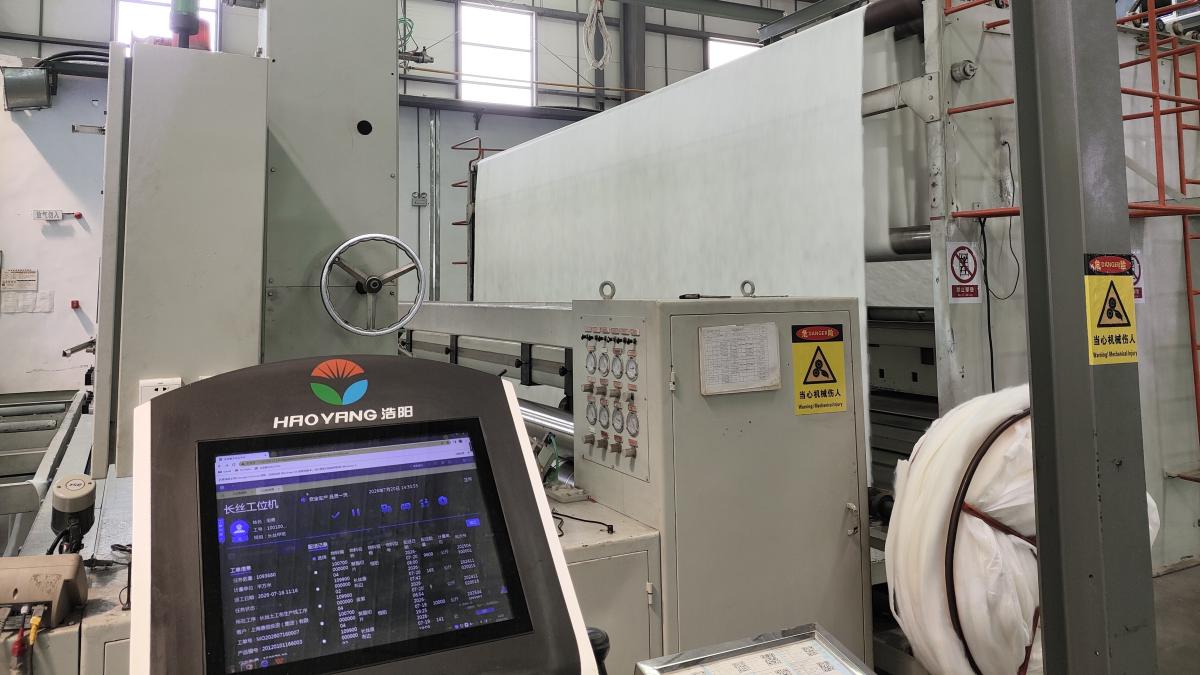
The Non Woven Geotextile 250g is made through needle punching. Polypropylene or polyester fibres are mechanically tangled together by barbed needles that punch through the web thousands of times per minute. No glue. No melting. Just physical entanglement that holds up underground. The random fibre structure creates voids that let water through while blocking soil. At 250 grams per square metre, this fabric delivers a balance of strength, filtration, and cost that makes it a popular choice for consultants and site crews alike .
What makes the Non Woven Geotextile 250g a workhorse is its versatility. It works for drainage trenches, under pavers, behind retaining walls, and for erosion control. The Geotextile 250g weight is often specified for medium-load applications like road embankments, slope stabilisation, and landfill protection layers . For mining environments, the Mine PP Geotextile grade provides the chemical resistance needed for heap leach pads and tailings storage facilities.
Product Features
Needle-Punched Construction: The Non Woven Geotextile 250g uses mechanical entanglement rather than heat bonding. Fibres lock together physically, creating fabric that stays flexible while providing good tensile strength. It drapes into trenches and conforms to uneven ground without tenting .
Depth Filtration: The random fibre matrix traps soil particles throughout the fabric thickness. Woven geotextiles blind off at the surface. The PP Geotextile Non Woven keeps water flowing because clogging happens gradually across the full cross-section.
Controlled Permeability: Water passes through at rates that prevent ponding while retaining fine soil particles. Typical permittivity values range from 1.0 to 2.0 per second . For most soil conditions, the fabric never becomes the drainage bottleneck.
Chemical Resistance: Polypropylene excels at resisting acids and alkalis across a pH range of 2 to 13. The Mine PP Geotextile maintains stability when in contact with cement, fly ash, lime, and landfill leachate without hydrolysis . This makes it suitable for aggressive mining and industrial environments.
UV Stabilised: Quality rolls incorporate stabilisers that protect the Non Woven Geotextile 250g during temporary exposure. Typical protection lasts up to 30 days of normal sunlight .
Product Advantages
Balanced Strength for Medium-Duty Jobs: Lighter fabrics tear under moderate loads. Heavier fabrics cost more than many jobs need. The Non Woven Geotextile 250g provides tensile strength of 8.0 KN/m or more in both directions . This handles most medium-load applications including retaining walls, access roads, and drainage systems.
Stops Subgrade Mixing: Roads and paved areas fail when subgrade soils pump up into aggregate base courses. The Non Woven Geotextile 250g maintains separation under load. Aggregate stays clean. Pavement lasts longer. Specifications from projects like embankments and slope stabilisation commonly call for 250g weight .
Works in Mining and Aggressive Environments: The Mine PP Geotextile grade resists chemical attack from leach solutions and tailings. Polypropylene maintains stability in acidic and alkaline conditions. For heap leach pads and tailings storage, the PP Geotextile Non Woven provides filtration while retaining fine particles .
Installation-Friendly: One or two crew members can handle the Non Woven Geotextile 250g rolls. The fabric cuts clean with a utility knife. It drops into trenches and wraps around pipes without fighting back. The 250g weight also allows longer roll lengths compared to heavier fabrics.
Lasts Decades Underground: Properly installed and covered, the Non Woven Geotextile 250g stays intact for 50 years or more. No UV underground. Stable temperatures. No biological breakdown. The Geotextile 250g installed today will still be separating and filtering decades later.
Product Parameters
Parameter
Test Method
Typical Value
Weight
ASTM D5261
250 g/m² ±10%
Thickness
ASTM D5199
2.1 mm
Tensile Strength
ASTM D4595
≥8.0 KN/m
Elongation
ASTM D4595
25-100%
CBR Puncture
ASTM D6241
≥1.2 KN
Tear Strength
ASTM D4533
≥0.20 KN
Opening Size
ASTM D4751
0.07-0.20 mm
Permittivity
ASTM D4491
1.0-2.0 sec⁻¹
The Non Woven Geotextile 250g is available in widths from 1 to 6 metres, with 2-metre and 4-metre widths being most common for medium-load applications like road embankments and slope stabilisation . Roll lengths typically range from 50 to 100 metres depending on supplier.
Product Applications
Road Construction and Pavement Support: Place the Non Woven Geotextile 250g between soft subgrade and aggregate base. It prevents intermixing that compromises pavement structure. The 250g weight is commonly specified for road embankment stabilisation .
French Drains and Trench Drains: Wrap perforated pipe and drainage stone with the Non Woven Geotextile 250g. It keeps silt out while letting water in. Drains stay clear for years instead of clogging within months .
Retaining Wall Drainage: The Non Woven Geotextile 250g placed against the wall face allows water to reach weep holes while holding soil back. Hydrostatic pressure never builds when water can escape. This grade is often specified for walls up to moderate height.
Erosion Control on Slopes: On slopes up to 2:1, the fabric holds soil while vegetation establishes. Water passes through. Soil stays put. Roots grow through and anchor the fabric.
Mine PP Geotextile Applications: In heap leach pads and tailings storage, the Mine PP Geotextile filters solution while retaining fine particles. Chemical resistance to acids and alkalis ensures reliable performance in aggressive mining environments .
Under Pavers and Walkways: Lay fabric between subgrade and base material. It stops subgrade from mixing into sand or stone. Patios and walkways stay level when layers stay separate.
Landfill Protection Layers: The Non Woven Geotextile 250g provides a protective layer in landfill applications, preventing contaminants from leaching into groundwater . It also cushions geomembranes from puncture by drainage stone.
Packaging and Transportation
Roll Widths: The Non Woven Geotextile 250g comes in widths from 1 to 6 metres. Two-metre and four-metre widths are most common for drainage and road applications.
Roll Lengths: Lengths typically range from 50 to 100 metres depending on width. A 4x50 metre roll gives 200 square metres. The 250g weight keeps rolls manageable for installation crews.
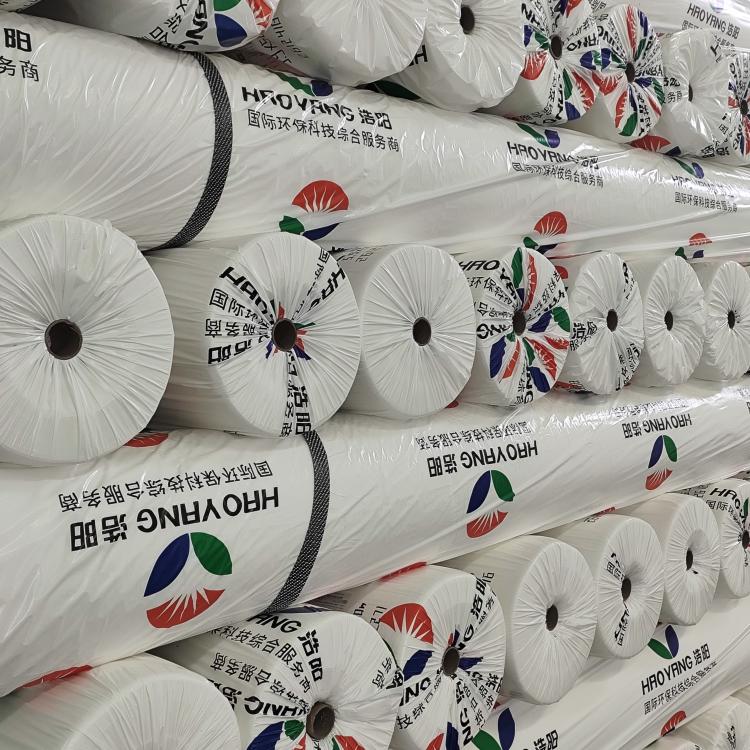
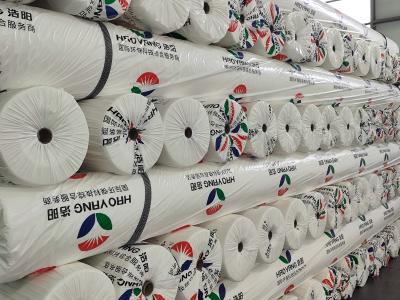
Packaging: Each roll winds onto a cardboard core and gets wrapped in polyethylene film or woven polypropylene bags. Steel or plastic straps secure the wrap and provide lifting points. Labels show weight, dimensions, and lot numbers.
Palletising: Rolls stack on pallets for shipping. A typical pallet holds 500 to 1500 square metres depending on roll sizes. Pallets get stretch wrapped and labelled.
Container Loading: Export shipments go into 20- or 40-foot containers. Load plans keep rolls from shifting during transit.
Storage: Keep rolls off the ground. Stack no more than three high. Leave wrapping on until installation. The UV protection buys time but is not unlimited.
Company Strength
Production Capacity: Major manufacturers operate needle punch lines around the clock. Daily output of Non Woven Geotextile 250g can reach substantial volumes . High volume keeps production consistent and prices competitive.
Raw Materials: Top suppliers use virgin polypropylene or polyester from major petrochemical companies. Consistent fibre denier and polymer properties ensure uniform fabric performance across every roll . For mining applications, PP offers superior chemical resistance across a wide pH range.
Quality Assurance: In-house laboratories test every production batch. Weight, thickness, tensile, puncture, opening size, and flow rate are verified before shipment. CE marking and ISO 9001 certification are common for established suppliers .
Technical Support: Experienced staff help customers select the right weight and format for their site conditions. They understand road specifications, mining standards, and landfill requirements.
Global Logistics: Established suppliers ship to projects worldwide. They handle export documentation and freight coordination.
FAQ
Q: What does 250g weight mean?
A: The Non Woven Geotextile 250g weighs 250 grams for each square metre of fabric. This is medium weight, suited for road embankments, retaining walls, slope stabilisation, and drainage applications .
Q: How does this compare to 200g or 300g?
A: 250g sits between them. It offers more puncture resistance and tensile strength than 200g, but costs less and handles easier than 300g. For medium-load applications, it is often the sweet spot.
Q: Is this suitable as a Mine PP Geotextile?
A: Yes. The Non Woven Geotextile 250g is used in heap leach pads and tailings storage. Polypropylene resists acids and alkalis across a pH range of 2 to 13 . It provides filtration while retaining fine particles in aggressive mining environments .
Q: Can equipment drive on this fabric?
A: The Non Woven Geotextile 250g can survive light equipment traffic during installation with breaking strength of 8.0 KN/m or more . Best practice is to place cover material as soon as practical. For heavy equipment, upgrade to 400g or higher.
Q: How much overlap between rolls?
A: 300 to 500 mm for most applications. On slopes, place the upper roll over the lower so water runs over the lap.
Q: How long can it sit in the sun?
A: About 30 days of normal sunlight. The UV stabilisers help . Cover the Non Woven Geotextile 250g within a few weeks for best results.
Q: How much does it cost compared to heavier fabrics?
A: The Non Woven Geotextile 250g typically costs less than 300g or 400g fabric while delivering adequate performance for medium-load applications. The 250g weight provides good value for road embankments, drainage, and slope stabilisation .
Q: How long will it last underground?
A: 50 years or more when properly installed. No UV exposure. Stable temperatures. No biological breakdown. Polypropylene nonwoven geotextiles have proven durability in field applications .
For road construction, drainage, retaining walls, and mining applications, the Non Woven Geotextile 250g delivers reliable performance at a practical price. Contact your supplier with project details for specific weight, width, and material recommendations.