Ask any superintendent who has built roads, walls, or drainage systems for twenty years about Non Woven Geotextil PP and they will tell you stories. Some stories are about projects that went smooth because the fabric handled right. Others are about callbacks where cheap material failed and somebody had to dig everything back up. The difference usually traces back to what got buried in the first place.
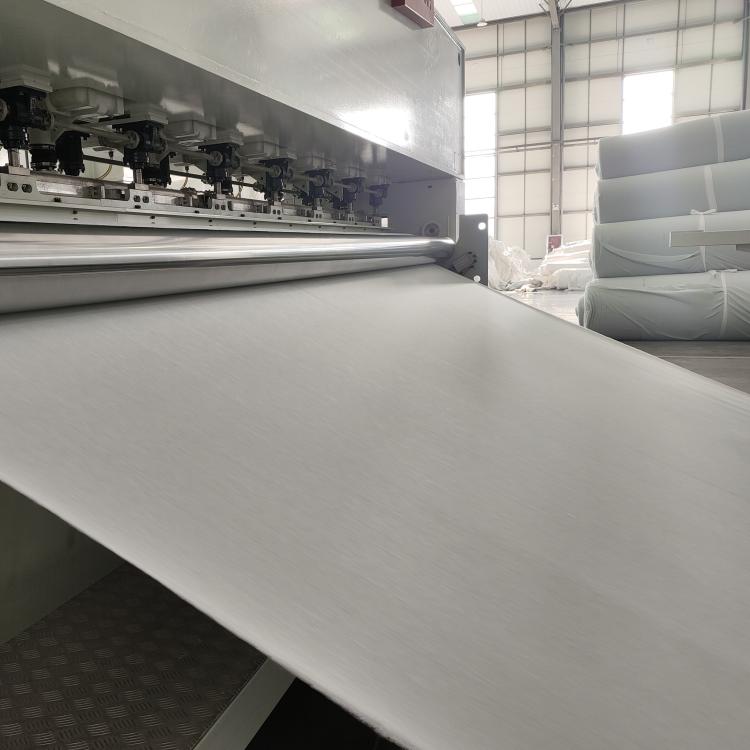
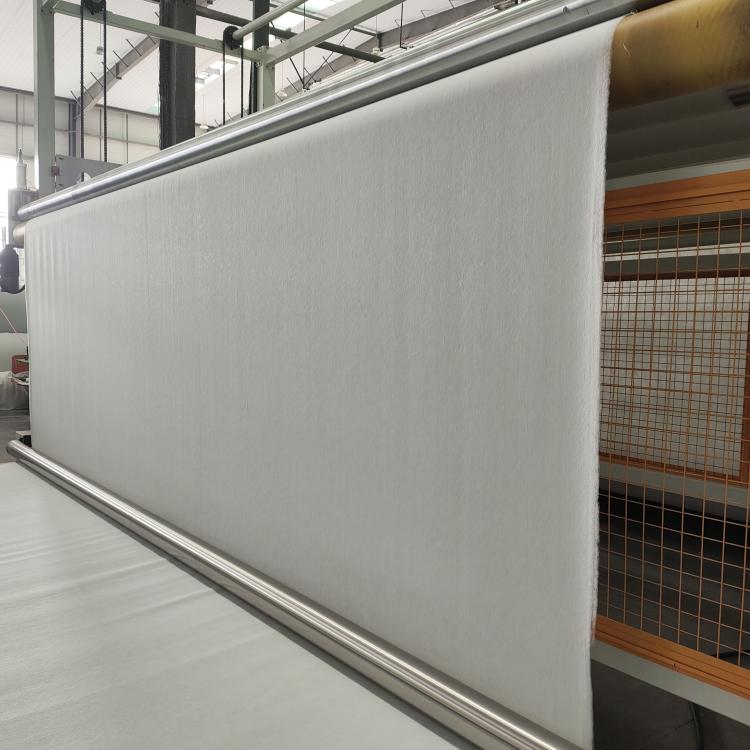
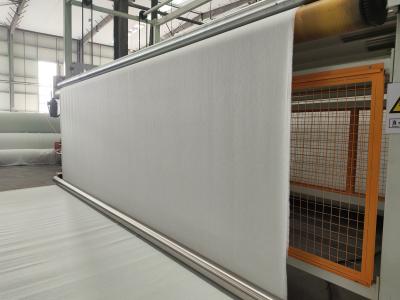
Non Woven Geotextil PP starts as polypropylene fibers, either continuous filaments or staple lengths, that get mechanically entangled through needle punching. Thousands of barbed needles punch through the fiber web, physically locking everything together without glue or heat bonding. This creates a three-dimensional structure with controlled openings that trap soil particles while letting water pass through. The PP stands for polypropylene, which brings specific advantages: chemical resistance, light weight, and cost effectiveness that makes large projects feasible.
What separates this material from woven alternatives becomes obvious when water needs to move. Woven fabrics have openings between yarns that either pass particles or block them at the surface. The Non Woven Geotextil PP works like a depth filter. Particles get caught throughout the fabric thickness rather than just on top. This matters for drainage applications where gradual clogging determines how many years the system keeps working.
Physical Characteristics That Show Up On Site
Crews notice things about Non Woven Geotextil PP the moment they start unrolling. The material has give without being flimsy. It stretches some before tearing. This flexibility means it actually contacts the ground everywhere rather than bridging over low spots like stiffer materials do.
Weight ranges typically run from 100 to 800 grams per square meter depending on what the job demands. Lighter grades work for basic filtration where installation abuse stays minimal. Heavier grades handle puncture risks from angular aggregate and construction equipment tracking over the fabric before cover goes down.
Thickness varies correspondingly. Light material measures under one millimeter. Heavy stuff for demanding applications can push six millimeters. The PP Geotextile Non Woven construction creates a felt-like texture that grabs soil particles rather than letting them slide along the surface.
Puncture resistance matters when rock gets dumped directly on the fabric. Quality Non Woven Geotextil PP handles this abuse because entangled fibers distribute loads rather than concentrating stress at individual points. Contractors who have watched cheap fabric tear during installation appreciate this difference.
Tensile strength runs both directions because random fiber orientation eliminates the weak direction found in woven materials. Elongation ranges from 25 to 100 percent depending on manufacturing parameters. This stretch lets the fabric accommodate settlement without rupturing.
Why Contractors Choose This Material
Installation speed matters when equipment is sitting idle and labor crews are watching. The Non Woven Geotextil PP deploys fast because it handles like a blanket rather than a tarp. It stays where placed rather than sliding around or blowing away in wind.
Cost comparisons need to account for total project expense, not just material price. One layer of this fabric replaces graded filter systems that require quarrying, hauling, and placing multiple aggregate lifts. The math works out in favor of geotextile every time when you factor in labor and trucking. Geotextil PP delivers engineered performance at a fraction of the installed cost of stone filters.
Drainage applications specifically benefit from the nonwoven construction. Water finds paths through the fiber matrix while soil particles get trapped. This Nonwoven Geotextile maintains flow capacity because fines never reach the aggregate. Compare this to unprotected drains that clog within years and require expensive excavation to replace.
Road builders specify Non Woven Geotextil PP because it stops the pumping action that ruins pavement. When traffic loads cycle on wet subgrade, fines migrate upward into base courses without separation fabric present. This contamination weakens the entire road structure. Roads with proper geotextile maintain design thickness for decades rather than failing prematurely.
Specifications That Actually Matter
Numbers on data sheets mean little if they do not match site conditions. Here are the parameters that experienced specifiers actually pay attention to.
Parameter
What It Tells You
Typical Range
Test Method
Mass per Unit Area
Heavier fabric handles more abuse
100 to 800 g/m²
ASTM D5261
Apparent Opening Size
What size particles get stopped
0.07 to 0.2 mm
ASTM D4751
Permittivity
How easily water passes through
0.5 to 2.0 sec⁻¹
ASTM D4491
CBR Puncture
Resistance to rock pushing through
0.3 to 5.0 KN
ASTM D6241
Tensile Strength
Load capacity during installation
2.5 to 31 KN/m
ASTM D4595
Weight tolerance typically runs within six to eight percent of nominal value on quality material. Wider variation indicates inconsistent manufacturing that leads to surprises on site.
Opening size selection depends entirely on soil gradation. Fine soils need smaller openings to prevent piping. Coarser soils tolerate larger openings without losing material. Geotechnical reports provide the grain size distribution data needed to match fabric selection.
Where This Material Actually Gets Used
Non Woven Geotextil PP shows up on more job sites than most people realize because once installed, it disappears from view. Here is where it works hardest.
Road Construction: Placed between soft subgrade and aggregate base, the fabric prevents mixing that compromises pavement. State DOT specifications often require specific weights and opening sizes based on local soil conditions. Contractors who cut corners on geotextile quality find themselves repairing roads within years rather than decades.
Retaining Walls: Water builds up behind walls that lack proper drainage. This pressure eventually moves walls or cracks them. Non Woven Geotextil PP placed against the wall face and extending into drainage aggregate provides the path water needs to escape while holding soil in place.
Drainage Trenches: French drains, curtain drains, and foundation perimeter drains all rely on geotextile to keep aggregate clean. The fabric wraps around pipe and stone, allowing water in while keeping soil out. Without this protection, fines gradually fill void spaces and drainage stops.
Ponds and Landfills: Bentonite mats and geomembranes need protection from puncture during cover placement. A layer of Non Woven Geotextil PP cushions these impermeable materials against sharp rocks in the cover soil. The same fabric provides filtration in leachate collection systems.
Erosion Control: On slopes where vegetation needs time to establish, fabric holds soil in place during rain events. Water passes through to the soil while the fabric prevents surface particles from washing away. This buys time for grass or other plantings to develop root systems.
Installation Realities from Experienced Crews
Overlap requirements typically run 300 to 500 millimeters depending on subgrade conditions. Soft ground needs more overlap because the fabric sections may shift during cover placement. Some specs require sewing or thermal bonding for critical applications, but standard projects rely on cover weight to hold overlaps.
Cover placement sequence matters. Dumping aggregate directly on fabric works best when starting at the far end and working backward. This keeps trucks on already-placed cover rather than running on exposed fabric. When equipment must travel on bare fabric temporarily, keeping turning radius wide prevents tearing.
UV exposure limits vary by manufacturer but typically run 30 days maximum before cover placement. The polypropylene includes stabilizers that provide protection, but no geotextile should stay exposed indefinitely. Projects delayed beyond this window risk strength loss before the fabric ever gets covered.
Cold weather installation remains possible because Non Woven Geotextil PP stays flexible below freezing. Unlike some materials that stiffen dramatically, the nonwoven construction maintains handling characteristics even in winter conditions.
Subgrade preparation affects performance. Remove large clods, sharp rocks, and debris that could puncture fabric during placement or under load. Smooth surfaces allow fabric to contact soil everywhere, which matters for filtration and separation.
Questions from Engineers and Contractors
1.How long does Non Woven Geotextil PP last underground?
Properly buried fabric from virgin polypropylene lasts decades in most soil conditions. The absence of UV, stable temperatures, and neutral pH minimize degradation. Manufacturers warranty periods run shorter, typically five to twenty years, but actual service life extends far beyond.
2.Does weight alone determine quality?
No. Fiber quality, needle punching density, and uniformity matter as much as weight. Two rolls at the same 400 g/m² can perform very differently if one uses recycled fibers with inconsistent properties. Verify manufacturer reputation and request test reports.
3.Can I use this for both separation and drainage?
Yes. That combination of functions is exactly what Non Woven Geotextil PP does well. It separates soil layers while allowing water movement between them. This dual capability makes it more versatile than materials designed for single functions.
4.How do I know what opening size I need?
Soil testing provides the answer. Grain size distribution determines what opening size retains particles without clogging. Geotechnical reports typically include this data. Manufacturers help match fabric selection to soil conditions.
5.What about chemical resistance?
Polypropylene resists acids, alkalis, and microbial attack common in soils. This chemical inertness means the fabric performs reliably in aggressive environments including industrial sites and landfills.
6.Does UV exposure during installation matter?
Yes. While polypropylene includes stabilizers, most manufacturers recommend covering within 30 days. Extended exposure before cover placement degrades strength. Plan installation sequencing accordingly.
Packaging and Delivery Expectations
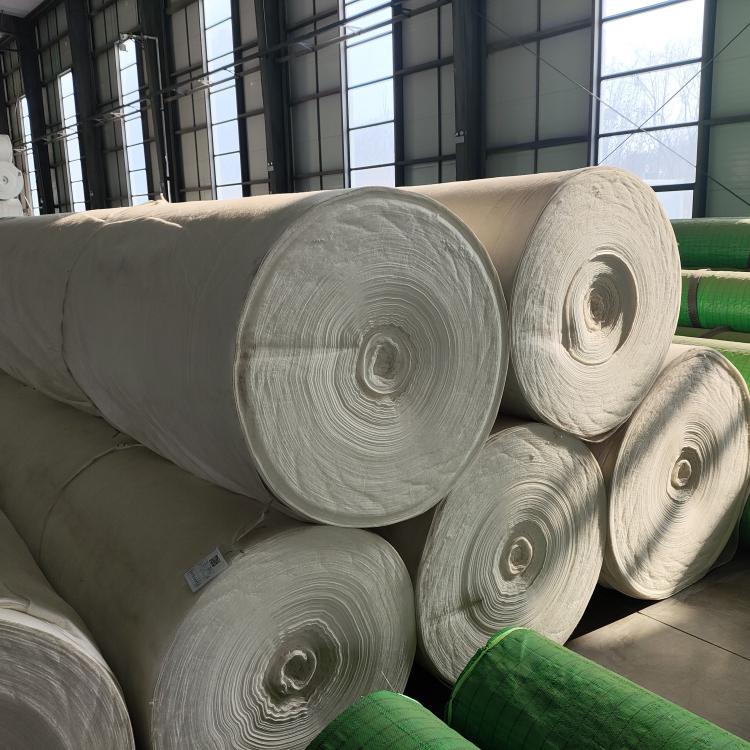
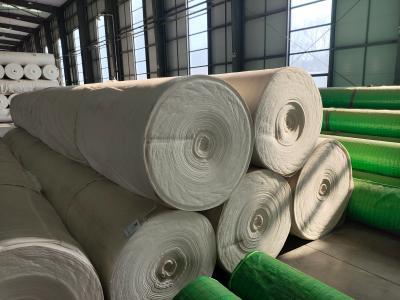
Standard rolls run 1 to 6 meters wide with lengths adjusted to maintain manageable handling weights. Heavier fabrics come in shorter rolls because 800 g/m² material gets heavy fast at full length.
Wrapping consists of polyethylene film or woven polypropylene bags that protect against moisture and mechanical damage during transit. Multiple straps secure the wrapping and provide lifting points for forklifts or cranes.
Container loading for export shipments requires careful stowage to prevent damage during ocean transit. Twenty-foot containers typically hold three to four tons. Forty-foot containers handle five to eight tons depending on roll dimensions.
On-site storage should keep rolls elevated and covered until installation. Stacking limited to three high prevents deformation of bottom rolls. Extended outdoor storage benefits from additional opaque covering beyond the factory wrapping.
Manufacturing Considerations
Production facilities vary widely in capability. Top manufacturers operate across factory floors exceeding 40,000 square meters with multiple production lines. German and Italian needle punching equipment dominates the high end of the market.
Quality control separates serious manufacturers from commodity producers. In-house laboratories test each production run for mass, strength, puncture resistance, and opening size. Third-party verification from organizations like SGS or BV provides additional confidence for international projects.
Vertically integrated operations control quality from polymer procurement through finished product. This allows rapid response to custom specifications and maintains stable pricing regardless of market fluctuations. Manufacturers without this integration depend on external suppliers for raw materials, introducing variability.
Technical support matters when projects encounter unusual conditions. Established manufacturers employ geotechnical engineers who understand both material properties and field performance. This expertise helps specifiers avoid costly mistakes in material selection.
What Experienced Buyers Look For
Buyers who have sourced Non Woven Geotextil PP for years look beyond price. They check manufacturing dates because older stock may have degraded in storage. They verify test reports against project specifications rather than assuming compliance. They maintain relationships with multiple suppliers to ensure availability when projects need material fast.
Cost per square meter matters but represents only part of the equation. Shipping costs, lead times, and reliability affect total project expense. Buyers factor in whether the supplier delivers on time and whether rolls arrive in condition for immediate installation.
References from other contractors provide insight that spec sheets cannot. Experienced buyers ask about specific installations similar to their own projects. They want to know how the fabric performed during installation and whether drainage systems maintained flow years later.
For projects requiring certified material, buyers verify that manufacturers provide test reports from accredited laboratories. They confirm that the material delivered matches the certification rather than assuming all rolls from a production run are identical.
Specifying Non Woven Geotextil PP requires matching material properties to site conditions rather than simply picking the heaviest option available. Contractors who understand this distinction avoid the failures that plague projects where geotextile selection received insufficient attention. Contact manufacturers who employ actual geotechnical engineers and can provide test data verified by independent laboratories. The small investment in proper specification pays returns across decades of project performance.