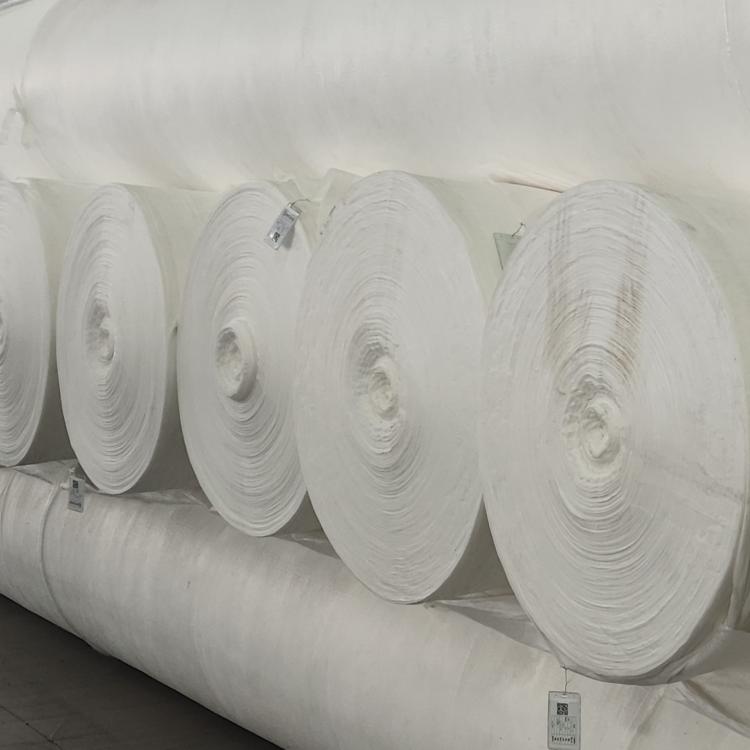
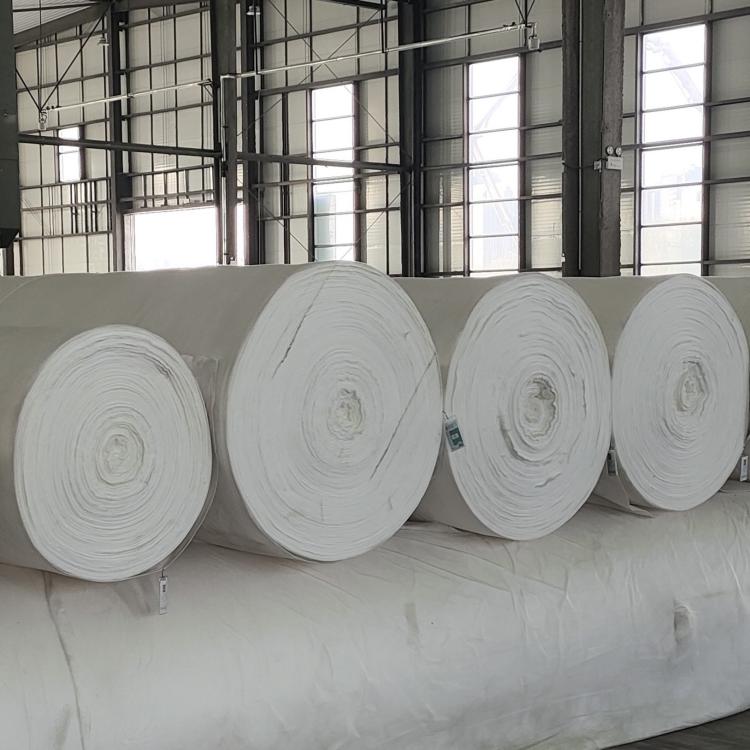
When projects require serious ground stabilisation and protection, the Needle Punched Geotextile 500g delivers the heavyweight performance that lighter fabrics cannot match. This high-density nonwoven material is engineered for the toughest conditions—road construction, railway ballast protection, landfill liner cushioning, and mining dam applications . At 500 grams per square metre, it provides the thickness, puncture resistance, and tensile strength needed to survive heavy equipment traffic and sharp aggregate without tearing or shifting.
The Needle Punched Geotextile 500g is manufactured from polypropylene fibres that are mechanically entangled through a needle-punch process . Barbed needles punch through the fibre web thousands of times per minute, creating a dense, felt-like sheet with a random three-dimensional structure. No glues or chemical binders are used—just physical entanglement that holds up under extreme loads. The fabric allows water to pass through while trapping soil particles, making it effective for both drainage and separation across a wide pH range of 2 to 13 .
What makes the Needle Punched Geotextile 500g the go-to choice for heavy civil and mining projects is its exceptional strength-to-weight ratio. Technical specifications for the 500g weight class show breaking strength of 16 KN/m or more, CBR puncture resistance reaching 2.7 KN, and thickness around 3.6 mm . For dam liners, tailings storage, and landfill applications, this Geotextile 500g weight provides the puncture protection and filtration that regulations demand, often specified alongside HDPE geomembranes as a protective cushioning layer .
Product Features
High Tensile Strength: The Needle Punched Geotextile 500g delivers breaking strength of 16 KN/m or more in both directions . This prevents the fabric from tearing when heavy equipment turns on it or when cover material gets dumped from height. The high tenacity ensures reliable performance under prolonged stress in roads and embankments .
Superior Puncture Resistance: With CBR puncture resistance typically ranging from 2.7 KN up to 5.5 KN depending on fibre type and manufacturing process , the Needle Punched Geotextile 500g resists sharp aggregate pushing through. Trapezoidal tear strength reaches 0.42 KN . For Mine Dam Liner applications, this puncture protection is critical—a single breach can compromise the entire containment system.
Excellent Filtration and Drainage: The random fibre matrix creates voids that allow water to pass while retaining soil particles . Vertical permeability coefficients range from 10⁻¹ to 10⁻³ cm/s . The fabric never becomes the drainage bottleneck, making it effective for leachate collection and slope drainage .
Chemical Resistance: Polypropylene is inert across a wide pH range (2 to 13), making the Geotextil PP resistant to acids, alkalis, and biological attack . It maintains integrity in aggressive environments including landfill leachate and mining solutions.
UV Stabilised: Carbon black or other stabilisers protect the Needle Punched Geotextile 500g during temporary exposure before cover placement . This provides flexibility for construction scheduling.
Product Advantages
Survives Heavy Equipment Traffic: Lighter geotextiles tear when dozers or dump trucks cross them. The Needle Punched Geotextile 500g has the tensile strength (16 KN/m+) and thickness (3.6 mm) to take the abuse . Breaking strength ensures the fabric holds together when equipment turns. Puncture resistance means sharp stone stays on top instead of pushing through.
Protects Liners in Mining and Environmental Projects: Heap leach pads, tailings storage facilities, and landfill liners rely on geomembranes that need cushioning from sharp drainage stone . The Needle Punched Geotextile 500g provides thickness that absorbs point loads, preventing punctures that would cause environmental compliance issues. As a Mine Dam Liner protection layer, it extends the service life of the entire containment system .
Prevents Subgrade Pumping on Infrastructure Projects: Roads, railways, and airfields fail when subgrade soils pump up into aggregate base courses. The Needle Punched Geotextile 500g maintains separation under sustained load . Aggregate stays clean. Pavement structures last longer. Specifications for airport runways, railway ballast, and highway embankments commonly call for this weight class .
Replaces Graded Stone Filter Layers: One layer of Geotextile 500g does what tons of carefully graded aggregate used to do. The fabric provides filtration and separation in a single roll. Trucking costs drop. Labour costs drop. The Geotextile 500g delivers significant project savings.
Service Life Exceeds 50 Years Underground: Properly installed, the Needle Punched Geotextile 500g maintains its properties for decades. No UV exposure underground. Stable temperatures. No biological breakdown. Polypropylene's proven durability means the fabric will still be separating and filtering 50 years later .
Product Parameters
Parameter
Test Method
Typical Value for 500g
Weight
ASTM D5261
500 g/m² ±6%
Thickness
ASTM D5199
3.6 mm
Tensile Strength
ASTM D4595
≥16 KN/m
CBR Puncture Resistance
ASTM D6241
≥2.7 KN
Trapezoidal Tear Strength
ASTM D4533
≥0.42 KN
Apparent Opening Size
ASTM D4751
0.07-0.20 mm
Vertical Permeability
ASTM D4491
10⁻¹-10⁻³ cm/s
UV Resistance
ASTM D4355
≥80% strength retention
Additional specifications from manufacturers show grab strength for 500g reaching 2000+ N, width options up to 6 metres, and roll lengths flexible to project requirements .
Product Applications
Road and Airport Construction: Place the Needle Punched Geotextile 500g between soft subgrade and aggregate base . It prevents intermixing that compromises pavement. Used in airport runway foundation improvement and structural courses for aprons .
Railway Ballast Protection: High-speed lines need ballast that stays clean. The Needle Punched Geotextile 500g prevents fine soil migration upward into ballast . Drainage stays functional. Track geometry stays true for tunnels, railway bed reinforcement, and slope protection .
Mining and Tailings Storage: Heap leach pads and tailings dams use Mine Dam Liner protection layers. The fabric cushions HDPE geomembranes from puncture by drainage stone and ore . It also filters solution while retaining particles. Mining operations choose this weight for its balance of strength and cost .
Landfill Liner Protection: Geomembranes in landfills need protection from drainage stone above. The Needle Punched Geotextile 500g provides cushioning that prevents puncture . It also filters leachate in collection systems. Specifications for landfill applications commonly call for this weight or heavier.
Hydraulic and Coastal Engineering: Sea embankments, river banks, and lake dikes rely on heavy geotextiles for erosion control and separation . Tideflat reclamation works, sand-filled geotextile bags, and flexible mattresses all benefit from 500g weight's durability.
Slope Stabilisation: The Geotextile 500g conforms to steep slopes and holds soil during vegetation establishment. Heavyweight construction resists wind and water lift during installation .
Packaging and Transportation
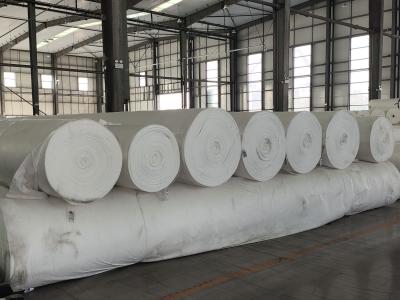
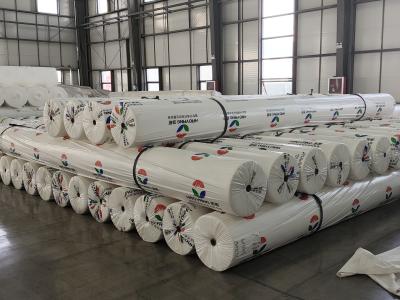
Roll Dimensions: The Needle Punched Geotextile 500g comes in widths from 1 to 6 metres. Four and five metre widths are common for road and mining projects to match lane widths. Roll lengths typically range from 50 to 100 metres or more depending on project requirements .
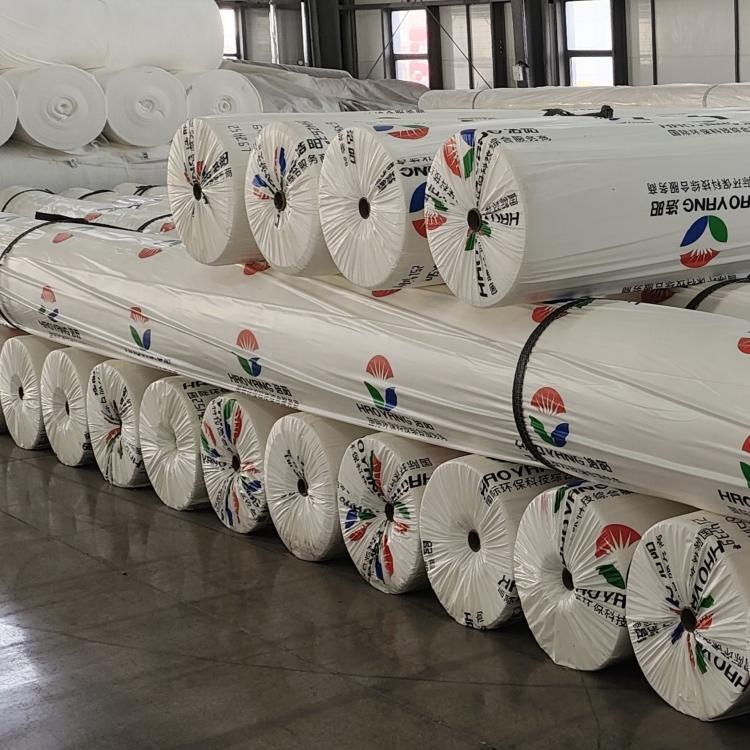
Packaging: Each roll winds onto a cardboard core and gets wrapped in polyethylene film. Steel or plastic straps secure the wrap and provide lifting points. Labels show weight, dimensions, lot numbers, and certification details.
Shipping: A 20-foot container holds approximately 2000 to 4000 square metres of Needle Punched Geotextile 500g depending on roll width. Load plans account for the significant weight to keep containers within legal limits.
Storage: Keep rolls on pallets or raised surfaces. Stack no more than two high due to the weight. Leave wrapping on until installation. UV protection is effective but not unlimited—cover within a few weeks of delivery .
Company Strength
Production Capacity: Leading manufacturers operate heavy-duty needle punch lines specifically for high-weight geotextiles. Annual output reaches hundreds of thousands of tons with multiple production bases globally . Manufacturing capacity ensures consistent supply for large infrastructure projects.
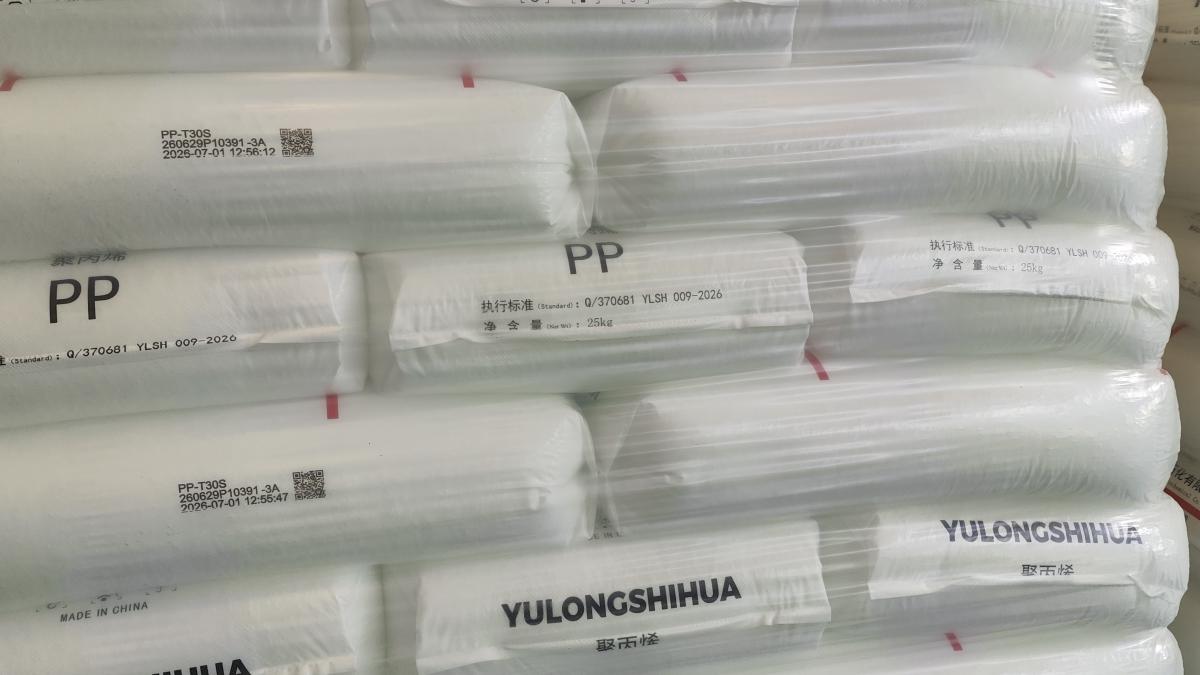
Raw Materials: Top suppliers use virgin polypropylene from major petrochemical companies. Consistent fibre denier and polymer properties ensure uniform fabric performance across every roll. The Geotextil PP material resists chemical attack across pH 2-13 .
Quality Assurance: In-house laboratories test every batch. Weight, thickness, tensile, puncture, opening size, and flow rate are verified before shipment. CE marking and ISO 9001 certification are standard for established manufacturers, with ISO 14001 and ISO 45001 also common . Third-party verification from SGS, BV, or TÜV is available upon request .
Technical Support: Geotechnical engineers help customers select the right grade for project requirements. They understand mining specifications, DOT standards, and environmental regulations.
Global Logistics: Established suppliers ship to projects worldwide with export documentation and freight coordination handled in-house.
FAQ
Q: What are the key specifications for Needle Punched Geotextile 500g?
A: The Needle Punched Geotextile 500g delivers breaking strength of ≥16 KN/m, CBR puncture resistance of ≥2.7 KN, thickness of 3.6 mm, and trapezoidal tear strength of ≥0.42 KN . Weight tolerance is ±6% per ASTM D5261.
Q: Is this suitable for Mine Dam Liner applications?
A: Yes. The Needle Punched Geotextile 500g is widely used as a protective cushioning layer over HDPE geomembranes in tailings dams and heap leach pads . It filters solution while retaining fine particles and prevents puncture of the impermeable liner from drainage stone or ore.
Q: Can equipment drive directly on this fabric?
A: The Needle Punched Geotextile 500g is designed to survive equipment traffic during installation with 16 KN/m tensile strength . Best practice is to place cover material as soon as practical. For tracked vehicles or heavy trucks, put down 150 to 300 mm of cover first.
Q: How much overlap between rolls?
A: 300 to 500 mm for separation applications. 500 to 750 mm for critical filtration or geomembrane protection. On slopes, place the upper roll over the lower so water runs over the lap.
Q: How long can it sit exposed to sun?
A: About 30 to 60 days depending on UV intensity. The Geotextil PP has UV stabilisers, but cover within a few weeks for best results . Strength retention typically exceeds 80% after UV exposure .
Q: How long will the Geotextile 500g last underground?
A: 50 years or more. No UV exposure. Stable temperatures. No biological breakdown. Polypropylene's proven durability means decades of reliable service .
For mining, road construction, and infrastructure projects demanding high strength and durability, the Needle Punched Geotextile 500g is a proven choice. Contact your supplier with project specifications for certified test reports and custom roll dimensions.