Mining operations chew up standard geotextiles pretty quickly. Acidic water, sharp ore, heavy equipment, and constant flow through leach pads—these conditions find every weakness in a fabric. I have seen polyester geotextiles lose half their strength after a few seasons in alkaline heap leach environments. That is why mining engineers increasingly specify the Mine PP Geotextile for Drainage for their most demanding drainage and filtration jobs. It handles the acid, the abrasion, and the load without losing its filtering ability or falling apart.
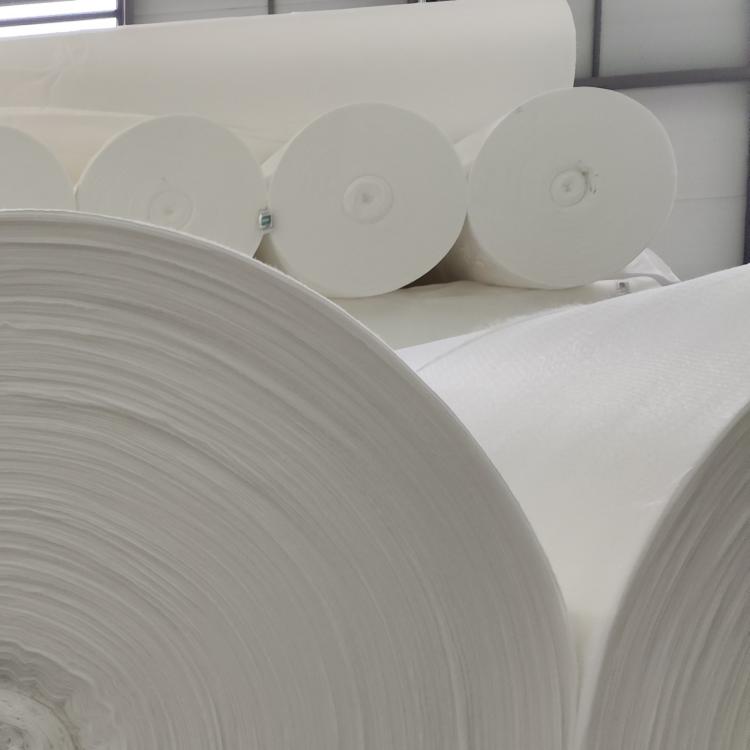
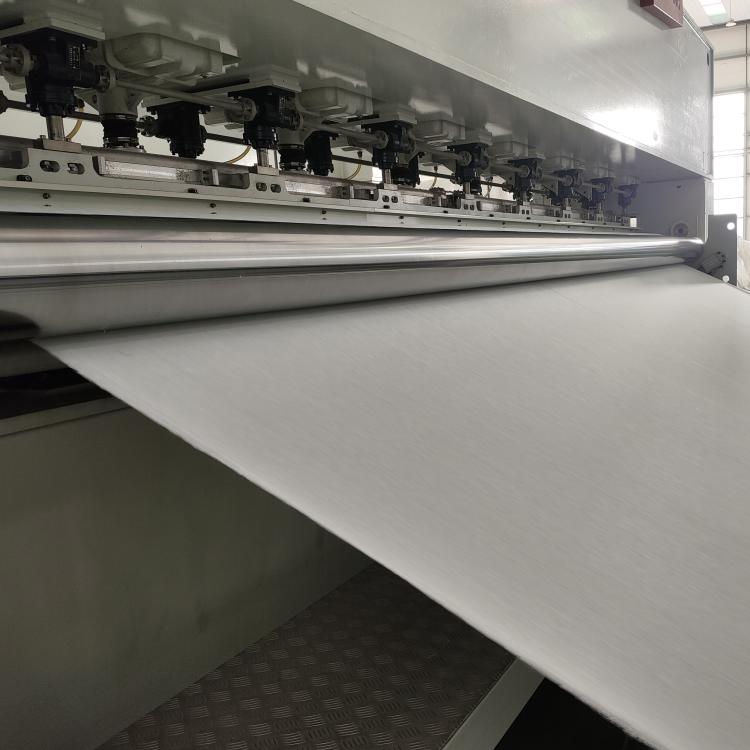
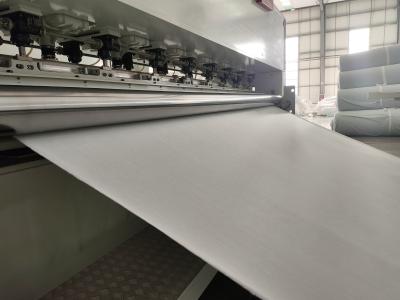
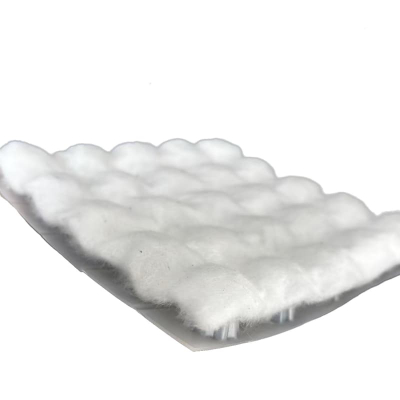
The Mine PP Geotextile for Drainage is a needle-punched nonwoven made from virgin polypropylene. The manufacturing process is straightforward but effective. Barbed needles punch through the fibre web thousands of times per minute, mechanically tangling the fibres into a felt-like sheet. No glue. No chemical binders. Just physical entanglement. The random fibre structure leaves interconnected voids that let water and leachate pass while trapping fine particles. You can get it in weights from 200gsm up past 800gsm, depending on whether you need light filtration or heavy liner protection.
What sets the Mine PP Geotextile for Drainage apart from alternatives is the polymer itself. Polypropylene stays stable across a pH range of 2 to 13. Polyester geotextiles? They degrade in alkaline conditions—a known risk in many gold and copper operations. For heap leach pads, tailings dams, and underground dewatering, the Geotextil PP in drainage grade delivers the kind of reliability that lets operators sleep better at night.
What You Get with This Fabric
It is needle-punched, not woven or heat-bonded. That gives the Mine PP Geotextile for Drainage a bulky, high-porosity structure. It drapes over uneven subgrade and wraps around pipes without fighting back. Installers like that because it goes down fast.
It handles acid and alkali without degrading. I have seen test results where polypropylene retains over 90% of its breaking strength after prolonged exposure to solutions with pH as low as 2 or as high as 13. The Nonwoven Geotextile does not lose its integrity the way polyester does in alkaline conditions. That is a big deal for heap leaching operations using cyanide or sulfuric acid.
Water flows through; particles stay behind. Vertical permeability runs between 10⁻¹ and 10⁻³ cm/s. Leachate moves through the Mine PP Geotextile for Drainage freely while ore fines get trapped in the fibre matrix. The fabric does not become the flow bottleneck, so drainage systems keep working.
Depth filtration means slower clogging. The random fibre matrix catches particles throughout the thickness, not just at the surface. That gradual clogging extends the service life significantly compared to woven alternatives that blind off quickly. For operators, that means fewer unplanned shutdowns.
Puncture and tear resistance are serious. CBR bursting strength reaches 7.1 KN for heavier grades. Trapezoidal tear runs from 175 N to 800 N. Sharp ore fragments and equipment tracks do not push through the Geotextil PP easily.
UV stabilisation buys you time. Carbon black or other stabilisers protect the fabric during temporary exposure before cover placement. It is not indefinite, but it gives you weeks of installation flexibility.
Why Contractors and Engineers Prefer It
It survives chemical attack that kills other geotextiles. Heap leach operations use aggressive chemicals. Polyester degrades in alkaline conditions—strength drops and you get failures. The Mine PP Geotextile for Drainage holds up in both acidic and alkaline environments. Mines that switched from polyester to polypropylene have seen a noticeable drop in liner and drainage system failures.
It keeps drains from clogging. Mining drains fail when fines migrate into the drainage stone and fill void spaces. The Mine PP Geotextile for Drainage traps those particles throughout the fabric, not just at the surface. Water keeps moving. Stone stays clean. The system works for years instead of months. Operators spend less time unblocking drains and more time processing ore.
It protects HDPE liners from puncture. Heap leach pads use geomembranes to contain process solutions. Sharp ore fragments and drainage stone can puncture these liners during installation. The Mine PP Geotextile for Drainage placed as a cushion absorbs point loads. The liner stays intact. The operation stays compliant with environmental regulations. A single puncture can cost millions in cleanup and fines.
It speeds up tailings consolidation. In tailings storage facilities, the Nonwoven Geotextile provides vertical drainage paths that accelerate consolidation by 30 to 50 percent. Faster consolidation means quicker turnaround for storage capacity. Reduced pore pressure lowers the risk of dam instability. Mines save time and money, and they reduce their environmental footprint.
It cuts long-term maintenance costs. Mining operations run for decades. Replacing failed geotextiles means shutting down production and excavating thousands of tons of material. The Mine PP Geotextile for Drainage is built to last. Polypropylene does not rot underground. The fabric you install today will still be filtering and draining when the operation reaches its design life. That is peace of mind that no cheap alternative can offer.
Technical Specifications
Property
200g
400g
500g
800g
Test Method
Mass per unit area
200 g/m²
400 g/m²
500 g/m²
800 g/m²
ASTM D5261
Thickness
1.8-2.2 mm
3.0-3.5 mm
3.6-4.0 mm
4.8-5.2 mm
ASTM D5199
Breaking strength
≥12 KN/m
≥24 KN/m
≥28 KN/m
≥50 KN/m
ASTM D4595
CBR bursting
≥2.5 KN
≥4.3 KN
≥5.3 KN
≥7.1 KN
ASTM D6241
Tear strength
≥350 N
≥500 N
≥580 N
≥800 N
ASTM D4533
Aperture O90
≤0.10 mm
≤0.10 mm
≤0.10 mm
≤0.10 mm
ASTM D4751
Permeability
≤0.2 cm/s
≤0.2 cm/s
≤0.2 cm/s
≤0.2 cm/s
ASTM D4491
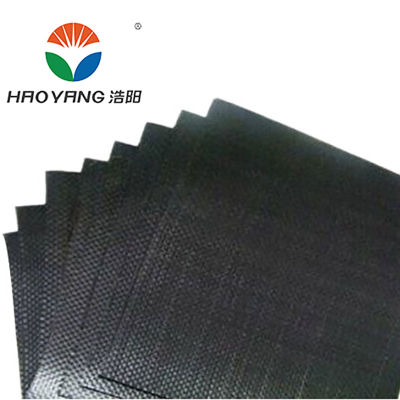
Widths range from 1 to 6 metres. Standard roll lengths are 50m and 100m. The Mine PP Geotextile for Drainage can be supplied in white or black, with custom dimensions on request.
Where It Gets Used
Heap leach pads are the biggest application. The Mine PP Geotextile for Drainage does two jobs here. First, it filters leachate as it drains to collection pipes, retaining ore fines. Second, it cushions the HDPE liner underneath from puncture by sharp ore. The Geotextil PP handles acidic solutions from gold, copper, and uranium leaching without losing strength.
Tailings dams need drainage layers that speed consolidation and prevent pore pressure buildup. The Mine PP Geotextile for Drainage provides vertical drainage that accelerates consolidation by 30 to 50 percent. It filters tailings solids, keeping drainage pipes clear. The fabric's chemical resistance handles the varied chemistry of tailings slurries.
Underground mine dewatering relies on robust systems to keep workings dry. The Nonwoven Geotextile wraps drain pipes and lines sumps, allowing water in while excluding sediment. It handles acid mine drainage without losing strength.
Process ponds—washing, dissolved, precipitation—all need leachate collection that stays functional. The Mine PP Geotextile for Drainage provides the filtration layer that keeps collection pipes clear. Polypropylene's resistance to acids and alkalis ensures reliable performance.
Liner protection for containment ponds is another common use. Geomembranes need cushioning from sharp subgrade materials and drainage stone. The Mine PP Geotextile for Drainage absorbs point loads and prevents punctures. It also provides a drainage path for any liquids that reach the liner.
Haul road separation keeps mining roads from failing. The Geotextil PP prevents subgrade soils from pumping up into the aggregate base. It also provides drainage to keep the road base dry under heavy haul truck traffic.
Packaging and Shipping Details
Roll widths go from 1 to 6 metres. Standard lengths are 50m and 100m. Custom sizes can be arranged for large projects.
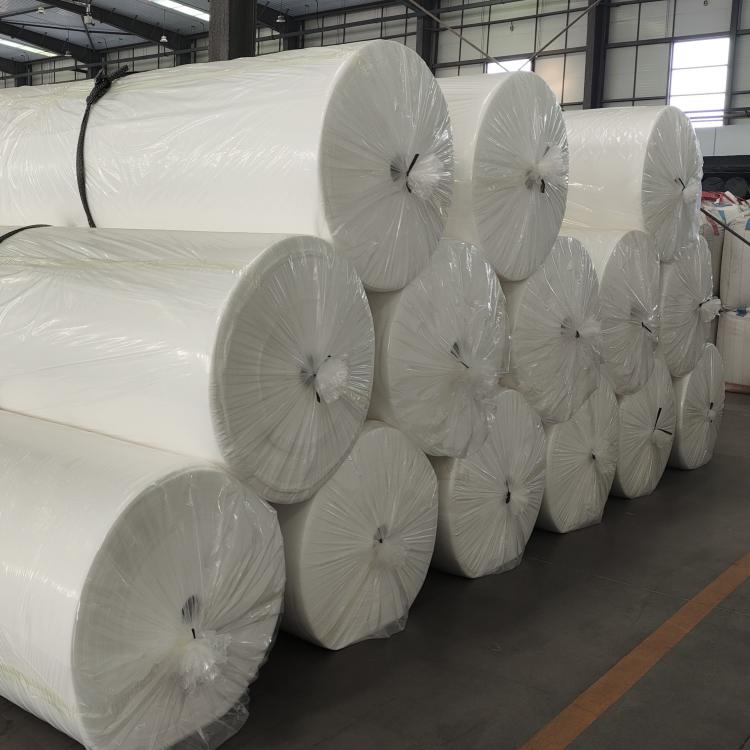
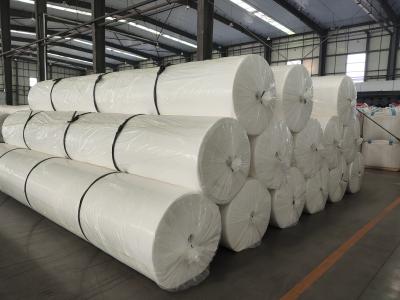
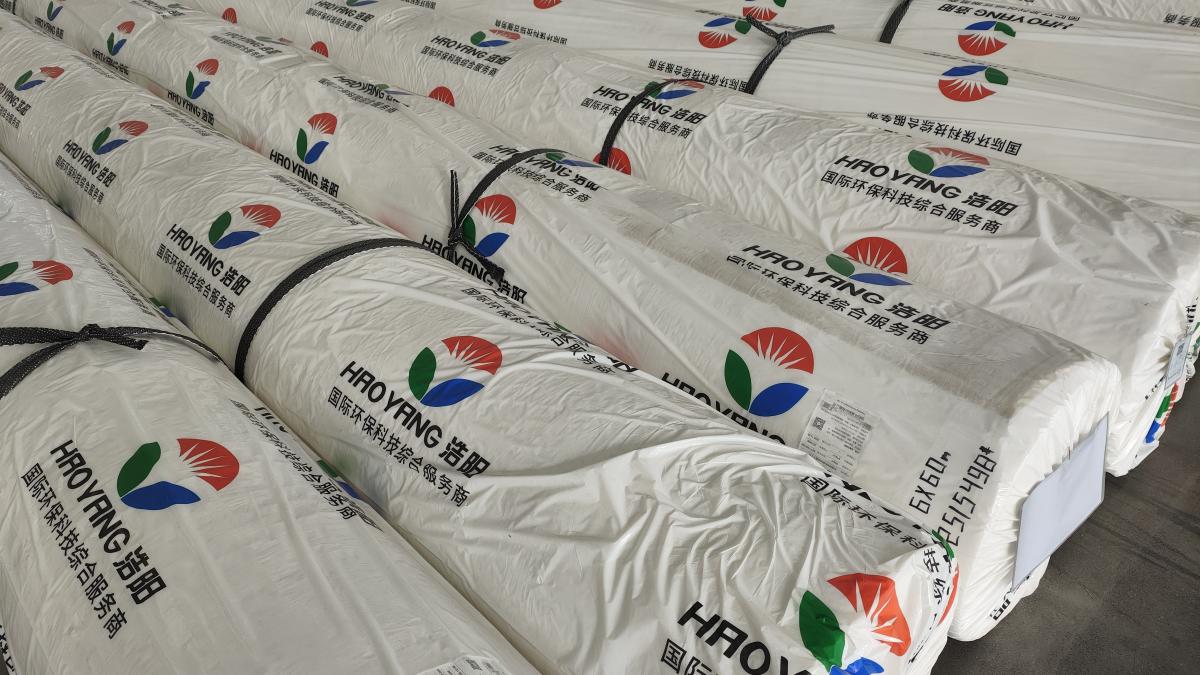
Packaging is simple but effective. Each roll winds onto a cardboard core and gets wrapped in polyethylene film. Steel or plastic straps secure the wrap and provide lifting points. Labels clearly show weight, dimensions, lot numbers, and certification details.
Palletising uses standard forklift-friendly loads. Rolls stack on pallets, with loads limited to safe weights. Pallets are stretch-wrapped and labelled.
Container loading for export uses 20- or 40-foot containers. Load plans account for the weight of the Mine PP Geotextile for Drainage to keep containers legal. A 20-foot container typically holds 2000 to 4000 square metres depending on roll width and weight.
Storage is straightforward. Keep rolls on pallets or raised surfaces, away from standing water. Stack no more than two high. Leave wrapping on until installation. UV stabilisation is not unlimited, so cover within a few weeks of delivery.
About the Manufacturer
Production capacity is substantial. Leading manufacturers run dedicated needle-punch lines for mining grades, with daily output exceeding 1,000,000 square metres for some operations. That kind of volume ensures consistent supply for large-scale heap leach projects.
Raw materials come from top petrochemical suppliers. Virgin polypropylene fibres are consistent in denier and properties, which means the fabric properties stay uniform roll after roll. The Geotextil PP is manufactured under strict quality controls.
Quality assurance is rigorous. In-house labs test every batch for weight, thickness, tensile, puncture, opening size, and flow rate. Anti-acid corrosion testing verifies that breaking strength and elongation retention stay above 90 percent. Certifications like ISO 9001, CE, and SGS are standard.
Technical support is available from mining and geotechnical engineers. They help customers select the right weight and specification for their specific application. They understand heap leach pad design, tailings dam standards, and underground drainage requirements.
Global logistics mean you can get the Mine PP Geotextile for Drainage delivered to mining projects anywhere in the world. Export documentation and freight coordination are handled in-house.
Frequently Asked Questions
Q: Why choose polypropylene over polyester for mining drainage?
A: Polyester geotextiles degrade in alkaline conditions—strength drops and creates safety risks. The Mine PP Geotextile for Drainage resists acids and alkalis across pH 2 to 13. It is the safer choice for most mining environments.
Q: What weight should I specify for my heap leach pad?
A: 200g to 400g works well for filtration layers. 500g to 800g or higher is better for liner protection and cushioning. Site-specific factors like ore type, equipment loads, and stone size influence the decision.
Q: How does needle-punched construction help drainage?
A: Needle punching creates a three-dimensional structure with distinctive pores that provide excellent filtration and drainage while maintaining mechanical strength. The Nonwoven Geotextile filters throughout its thickness, preventing surface blinding.
Q: Can this fabric handle acidic leach solutions?
A: Yes. The Mine PP Geotextile for Drainage resists acids and alkalis across pH 2 to 13. Testing confirms over 90 percent strength retention after chemical exposure. It works for gold, silver, copper, molybdenum, and uranium heap leaching.
Q: How much overlap between rolls?
A: 300 to 500 mm for filtration. 500 to 750 mm for liner protection. On slopes, place the upper roll over the lower so water runs over the lap.
Q: How long can it sit exposed to sunlight?
A: UV stabilisers protect for several weeks of normal sunlight. Cover the Geotextil PP within 30 days for best results. For large mining projects, plan installation in phases.
Q: How is it installed in heap leach pads?
A: Unroll the Mine PP Geotextile for Drainage over the prepared subgrade or geomembrane. Overlap according to specifications. Place drainage stone, then ore. The fabric's flexibility allows trouble-free installation.
Q: How long does it last underground?
A: 50 years or more. No UV underground. Stable temperatures. No biological breakdown. Polypropylene's chemical resistance ensures decades of reliable performance.
For mining drainage and filtration that stands up to aggressive conditions, the Mine PP Geotextile for Drainage is a proven choice. Contact your supplier with project specifications for certified test reports and custom roll dimensions.