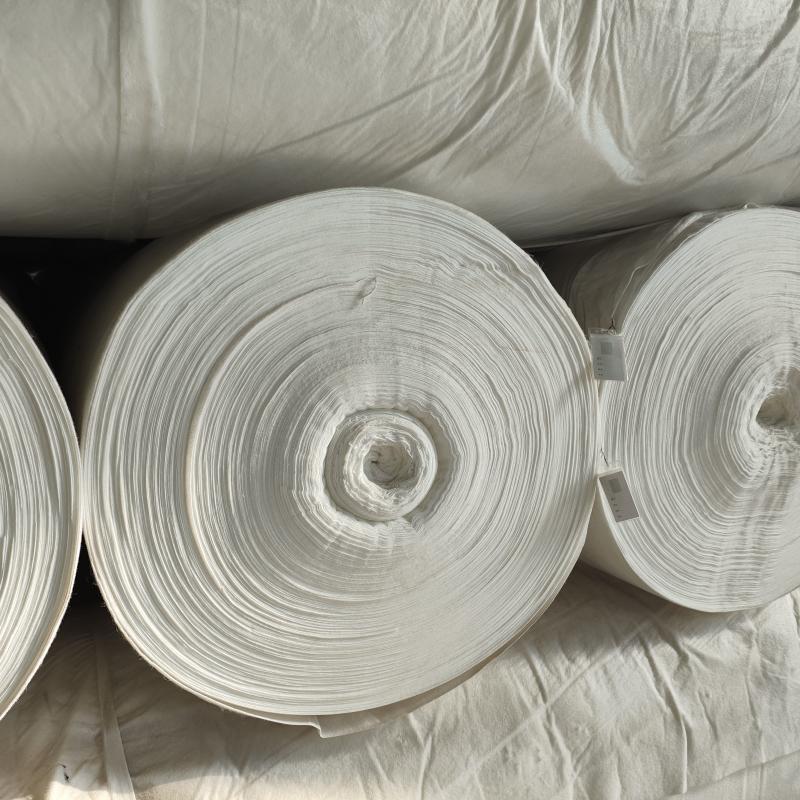
Mud. Slippage. Clogged drains. If you manage a mine site, you've likely spent too many hours dealing with the chaos water causes. Traditional fixes often fail under the relentless weight of machinery and chemical exposure. That's precisely why our Mine Drainage and Stabilization PP Geotextile Non Woven was developed. Forget fragile barriers; this is a rugged, needle-punched fabric designed to create order. It separates unstable soil from your aggregate base, filters sediment-laden water, and adds crucial reinforcement to weak ground. From the Australian outback to Canadian tar sands, this specific Mine Drainage and Stabilization PP Geotextile Non Woven has become a go-to for project managers who need results, not promises. As a dedicated Geotextile Filter China Manufacture, we build this fabric to survive where others break down.
1. Unpacking the Solution: What This Fabric Actually Does
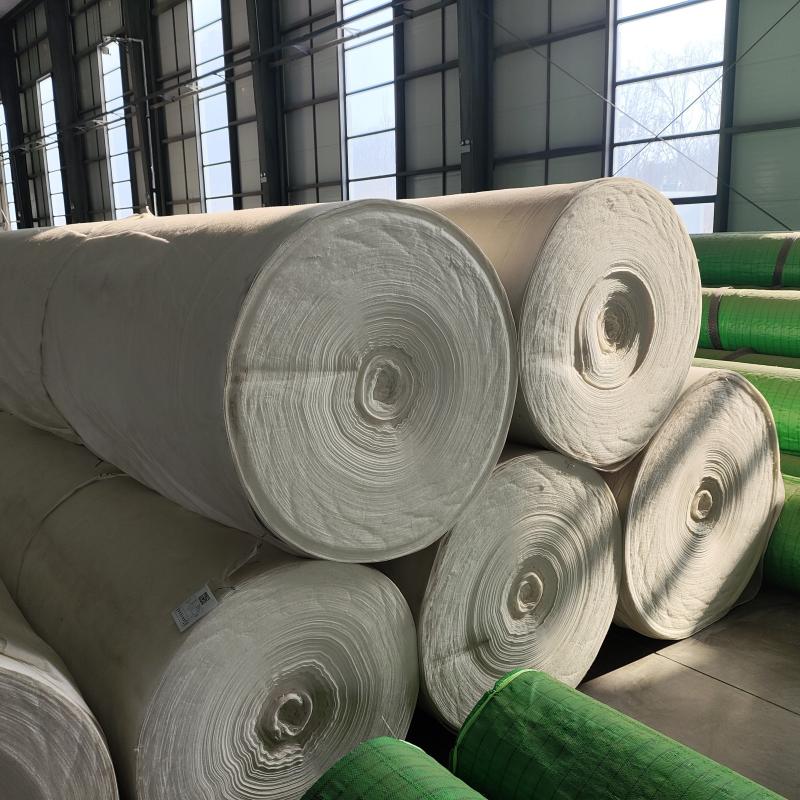
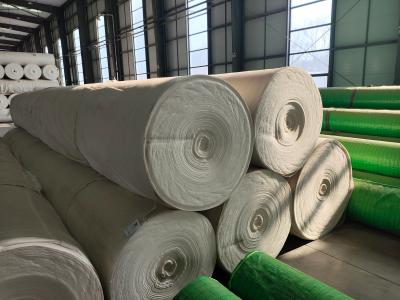
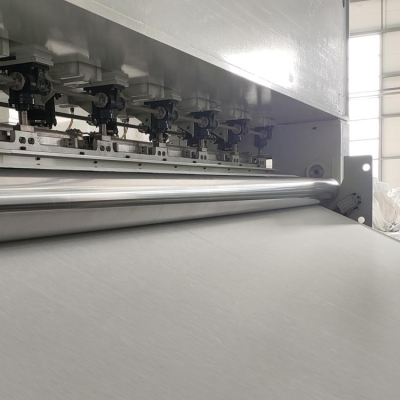
Okay, let's get specific. What are you rolling out onto your site? Our product is a Non Woven Polypropylene Geotextile, created by entangling high-tenacity polypropylene fibers with thousands of barbed needles. This isn't a woven grid; it's a dense, three-dimensional felt mat. That structure is the secret. It performs two critical jobs simultaneously: it acts as a filter, allowing water to pass while trapping soil particles, and it acts as a separator, preventing your costly gravel from sinking into the soft subgrade below. Think of it as a permanent, high-performance liner for your drainage trenches, haul roads, and tailings dam filters. Selecting the right weight—200, 400, or 500 gsm—is key, and that’s where our experience as a leading Geotextile Filter China Supplier proves invaluable. We help you match the fabric to the stress, not the other way around.
2. The Tangible Benefits: What Changes on Your Site
Here’s what you’ll notice after deploying our PP Geotextile Non Woven:
Drainage That Stays Open: The nightmare of a silted-up French drain is real. Our fabric's pore structure is engineered to prevent blinding, ensuring water keeps moving through the system season after season. We have case studies showing effective performance beyond five years in active coal mine drainage.
Strength That Handles Installation: A fabric is useless if it tears during placement. Ours withstands the abrasion of being dragged over rough ground and the puncture force of angular drainage stone being dumped from a loader bucket.
Chemical Resistance You Can Count On: Mine water isn't clean. It's often acidic or alkaline. Polypropylene is inert, so this Geotextile Nonwoven Fabric won't rot, mildew, or degrade when exposed to harsh leachates, unlike natural fiber alternatives.
True Cost Reduction Through Separation: This is the biggest win. By keeping layers distinct, you preserve the structural integrity of your road base or drainage stone. This drastically cuts down on annual regrading and aggregate replacement, saving significant money over the asset's life.
Faster Project Turnaround: Rolls are lightweight and deploy quickly with a small crew. You speed up the earthworks phase dramatically, getting your road operational or your drainage system active in a fraction of the time.
3. Specification Sheet: The Hard Data for Your Engineers
Your engineering team needs numbers. Here they are.
Property
Test Method (ASTM)
Unit
Typical Values
Mass Per Unit Area
D5261
g/m²
200, 300, 400, 500
Grab Tensile Strength
D4632
kN
0.8, 1.3, 1.7, 2.1 (MD)
Puncture Resistance (CBR)
D6241
N
1800 - 4800 (by weight)
Apparent Opening Size (AOS)
D4751
mm
0.08 - 0.12
Permittivity (Flow Rate)
D4491
sec⁻¹
1.8 - 0.9 (by weight)
UV Resistance
D4355
% Strength Retained
%
4. Putting It to Work: Real-World Mining Applications
This Mine Drainage and Stabilization PP Geotextile Non Woven isn't for landscaping. It's for critical infrastructure:
Beneath Heavy Haul Roads: Installed directly on the compacted subgrade. It's the difference between a stable road that lasts and a rutted mud pit after the first rain.
Within Tailings Dam Drainage Systems: Serves as the filter layer in drainage blankets and chimneys, critical for controlling seepage and maintaining dam stability.
Lining Sediment Control Ditches: Placed under rip-rap, it filters runoff, protecting downstream water quality while allowing clean infiltration.
Stabilizing Soil on Working Slopes: Prevents surface erosion on newly cut benches or soil stockpiles until permanent vegetation is established.
Underlying Heap Leach Pads: Provides separation and filtration, ensuring efficient collection of process solutions.
5. FAQ: Field Questions We Get All the Time
Q: Our subgrade is basically saturated clay soup. Will this work?
A: This is a frequent scenario. The fabric provides separation and filtration, but for ultra-soft, plastic soils (like a wet clay slurry), it should be part of a broader solution. This often includes using a heavier weight (500 gsm or higher) Non Woven Polypropylene Geotextile and potentially a layer of sand or fine aggregate directly on top of the fabric to distribute load before placing your primary road base. We can review your soil report.
Q: How do you join rolls on a steep slope?
A: On slopes, simple overlap can lead to slippage. We strongly recommend seaming. The most reliable field method is using a portable sewing machine with UV-resistant polyester thread. For temporary applications, heavy-duty galvanized staples or stakes on the overlap can suffice, but sewing is best for permanent, critical work.
Q: What's the real delivery time to a remote site, say in West Africa?
A: Transparency is key. From our factory dock in China to a port like Dakar or Abidjan, expect 5-6 weeks for ocean freight, plus inland transit to your site. We always advise ordering with a buffer. For urgent needs, ask us about air freight options for partial shipments.
Q: Can you provide a sample for our own testing?
A: Of course. We'll send you a full-square-meter sample of your specified weight, not a small swatch, so your team can perform tear, puncture, and permittivity tests in your own lab. We encourage it.
6. From Our Factory to Your Site: Packaging & Logistics
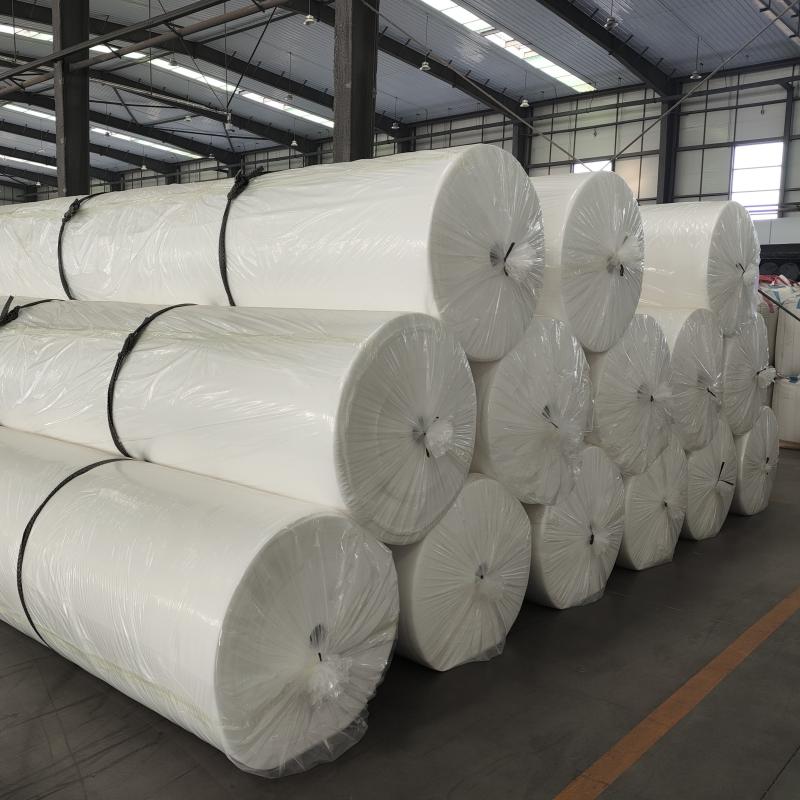
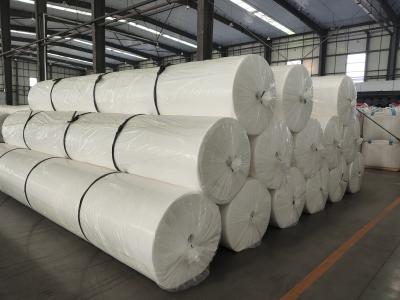
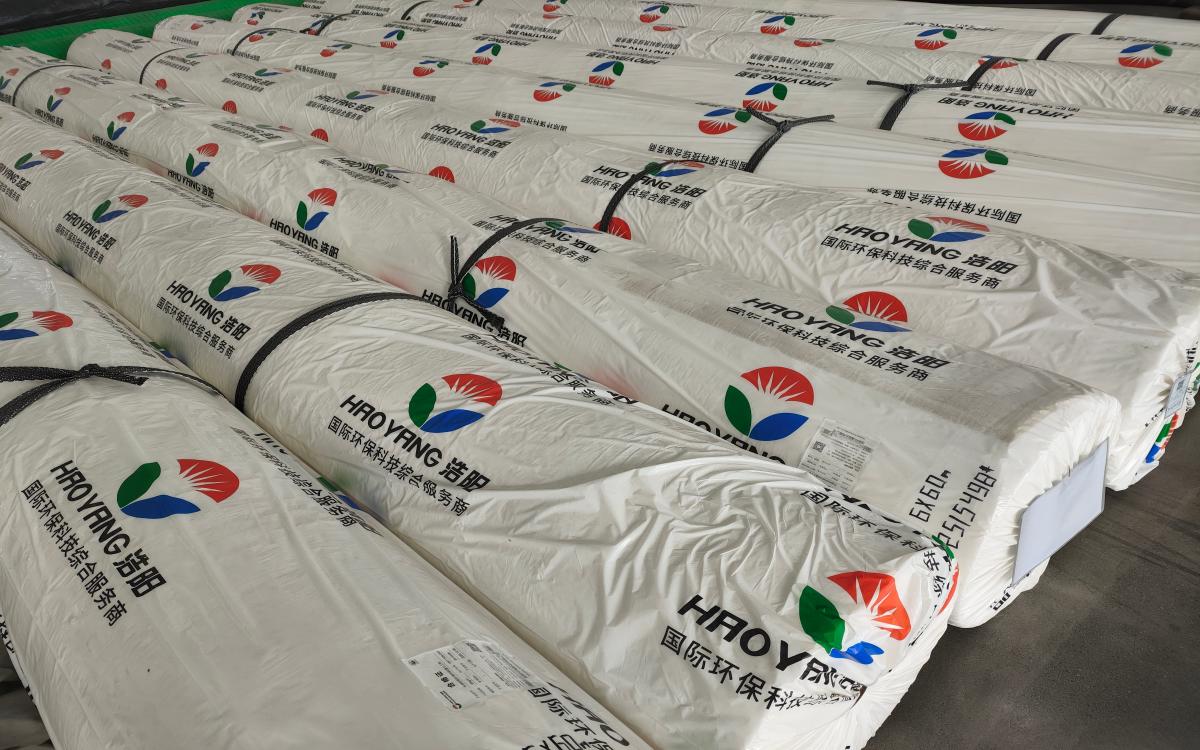
We package for war, not for show. Each roll is wound under high tension on a sturdy cardboard core, wrapped in a thick, tear-resistant plastic sleeve, and banded with steel straps. Rolls are then palletized and shrink-wrapped, creating a weather-resistant unit ready for ocean transport. As an experienced Geotextile Filter China Supplier, we manage the entire export process—commercial invoice, packing list, bill of lading, and certificates of origin/conformity. We work with you to schedule shipments that align with your project's critical path.
7. Why Our Fabric, and Why Our Company?
In a market full of traders, we are manufacturers. Our entire operation is geared toward heavy-duty geosynthetics. This focus means our production equipment, polymer sourcing, and quality control are optimized for the Mine Drainage and Stabilization PP Geotextile Non Woven you need. We don't just sell a product; we offer a partnership rooted in geotechnical understanding. When you call, you'll talk to someone who can discuss soil friction angles, permittivity, and installation techniques. Let's solve your ground instability and drainage problems with a material that's proven itself on the world's toughest sites. Reach out today with your project details.