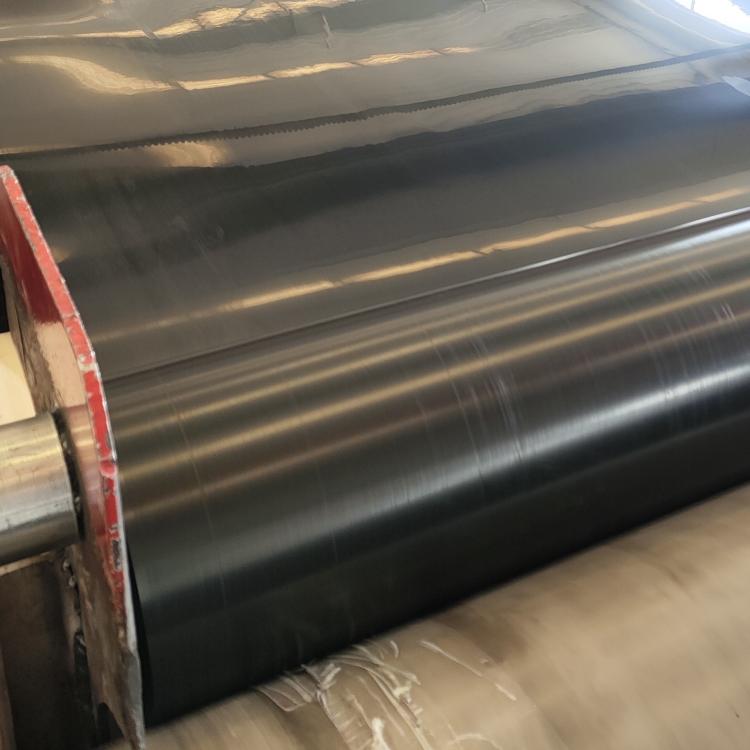
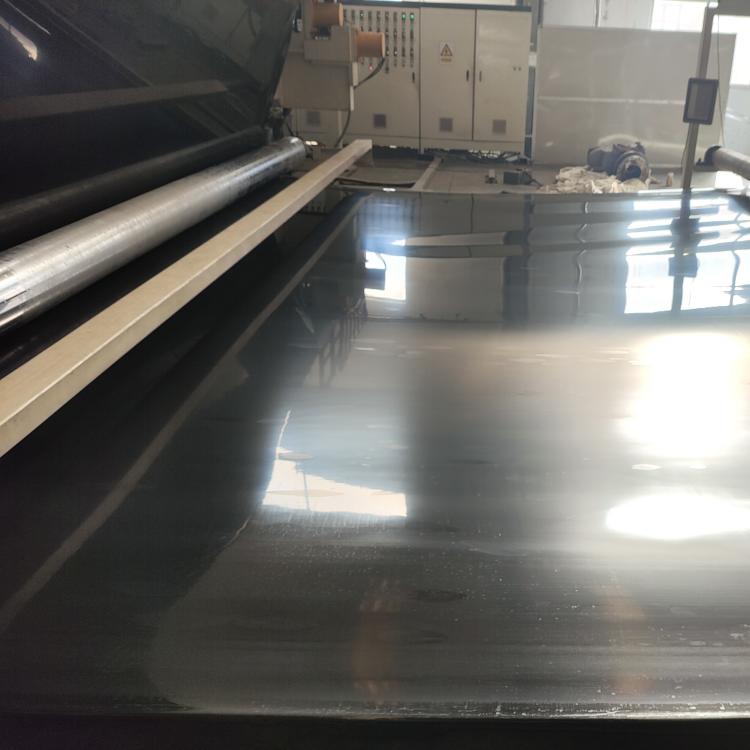
I have seen plenty of pond projects where someone bought a liner that was way too thick for what they actually needed. They spent extra money, wrestled with heavy rolls, and ended up with the same result—a pond that holds water. The Smooth Geomembran 300 Micron is the liner most people should have bought in the first place. At 0.3 mm thick, it is thin enough to keep costs down and freight reasonable, but thick enough to handle farm ponds, irrigation ditches, firefighting reservoirs, and even some landfill caps.
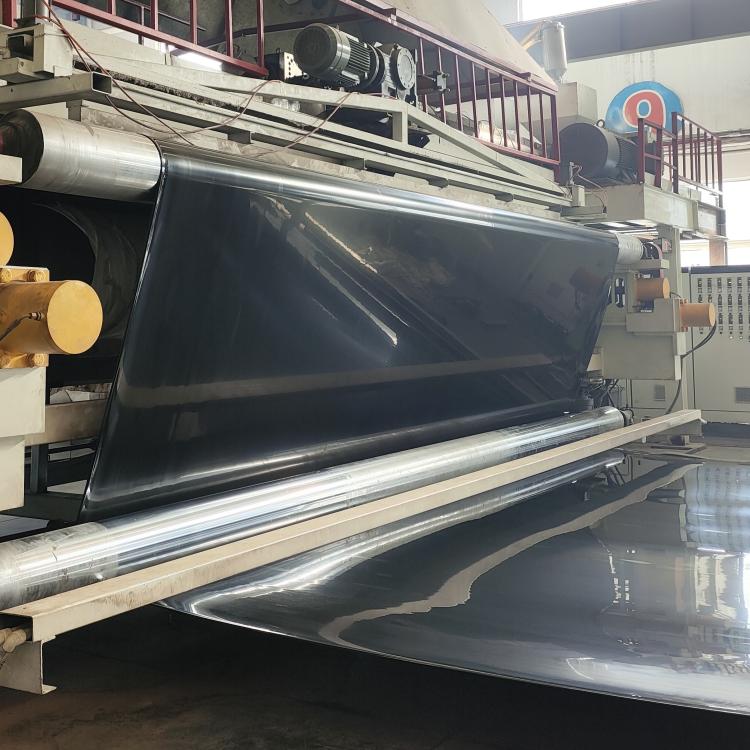
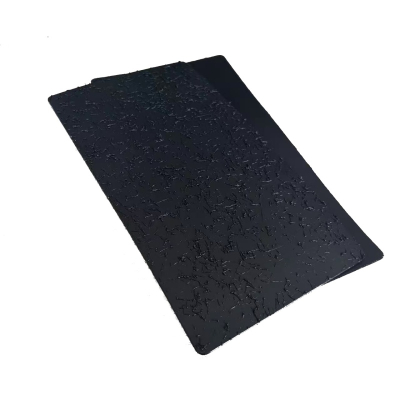
The Smooth Geomembran 300 Micron is made from high-density polyethylene with carbon black for UV protection. It is extruded into a uniform black sheet with a smooth surface on both sides. No plasticisers to leach out over time. No PVC brittleness after a few summers in the sun. Just a tough, flexible barrier that stops water seepage cold. I have installed this stuff on a dozen different sites, and it holds up.
What makes the Geomembran 300 Micron so popular is the value. A 6x50 metre roll covers 300 square metres and weighs about 75 kg. That is manageable for a small crew without a crane. For a typical half-acre pond, you can line the whole thing with this material for a fraction of what a thicker liner would cost. The Polyethylene Geomembrane in this thickness has been used successfully on thousands of projects, from backyard koi ponds to municipal stormwater detention basins.
What You Get with This Material
It is HDPE, not PVC. That is the first thing I tell people. PVC liners lose their plasticisers over time and turn into stiff, crack-prone sheets. The Smooth Geomembran 300 Micron stays flexible because HDPE does not rely on plasticisers. It is tough from the start and stays tough.
Carbon black does the heavy lifting on UV. The black colour comes from 2 to 3 percent carbon black. That blocks UV radiation and prevents the polymer chains from breaking down. You can leave this liner exposed during installation, and it will not degrade in a few weeks of sun. Buried or covered, it will last decades.
It stretches before it tears. Elongation at break runs over 700 percent. That means if the ground settles unevenly, the liner stretches rather than ripping. I have seen sites with minor subgrade movement where 300 micron held just fine while thicker, stiffer materials cracked.
Chemicals do not eat it. HDPE shrugs off acids, alkalis, oils, and salts. If you are lining a containment area for agricultural runoff or industrial chemicals, this stuff holds up. Landfill leachate? No problem. Mining solutions? It handles those too.
Welding is clean and simple. The smooth surface takes heat welding perfectly. Overlap 10 to 15 cm, run a hot wedge or extrusion welder along the seam, and you get a joint that is as strong as the sheet itself. No adhesives, no tapes, no guesswork. I have welded miles of this stuff, and it is about as straightforward as it gets.
Weight works in your favour. Compared to 500 or 750 micron, the 300 version is noticeably lighter. That means lower shipping costs and easier handling on site. One person can drag a roll into position with basic equipment.
Why 300 Micron Makes Sense for Most Jobs
You save money without sacrificing function. Thicker liners use more resin. The Smooth Geomembran 300 Micron uses roughly 40 percent less polyethylene than a 500 micron liner. That saving shows up in the invoice. For projects where budget matters—and when does it not?—this is a practical choice.
Freight costs stay lower. Weight drives shipping cost. A roll of 300 micron gives you more square metres per kilogram. For orders going overseas, the container utilisation difference is real. I have seen project budgets get eaten up by freight charges on heavy liners. This one keeps that in check.
Installation goes faster. Lighter rolls mean less crane time and fewer crew members. You can put down a 300 micron liner with a small team and basic tools. Heavier liners require more muscle and more machinery. Time is money, and this saves both.
It handles the vast majority of water containment jobs. Unless you have sharp rocks, heavy equipment crossing the liner, or extreme water depths, 300 micron is enough. Farm ponds, fire dams, irrigation channels, aquaculture tanks—this thickness handles the daily loads without issue.
No toxic additives to worry about. HDPE contains no plasticisers, no heavy metals. It is safe for fish, livestock, and even potable water storage in many jurisdictions. I have used it on fish farms where water quality was critical, and it never caused a problem.
Technical Details That Matter
Property
Value
Thickness
300 micron (0.30 mm)
Density
≥0.94 g/cm³
Tensile break strength
≥8 N/mm
Elongation at break
≥720%
Tear resistance
≥40 N
Puncture resistance
≥105 N
Carbon black
2.0-3.0%
Standard OIT
≥100 minutes
The Smooth Geomembran 300 Micron meets GRI-GM13 specs. Width options run from 1 metre up to 8 metres, with lengths from 30 to 200 metres depending on the roll.
Where People Actually Use This Liner
Farm ponds and irrigation storage. This is the biggest market by far. Farmers use the Smooth Geomembran 300 Micron to stop seepage in stock watering ponds, crop irrigation reservoirs, and firefighting water storage. It holds water reliably without costing a fortune. I have installed it on dozens of farms, and it works.
Fish and shrimp ponds. Aquaculture operations rely on this liner to maintain water levels and prevent contamination from soil. The smooth surface also makes harvesting and cleaning easier. The Polyethylene Geomembrane does not affect water quality, which is crucial for sensitive species.
Landfill caps and stormwater basins. Environmental engineers specify the Dam liner Geomembrane for low to moderate risk containment. It prevents leachate from reaching groundwater and manages runoff during storm events. Not for heavy industrial landfills, but for municipal and light industrial sites, it does the job.
Backyard ponds and water features. Homeowners like the affordability. A 300 micron liner holds water year after year without cracking or leaking. It is flexible enough to follow irregular shapes, and it is easy to trim and seam.
Secondary containment for fuel and chemicals. Industrial sites use this liner to line berms and catch spills. Chemical resistance means diesel, oil, and many industrial liquids do not degrade it. I have seen it used under fuel tanks and chemical storage areas with good results.
Mining heap leach pads. For lighter duty applications, 300 micron provides adequate puncture protection when combined with a geotextile cushion underneath. It is not for heavy-duty mining, but for smaller operations or temporary pads, it works.
Packaging and Shipping Practicalities
Roll widths typically run 2m, 4m, 6m, or 8m. Lengths are usually 30m, 50m, or 100m. Custom sizes available. Each roll is wrapped in a polyethylene sleeve with steel or plastic straps for lifting. Labels clearly show thickness, width, length, and batch number.
A 6x50 metre roll of Geomembran 300 Micron weighs about 75 kg. A 20-foot container holds roughly 2,000 to 3,500 square metres depending on roll width. The lighter weight compared to thicker liners means more material per container and lower freight costs.
Store rolls on pallets off the ground. Stack no more than three high. Keep them out of direct sunlight until installation—the UV stabilisers are for field exposure, not long-term storage.
About the Suppliers Who Make This Stuff
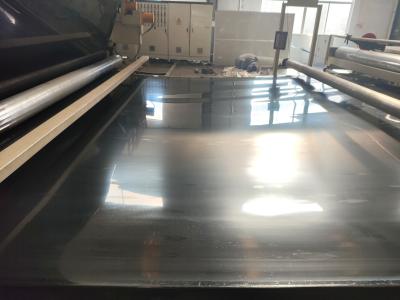
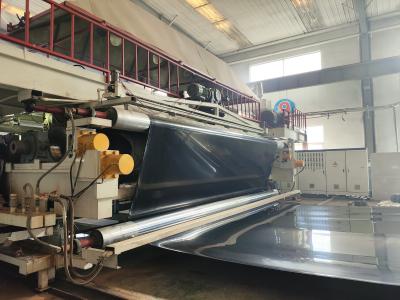
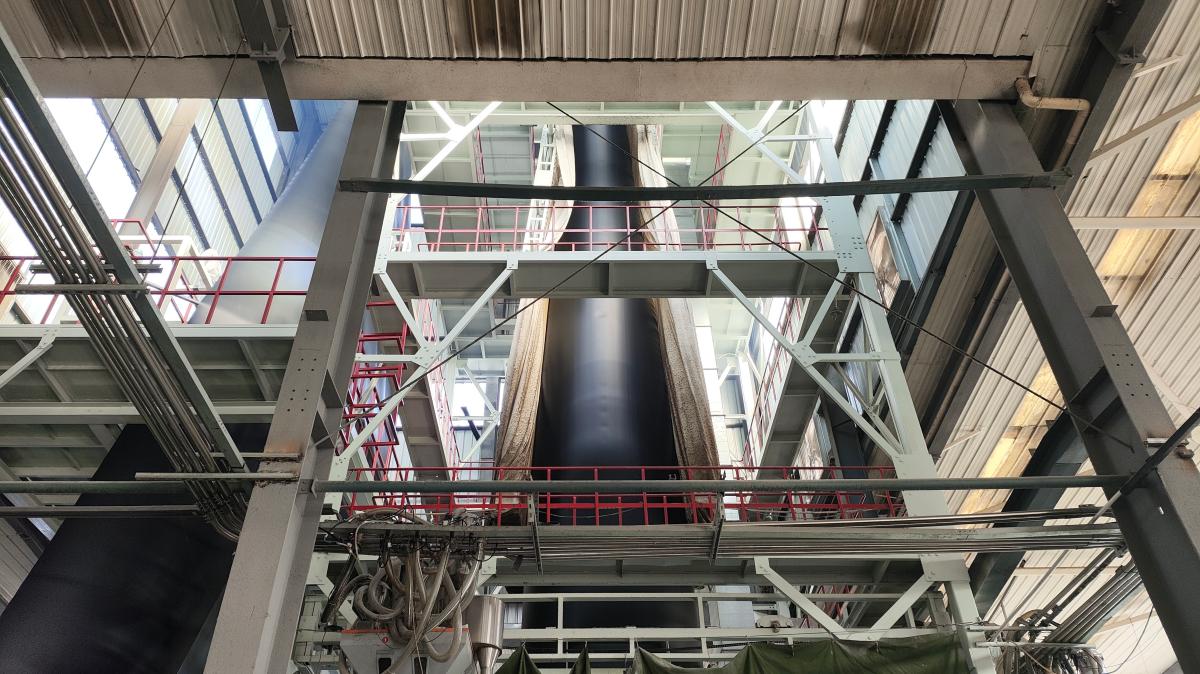
The better suppliers run extrusion lines around the clock. Output is measured in thousands of tonnes per year. They use virgin HDPE resin from major petrochemical companies—no recycled content that could introduce weak spots or contaminants. I have tested a lot of different brands, and the consistent ones always come from virgin resin.
Every batch gets tested in-house. Thickness, tensile, tear, puncture, carbon black, OIT—all checked. Certificates are provided with shipments. ISO 9001 and CE marking are standard for reputable manufacturers. If a supplier cannot provide test reports, walk away.
Technical support is available. Engineers can help with welding parameters, subgrade preparation, and thickness selection. Many have field experience and understand real-world installation challenges. I have called them on site more than once, and they talked me through tricky seams.
Export capability covers over 50 countries. Logistics teams handle documentation, container loading, and shipping coordination. Delivery times are reliable if you order from someone who knows what they are doing.
Questions People Ask Me All the Time
Q: Is 300 micron thick enough for my pond?
For most farm ponds, irrigation dams, firewater tanks, and decorative ponds, yes. If you have sharp rocks in the subgrade, heavy equipment crossing the liner, or water depths over 3 metres, consider going thicker. The Smooth Geomembran 300 Micron handles static water and light soil contact without issue.
Q: How long does it last?
Above ground with UV exposure, expect 20 years or more. Buried or covered, you get 50 years easily. The carbon black stops UV degradation, and HDPE does not rot or decompose. I have seen 300 micron liners still going strong after 15 years in exposed conditions.
Q: Can you weld it?
Yes. Hot-wedge or extrusion welding both work. Overlap 10 to 15 cm. Welded seams match the strength of the sheet. No tape, no glue. Just clean surfaces and consistent heat.
Q: Is it safe for fish?
Yes. HDPE is inert and non-toxic. No plasticisers, no heavy metals. Widely used in aquaculture worldwide. I have used it on tilapia and shrimp farms with zero issues.
Q: How does it compare to PVC?
HDPE beats PVC on UV resistance, chemical resistance, and long-term durability. PVC gets brittle over time. The Polyethylene Geomembrane stays flexible. I have replaced plenty of PVC liners with HDPE after the PVC started cracking.
Q: What thickness should I choose?
300 micron for low-risk, cost-sensitive projects. 500 micron for moderate risk. 750+ for heavy-duty. The Dam liner Geomembrane in 300 micron is the most popular for agriculture and landscaping.
Q: How do I prepare the ground?
Remove rocks, roots, and debris. Compact the subgrade. Put a sand layer or geotextile underneath if sharp stones are present. A smooth, firm base prevents punctures. I have seen liners fail because someone skipped this step.
Q: Can it hold drinking water?
Yes. HDPE is approved for contact with potable water in many countries. Check local regulations, but the material itself is safe.
Q: How much overlap for welding?
Minimum 100 mm, preferably 120 to 150 mm. Clean the surfaces before welding. Keep the seam straight and apply consistent heat and pressure. I always test a sample seam before doing the main runs.
Q: How much does it cost compared to thicker liners?
300 micron uses about 40% less resin than 500 micron, and 60% less than 750 micron. The price difference is significant. For projects that do not need maximum thickness, the Smooth Geomembran 300 Micron saves money without compromising essential performance.
For water containment that works without overpaying, the Smooth Geomembran 300 Micron is a solid choice. Contact your supplier with project details for roll dimensions, certified test data, and installation advice. It is the practical liner for real-world projects.