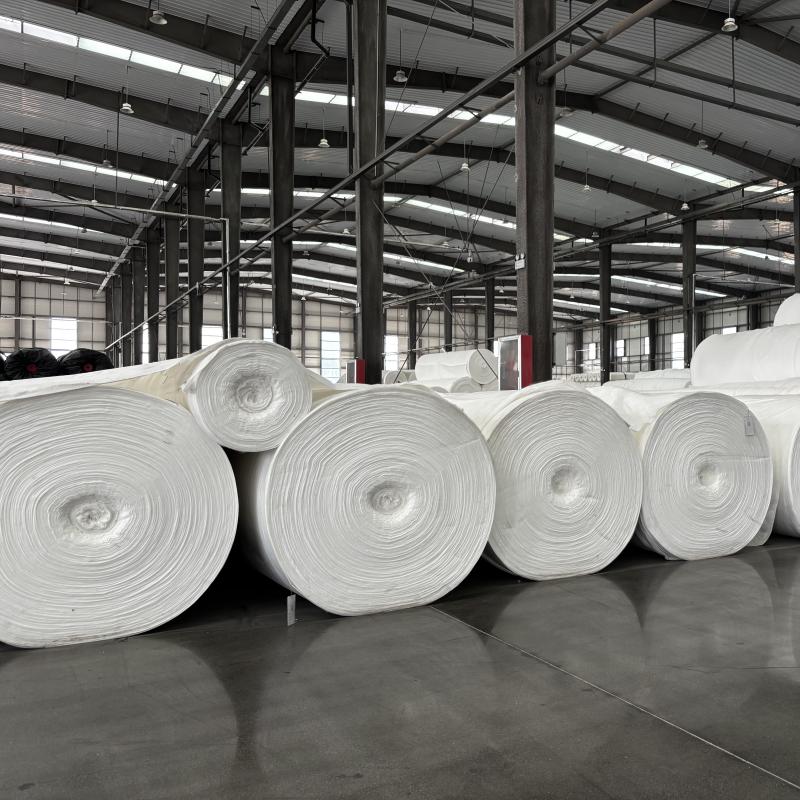
Experienced civil engineers and contractors know that what goes into a geotextile determines how it performs once buried. Polyester GeotextileFilter Fabric has earned a reputation in the industry for dimensional stability and chemical resistance that polypropylene sometimes cannot match. Unlike materials that creep or stretch over time under sustained load, polyester maintains its original dimensions, which matters when filtration requirements are tight and failure means digging everything back up.
The Polyester Geotextile Filter Fabric starts as synthetic fibers, either staple fibers or continuous filaments, that get mechanically entangled through needle punching. No chemical binders needed. Just thousands of barbed needles punching through the fiber web, physically locking everything together . This creates a three-dimensional structure with controlled pore sizes that trap soil particles while letting water pass through. The polyester chemistry brings specific advantages: higher modulus, better creep resistance, and excellent performance in environments where temperatures fluctuate or chemicals are present.
What separates Polyester Geotextile from other materials becomes obvious when projects demand long-term performance. Polyester resists UV degradation better than some alternatives, though no geotextile should stay exposed indefinitely. It handles contact with soils across a wide pH range. And importantly for filtration applications, it maintains its opening sizes over decades rather than deforming under load. For engineers specifying critical drainage or separation, these characteristics justify the material selection.
Physical Characteristics That Show Up in the Field
Crews installing Polyester Geotextile Filter Fabric notice differences immediately. The material has body without being stiff. It unrolls smoothly and conforms to subgrade irregularities naturally. Unlike some fabrics that feel flimsy or stretch excessively during handling, polyester provides predictable response during installation.
Weight ranges typically run from 100 to 800 grams per square meter depending on application requirements . Lighter weights work for basic filtration and separation. Heavier grades handle puncture risks from angular aggregate and construction equipment traffic. Thickness varies correspondingly from under one millimeter up to nearly six millimeters at the heaviest end.
The Nonwoven Geotextile construction creates a felt-like texture with random fiber orientation. This randomness matters because it eliminates weak directions. Tensile strength distributes more evenly than in woven materials where yarn orientation creates distinct strong and weak axes. Elongation at break typically ranges from 25 to 100 percent, providing enough ductility to accommodate settlement without rupturing .
Opening sizes fall between 0.07 and 0.2 millimeters for most filtration grades . This range covers the majority of soil retention requirements. Manufacturers adjust fiber denier and needle punching density to target specific opening sizes matched to project soil conditions. Test reports verify that production runs meet specified values.
Why Polyester Makes Sense for Filtration Applications
Polyester Geotextile Filter Fabric excels specifically where filtration drives the design. The random fiber matrix traps particles throughout its thickness rather than just on the surface. This depth filtration means gradual clogging happens slower, and the fabric maintains flow capacity longer than materials that blind off at the interface.
Water permeability runs high enough that the fabric rarely becomes the flow bottleneck. Vertical permeability coefficients typically range from 10⁻¹ to 10⁻³ centimeters per second . For most soil conditions, the surrounding soil limits flow rates, not the geotextile. Engineers designing drainage systems appreciate this margin.
The Woven Geotextile alternative offers higher tensile strength but sacrifices filtration efficiency. Woven materials have regular openings between yarns that either pass particles or stop them at the surface. Nonwoven construction, by contrast, creates tortuous paths that capture particles throughout the fiber matrix. For drainage applications where long-term flow matters, the nonwoven approach wins.
Chemical resistance deserves attention. Polyester withstands acids commonly found in industrial soils and organic environments. It resists microbial attack. It maintains properties in contact with leachate and other aggressive fluids . This durability translates to service life measured in decades rather than years.
Applications Where This Material Proves Itself
Polyester Geotextile Filter Fabric shows up across civil engineering because it handles multiple functions simultaneously. Here is where experienced specifiers put it to work.
Drainage Trenches: French drains, curtain drains, and foundation perimeter drains rely on geotextile to keep aggregate clean. The fabric wraps around pipe and stone, allowing water in while keeping soil out . Without this protection, fines gradually fill void spaces and drainage stops. Excavating failed drains costs exponentially more than installing proper fabric initially.
Retaining Walls: Water builds up behind walls that lack drainage. This pressure eventually moves walls or cracks them. Polyester Geotextile Filter Fabric placed against the wall face and extending into drainage aggregate provides the path water needs to escape while holding soil in place. Walls with proper geotextile protection never experience the pressure buildup that destroys unprotected structures.
Green Roofs and Landscaping: Lighter weight polyester fabrics work exceptionally well in green roof systems where filtration and separation matter but loads stay moderate . The material separates growing media from drainage layers while retaining fine particles. Water passes through to drainage components while soil stays where it belongs. Recycled polyester versions offer environmental benefits for sustainable projects .
Pond and Landfill Protection: Geomembranes need protection from puncture during cover placement. A layer of Polyester Geotextile Filter Fabric cushions these impermeable materials against sharp rocks in the cover soil . The same fabric provides filtration in leachate collection systems, keeping drainage aggregate clean while allowing liquid movement.
Road Construction: Placed between soft subgrade and aggregate base, polyester geotextile prevents mixing that compromises pavement. The fabric allows water to pass while stopping soil migration. Roads protected this way require fewer overlays and less maintenance over their design life.
Specifications That Actually Matter
Numbers on data sheets mean little if they do not match site conditions. Here are the parameters experienced specifiers actually pay attention to.
Parameter
What It Tells You
Typical Range
Test Method
Mass per Unit Area
Heavier fabric handles more abuse
100 to 800 g/m²
ASTM D5261
Apparent Opening Size
What size particles get stopped
0.07 to 0.2 mm
ASTM D4751
Water Permeability
How easily water passes through
0.01 to 0.1 cm/s
ASTM D4491
CBR Puncture
Resistance to rock pushing through
0.3 to 5.0 KN
ASTM D6241
Tensile Strength
Load capacity during installation
2.5 to 31 KN/m
ASTM D4595
Weight tolerance typically runs within six to eight percent of nominal value on quality material . Wider variation indicates inconsistent manufacturing that leads to surprises on site.
Opening size selection depends entirely on soil gradation. Fine soils need smaller openings to prevent piping. Coarser soils tolerate larger openings without losing material. Geotechnical reports provide the grain size distribution data needed to match fabric selection.
MARV values matter when specifying. Minimum Average Roll Value represents a statistical guarantee that 97.5 percent of the material meets published specifications . Reputable manufacturers publish MARV data rather than optimistic typical values.
Installation Realities from Experienced Crews
Overlap requirements typically run 300 to 500 millimeters depending on subgrade conditions. Soft ground needs more overlap because fabric sections may shift during cover placement. Some specs require sewing or thermal bonding for critical applications, but standard projects rely on cover weight to hold overlaps.
Cover placement sequence matters. Dumping aggregate directly on fabric works best when starting at the far end and working backward. This keeps trucks on already-placed cover rather than running on exposed fabric. When equipment must travel on bare fabric temporarily, keeping turning radius wide prevents tearing.
UV exposure limits vary by manufacturer but typically run 30 days maximum before cover placement . While polyester handles UV better than some polymers, no geotextile should stay exposed indefinitely. Projects delayed beyond this window risk strength loss before the fabric ever gets covered.
Subgrade preparation affects performance. Remove large clods, sharp rocks, and debris that could puncture fabric during placement or under load. Smooth surfaces allow fabric to contact soil everywhere, which matters for filtration and separation .
Questions Engineers and Contractors Ask
How long does polyester geotextile last underground?
Properly buried Polyester Geotextile Filter Fabric from virgin polymers lasts decades in most soil conditions. Manufacturers cite minimum durability of 25 years in soils with pH between 4 and 9 at temperatures below 25°C . Actual service life typically extends far beyond warranty periods.
Does polyester creep under sustained load?
Polyester exhibits better creep resistance than polypropylene. For applications involving permanent loads against retaining structures or embankments, this matters. The higher modulus means the fabric maintains its dimensions and opening sizes over time rather than deforming .
Can I use this for both separation and drainage?
Yes. That combination of functions is exactly what Nonwoven Geotextile does well. It separates soil layers while allowing water movement between them. This dual capability makes it more versatile than materials designed for single functions .
How do I know what opening size I need?
Soil testing provides the answer. Grain size distribution determines what opening size retains particles without clogging. Geotechnical reports typically include this data. Manufacturers help match fabric selection to soil conditions.
What about freeze-thaw performance?
Polyester maintains properties across temperature cycles. The material stays flexible enough to handle ground movement without cracking or becoming brittle. This matters for projects in northern climates where freeze-thaw cycles stress buried materials.
Does recycled content affect performance?
Recycled polyester geotextiles offer environmental benefits and work well for less demanding applications like green roofs and landscaping . For critical infrastructure requiring certified performance, virgin material provides documented properties and verified test data.
Packaging and Delivery Expectations
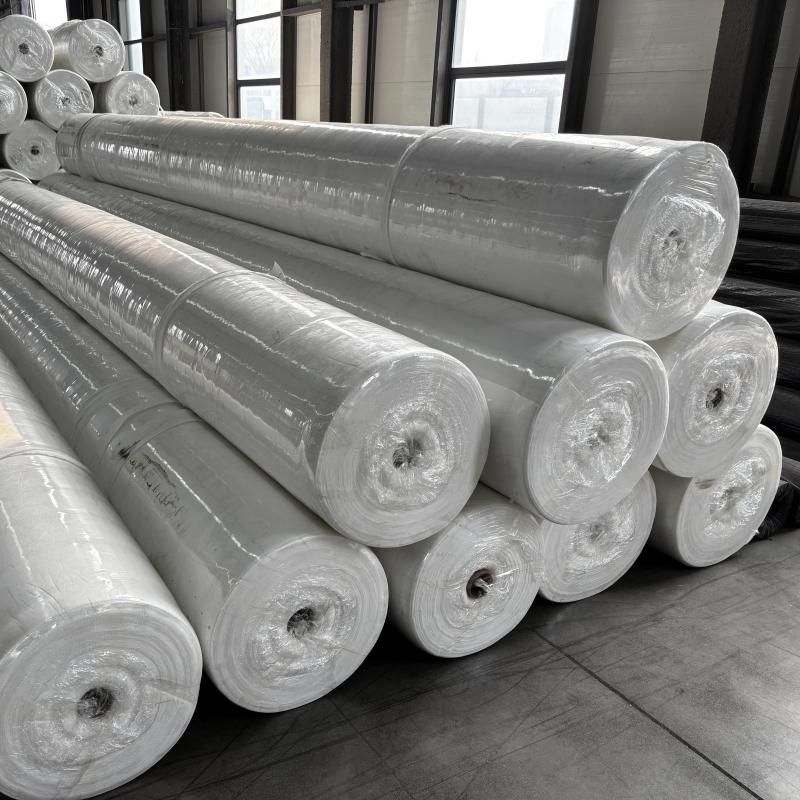
Standard rolls run 1 to 6 meters wide with lengths adjusted to maintain manageable handling weights . Heavier fabrics come in shorter rolls because 800 g/m² material gets heavy fast at full length.
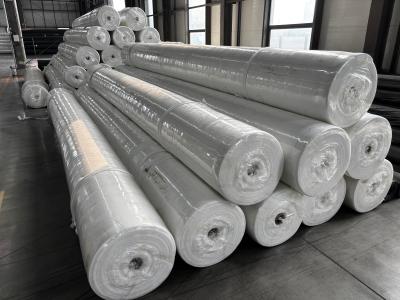
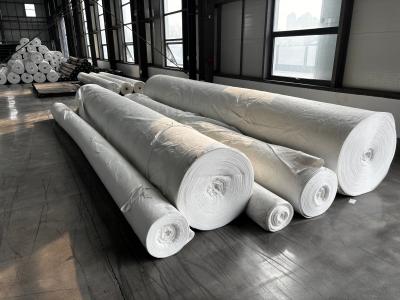
Wrapping consists of polyethylene film or woven polypropylene bags that protect against moisture and mechanical damage during transit. Multiple straps secure the wrapping and provide lifting points.
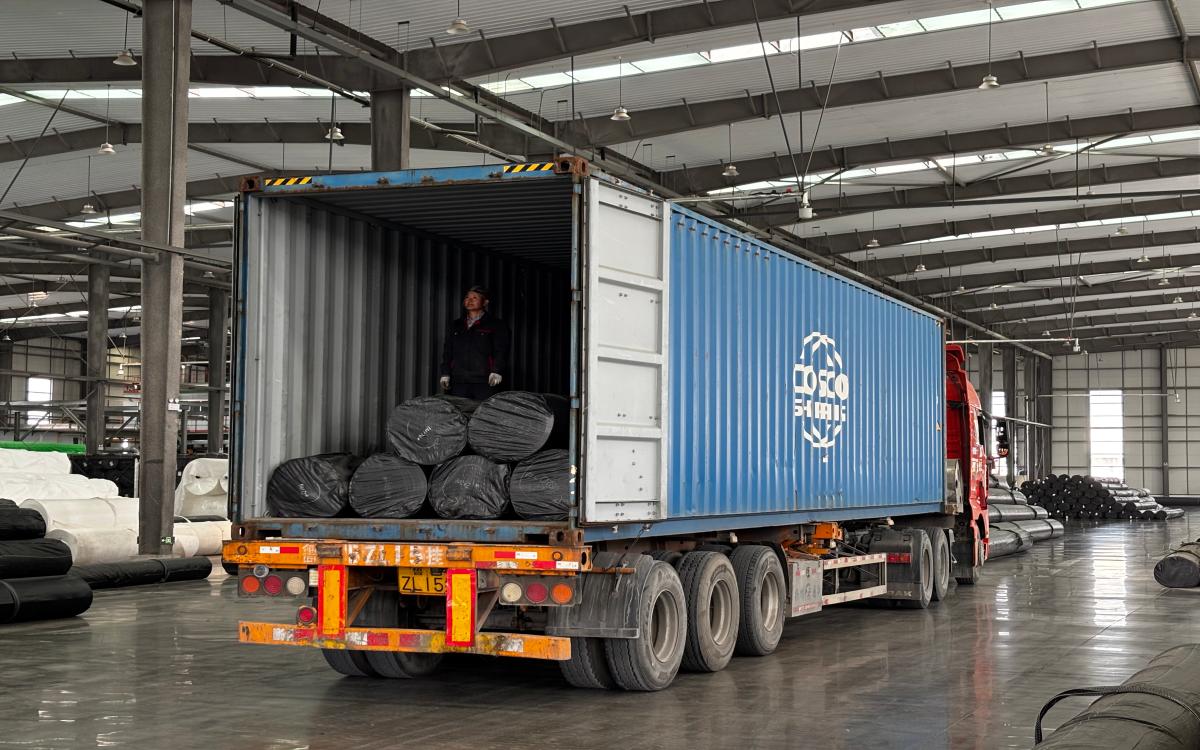
Container loading for export shipments requires careful stowage to prevent damage during ocean transit. Twenty-foot containers typically hold three to four tons. Forty-foot containers handle five to eight tons depending on roll dimensions.
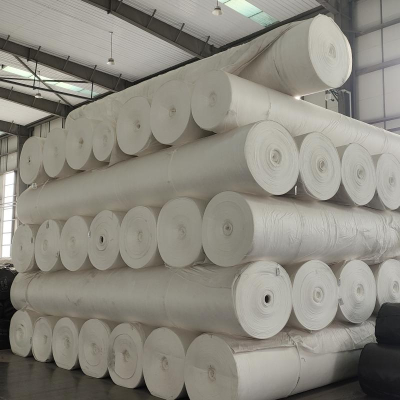
On-site storage should keep rolls elevated and covered until installation. Stacking limited to three high prevents deformation of bottom rolls. Extended outdoor storage benefits from additional opaque covering beyond the factory wrapping.
Manufacturing Considerations
Production facilities vary widely in capability. Polyester Geotextile Filter Fabric manufacturing requires consistent fiber quality and precise needle punching control. German and Italian equipment dominates the high end of the market.
Quality control separates serious manufacturers from commodity producers. In-house laboratories test each production run for mass, strength, puncture resistance, and opening size. Third-party verification provides additional confidence for international projects.
Vertically integrated operations control quality from polymer procurement through finished product. This allows rapid response to custom specifications and maintains stable pricing. Manufacturers without this integration depend on external suppliers for raw materials, introducing variability.
Technical support matters when projects encounter unusual conditions. Established manufacturers employ geotechnical engineers who understand both material properties and field performance. This expertise helps specifiers avoid costly mistakes in material selection.
What Experienced Buyers Look For
Buyers who have sourced Polyester Geotextile Filter Fabric for years look beyond price. They check manufacturing dates because older stock may have degraded in storage. They verify test reports against project specifications rather than assuming compliance. They maintain relationships with multiple suppliers to ensure availability when projects need material fast.
Polyester Geotextile cost per square meter matters but represents only part of the equation. Shipping costs, lead times, and reliability affect total project expense. Buyers factor in whether the supplier delivers on time and whether rolls arrive in condition for immediate installation.
References from other contractors provide insight that spec sheets cannot. Experienced buyers ask about specific installations similar to their own projects. They want to know how the fabric performed during installation and whether filtration systems maintained flow years later.
For projects requiring certified material, buyers verify that manufacturers provide test reports from accredited laboratories. They confirm that the material delivered matches the certification rather than assuming all rolls from a production run are identical.
Specifying Polyester Geotextile Filter Fabric requires matching material properties to site conditions rather than simply picking the heaviest option available. Contractors who understand this distinction avoid the failures that plague projects where geotextile selection received insufficient attention. Contact manufacturers who employ actual geotechnical engineers and can provide test data verified by independent laboratories. The small investment in proper specification pays returns across decades of project performance.