Product Overview
Not every job site needs heavyweight fabric. Many common projects simply require a reliable separation layer that filters water, stops soil migration, and keeps the budget intact. The Non Woven Geotextile 200 GSM delivers exactly that. Light enough for one person to handle on site. Strong enough for landscaping, drainage, and light separation work. Affordable enough to cover large areas without second-guessing the material cost.
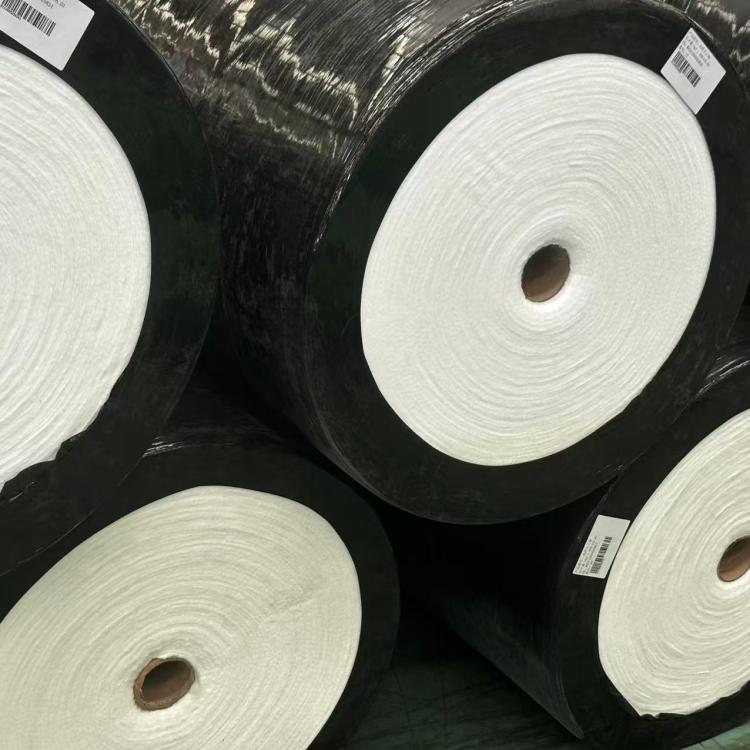
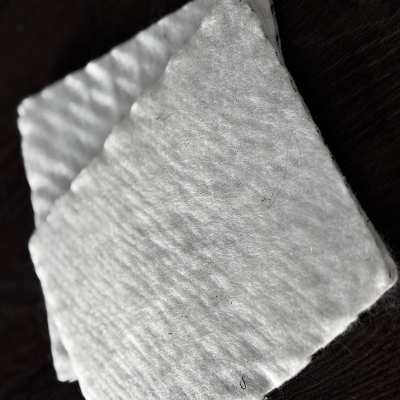
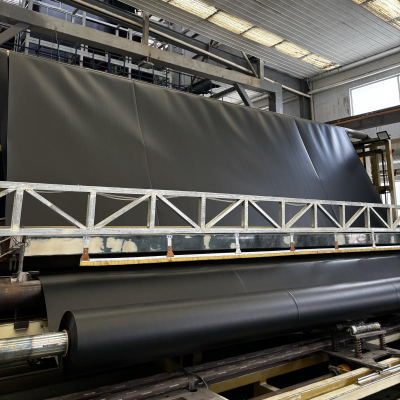
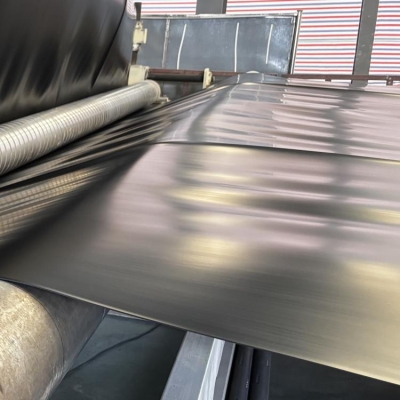
The Non Woven Geotextile 200 GSM is manufactured through a needle-punch process that mechanically entangles polypropylene or polyester fibers into a stable, felt-like sheet. No chemical binders or glues are used. Just thousands of barbed needles tangling the fibers together, creating a random three-dimensional structure with interconnected voids . Water flows through these pathways freely, but soil particles get trapped either within the fabric or at its surface.
What makes the Non Woven Geotextile 200 GSM so widely used is its sweet spot between performance and cost. Heavier fabrics cost more and handle like cardboard. Lighter fabrics tear too easily under moderate stress. This weight sits right in the middle. It unrolls smoothly across prepared subgrade. It conforms to uneven ground and drops into trenches without tenting. A standard utility knife cuts it clean. For French drains, landscape weed barriers, under patio pavers, and behind low retaining walls, this weight delivers the right balance without overspending.
Product Features
Needle-Punched Mechanical Bonding: The Non Woven Geotextile 200 GSM uses mechanical entanglement rather than heat or chemical binding. Barbed needles punch through the fiber web thousands of times per minute, locking fibers together. This creates a fabric that is flexible yet dimensionally stable. Heat-bonded fabrics at this weight can feel stiff. This one drapes naturally over contours and around pipes .
Depth Filtration Capability: The random fiber orientation creates a matrix that traps soil particles throughout the fabric thickness, not just at the surface. Woven geotextiles with regular openings blind off quickly when particles accumulate on top. The Polyester Geotextile Fabric in nonwoven form maintains flow capacity longer because clogging happens gradually across the full cross-section.
Controlled Permeability: Water passes through at rates that prevent ponding while retaining fine soil particles. Vertical permeability coefficients typically range from 10⁻¹ to 10⁻³ cm/s . For most soil conditions, the surrounding ground limits flow rates, not the geotextile. This ensures drainage systems work as designed.
Chemical and Biological Resistance: Polyester and polypropylene fibers resist attack from soil acids, alkalis, mold, and microorganisms. The Non Woven Polyester Geotextile buried under a patio, behind a wall, or in a drainage trench will not degrade from biological activity or common soil chemicals.
UV Stabilized: Quality 200 GSM rolls incorporate stabilizers that protect the fabric during temporary exposure before cover material is placed. The installation window typically runs several weeks, giving contractors flexibility when schedules shift .
Product Advantages
Cost-Effective for Large Area Coverage: A 300 or 400 GSM fabric would work, but it would cost more and handle worse. The Non Woven Geotextile 200 GSM covers substantial areas at a lower price point. For landscaping, drainage trenches, and under walkways, the lighter weight does the job without inflating material budgets.
One-Person Handling: Heavy fabrics require two people or equipment to move. The Non Woven Geotextile 200 GSM weighs about half what a 400 gram roll weighs. A full 2x50 meter roll comes in around 20 kilograms. One crew member picks it up, carries it across the site, and unrolls it alone. Less waiting. More working.
Clean Cutting Without Fraying: Woven geotextiles resist cutting and often unravel at the edges. The Non Woven Geotextile 200 GSM cuts clean with a utility knife along any line. Shape it around trees. Fit it into odd corners. Trim it against wall lines. The edges stay intact. Installation goes faster when the material cooperates.
Conforms to Trenches and Uneven Ground: Stiff fabrics span across trench bottoms instead of dropping into them. Air gaps under the fabric let soil wash through. The Non Woven Geotextile 200 GSM is flexible enough to fall into every dip and depression. Full contact with soil means filtration works as intended everywhere.
Long Service Life Underground: Properly installed and covered, the Geotextile 200 GSM lasts decades. No UV exposure underground. Stable soil temperatures. No biological breakdown. Polypropylene does not rot. The fabric installed today will still be separating and filtering for 25 years or more .
Product Parameters
| Parameter | Test Method | Typical Value |
| Weight | ASTM D5261 | 200 g/m² ±6-8% |
| Thickness | ASTM D5199 | 1.5 to 1.9 mm |
| Tensile Strength MD | ASTM D4595 | ≥6.5 KN/m |
| Tensile Strength CMD | ASTM D4595 | ≥6.5 KN/m |
| Elongation | ASTM D4595 | 25 to 100% |
| CBR Puncture | ASTM D6241 | ≥0.9 KN |
| Trapezoidal Tear | ASTM D4533 | ≥0.16 KN |
Apparent Opening Size | ASTM D4751 | 0.07 to 0.20 mm |
| Permittivity | ASTM D4491 | 1.0 to 2.0 sec⁻¹ |
These specifications reflect a fabric designed for the majority of light to medium duty civil and landscaping applications. The Non Woven Geotextile 200 GSM is not the strongest material available, but it does not need to be for its intended uses .
Product Applications
Landscape Weed Barrier: Under mulch, decorative stone, or gravel paths, the Non Woven Geotextile 200 GSM stops weeds without trapping water. Black plastic kills plants by retaining moisture. This fabric breathes. Air and water reach plant roots while weeds stay blocked.
French Drains and Trench Drains: Wrap perforated pipe and drainage stone with Non Woven Geotextile 200 GSM. It keeps silt out while letting water in. Drains wrapped with this fabric stay clear for years instead of clogging within months.
Under Patio Pavers and Walkways: Lay fabric between prepared subgrade and sand or stone dust base. It stops subgrade from mixing into the base material. Patios stay level longer when layers stay separate. The fabric allows water to drain through while preventing soil migration.
Behind Short Retaining Walls: Walls under 1.2 meters need drainage too. The Non Woven Geotextile 200 GSM placed against the wall face allows water to reach weep holes while holding soil back. Hydrostatic pressure never builds when water can escape.
Under Raised Garden Beds: Line the bottom of raised beds to separate native soil from imported growing media. The fabric prevents weed intrusion from below. Water drains out. Roots grow through. Polyester Geotextile Fabric is safe for vegetables and will not leach chemicals.
Erosion Control on Gentle Slopes: On slopes up to 2:1, the fabric holds soil in place while grass establishes. Water passes through to the ground. Soil stays put. Vegetation roots through the fabric, anchoring it permanently.
Agricultural Drainage: Field drains and orchard drainage systems use the Non Woven Polyester Geotextile for collector pipes. It wraps the gravel envelope and keeps silt from reaching the pipe. Heavy road fabrics would be overkill. This weight works perfectly.
Packaging and Transportation
Roll Widths: The Non Woven Geotextile 200 GSM comes in widths from 1 meter to 6 meters. Two-meter and four-meter widths are most common for standard jobs. Narrower rolls work for trench drains. Wider rolls cover patios and slopes faster with fewer seams.
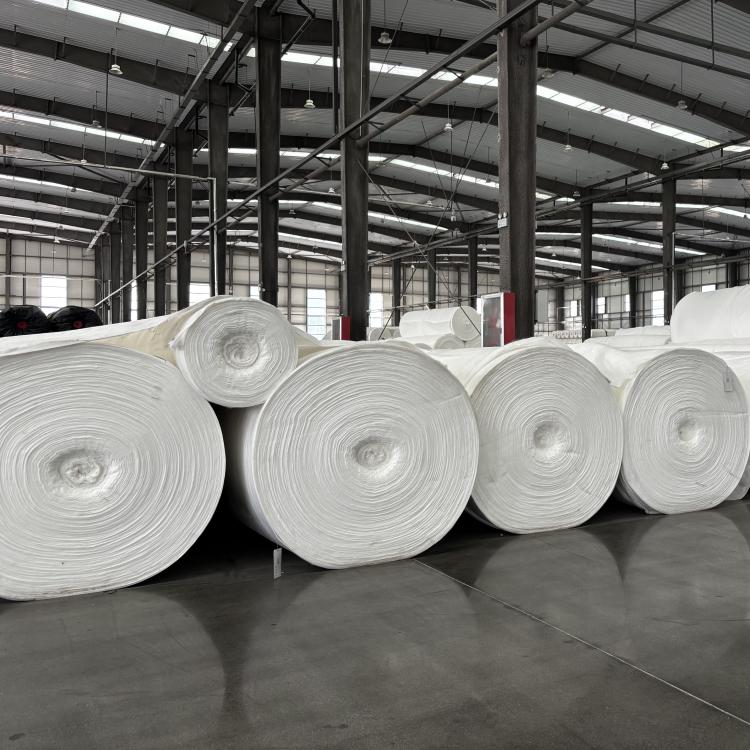
Roll Lengths: Lengths run from 50 to 200 meters depending on width. A 2x50m roll gives 100 square meters. A 4x100m roll gives 400 square meters. The 200 GSM weight keeps rolls manageable for one person.
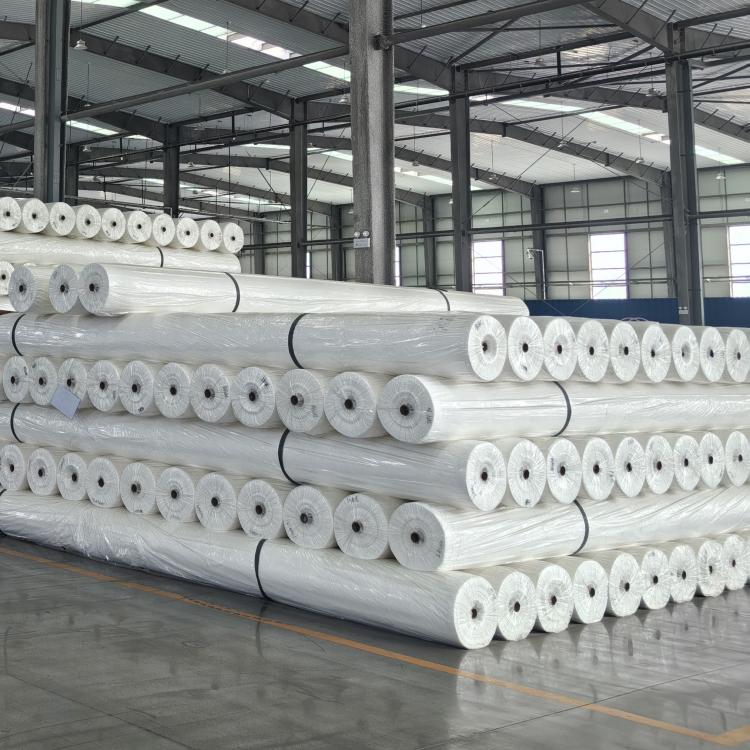
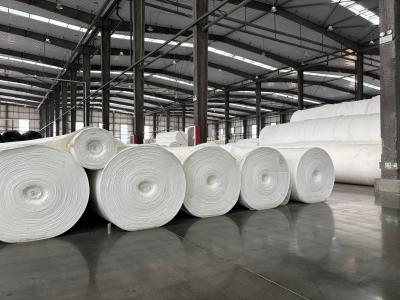
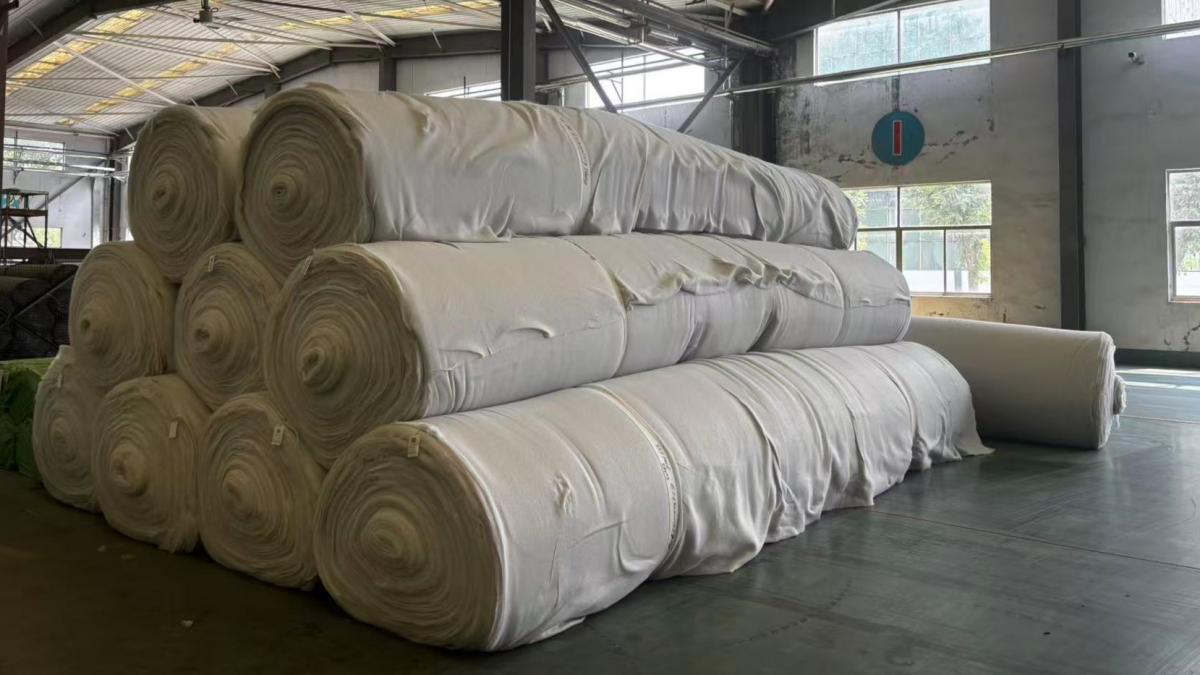
Packaging: Each roll winds onto a cardboard core and gets wrapped in polyethylene film or woven polypropylene bags. Steel or plastic straps secure the wrap and provide lifting points. Labels show weight, dimensions, and lot numbers.
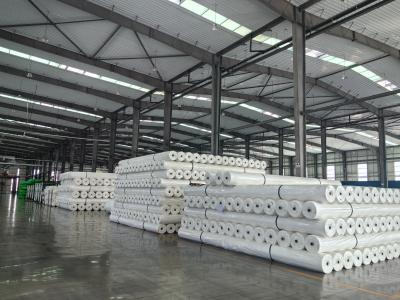
Palletizing: Rolls stack on pallets for shipping. A typical pallet holds 500 to 1500 square meters depending on roll sizes. Pallets get stretch wrapped and labeled for easy identification.
Container Loading: Export shipments go into 20 or 40 foot containers. A 20-footer holds about 5000 to 8000 square meters of Non Woven Geotextile 200 GSM. Load plans keep rolls from shifting during transit.
Storage: Keep rolls off the ground. Stack no more than three high. Leave wrapping on until installation. If rolls sit outside, throw a tarp over the pallet. The UV protection buys time but is not unlimited.
Company Strength
Production Capacity: Major manufacturers run needle punch lines around the clock. Daily output of Non Woven Geotextile 200 GSM can reach 50,000 square meters or more. High volume keeps production consistent and prices competitive .
Raw Material Sourcing: Top suppliers buy virgin polypropylene or polyester from major petrochemical companies. Consistent fiber denier and polymer properties ensure uniform fabric performance across every roll. Some manufacturers also offer recycled content options for environmentally conscious projects .
Quality Assurance: In-house laboratories test every production batch. Weight, thickness, tensile strength, puncture resistance, opening size, and flow rate are verified before shipment. Third-party audits from organizations like SGS, Intertek, or BV add another layer of verification for international projects .
Technical Support: Geotechnical engineers on staff help customers select the right weight for their soil and site conditions. They have decades of combined experience seeing what works and what fails in the field.
Global Logistics: Established suppliers ship to projects worldwide. They handle export documentation, container loading, and freight coordination. Delivery times are reliable because the logistics network is proven.

Frequently Asked Questions
Q: What does 200 GSM mean?
A: Grams per square meter. The Non Woven Geotextile 200 GSM weighs 200 grams for each square meter of fabric. This is light to medium weight, suited for landscaping, drainage, and light separation work .
Q: How does this compare to woven geotextile?
A: Nonwoven excels at filtration and drainage. Woven excels at reinforcement. For separation under pavers, weed control, and drainage applications, nonwoven is the correct choice. For reinforcing a driveway base under heavy truck loads, woven fabric is stronger .
Q: Is this strong enough for a driveway?
A: For pedestrian walkways and light residential driveways with minimal traffic, the Non Woven Geotextile 200 GSM can work. For standard driveways, parking lots, or any commercial vehicle traffic, upgrade to 300 or 400 GSM material. The extra weight provides necessary puncture resistance .
Q: How much overlap between rolls?
A: 300 to 500 mm for most applications. On slopes, place the upper roll over the lower roll so water runs over the lap instead of under it. For French drains, 300 mm overlap is usually sufficient.
Q: How long can it sit in the sun?
A: About 30 days of normal sunlight. The UV stabilizers help, but cover the Non Woven Geotextile 200 GSM as soon as practical. Prolonged UV exposure will degrade the polymer and reduce strength .
Q: Will roots grow through it?
A: Yes. The needle-punched structure allows fine roots to penetrate. This is beneficial for erosion control and raised beds where you want plants to establish. For stopping roots completely, a different product would be needed.
Q: Is this Polyester Geotextile Fabric safe for vegetable gardens?
A: Yes. Polyester and polypropylene are inert materials. They do not leach chemicals into the soil. Gardeners use Non Woven Polyester Geotextile under raised beds and in pathways all the time.
Q: How long will it last underground?
A: 25 years or more. No UV exposure. Stable soil temperatures. No biological breakdown. Decades of service is normal for properly installed Non Woven Geotextile 200 GSM .
For landscaping, drainage, and separation jobs that need reliable performance without heavy fabric cost, the Non Woven Geotextile 200 GSM delivers. Contact technical support with your project details for specific weight and installation recommendations.