Walk up to any retaining wall that has been in the ground for fifteen years and look closely. If water stains streak the face or cracks run along the top, chances are the drainage behind it failed. If the wall looks as good as the day it went in, someone probably installed the right fabric behind it. The Geotextile Reno Depot for Retaining Walls is that fabric.
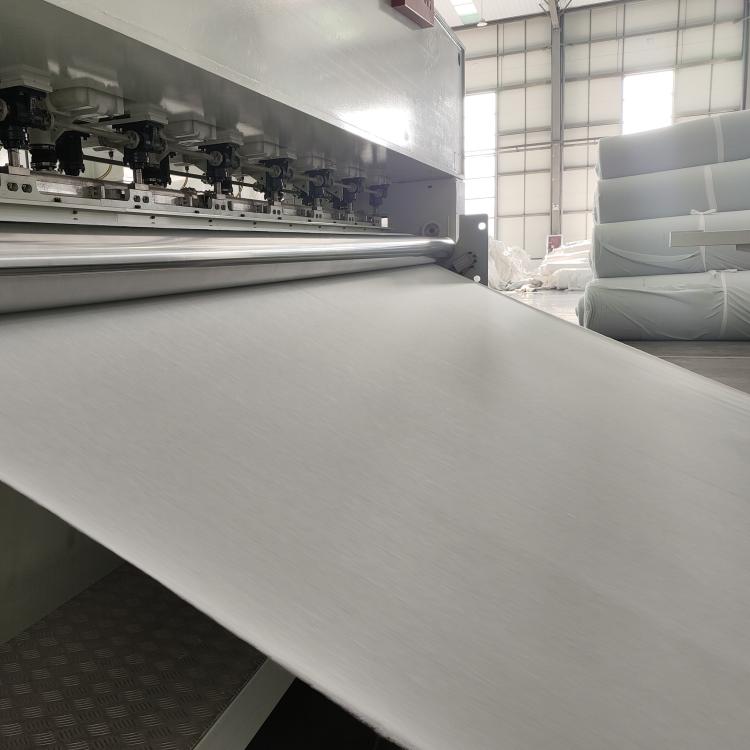
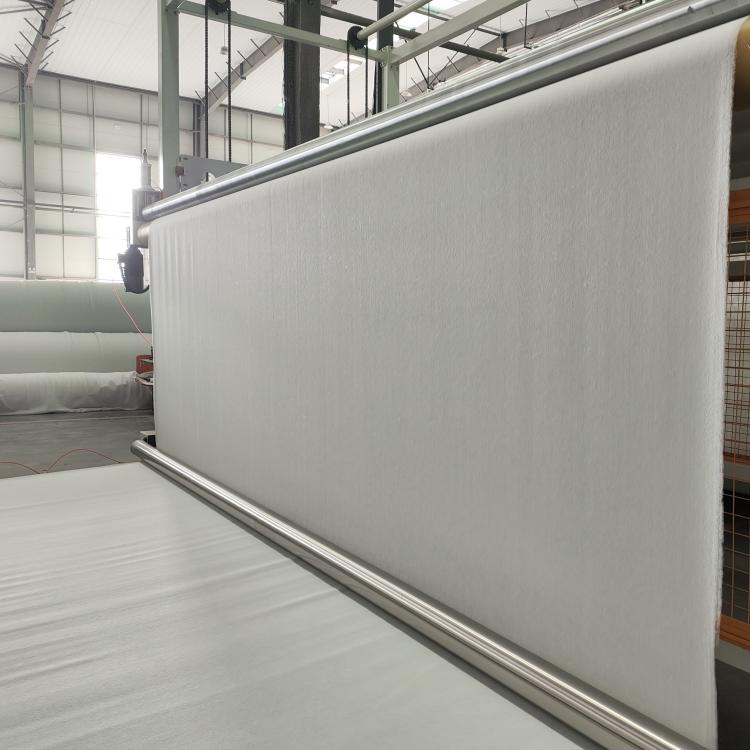
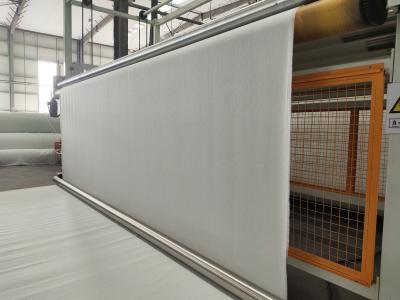
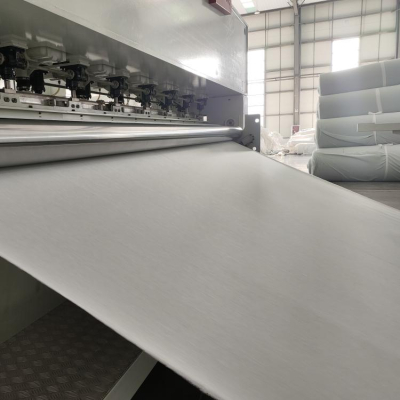
The Geotextile Reno Depot for Retaining Walls is a nonwoven material made from polyester or polypropylene fibers. Needle punching machines use thousands of barbed needles to tangle the fibers together. This creates a felt-like material with tiny openings that catch soil particles but let water pass through. When installed against the back of a wall, extending into drainage stone, it gives water a path out while keeping the soil where it belongs.
Crews who have installed retaining walls for years know the difference between a wall that will last and one that will call them back. The Geotextile Reno Depot does exactly what it needs to do: stops fines from migrating into the drainage zone, keeps weep holes clear, and prevents the pressure buildup that pushes walls over.
Product Features
Three-Dimensional Fiber Structure: The needle punching process creates random fiber orientation throughout the fabric. This matters because soil particles get caught inside the material, not just on the surface. Geotextile Reno Depot for Retaining Walls keeps working even after years because the depth filtration means gradual clogging happens much slower than with woven alternatives.
Controlled Pore Sizes: Opening sizes run between 0.07 and 0.2 millimeters. That range catches the fine particles that cause drainage problems while letting water flow freely. Manufacturers adjust the fiber denier and needle punching density to hit specific opening sizes based on what the soil looks like.
Mechanical Bonding: No glue, no melting. Just fibers physically tangled together. This mechanical bond holds up under constant pressure from the wall and backfill. Adhesives can break down over time. Mechanical entanglement does not.
Chemical Resistance: Polyester and polypropylene do not react with soil acids, alkalis, or microorganisms. The Non Woven Filter Fabric installed behind a wall in industrial ground performs the same as one in clean fill. The chemistry does not change underground.
UV Protection: Carbon black in the polymer mix protects the fabric during the days or weeks between delivery and cover placement. No geotextile should sit in the sun forever, but Polyester Geotextile with UV stabilizers handles temporary exposure better than unstabilized materials.
Product Advantages
Stops Water Pressure Before It Starts: Water pressure causes more wall failures than anything else. When drainage aggregate clogs with soil fines, water has nowhere to go. Pressure builds until the wall cracks or tips. The Geotextile Reno Depot for Retaining Walls prevents this by keeping the drainage aggregate clean. Water reaches the stone, travels down to weep holes or pipe, and leaves the wall. No pressure, no failure.
Installation Crews Finish Faster: Graded filters require multiple layers of stone placed carefully against the wall. That takes time. Geotextile Reno Depot for Retaining Walls rolls out in one layer. Crews unroll it, stake it if needed, and start backfilling. Less time on site means lower labor costs and equipment staying on schedule.
Works with Whatever Soil Shows Up: Site conditions change. What the geotechnical report said and what comes out of the ground sometimes differ. The Non Woven Filter Fabric adapts better than woven alternatives because depth filtration works across a range of soil gradations. Silts, sands, even some clays get retained while water flows through.
Weep Holes Stay Clear: Traditional walls rely on weep holes to drain. When fines reach those openings, they clog. Geotextile Reno Depot for Retaining Walls wraps the entire drainage zone, including around weep holes. Water reaches the openings through the fabric. Soil never does. Weep holes that stay open keep walls dry.
One Material, Multiple Functions: The same fabric that filters also separates. It keeps backfill soil from mixing with drainage stone. It protects waterproofing on basement walls. It distributes loads from the backfill. Contractors keep rolls of Geotextile Reno Depot on the truck because it solves problems beyond just filtration.
Product Parameters
These numbers help engineers and contractors pick the right weight for their wall.
Parameter
Test Method
Typical Value
What It Tells You
Mass per Unit Area
ASTM D5261
200 - 400 g/m²
Heavier handles taller walls
Apparent Opening Size
ASTM D4751
0.07 - 0.2 mm
Which soils get retained
Permittivity
ASTM D4491
0.5 - 2.0 sec⁻¹
How fast water flows through
Tensile Strength
ASTM D4595
4.5 - 12.5 KN/m
Installation durability
CBR Puncture
ASTM D6241
1.2 - 2.1 KN
Resistance to sharp stone
Weight selection depends on wall height. Low walls under 1.5 meters do fine with 200 g/m². Walls up to 3 meters use 300 g/m². Taller walls or sites with difficult access for equipment get 400 g/m².
Opening size gets matched to soil gradation. The geotechnical report should have grain size distribution data. The fabric needs openings small enough to retain the fine particles but large enough that water moves through without restriction.
Permittivity numbers above 0.5 mean the fabric will not become the drainage bottleneck. For most soils, the ground itself limits flow more than the geotextile.
Product Applications
Segmental Retaining Walls: Modular block walls rely entirely on drainage. Without proper filtration, the stone behind the blocks clogs with soil. The Geotextile Reno Depot for Retaining Walls installed directly against the blocks keeps that stone clean. Water reaches the drainage zone. Pressure never builds.
Concrete Retaining Walls: Cast-in-place and precast walls need the same protection. The fabric goes against the concrete face, extending into the drainage stone behind. Weep holes or drainage pipe carry water away. Soil stays against the fabric, not in the pipe.
Gabion Walls: Wire basket walls require filtration behind them to prevent soil from washing through the baskets. The fabric placed between the soil and the gabion structure retains fill while allowing drainage. Installation demands puncture resistance because wire baskets can damage fabric.
Bridge Abutments: Wing walls and abutments hold back large volumes of soil. Drainage systems behind them need to function for the bridge's entire service life. The Geotextile Reno Depot for Retaining Walls in these applications usually runs heavier to handle the stresses.
Basement Walls: Below-grade walls on residential and commercial buildings need drainage protection. The fabric placed against foundation walls keeps backfill soil from clogging perimeter drains. This prevents basement leaks and keeps hydrostatic pressure from pushing against the foundation.
Packaging and Transportation
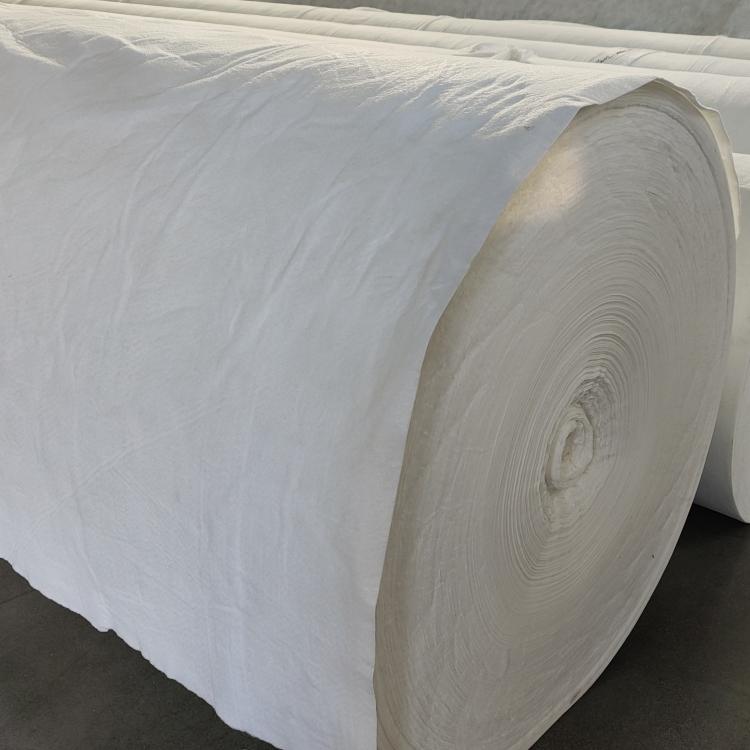
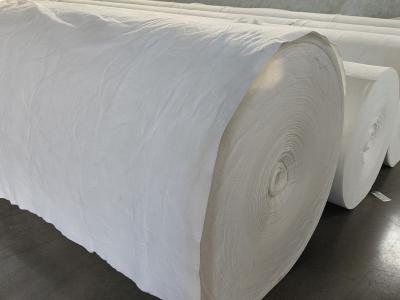
Roll Dimensions: Widths run from 1 to 6 meters. For wall applications, 2-meter and 4-meter widths cut down on seams. Lengths vary by weight; heavier fabric comes in shorter rolls to keep handling manageable. Most rolls run 50 to 200 meters.
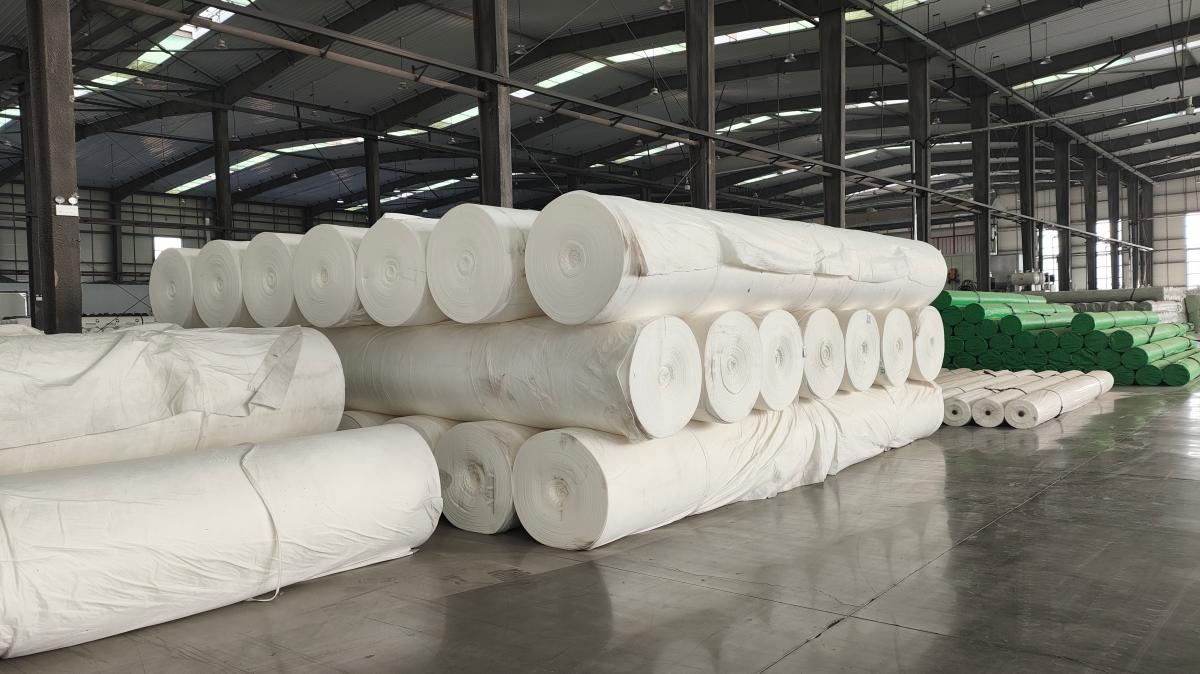
Wrapping: Each roll winds onto a core with tension controlled to prevent telescoping during shipping. Polyethylene film or woven bags protect against moisture and damage. Straps secure everything and give forklifts something to grab.
Container Loading: Export shipments pack into containers with attention to stowage. Twenty-foot containers hold 3 to 4 tons. Forty-foot containers handle 5 to 8 tons depending on roll dimensions.
Storage: Keep rolls elevated off the ground. Stack no more than three high to avoid crushing bottom rolls. Leave the wrapping on until installation. If storage runs long, throw a tarp over the pallets for extra protection.
Company Strength and Manufacturing Capability
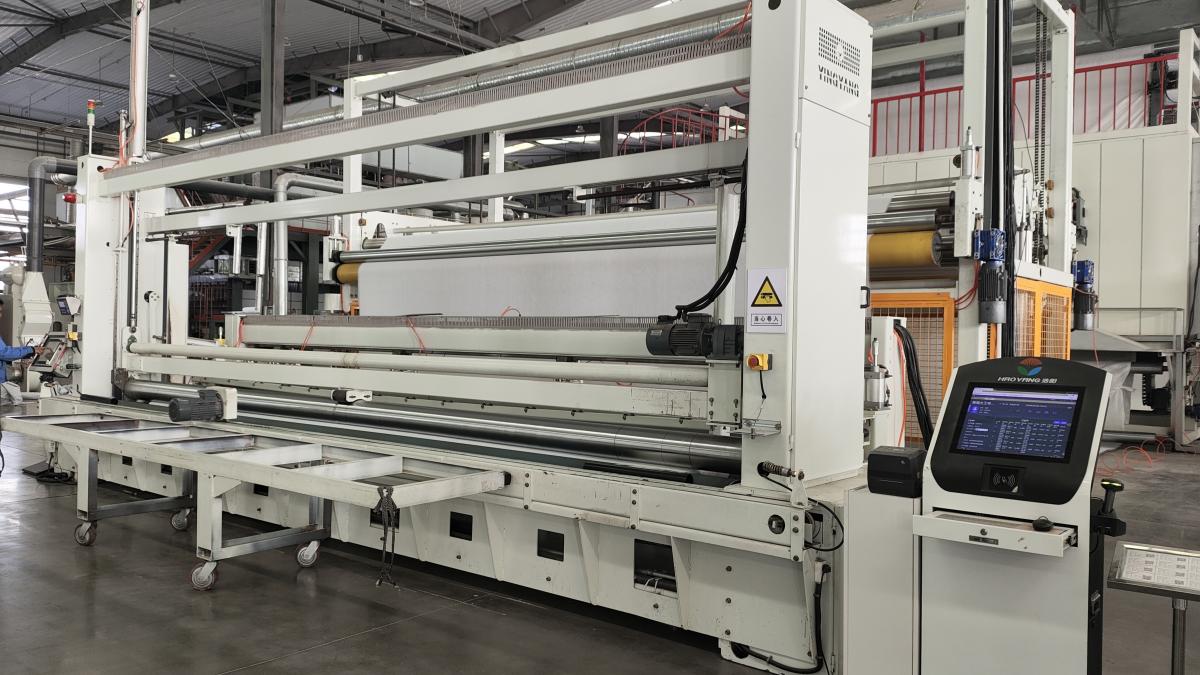
Production Scale: Top manufacturers run factories over 40,000 square meters with multiple needle punching lines. German and Italian equipment produces consistent fiber entanglement that lighter machines cannot match.
Quality Control: In-house labs test every production run. Mass, strength, puncture, opening size, flow rate. Real-time monitoring catches problems before material ships. Third-party verification from SGS or BV gives international projects confidence.
Vertical Integration: Manufacturers who control polymer sourcing through finished product deliver consistent quality. They can adjust to custom specifications without waiting on outside suppliers. This matters when projects need specific opening sizes or roll dimensions.
Technical Support: Geotechnical engineers on staff help specifiers match fabric to site conditions. They have seen the installations that worked and the ones that did not. That experience saves projects from costly mistakes.
Frequently Asked Questions
Q: What weight should I use for my wall?
A: Wall height drives the answer. Under 1.5 meters, 200 g/m² works. Up to 3 meters, 300 g/m². Over 3 meters or difficult installation conditions, 400 g/m². If the soil has a lot of fine particles, lean toward heavier.
Q: Is this the same as landscape fabric?
A: No. Landscape fabric lacks the strength for retaining wall applications. Geotextile Reno Depot for Retaining Walls meets engineering specs for tensile strength, puncture resistance, and filtration. Landscape fabric tears during installation and clogs faster.
Q: Does the fabric need to run the full wall height?
A: Yes. Run it continuously from the bottom of the drainage zone to within 300 mm of the top. Gaps let soil migrate into the stone locally, which can start clogging in that spot.
Q: How much overlap between rolls?
A: 300 to 500 millimeters. On tall walls, stagger overlaps so they do not line up vertically. Some critical jobs require sewing or thermal bonding, but most walls rely on backfill weight to hold overlaps.
Q: Can this work with all wall types?
A: Yes. Polyester Geotextile works with concrete block, cast-in-place, gabion, and timber walls. Installation methods vary slightly, but the filtration function stays the same.
Q: How long does it last behind a wall?
A: Decades. No UV underground. Stable temperatures. Neutral pH. Manufacturers warranty 5 to 20 years, but actual service life runs far longer. Walls from the 1990s with proper geotextile are still draining fine today.
Q: What happens if I skip the fabric?
A: Over time, fines migrate into the drainage stone. Stone clogs. Water pressure builds. Walls crack, tilt, or fail completely. Fixing a failed wall costs far more than installing fabric during construction. Contractors who have been called back to repair walls without fabric only make that mistake once.
For walls that stay standing, specify Geotextile Reno Depot for Retaining Walls from manufacturers who understand what happens underground. The upfront cost is small compared to the expense of fixing a wall that fails. Contact technical support with your soil report and wall height for specific recommendations.