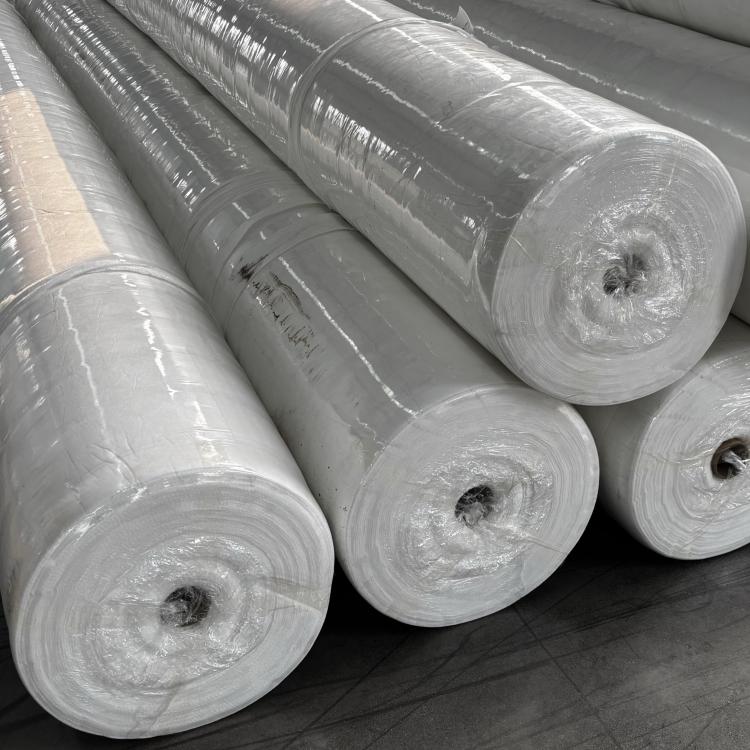
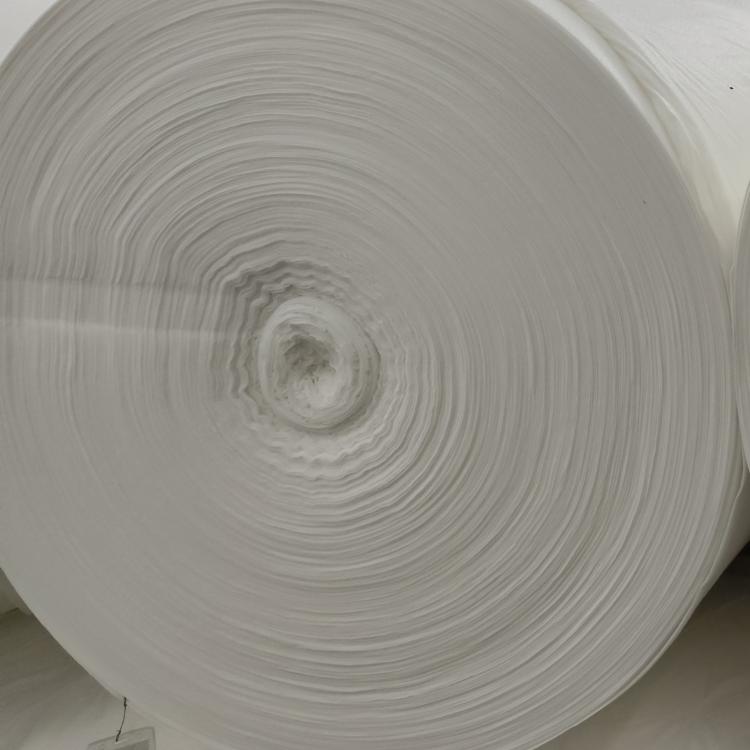
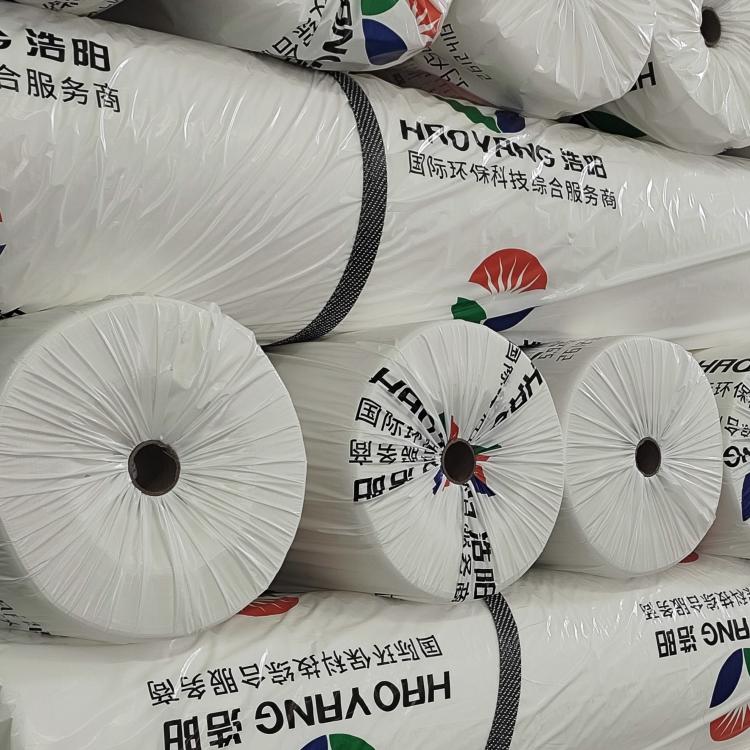
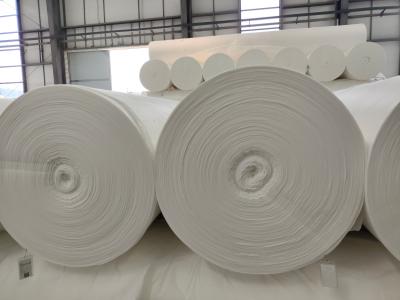
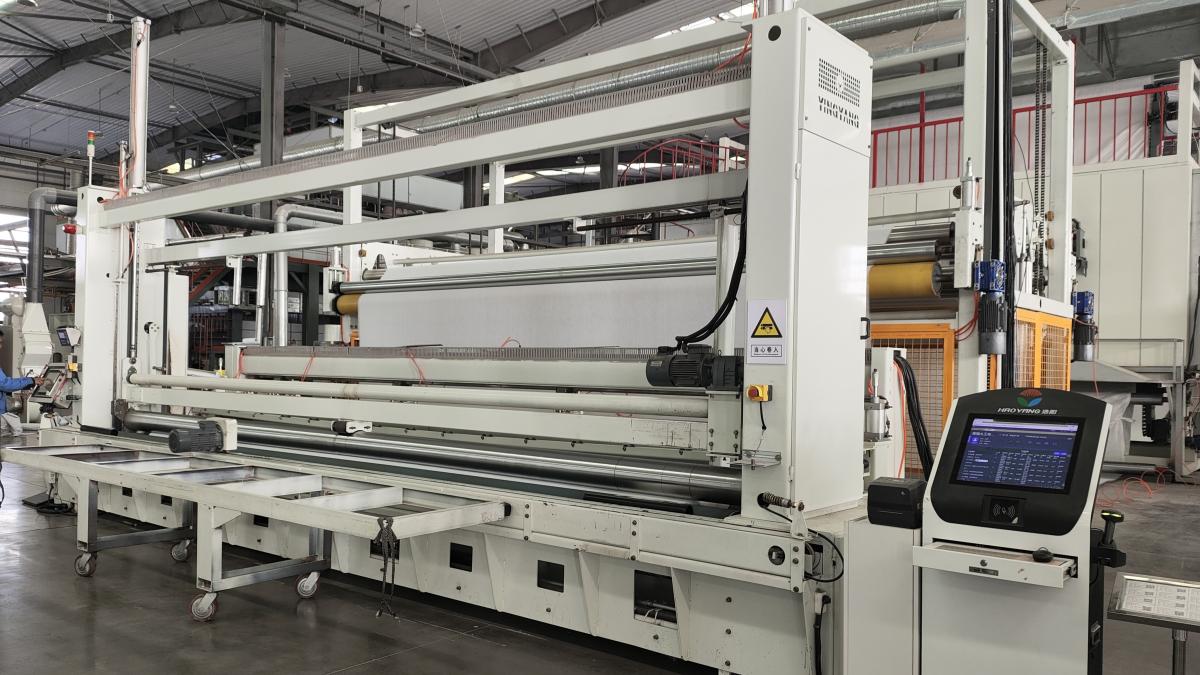
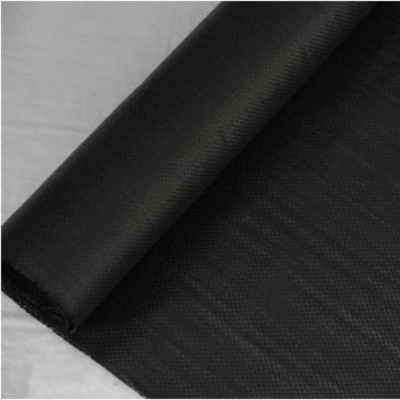
This is not a product page in the usual sense. It is a record of three installations where Needle Punched 300 gsm Geotextile was specified, what went wrong or right, and what the numbers looked like afterwards. The 300 gsm Geotextile is staple fibre, polypropylene or polyester, punched by barbed needles into a mat. Mid-range weight. That is the material. What follows is what happened when it met real ground.
Site one: a farm access track, soft clay subgrade
The problem was pumping. Every spring the track turned into a rutted mess because the clay beneath the gravel worked its way upward. The contractor had tried adding more gravel twice. It disappeared both times.
They laid the Needle Punched 300 gsm Geotextile directly on the rolled clay, then 200 mm of crushed limestone on top. Overlap was 400 mm, upper roll over lower.
Two years on, the track holds. No rutting. The gravel is still clean. When they dug a test pit beside the track last autumn, the Geotextile Fibre mat was intact and the limestone above it showed no clay contamination.
What made it work was not the tensile strength. It was the separation. The mat stopped the two materials from ever meeting.
Site two: a retaining wall drain, and a mistake
This one is worth recording because the first attempt failed.
A 2.4 metre segmental block wall with a drainage trench behind it. The original specification called for a lighter 200 gsm fabric. It went in. Two winters later water was coming over the top of the wall during heavy rain, which meant the drain was not taking water away.
The trench was excavated. The 200 gsm fabric had deformed under the weight of the backfill and the drainage gravel. Opening sizes had shifted. Fines had passed through and clogged the gravel.
The replacement used Needle Punched 300 gsm Geotextile in polyester rather than polypropylene. The reasoning was creep. Behind a wall, the fabric sits under constant pressure for the life of the structure. PP creeps under sustained load. The Polyester Geotextile Fabric version does not, to anything like the same degree.
Three years since the replacement. No overflow. The weep holes run clear.
The lesson was not that 300 gsm is magic. It was that 200 gsm was the wrong weight for a permanent load, and PP was the wrong fibre.
Site three: a wrapped trench drain in silt
This one is the least dramatic and probably the most common use.
A residential drainage run, 80 metres, through silty ground. Perforated pipe, 20 mm gravel, wrapped in the 300 gsm Geotextile. The 300 gsm Geotextile in this case was standard polypropylene, because the load is minimal and the chemistry is ordinary.
The interesting part is the flow test. Twelve months after installation, the outlet was still discharging at close to design rate during wet weather. A neighbouring property with a woven-wrapped drain of the same age had slowed noticeably. Woven fabric stops particles at the surface. They pack down. Flow drops. Depth filtration through the Needle Punched 300 gsm Geotextile keeps the flow path open because particles lodge inside the mat rather than sealing the face.
What the numbers say, and what they do not
The published data for this weight sits in a band rather than at a point, because fibre type and needling density both move the result.
Item
Range at 300 gsm
Mass
300 g/m², tolerance about ±7%
Thickness
2.4 mm minimum
Breaking strength
9.5–16 kN/m
Elongation
25–100%
CBR puncture
1.5–3.5 kN
O90
0.07–0.20 mm
Permeability
10⁻¹ to 10⁻³ cm/s
What those numbers do not tell you is which fibre to pick. The wall job above would have failed again on PP. The trench job would have been fine on either. That decision comes from whether the load is permanent and whether the chemistry is aggressive.
Where this weight does not belong
Worth saying clearly. Under a highway with heavy axle loads, 300 gsm is too light. Under a landfill liner where sharp drainage stone gets placed by machine, it is too light. For those jobs, 500 gsm and above is the correct specification, and using 300 to save money is a false economy that shows up as a puncture or a failed base three years later.
The Needle Punched 300 gsm Geotextile belongs on farm tracks, residential drainage, retaining walls of moderate height, slope erosion control, and liner cushioning where the stone is rounded rather than angular.
Rolls, weights, and handling
A 4x50 metre roll at this weight runs about 60 kilograms. Forklift or two people. Not a one-man lift, but not a crane job either. Widths run 1 to 6 metres, lengths 50 or 100 metres.
Export loading is straightforward. The mid-range weight fills a 20-foot container well without pushing against legal limits, which is more than can be said for 500 gsm material.
Store on pallets, off the ground, out of standing water. Keep the wrap on until installation. The UV package gives weeks, not years.
Questions that came up on these jobs
Does the fibre type really matter? On the wall job, yes. It was the difference between a drain that works and one that overflows. On the trench job, not really.
Can trucks drive on it before cover goes down? Briefly, and not on soft ground. Cover it as soon as the sequence allows.
How much overlap? 400 mm worked on the track. Critical filtration jobs go to 500–750 mm.
How long will it last? The track mat is two years old and intact. That is not a service-life answer. Properly covered, the expectation is 25 to 50 years, and the wall job will be the test of that.
For farm tracks, moderate retaining walls, drainage trenches, and slope work, the Needle Punched 300 gsm Geotextile covers the middle ground. For heavy axle loads or machine-placed angular stone, step up in weight. Contact your supplier for fibre type, width, and batch test reports.