Product Overview
Water moves. Soil settles. Structures fail when the two mix in the wrong way. The Drainage Needle Punched Geotextile sits between them, letting water pass while holding soil back. Contractors who have dug up failed French drains or cracked retaining walls know exactly why this material matters. No fabric means no filtration. No filtration means clogged stone. Clogged stone means water pressure. Water pressure means failure.
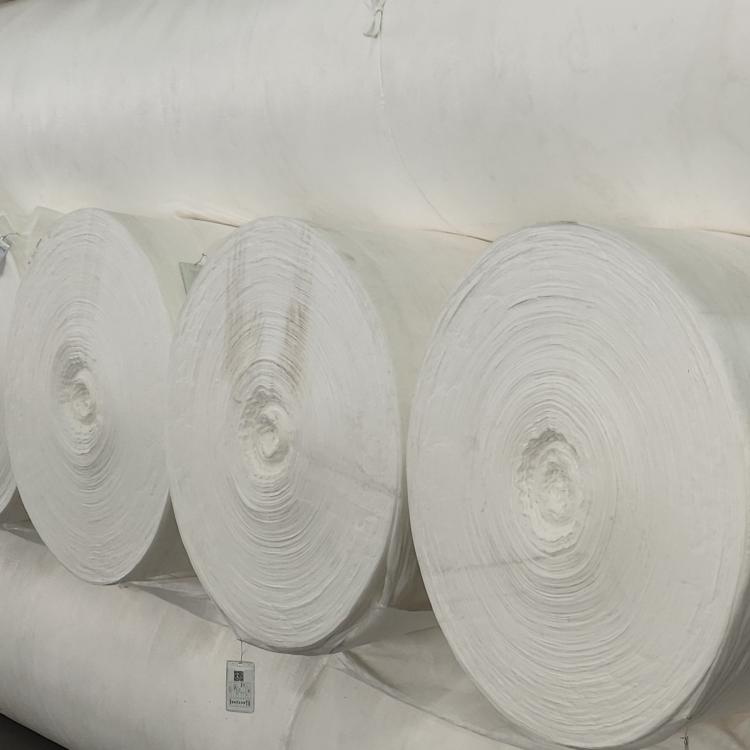
The Drainage Needle Punched Geotextile starts as polypropylene fibers fed into a needle punch machine. Thousands of barbed needles punch through the fiber web thousands of times per minute. The fibers tangle together into a stable, felt-like sheet. No glues. No chemical binders. Just mechanical entanglement that holds up underground for decades. The random fiber structure creates tiny pathways that let water through while trapping soil particles.
What makes the Drainage Needle Punched Geotextile different from woven alternatives is how it filters. Woven fabrics catch everything at the surface and blind off. This one filters throughout its thickness. Clogging happens slower. Drains stay open longer. For projects where water moves constantly, this matters more than tensile strength.
Product Features
Needle Punched Construction: The mechanical entanglement gives the Drainage Needle Punched Geotextile flexibility without sacrificing strength. It drapes into trenches and wraps around pipes. Heat bonded fabrics can feel boardy. This one moves with the ground.
Depth Filtration: The random fiber matrix traps soil particles throughout the fabric thickness. Woven geotextiles catch everything at the surface and clog quickly. The Needle Punched Geotextile keeps flowing because clogging happens gradually across the full thickness.
High Permittivity: Water moves through at rates between 1.0 and 2.0 per second. For drainage applications, this is critical. The fabric never becomes the bottleneck. Flow is limited by the surrounding soil, not the geotextile.
UV Protection: Carbon black in the polymer mix protects the fabric during installation. The Drainage Needle Punched Geotextile can sit exposed for weeks without significant strength loss. Cover it when you can, but the window is generous.
Chemical Resistance: Polypropylene resists mold, mildew, and soil chemicals. The fabric buried under a driveway or behind a wall will not break down from biological activity or common soil acids.
Product Advantages
Drains Stay Open for Decades: French drains fail when fines migrate into the stone and fill the voids. The Drainage Needle Punched Geotextile stops this before it starts. Soil particles get trapped in the fabric. Water keeps moving. The stone stays clean. Property owners never have to dig up a failed drain again.
One Layer Replaces Graded Stone Filters: Old school drainage systems used multiple layers of carefully selected aggregate. Each layer had to be placed and compacted. The Drainage Needle Punched Geotextile rolls out in minutes. One layer does what tons of stone used to do. The labor savings alone pay for the fabric.
Handles Installation Abuse: Lighter fabrics tear when rock gets dumped on them. The Needle Punched Geotextile has the puncture resistance to survive real job sites. CBR puncture values typically run 0.8 to 2.1 KN depending on weight. Contractors who have patched torn fabric appreciate this.
Conforms to Trenches Without Bridging: Stiff fabrics span across trench bottoms instead of dropping into them. Air gaps let soil wash through. The Drainage Needle Punched Geotextile is flexible enough to fall into every dip and depression. Full contact with soil means filtration works everywhere.
Cost Effective for Large Projects: When you are covering hundreds or thousands of linear meters of trench, material cost matters. The Geotextile For Soil Stabilization in heavy weights would be overkill. This drainage grade delivers exactly what the job needs at a price that works for big projects.
Product Parameters
| Parameter | Test Method | Typical Value Range |
| Weight | ASTM D5261 | 100 - 400 g/m² |
| Thickness | ASTM D5199 | 1.0 - 3.5 mm |
| Tensile Strength MD | ASTM D4595 | 3.5 - 20 KN/m |
| Elongation | ASTM D4595 | 40 - 80% |
| CBR Puncture | ASTM D6241 | 0.5 - 3.5 KN |
| Apparent Opening Size | ASTM D4751 | 0.10 - 0.20 mm |
| Permittivity | ASTM D4491 | 1.0 - 2.0 sec⁻¹ |
| Flow Rate | ASTM D4491 | 2000 - 6000 L/min/m² |
The Drainage Needle Punched Geotextile comes in multiple weights. Lighter rolls around 100 to 150 GSM work for landscape drainage and light duty trenches. Mid weights at 200 to 300 GSM handle standard French drains and foundation drains. Heavier rolls at 400 GSM take on highway edge drains and deep trench drainage.
Product Applications
French Drains: Wrap perforated pipe and drainage stone with Drainage Needle Punched Geotextile. It keeps silt out while letting water in. Drains wrapped with this fabric stay clear for years instead of clogging within months. The needle punched structure is ideal for this application.
Foundation Perimeter Drains: Basements stay dry when the drain tile around the foundation keeps working. The Drainage Needle Punched Geotextile wrapped around the pipe and stone prevents soil from entering the system. Water reaches the pipe. Soil stays in the ground.
Retaining Wall Toe Drains: Water builds up behind walls without proper drainage. The Needle Punched Geotextile placed against the wall face and extending into drainage stone gives water a path out. Hydrostatic pressure never builds when water can escape.
Athletic Field Drainage: Soccer and football fields need subsurface drainage to stay playable after rain. The Drainage Needle Punched Geotextile wraps the drainage trenches running across the field. Sand-based root zones stay dry because water moves away quickly.
Highway Edge Drains: Roads need drainage along the edges to prevent water from softening the subgrade. Geotextile For Soil Stabilization handles the road base reinforcement. The Drainage Needle Punched Geotextile wraps the edge drain pipe. Two different fabrics for two different jobs.
Green Roof Drainage Layers: Modern green roofs have drainage between the waterproofing and the growing media. The Drainage Needle Punched Geotextile separates the drainage layer from the soil above. Water moves to outlets. Soil stays in place.
Agricultural Tile Drainage: Farm fields need subsurface drainage to remove excess water from the root zone. The Nonwoven Geotextile wraps the collector pipes and gravel envelope. Silt stays out. Drains keep flowing season after season.
Packaging and Transportation
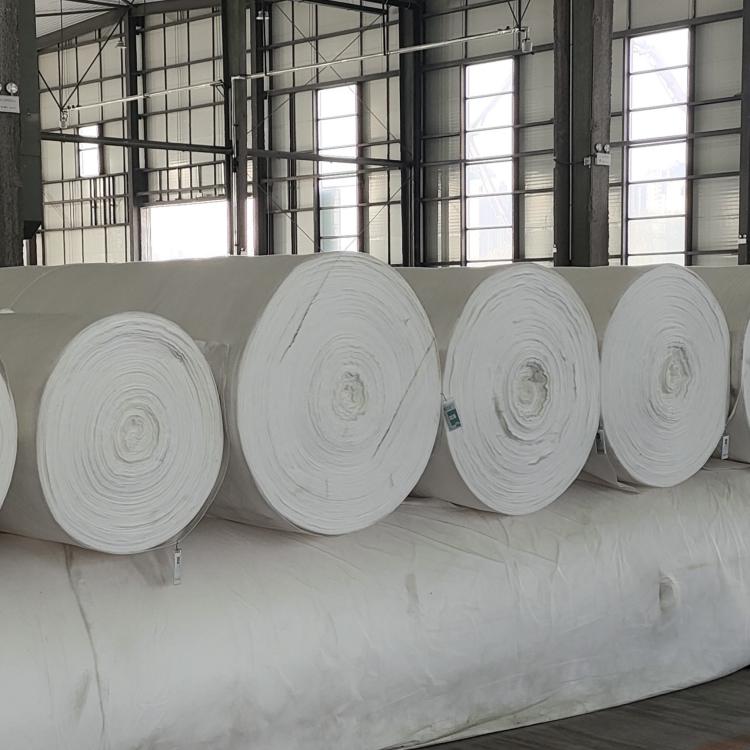
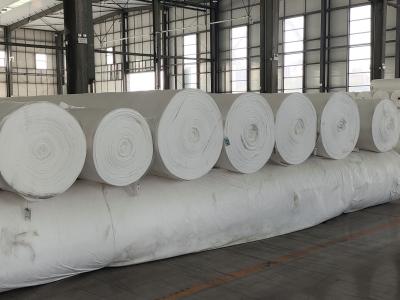
Roll Widths: The Drainage Needle Punched Geotextile comes in 1 meter up to 6 meters wide. For trench drains, narrow 1 to 2 meter rolls work best. For broad applications like green roofs, wider rolls reduce seams.
Roll Lengths: Lengths run from 50 to 200 meters depending on weight and width. A 2x50m roll gives 100 square meters. A 4x100m roll gives 400 square meters. Heavier rolls come shorter so one person can still move them.
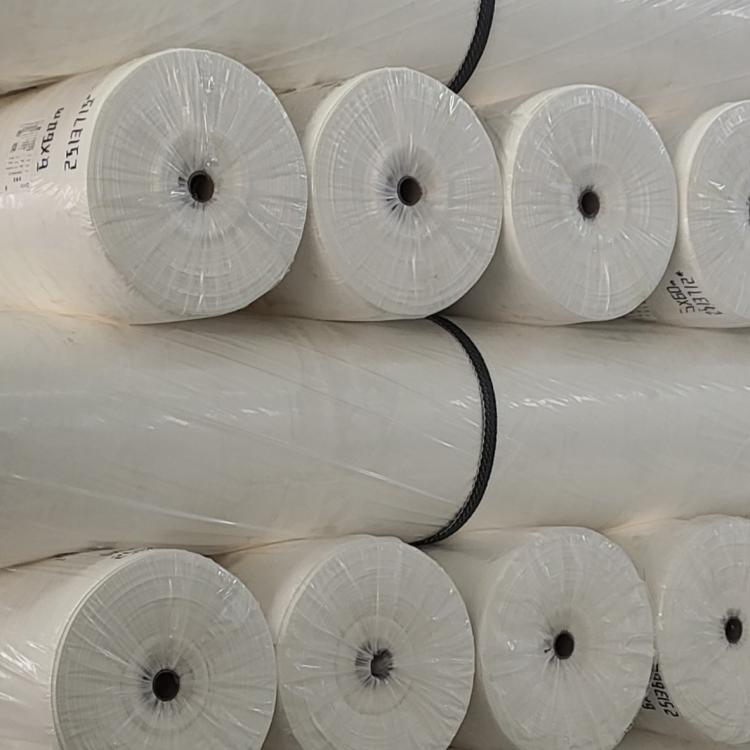
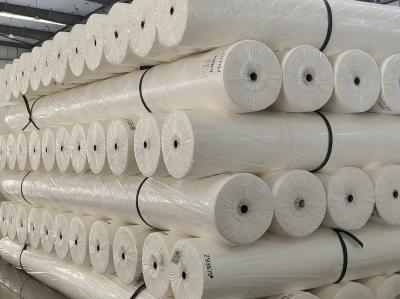
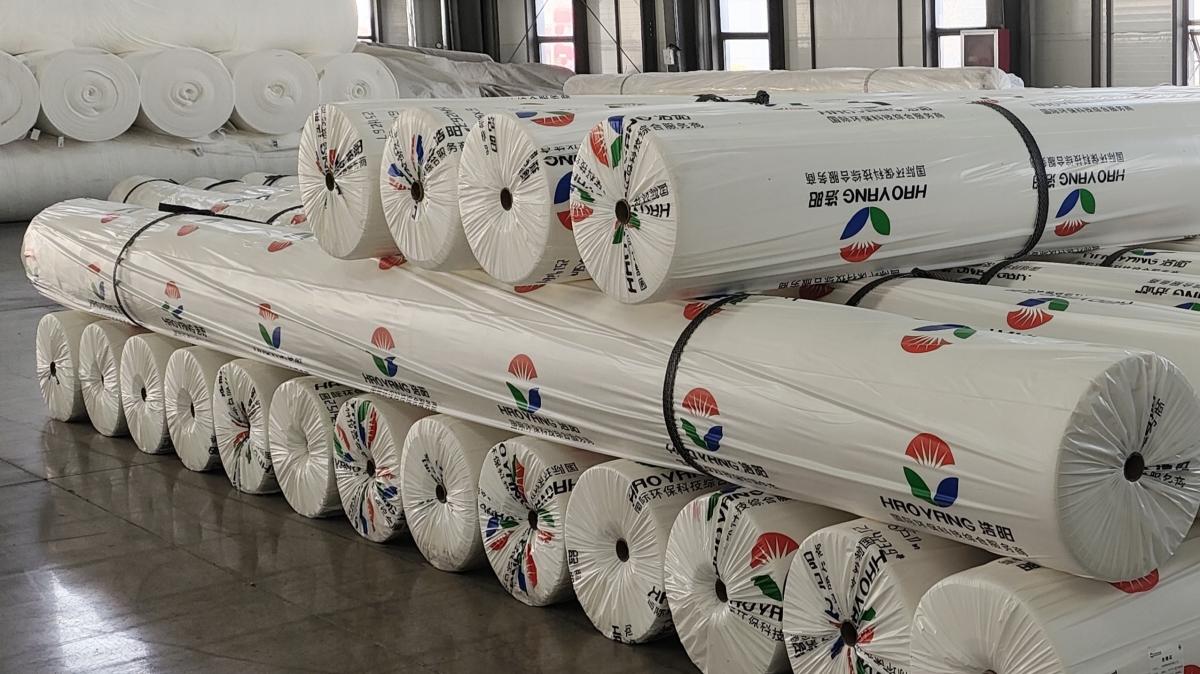
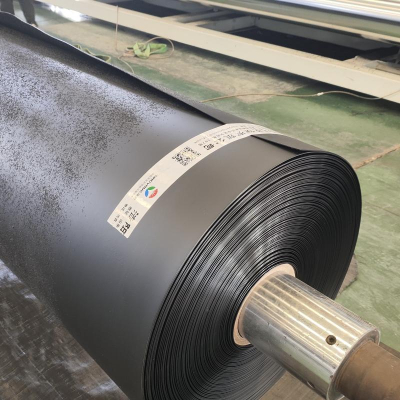
Packaging: Each roll winds onto a cardboard core and gets wrapped in polyethylene film. Steel or plastic straps secure the wrap and give forklifts something to grab. Labels show weight, dimensions, and lot numbers.
Palletizing: Rolls stack on pallets for shipping. A typical pallet holds 500 to 1500 square meters depending on roll sizes. Pallets get stretch wrapped and labeled for easy identification on delivery.
Container Loading: Export shipments go into 20 or 40 foot containers. A 20 footer holds about 5000 to 8000 square meters. Load plans keep rolls from shifting during transit.
Storage: Keep rolls off the ground. Stack no more than three high. Leave wrapping on until installation. If they sit outside, throw a tarp over the pallet. The UV protection buys time but not forever.
Company Strength
Production Capacity: Major manufacturers run needle punch lines 24 hours a day. Daily output of Drainage Needle Punched Geotextile can hit 50,000 square meters or more. Enough to wrap miles of drainage trench every day.
Raw Materials: Top suppliers buy virgin polypropylene from major petrochemical companies. Consistent fibers mean consistent fabric properties roll after roll. Some offer recycled content for green projects.
Quality Testing: In house labs test every batch. Weight, thickness, strength, puncture, opening size, flow rate. Nothing ships without passing. Third party audits from SGS, Intertek, or BV add another layer of verification.
Technical Support: Geotechnical engineers on staff help customers pick the right weight for their soil and flow conditions. They have seen what works and what fails over decades of experience.
Global Shipping: Established suppliers ship worldwide. They handle export paperwork, container loading, and freight coordination. Delivery times are reliable because the logistics network is proven.

FAQ
Q: What weight should I use for a French drain?
A: 150 to 200 GSM works for most residential French drains. For deeper trenches or heavier soils, go up to 300 GSM. The Drainage Needle Punched Geotextile in these weights provides the right balance of filtration and durability.
Q: How is this different from regular landscape fabric?
A: Landscape fabric lacks the puncture resistance and tensile strength for trench drainage. The Needle Punched Geotextile meets engineering specifications for permittivity and opening size. Landscape fabric tears during installation and clogs faster.
Q: Can I use woven geotextile for drainage instead?
A: Woven fabrics have uniform openings that blind off quickly. The Drainage Needle Punched Geotextile uses depth filtration, so clogging happens slower. For drainage applications, nonwoven is almost always the better choice.
Q: How much overlap between rolls in a trench?
A: Overlap sections by 300 to 500 mm. In long trenches, staggering overlaps so they do not line up improves continuity. For critical applications, sewing or thermal bonding adds security.
Q: Will this fabric work with all soil types?
A: Yes, but the weight may need adjustment. Sandy soils drain well and need lighter fabric. Silty or clay soils have more fines and need heavier fabric with smaller openings.
Q: How long can it sit in the sun before covering?
A: About 30 days of normal sunlight. The carbon black helps. But cover the Drainage Needle Punched Geotextile as soon as the trench is ready. Sun breaks down all geotextiles eventually.
Q: How does this relate to Geotextile For Soil Stabilization?
A: That is a different product for a different job. Stabilization fabrics are heavy and strong for road bases. Drainage fabrics focus on water flow. Some projects use both: stabilization under the road, drainage fabric around the edge drains.
Q: How long will it last underground?
A: 25 years or more. No UV exposure. Stable temperature. No biological breakdown. Decades of service is normal for properly installed Nonwoven Geotextile in drainage applications.
For drainage systems that need to work for decades, specify Drainage Needle Punched Geotextile from manufacturers who understand filtration. The upfront cost is small compared to digging up failed drains. Contact technical support with your soil report and project details for specific recommendations.