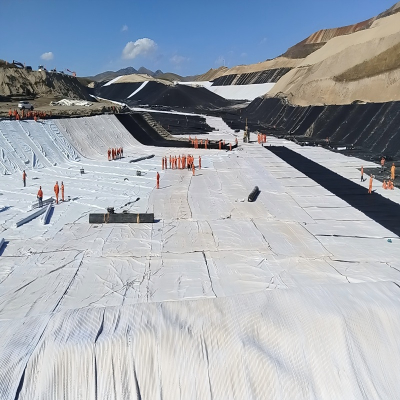
Product Overview
Landfills face harsh conditions. Heavy equipment rolls over protective layers daily. Sharp drainage stone presses down on liners. Leachate flows through collection systems for decades. Standard geotextiles cannot handle this abuse. The Geotextile 700g m2 for Landfills is built specifically for these demanding conditions. Thick enough to cushion geomembranes. Strong enough to survive installation. Dense enough to filter leachate for the life of the landfill.
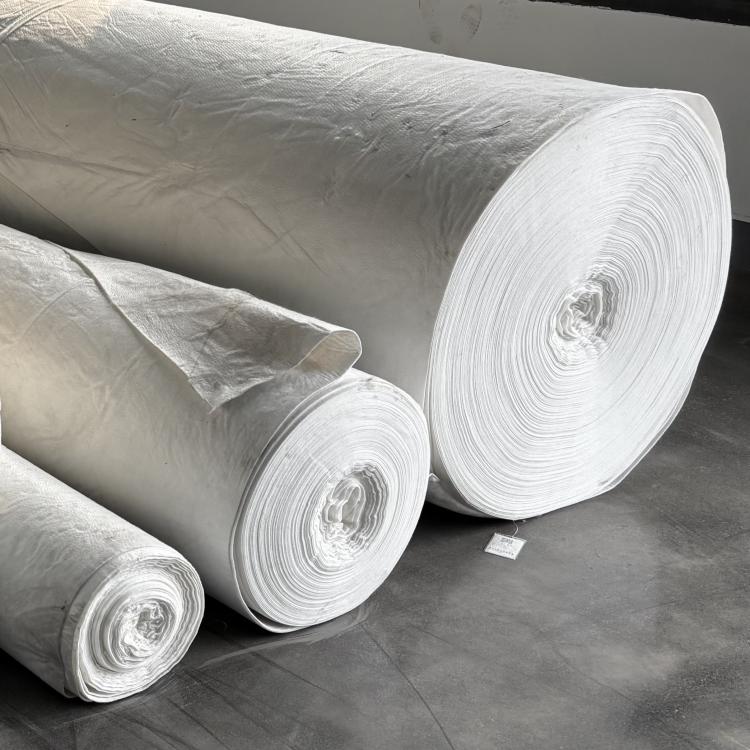
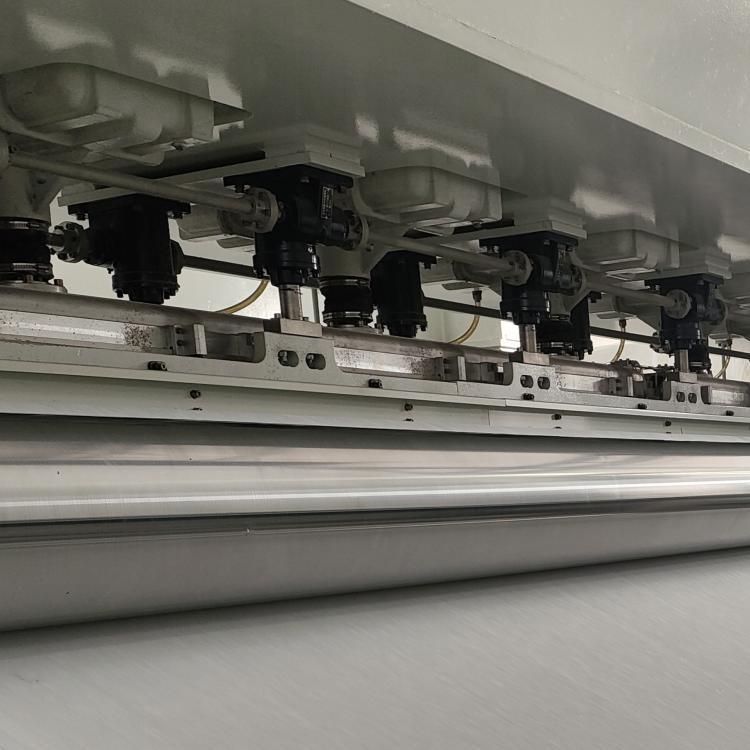
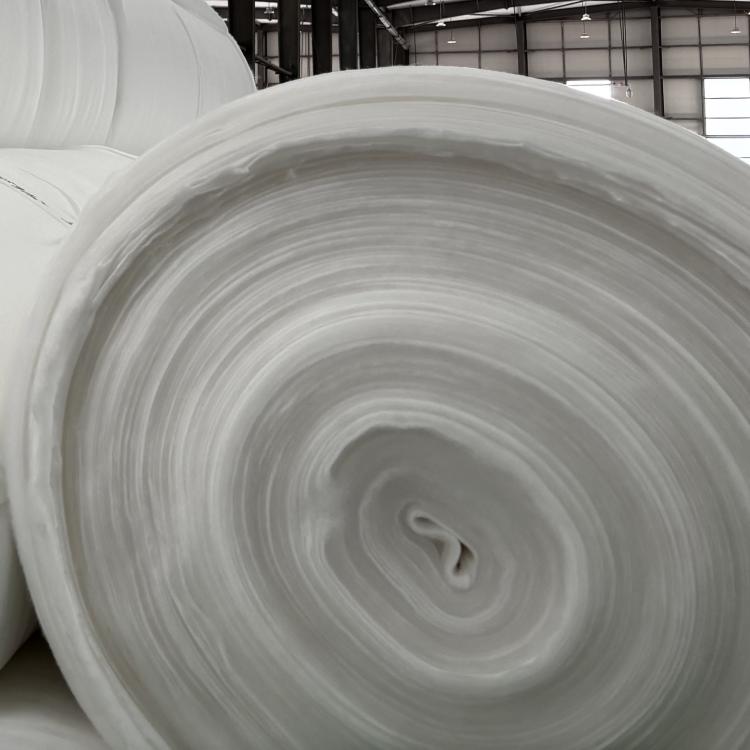
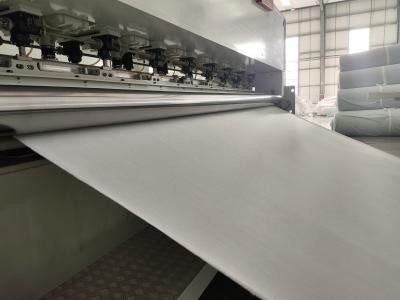
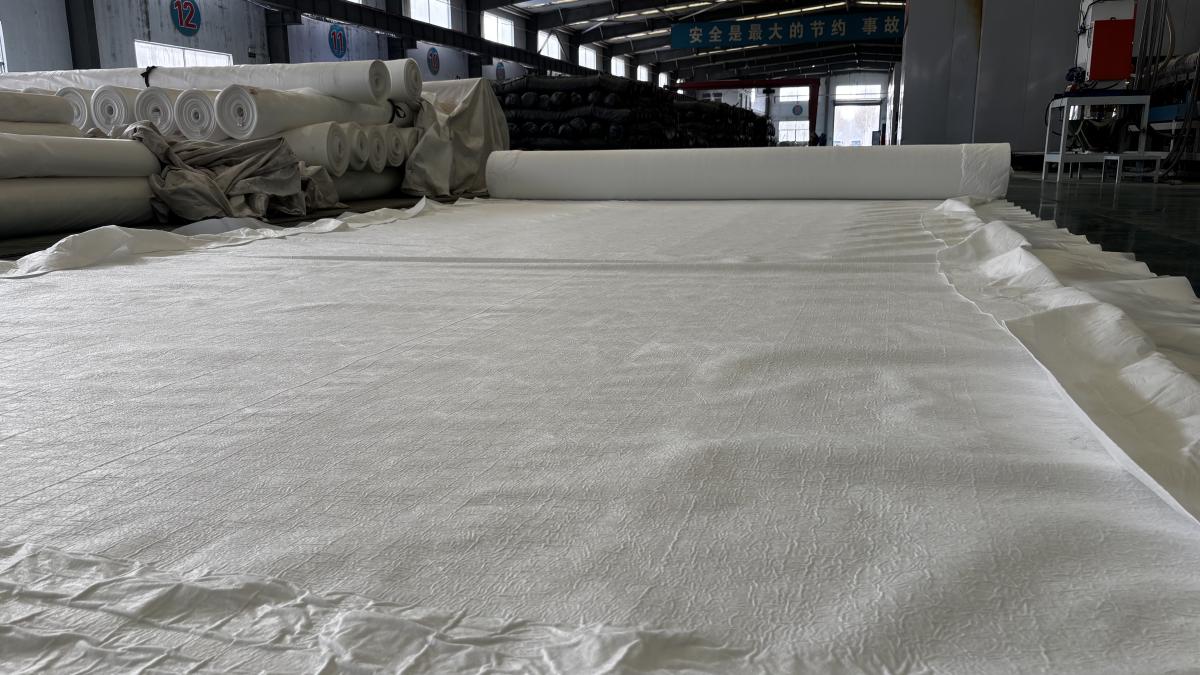
The Geotextile 700g m2 for Landfills starts as polypropylene fibers fed into a heavy duty needle punch line. Thousands of barbed needles punch through the fiber web, creating a dense, felt-like sheet. No glues. No chemical binders. Just mechanical locks that hold up under extreme loads. At 700 grams per square meter, this fabric has the mass to stay in place and the thickness to absorb punishment that lighter materials cannot handle.
What makes the Geotextile 700g m2 for Landfills different from standard heavy fabrics is the engineering behind it. Higher puncture resistance. Higher tensile strength. Controlled opening sizes that retain fine particles while allowing leachate to flow. For landfill liner protection, leachate collection, and final cover systems, this weight class delivers performance that lighter materials cannot match and that environmental regulations demand.
Product Features
Maximum Puncture Resistance: CBR puncture values exceed 5.0 KN for Geotextile 700g m2 for Landfills. This matters because drainage stone dropped from dump trucks can puncture lighter fabrics. Sharp edges press down as equipment rolls over. The fabric takes the hit and stays intact.
High Tensile Strength: Tensile strength runs above 25 KN/m in both directions. The Geotextile 700g m2 holds together when equipment turns on it. It resists tearing during installation. It maintains separation under constant load.
Dense Needle Punched Construction: The mechanical entanglement creates a thick, robust sheet that resists deformation. Unlike heat bonded fabrics that can be brittle, this Geotextile White or black version remains flexible enough to conform to subgrade while providing serious protection.
Controlled Filtration Properties: Apparent opening size between 0.07 and 0.12 mm retains fine soil particles while allowing leachate to pass. Permittivity between 0.3 and 0.8 per second ensures flow rates meet landfill design requirements.
Chemical Resistance: Polypropylene resists attack from leachate chemicals, acids, and biological agents. The Mine Geotextile grade also works for heap leach pads and tailings storage. Chemical inertness means decades of reliable performance.
Product Advantages
Protects Geomembranes from Puncture Damage: Landfill liners cost millions to install. A single puncture can cause environmental violations and expensive repairs. The Geotextile 700g m2 for Landfills placed above and below the geomembrane provides cushioning that stops sharp stones from penetrating. Thickness of 4.5 to 6.0 mm absorbs point loads that lighter fabrics would transfer straight through.
Survives Heavy Equipment Installation: Dozers, compactors, and dump trucks work directly on landfill protective layers. Standard 400 gram fabric tears under these conditions. The Geotextile 700g m2 for Landfills has the mass and strength to take the abuse. Tensile strength over 25 KN/m means the fabric stays intact when equipment turns. Puncture resistance over 5.0 KN means sharp stone stays on top.
Meets Regulatory Requirements for Liner Systems: Environmental regulations specify minimum geotextile properties for landfill liner systems. The Geotextile 700g m2 meets or exceeds these requirements. Certified test reports provide documentation for regulatory approval. Engineers specify this weight with confidence.
One Fabric Serves Multiple Landfill Functions: Liner protection. Leachate collection filtration. Final cover separation. The same Geotextile 700g m2 for Landfills works for all of these applications. Stock one product instead of three. Less inventory. Less confusion. Consistent performance across the entire landfill.
Lasts the Life of the Landfill: Landfills operate for decades and require post-closure care for generations. The Geotextile White or black fabric installed today will still be protecting the liner and filtering leachate when the landfill reaches final closure. No UV underground. Stable temperatures. No biological breakdown. Polypropylene does not rot.
Product Parameters
| Parameter | Test Method | Typical Value |
| Weight | ASTM D5261 | 700 g/m² ±5% |
| Thickness | ASTM D5199 | 4.5 to 6.0 mm |
| Tensile Strength MD | ASTM D4595 | ≥25 KN/m |
| Tensile Strength CMD | ASTM D4595 | ≥25 KN/m |
| Elongation | ASTM D4595 | 40 to 70% |
| CBR Puncture | ASTM D6241 | ≥5.0 KN |
| Trapezoidal Tear | ASTM D4533 | ≥0.8 KN |
| Apparent Opening Size | ASTM D4751 | 0.07 to 0.12 mm |
| Permittivity | ASTM D4491 | 0.3 to 0.8 sec⁻¹ |
| Flow Rate | ASTM D4491 | 800 to 1800 L/min/m² |
| UV Resistance | ASTM D4355 | ≥70% retained at 500 hrs |
The Geotextile 700g m2 for Landfills offers the highest performance specifications in the nonwoven geotextile range. These numbers reflect a material designed for environmental containment where failure is not an option.
Product Applications
Geomembrane Liner Protection: Landfill liners need protection from the subgrade below and the drainage stone above. The Geotextile 700g m2 for Landfills placed directly against the geomembrane cushions against punctures. For double liner systems, fabric goes between the primary and secondary liners as well.
Leachate Collection Layer Filtration: Drainage stone above the primary liner needs filtration to prevent clogging. The Geotextile 700g m2 wraps the stone layer or sits between the stone and the liner. It allows leachate to flow to collection pipes while retaining fine particles that would clog the system.
Final Cover Separation: Landfill final covers include multiple layers: gas collection, barrier layer, drainage, and vegetative soil. The Mine Geotextile grade separates these layers to prevent intermixing. Heavy weight ensures the fabric stays in place during cover construction.
Heap Leach Pad Protection: Mining operations use heap leach pads to extract metals. The Geotextile 700g m2 for Landfills protects the liner beneath the ore pile. Heavy weight handles the load of tons of stacked ore while filtering solution as it drains.
Tailings Storage Facility Separation: Tailings dams and storage facilities need separation between tailings and drainage layers. The Geotextile White fabric is visible during installation, making it easier to verify coverage before placing the next layer.
Secondary Containment Liners: Industrial facilities need secondary containment for tanks and processing areas. The heavy weight fabric protects the liner from the concrete or aggregate above while allowing leak detection liquids to flow.
Packaging and Transportation
Roll Widths: The Geotextile 700g m2 for Landfills comes in 1 meter up to 6 meters wide. Four meter and five meter widths are common for landfill projects to reduce seams. Narrower rolls work for trench drains and specific applications.
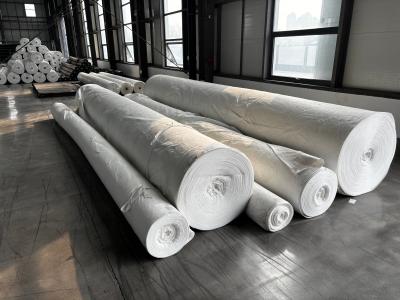
Roll Lengths: Lengths run shorter than lightweight fabrics because of the weight. A 4x30 meter roll gives 120 square meters and weighs approximately 84 kilograms. Forklifts or cranes are required for handling at this weight.
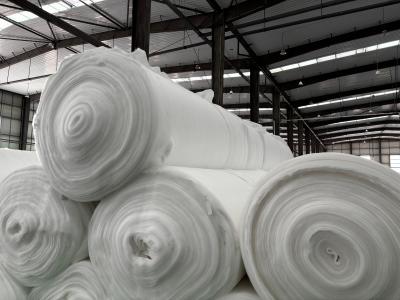
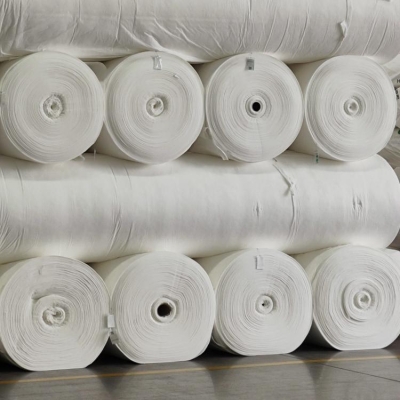
Packaging: Each roll winds onto a heavy duty cardboard core and gets wrapped in polyethylene film. Steel or plastic straps secure the wrap and provide lifting points. Labels show weight, dimensions, lot numbers, and certification information.
Palletizing: Rolls stack on pallets for shipping. Pallet loads are limited to safe weights for forklifts. The heavy weight designation is clearly marked on all packaging.
Container Loading: Export shipments go into 20 or 40 foot containers. A 20 footer holds about 2000 to 3500 square meters of Geotextile 700g m2. Load plans account for the significant weight to keep containers within legal limits.
Storage: Keep rolls on pallets or other raised surfaces. Stack no more than two high due to the weight. Leave wrapping on until installation. Store indoors when possible to protect the UV stabilizers.
Company Strength
Production Capacity: Major manufacturers run dedicated heavy needle punch lines for heavyweight geotextiles. Daily output of Geotextile 700g m2 for Landfills requires specialized equipment that only top producers maintain. These heavy lines run slower but produce denser, more uniform fabric.
Raw Materials: Top suppliers use virgin polypropylene from major petrochemical companies. Consistent fiber denier and polymer properties are critical for achieving heavy weight specifications. Recycled content is never used in landfill grades because performance cannot be compromised.
Quality Testing: In house laboratories test every batch to verify weight, thickness, tensile, puncture, tear, opening size, and permittivity. Certified test reports are provided with every shipment. Third party audits from SGS, Intertek, or BV provide additional verification for regulatory compliance.
Engineering Support: Geotechnical and environmental engineers on staff help customers with specifications and design. They understand EPA regulations, state environmental requirements, and mining industry standards. This expertise prevents costly specification errors.
Project History: Established suppliers have track records on major landfill and mining projects worldwide. Municipal landfills. Industrial waste facilities. Heap leach pads. References are available for verification.

FAQ
Q: Why 700g m2 for landfill applications?
A: Landfills need heavy weight for three reasons. Puncture resistance to protect liners from sharp stone. Tensile strength to survive heavy equipment installation. Thickness to provide cushioning. The Geotextile 700g m2 for Landfills delivers all three.
Q: What is the difference between Geotextile White and black for landfills?
A: White fabric reflects heat and stays cooler during installation. It is also easier to see against dark soil, helping crews verify coverage. Black fabric has slightly better UV resistance if exposed longer. Both perform the same underground. Choose based on installation preference.
Q: Is this suitable for Mine Geotextile applications?
A: Yes. Heap leach pads and tailings storage facilities need the same heavy weight protection. The Geotextile 700g m2 meets mining industry specifications. Chemical resistance to leach solutions is excellent.
Q: How does this compare to Geotextile 700g m2 in woven form?
A: Nonwoven is used for filtration, protection, and separation. Woven is used for reinforcement. For landfill liner protection and leachate filtration, nonwoven is the correct choice. For reinforcing landfill access roads, woven may be used.
Q: Can equipment drive directly on this fabric?
A: The Geotextile 700g m2 for Landfills is designed to survive equipment traffic. Dozers, compactors, and dump trucks work directly on it during installation. However, best practice is to place cover material as soon as practical to protect the fabric and the liner below.
Q: How much overlap between rolls?
A: 300 to 500 mm for liner protection. 500 to 750 mm for leachate collection filtration. On slopes, place upper roll over lower roll so water runs over the lap. Seams may be sewn or thermally bonded for critical applications.
Q: How long can it sit exposed to sun?
A: About 60 to 90 days depending on UV intensity. The heavy weight provides more material before degradation affects performance. But cover the Geotextile 700g m2 as soon as practical. For large landfill projects, plan installation in phases.
Q: What opening size is needed for leachate filtration?
A: Apparent opening size between 0.07 and 0.12 mm retains most fine particles found in landfill leachate. The Geotextile 700g m2 for Landfills provides this controlled opening size. Consult a geotechnical engineer for specific soil conditions.
Q: How long will this fabric last in a landfill environment?
A: 100 years or more. No UV exposure. Stable temperatures. No biological breakdown. Polypropylene is chemically inert to leachate. The Geotextile 700g m2 installed today will still be protecting the liner when the landfill reaches final closure and beyond.
Q: What certifications should I require from the supplier?
A: Certified test reports for all parameters. Third party verification from an accredited laboratory. Manufacturing quality system certification like ISO 9001. For regulated landfills, request documentation that the Geotextile 700g m2 meets state EPA requirements.
For landfill and mining projects that demand the highest level of protection, the Geotextile 700g m2 for Landfills delivers. It is not the cheapest fabric on the market. It is the fabric that keeps working when lighter materials fail and environmental regulations demand performance. Contact technical support with your project specifications for recommendations on weight, opening size, and installation details.