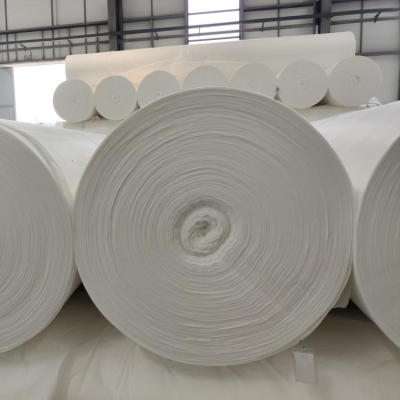
White Geotextile Membrane: Why Color Choice Matters for Exposed Installations
A resort developer in Indonesia once told me about a liner that failed in less than six months. He had built a recreational pond using a standard black geomembrane. The tropical sun beat down on it every day. Within months, the material turned brittle and cracked. Water leaked out. Guests complained. He had to drain the pond and replace the entire liner.
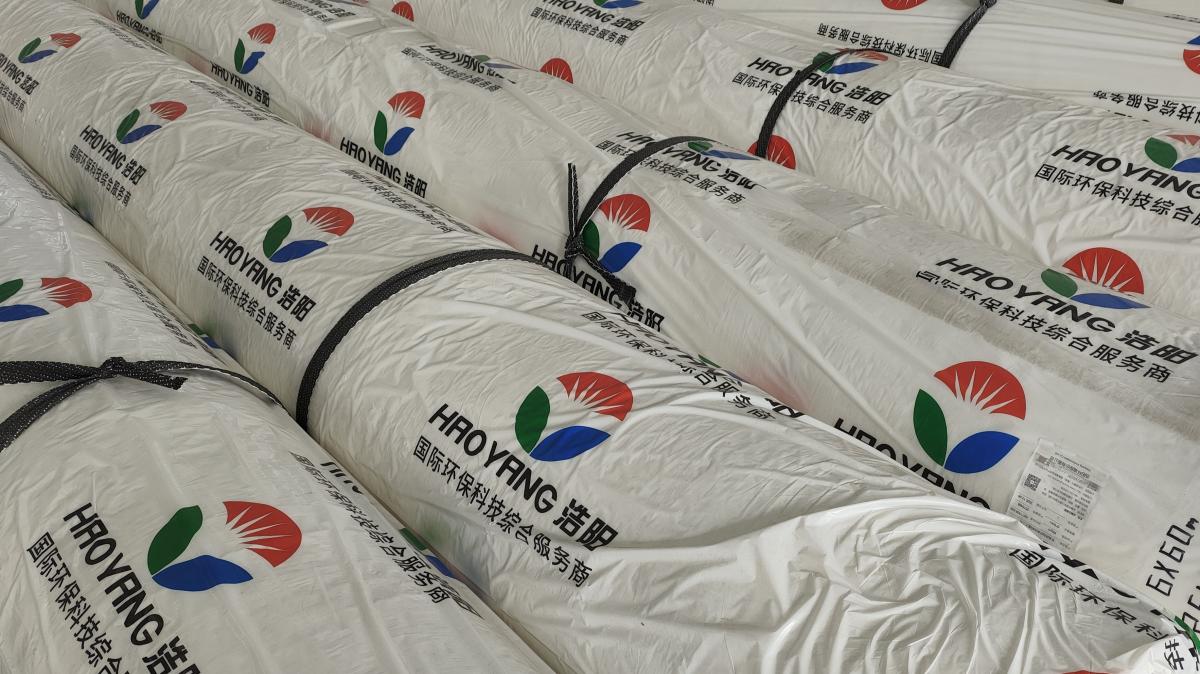
For the second attempt, his team used a White Geotextile Membrane from a different supplier. They installed 12,000 square meters across the pond. That liner stayed flexible. The pond held water. And the bright white surface created a lagoon look that actually helped fill rooms during peak season.
That developer learned what lab tests confirm. Under identical sunlight, a white surface stays up to 40°C cooler than black. That temperature difference often determines whether a liner lasts years or fails within months.
 |  |  |
Why Color Changes Performance
Walk onto any construction site, and you will see black geotextiles everywhere. They dominate the market for buried work—roads, landfills, subgrade separation. Black is cheap and proven.
But black absorbs light. In direct sun, a black Geotextile Membrane can reach surface temperatures above 70°C. Heat speeds up polymer breakdown. It causes expansion and contraction that stresses seams. It shortens the life of the material.
A White Geotextile Membrane does the opposite. It reflects most solar radiation. The surface stays cooler. The polymer ages more slowly. And for visible jobs like ponds or parks, white simply looks better.
The Indonesia case is not unusual. Manufacturers have documented that white surfaces keep a Polyester Geotextile or geomembrane up to 40°C cooler than black under the same sun. This is basic physics, not marketing.
How White Geotextile Is Made
The difference between black and white starts with the raw material.
For black geotextiles, makers add carbon black to the resin before extrusion. Carbon black blocks UV well and costs little. But it absorbs heat.
For White Geotextile Membrane, makers use titanium dioxide instead of carbon black. Titanium dioxide reflects light rather than soaking it up. The compound is mixed into the polymer before extrusion, not painted on later. This puts the white color through the whole thickness of the fabric or sheet.
For nonwoven Polyester Geotextile products, white fibers are needle-punched into a three-dimensional mat. The finished fabric has the same tensile strength and puncture resistance as black material of the same weight. The only real difference is the pigment and how it handles light.
For geomembrane liners, many makers use a three-layer process. The core layer gives structural strength. The white top layer—about 3 percent of total thickness—holds titanium dioxide and UV stabilizers. This creates a white surface that will not peel or wear away.
What Testing Shows About Heat and Polymer Life
Lab work confirms what field failures show. Heat hurts polymer longevity.
Every 10°C rise in operating temperature roughly doubles the speed of antioxidant depletion. A black liner sitting at 70°C surface temperature burns through its stabilizer package much faster than a white liner at 30°C. This is why black geotextiles work fine for buried use—soil insulates them—but cause problems when left exposed.
UV exposure makes things worse. Standard black Geotextile Membrane with 2-3 percent carbon black typically holds adequate strength for 30 to 60 days of exposure. Longer exposure leads to surface cracking and brittleness.
White Geotextile Membrane with titanium dioxide performs better under prolonged exposure. The reflective pigment cuts both heat buildup and UV absorption. Many white products retain over 80 percent of tensile strength after 500 hours of accelerated weathering.
Where White Makes Sense
White is not right for every job. For buried separation layers under roads, black remains the standard. The extra cost of white is wasted where no one sees the material and sunlight never reaches it.
But for exposed work, white offers real benefits:
Recreational water features: Resorts, municipal ponds, and decorative lakes benefit from the bright white color that creates turquoise water effects. The Indonesia case showed that white liners can boost property value and guest satisfaction.
Mining heap leach pads: In hot climates, cooler liner temperatures improve chemical recovery rates and cut evaporative losses. Some mines report higher production after switching to white.
Landfill final covers: White geomembranes on landfill caps make visual inspection easier. Damage shows clearly against the bright background. Some regulators now prefer white for exposed cover systems.
Roof gardens and plaza decks: White Polyester Geotextile protection layers help reduce building cooling loads in warm climates.
What Experienced Buyers Check
Procurement people who have seen white liners fail tend to check several things.
First, they verify that the white color comes from titanium dioxide mixed into the polymer, not a surface coating. Painted surfaces peel. Compounded color lasts.
Second, they ask for UV test data. A quality White Geotextile Membrane should retain at least 70 percent of its tensile strength after 500 hours of accelerated exposure. Some premium products hit 80 percent after 1,000 hours.
Third, they check antioxidant levels through OIT testing. High initial OIT numbers mean adequate stabilizer packages for long service life.
Fourth, they confirm that mechanical properties meet project needs. A white Geotextile Membrane of a given weight should deliver tensile strength, puncture resistance, and permittivity similar to black material.
Questions Worth Asking Before You Specify
Q1: When should I choose White Geotextile Membrane over black?
Choose white when the Geotextile Membrane will be exposed to direct sunlight or visible to the public. This includes decorative ponds, canal linings, landfill caps, and mining heap leach pads. For buried uses like road subgrade separation, black is usually more cost-effective.
Q2: Is white as strong as black geotextile of the same weight?
Yes. Tensile strength, puncture resistance, and elongation come from the polymer, weight, and manufacturing method, not the color. A 200gsm white Polyester Geotextile has similar strength to a 200gsm black one with comparable polymer quality.
Q3: Does white cost more than black?
Generally yes. Titanium dioxide costs more than carbon black, and making White Geotextile Membrane requires extra quality control for consistent color. The higher price is usually worth it for longer life and better performance in exposed work.
Q4: How do I check that delivered white geotextile has proper UV protection?
Ask for Mill Test Reports showing titanium dioxide content and dispersion. For critical jobs, request OIT test results for antioxidant levels. Look for consistent white color without streaks or variations.
Q5: Can white geotextile be used for filtration?
Yes. White Nonwoven Geotextile works exactly like black for filtration, separation, and drainage. The pore structure controls filtration, not the color. White is used for exposed filtration where looks matter, such as around decorative ponds.
Moving Beyond Color to Performance
The resort developer in Indonesia learned that liner color is not just about looks. It is a performance choice that affects service life, maintenance costs, and even revenue.
Good suppliers offer more than just white fabric. They provide UV test data, OIT results, and references from similar exposed jobs. They have engineers who can explain why titanium dioxide beats carbon black in hot, sunny places.
Before you specify geotextile for any exposed application, try a different approach. Send your project's exposure conditions, temperature ranges, and visual requirements to our technical team. We will give you a no-obligation analysis of whether White Geotextile Membrane fits your needs, including certified UV performance data and references from similar installations.