What Is Composite Geomembrane & How to Install It
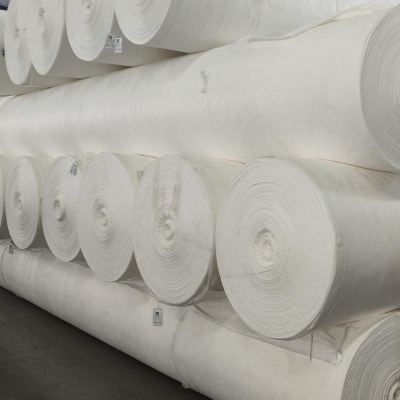
Composite Geomembrane (also referred to as Geocomposite Liner, Composite Liner, or Geocomposite Waterproof Membrane) is an engineering artificial cloth shaped with the aid of combining two or greater one of a kind substances via bodily or chemical techniques (such as warm pressing, needle punching, bonding, extrusion coating, etc.). The core cause is to mix the benefits of one-of-a-kind substances and overcome the negative aspects of a single material, so as to attain optimum and greater complete engineering performance.
Core Aspects & Structure
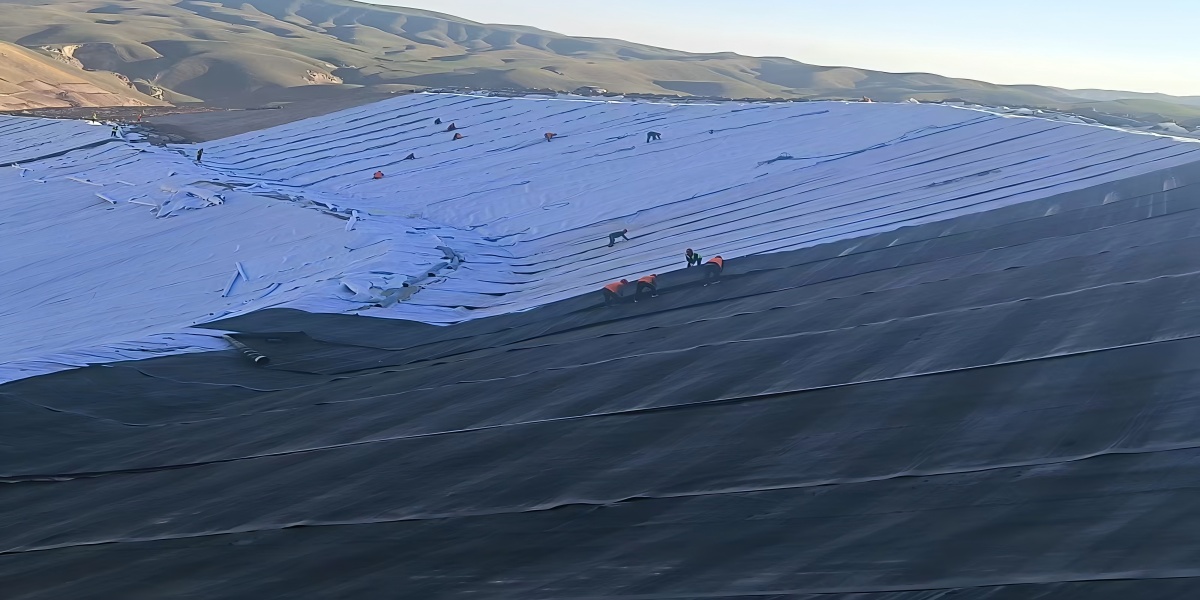
The most frequent shape of composite geomembrane is the aggregate of "geomembrane + geotextile", forming configurations like One Cloth One Membrane (single-sided composite) or Two Cloth One Membrane/Double Geotextile Geomembrane/Geocomposite Two Cloth One Membrane (double-sided composite):
1. Core layer - geomembrane
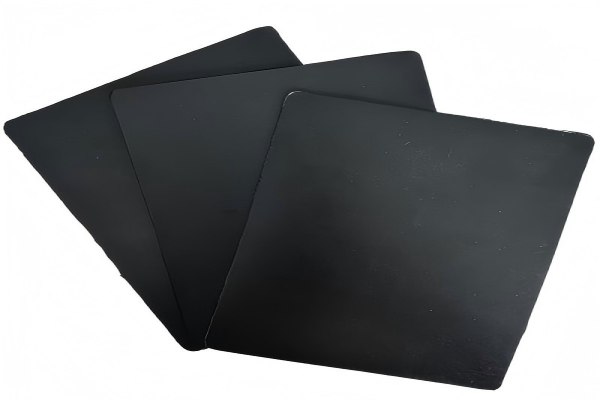
This is the key purposeful layer of the composite material, offering the principal impermeable (anti-seepage) barrier. Commonly used kinds consist of HDPE Composite Geomembrane/HDPE Composite Liner, PP Composite Geomembrane, and UV-Resistant Composite Geomembrane/UV-Stabilized Composite Liner for long-term publicity applications.
Commonly used membrane substances include:
HDPE (high-density polyethylene): robust chemical corrosion resistance, right getting old resistance, excessive mechanical strength, and the most extensively used.
LDPE/LLDPE (low-density polyethylene/linear low-density polyethylene): higher flexibility and robust capacity to adapt to deformation.
PVC (polyvinyl chloride): right flexibility and convenient welding.
PP (polypropylene): properly excessive temperature resistance.
TPO (thermoplastic polyolefin): proper environmental safety and climate resistance.
EPDM (ethylene propylene diene monomer): Excellent climate resistance, low temperature resistance, and flexibility, however excessive cost.
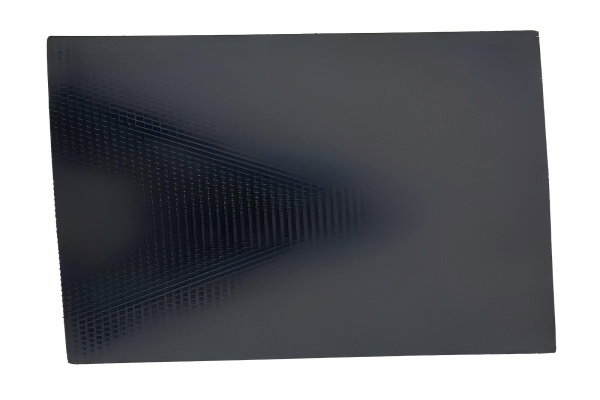
The membrane can be clean or Textured (rough floor will increase the friction coefficient), making it a Textured Composite Liner.
 |  |
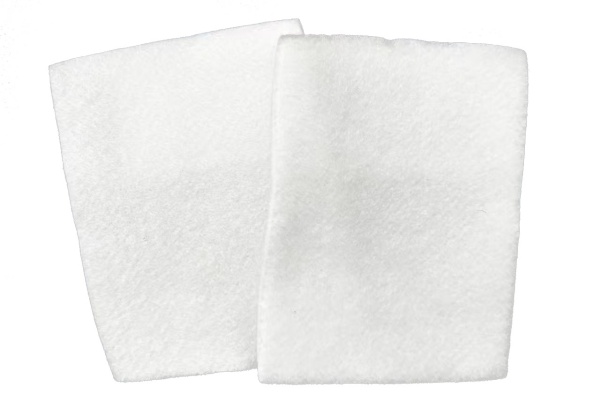
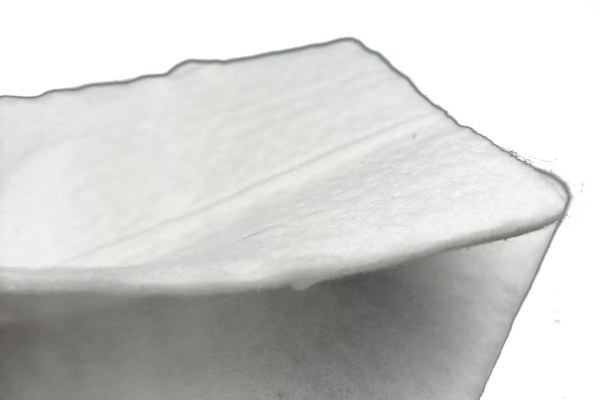
2. Protection/reinforcement layer - geotextile
Usually connected to one or each aspects of the geomembrane, growing a Geotextile-Bonded Geomembrane or Double-Sided Geocomposite. Main functions:
Physical protection: Prevents the geomembrane from being punctured or scratched by means of sharp stones, rubbish or building tools at some stage in laying and backfilling.
Drainage and air conduction: Provides a planar drainage channel to discharge water or gasoline below the membrane (such as biogas from landfills), forming a Drainage Composite Geomembrane.
Reinforcement: Improves the typical Geocomposite Tensile Strength, tear strength, puncture resistance, and creep resistance, ensuing in a High-Strength Geocomposite Liner/Reinforced Composite Membrane/High-Strength Composite Liner.
Increased friction: The hard floor of the geotextile will increase the friction coefficient with the soil or geotechnical material, improves slope stability, and prevents sliding for the duration of laying.
Isolation: Prevents soils of one-of-a-kind particle sizes from mixing with every other.
 |  |
3. Common composite types
One Cloth One Membrane/Single-sided Geocomposite: One facet of the geomembrane is composited with geotextile (usually non-woven geotextile). Suitable for conditions the place solely one-sided safety or drainage is required.
Two Cloth One Membrane/Double-Sided Geocomposite/Geocomposite Two Cloth One Membrane/Double Geotextile Geomembrane: Both aspects of the geomembrane are composited with geotextile (usually non-woven geotextile). It gives all-round protection, drainage and reinforcement, and is the most extensively used.
Geomembrane + Geogrid/Grid Composite: The important reason is to notably enhance the tensile power and modulus of the material, developing a Reinforced Composite Membrane, used in conditions the place extraordinarily excessive reinforcement overall performance is required.
Bentonite Waterproof Blanket (GCL): A one-of-a-kind composite geomembrane and Self-Healing Geocomposite, commonly made of two layers of geotextile (woven or non-woven) sandwiching a layer of herbal sodium-based bentonite particles, shaped by using needle punching or bonding. Bentonite swells in water to structure a dense colloidal water-proof layer. Considered an Eco-Friendly Composite Liner in some contexts.
Main Advantages
1. Excellent complete performance: It integrates anti-seepage, protection, drainage (or air conduction), reinforcement, isolation and different functions.
2. Improved Durability: The geotextile protecting layer extensively reduces the chance of geomembrane harm in the course of development and use, extending the Composite Geomembrane Lifespan, particularly when UV-Resistant/UV-Stabilized.
3. Enhanced Mechanical Properties: The material's tensile strength, tear strength, puncture resistance, and creep resistance are multiplied (High-Strength).
4. Improved Interfacial Friction: The geotextile layer gives larger frictional resistance, improving slope stability.
5. Easy Construction: The composite shape reduces the wide variety of on-site multi-layer laying steps, enhancing building effectivity and quality. Refer to a Composite Membrane Installation Guide for fine practices.
6. High Cost-Effectiveness: While the unit fee (Composite Liner Price Per M2) may additionally be greater than that of a single geomembrane, its complete overall performance and decreased development and preservation prices make it greater reasonably priced overall. Sourcing from professional Composite Geomembrane Manufacturers or the Best Composite Geomembrane Supplier ensures value.
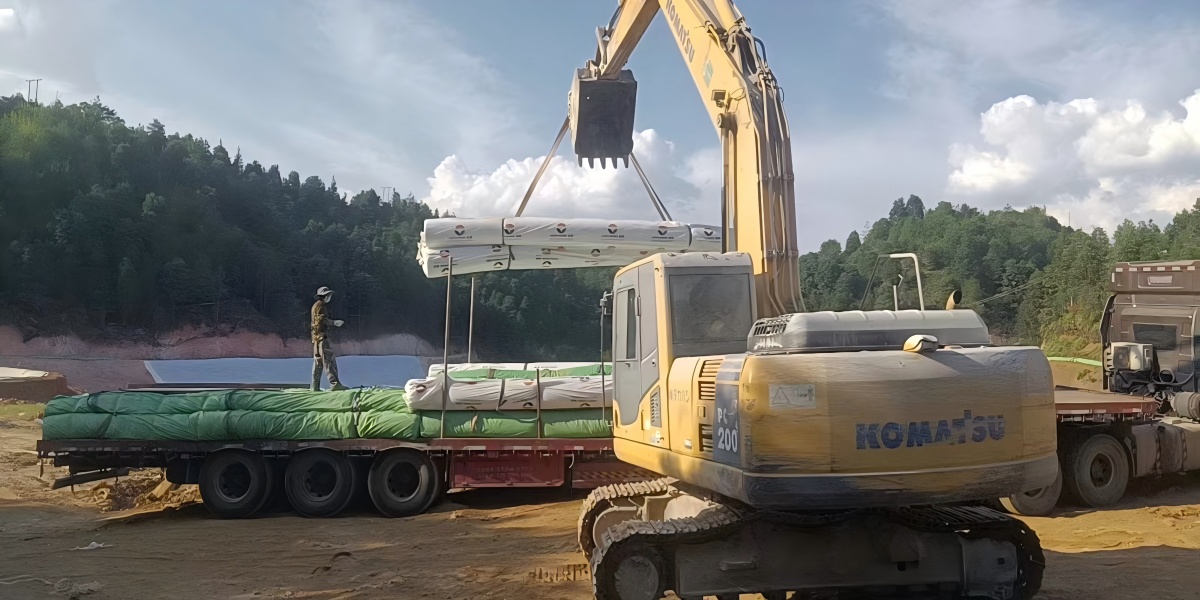
Main Applications
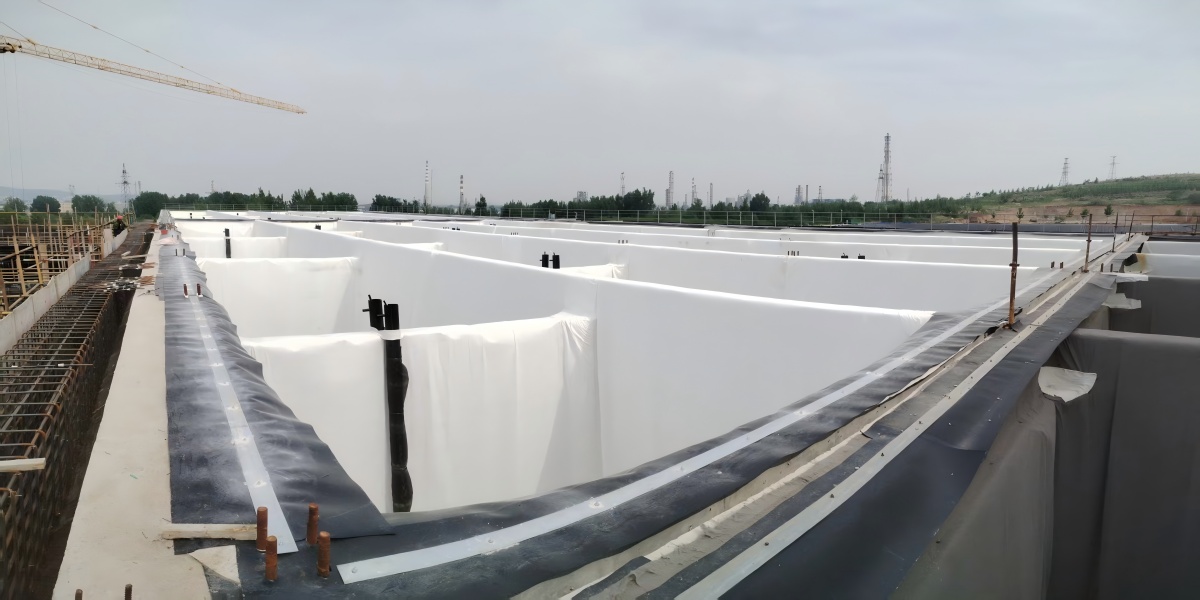
Due to its amazing complete performance, Composite Geomembranes/Geocomposite Liners are broadly used in initiatives requiring dependable anti-seepage and complete protection:
1. Environmental Protection
Landfill Composite Liner System (Bottom liners and cowl structures for municipal strong waste landfills and hazardous waste landfills).
Seepage control in sewage treatment plants (regulating ponds, anaerobic ponds, oxidation ponds, etc.) - Wastewater Lagoon Composite Liner.
Seepage control in industrial Tailings Pond Composite Geomembrane and ash dumps.
2. Water conservancy projects
Anti-seepage for reservoirs - Reservoir Composite Waterproofing Membrane.
Anti-seepage for artificial lakes - Artificial Lake Composite Liner.
Anti-seepage linings for channels and canals - Canal Lining Composite Geomembrane.
Anti-seepage structures for dams and embankments.
3. Municipal engineering
Waterproof and root-proof puncture-proof layers for underground garages and roof gardens.
Tunnel Waterproofing Geocomposite/Tunnel Waterproofing Composite for subway and tunnel projects.
4. Traffic engineering
Anti-seepage isolation layers for roadbeds and railways.
5. Mining engineering
Anti-seepage for heap leaching sites and solution pools.
6. Aquaculture
Anti-seepage for breeding ponds and fish ponds - Aquaculture Pond Composite Liner.
7. Ecological Restoration
Ecological Restoration Geocomposite for habitat recovery and wetland projects.
Installation Precautions
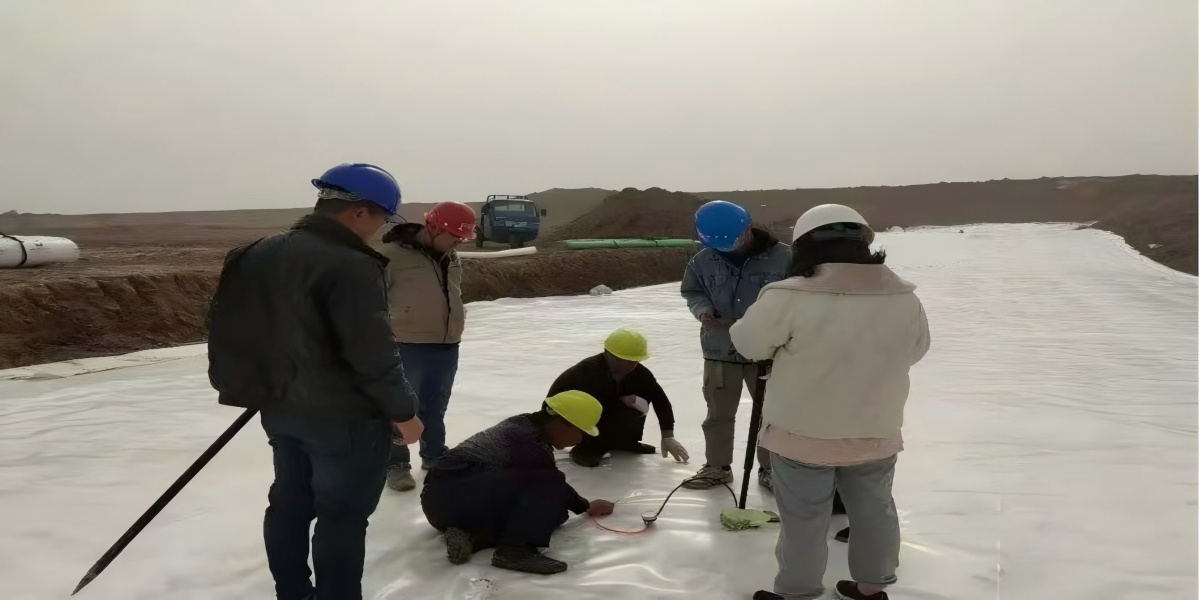
I. Preparation before Installation
1. Base treatment (foundation surface):
Flatness: Remove sharp objects (stones, tree roots, steel bar heads, etc.), compact and level, slope ≤1:3, avoid local subsidence. The unevenness of the foundation surface is ≤20mm.
Density: Compactness ≥90%, no looseness, voids, cracks (need to be filled).
Drainage/air guide: If there is a drainage/air guide layer (such as gravel layer, geocomposite drainage net) in the design, it must be laid according to the specifications.
Cleanliness: Clean thoroughly, without water accumulation, mud, and oil stains.
2. Material acceptance and storage:
Check product specifications (e.g., Composite Geomembrane Thickness - 1mm, 2mm, or other; material, composite structure), certificate of conformity, and test report against relevant Composite Liner ASTM Standards or Composite Liner Manufacturing Standards. Confirm Chemical-Resistant properties if required.
Check appearance: no holes, tears, obvious creases, aging and pollution.
Storage: Keep away from light and moisture, stack flat with a height of ≤4 rolls, and stay away from fire sources and chemicals. Consider UV-Resistant handling if stored outdoors.
3. Equipment and personnel:
Equipment: automatic climbing welding machine (double-track hot melt welding machine), hot air gun (extrusion welding gun), pressure welding wheel, vacuum leak detector, spark detector, cutter, weighted sandbags (or geobags).
Personnel: Welders must be certified and have experience in composite material welding. Follow the Composite Membrane Installation Guide.
II. Laying Process (Core Steps)
1. Laying direction:
Lay from top to bottom along the slope to reduce sliding force.
The long side direction (coil direction) should be parallel to the maximum slope line as much as possible to reduce transverse welds.
2. Spread out the sample:
Measure and lay out according to the design drawing, and reserve the overlap width (generally 10-15cm). For Custom-Sized Geocomposite Sheets, ensure precise fit.
Naturally relax and lay to avoid stress wrinkles caused by hard pulling (small wavy wrinkles are allowed).
3. Overlap treatment (key!):
Cloth/cloth overlap: usually stitching (≥10cm) or hot bonding (non-woven fabrics).
Membrane/membrane overlap: hot melt welding (double-track welding or extrusion welding) must be used:
Double-track hot melt welding (main weld): suitable for large-area flat surfaces, forming two welds + cavities, which is convenient for air pressure detection. Adhere to Composite Liner ASTM Standards.
Extrusion welding (repair/complex parts): fill the seam with molten welding rod, suitable for corners, repairs, and T-joints.
Clean the overlap area: wipe the overlap surface thoroughly with anhydrous alcohol before welding (width ≥10cm).
4. Anchoring and fixing:
Top anchoring: embedded in concrete anchoring trench (commonly used), depth ≥50cm, backfill and compact.
Slope fixing: temporarily use sandbags or geobags to weigh (spacing 1-2m) to prevent wind lifting or sliding, and gradually remove them when backfilling.
III. Welding Process (Quality Core)
Parameter debugging:
Take the same material test piece (size ≥1m×0.3m) on site for trial welding.
Adjust the temperature (usually 200-400℃), speed (1.5-3m/min), and pressure until the weld strength is ≥90% of the parent material (peel test per Geocomposite Seam Testing Methods).
2. Welding operation:
The double-track welder advances at a uniform speed along the overlapped edge to ensure that the two weld lines are uniform and continuous.
Extrusion welding is used for fine processing of complex parts (pipe mouths, yin and yang corners), and the welding rod completely covers the joint.
T-joint: weld the transverse seam first, then weld the longitudinal seam to cover the junction.
3. Real-time quality inspection:
Visual inspection: The weld is flat without bubbles, impurities, leakage, or burns.
Air pressure detection (double-track weld): pressurize the cavity to 200-300kPa, maintain the pressure for 3-5 minutes without reducing the pressure.
Vacuum cover detection (flat weld): apply soapy water, evacuate to -0.02MPa, and no bubbles are generated. These are key Geocomposite Seam Testing Methods.
IV. Node Treatment (Weak Point of Anti-seepage)
1. Pipeline/structure through the membrane:
Use prefabricated pipe boots (HDPE casing) or on-site welding reinforcement sheets.
Pipeline rust removal and grinding, double-pass welding of pipe boots and membrane, and tightening with stainless steel clamps.
2. Corner/expansion joint:
Avoid 90° right angles and use arc transition (radius ≥50cm).
Add reinforcement layer (same material membrane), extrude and weld fully.
3. Anchor trench:
The membrane folds smoothly in the trench to avoid stress concentration, and the backfill is compacted in layers.
V. Backfill Protection
Covering layer material: Use well-graded (no edges and corners) sand or pebbles (particle size ≤ 5cm), thickness ≥ 30cm.
Laying geotextile: If the design has an overlying geotextile, lay the fabric first and then backfill to play a buffering and protective role.
Backfill method:
Light unloading and thin paving: Mechanical unloading ≥ 1.5m away from the membrane, and manual flattening.
Direction: Push from the bottom to the top to avoid dragging the membrane material.
Compaction: Compact with light equipment (such as flat rammer) to avoid vibration rolling.
VI. Acceptance and inspection
1. Destructive inspection:
Take 1 weld sample (≥ 0.3m × 0.6m) for every 5000㎡, and perform shear/peel strength test in the laboratory (part of Geocomposite Seam Testing Methods).
2. Non-destructive inspection:
Electric spark detection: Scan all welds (voltage 15-30kV), and generate spark alarm at the leak point.
Vacuum box detection: Focus on spot checking node parts (such as pipe mouths and T-joints).
3. Integrity report:
Record the inspection location, method, and results, and form a weld layout diagram. Ensure compliance with Composite Liner ASTM Standards and project specs.
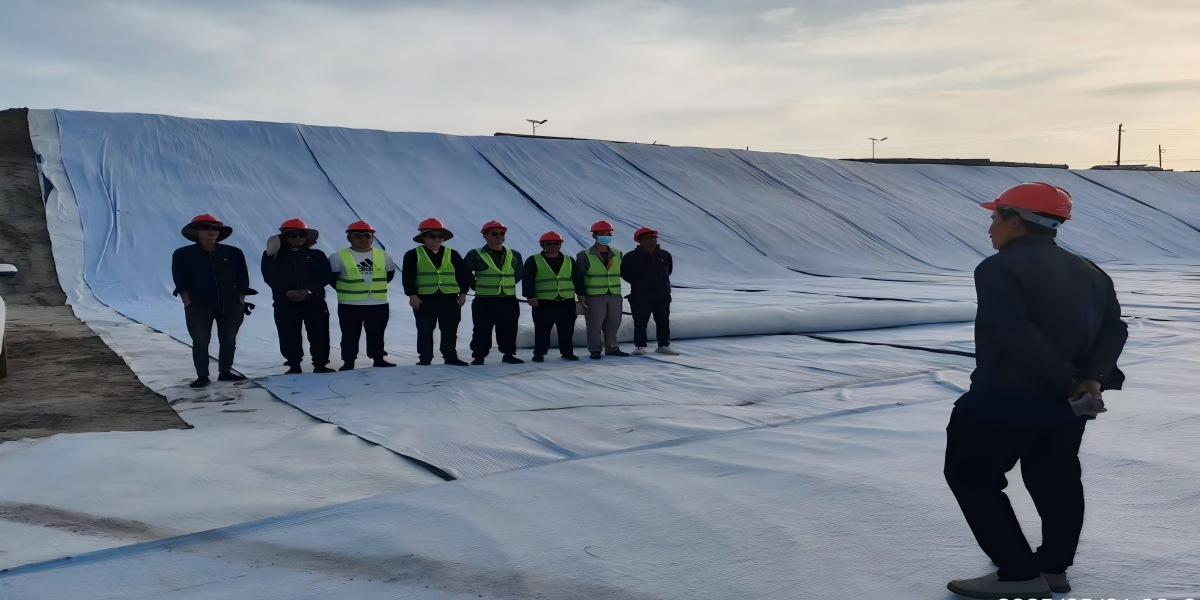
Key points
Weather conditions: Avoid construction in rainy and snowy days, strong winds (>4 levels), and low temperatures (<5℃). Preheat the welding machine and membrane surface at low temperatures. Crucial for UV-Resistant Composite Geomembrane performance.
Site protection: Do not step on people wearing spiked shoes, and lay temporary wooden boards in the welding area. When welding, place clean wooden boards underneath to prevent scalding the base. Protects the High-Strength Geocomposite Liner investment.
Damage repair: For holes or unqualified inspections, use hot air welding with patches of the same material (size>20cm from the defect edge). Maintains integrity of the Composite Waterproof Membrane.
Occupational safety: The welding area is ventilated, and the operator wears a protective mask/gloves. Wear a safety belt when working on the slope, and keep a safe distance when operating machinery.
The core of Composite Geomembrane installation lies in "flat base, standardized overlap, reliable welding, node reinforcement, and backfill protection". Only by strictly implementing standardized processes (such as the GRI-GM13 ASTM Standard) and strengthening process detection (Geocomposite Seam Testing Methods) can the quality and long Composite Geomembrane Lifespan of the century-old anti-seepage project be ensured. It is recommended to entrust a professional anti-seepage engineering team (Best Composite Geomembrane Supplier or experienced contractor) to construct and supervise and track the entire process, referencing Geocomposite Project Case Studies for best practices. Consider Bulk Geocomposite Liner Pricing and Factory Direct options from Composite Geomembrane Manufacturers for cost-efficiency on large projects like Landfill Composite Liner System, Tailings Pond Composite Geomembrane, or Reservoir Composite Waterproofing Membrane.
Summary
Composite Geomembrane/Geocomposite Liner is an advanced Geocomposite Waterproof Membrane made by combining geomembrane (core anti-seepage layer) with other geosynthetics (mainly geotextile, creating a Geotextile-Bonded Geomembrane, which plays a role of protection, drainage and reinforcement). It combines the advantages of each component material, provides excellent anti-seepage performance, physical protection ability, high-strength mechanical properties (Geocomposite Tensile Strength) and construction convenience, and is an indispensable key anti-seepage material in modern civil engineering, water conservancy, and environmental engineering. Common configurations include One Cloth One Membrane and Two Cloth One Membrane/Double-Sided Geocomposite.
It solves the problems of single geomembrane being easy to break, low friction coefficient, and unable to drain and guide air, greatly improving the reliability and long-term performance (Composite Geomembrane Lifespan) of the anti-seepage system. Which type to choose (e.g., HDPE Composite Liner, PP Composite Geomembrane, Textured Composite Liner, Self-Healing Geocomposite like GCL, Drainage Composite Geomembrane; Composite Geomembrane Thickness like 1mm or 2mm; single/double-sided) depends on the specific engineering requirements (e.g., Landfill Composite Liner System, Tailings Pond Composite Geomembrane, Wastewater Lagoon Composite Liner, Reservoir Composite Waterproofing Membrane, Canal Lining Composite Geomembrane, Artificial Lake Composite Liner, Tunnel Waterproofing Geocomposite, Aquaculture Pond Composite Liner, Ecological Restoration Geocomposite, Road Subgrade, Mining) and geological conditions. Selecting the right material (Chemical-Resistant, UV-Stabilized) from reputable Composite Geomembrane Manufacturers, considering Composite Liner Price Per M2 and Bulk Geocomposite Liner Pricing, and adhering to Composite Liner ASTM Standards and Composite Liner Manufacturing Standards are crucial for project success. Composite Geomembrane Factory Direct sourcing or partnering with the Best Composite Geomembrane Supplier ensures quality Custom-Sized Geocomposite Sheets and access to proven Geocomposite Project Case Studies.