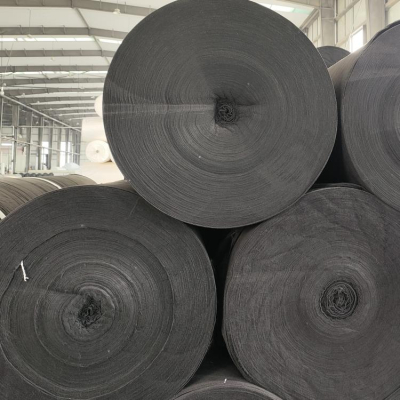
Nonwoven Geotextile: What Experienced Buyers Discover When Projects Go Sideways
Meta Title: Nonwoven Geotextile: What Infrastructure Buyers Need to Know
Meta Description: Practical guidance on Nonwoven Geotextile selection, filtration science, and supplier evaluation for procurement professionals working on global infrastructure projects.
A few years ago, I sat across from a project manager who had just lived through what he called his "master class in expensive lessons." His firm had won a contract to rehabilitate a stretch of interstate highway. Someone in procurement found a deal on Nonwoven Geotextile that looked too good to pass up. The certification papers showed everything the spec required. The price beat every other quote. The rolls arrived on schedule.
About a year after paving, the trouble started. Sections of road began showing stress cracks. When they dug down to investigate, they found the geotextile had torn during installation. Nothing dramatic—just small punctures here and there where rock had pushed through. Those small holes let fine subgrade soil migrate up into the base layer. By the time the damage showed at the surface, fixing it meant excavating and replacing large sections at the contractor's expense.
He told me the replacement cost ate the profit from three other jobs. He also said he'd never again buy geotextile without visiting the factory and watching them make it.
I hear versions of this story more often than most people would guess. They don't appear in marketing brochures or case study collections. But they shape how experienced procurement people approach Nonwoven Geotextile specification.
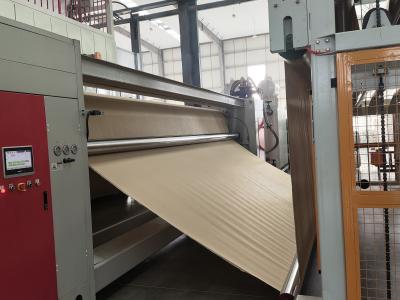 | 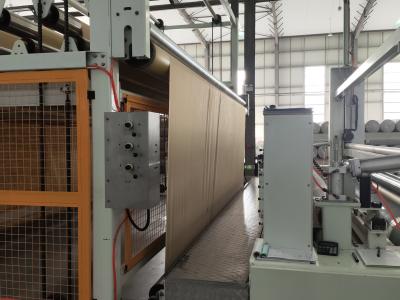 | 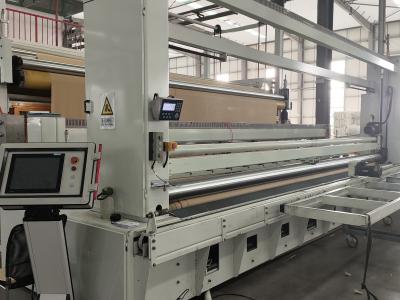 |
What Regional Markets Reveal About Supplier Quality
If yo talk with geotextile buyers across different regions, patterns emerge in what keeps them up at night.
In Southeast Asia, where infrastructure spending has climbed steadily, project owners now routinely require independent testing on every shipment of Geotextile Filter Fabric. The reason is simple: they've learned that paperwork doesn't always tell the truth. A container arrives with all the right certificates, but the fabric inside might come from a different production run or contain a different polymer blend than what was ordered.
North American buyers face different pressures. Federal infrastructure money brings federal oversight. Projects receiving public funds must document the source of every component and maintain audit trails. This has pushed business toward manufacturers who can trace each roll back to specific production dates and raw material batches.
In the Middle East, where summer temperatures regularly hit 50 degrees Celsius and groundwater often contains high salts, specifiers have stopped relying on standard test data. They want to know how a fabric will hold up after years in their specific conditions. The question is no longer "Does this meet ASTM standards?" but "What evidence do you have that this Geotextile 300 will still function after a decade in our environment?"
These regional differences matter because they affect what you should ask before placing an order.
What Happens Underground That Lab Tests Miss
To understand why two fabrics with nearly identical spec sheets can perform completely differently, you need to think about what these materials actually do once they're buried.
A Nonwoven Geotextile in a road or drainage application has three jobs. It must let water pass while keeping soil particles where they belong. It must keep different materials from mixing—preventing fine subgrade soils from working up into clean aggregate. And in many installations, it must protect geomembranes or drainage pipes from being punctured by sharp rock.
The filtration function causes the most confusion. Many people assume that if a fabric lets water through easily, it must be good at filtration. But that's backward. Effective filtration means holding soil back, not just passing water. A Geotextile Filter Fabric with pores too large lets fine soil particles migrate through, gradually clogging whatever drainage system lies below. A fabric with pores too small blinds off at the surface, and water cannot get into the drainage layer at all.
The right balance depends entirely on the soil the fabric is meant to protect. This is why experienced geotechnical engineers do not specify fabrics by weight alone. They look at the relationship between the soil's particle sizes and the fabric's pore sizes.
The mechanical side matters too. When a Nonwoven Geotextile sits between soft ground and crushed rock, the rock presses down at points. If the fabric lacks puncture resistance, those point loads create holes. Once there is a hole, soil pumps up through it, contaminating the rock layer and compromising the whole structure.
This is where manufacturing quality becomes visible. Fabrics made with consistent fiber distribution and adequate needle-punch density resist puncture much better than fabrics made with lighter bonding or variable thickness—even when the reported tensile strength is the same.
What Geotextile 300 Actually Means
You see Geotextile 300 written into specifications frequently. Usually it refers to fabric weight—300 grams per square meter. But weight alone tells you almost nothing about how the fabric will perform.
A 300gsm fabric from a manufacturer with good quality control comes from consistent fiber distribution, adequate needle-punch density, and verified polymer quality. The same weight fabric from a supplier focused on hitting a low price point may use lower-grade polymer, run fewer needles per square meter to save production time, or have inconsistent fiber distribution that creates weak spots.
When a project calls for Geotextile 300, experienced buyers look beyond the weight number. They ask for certified test data on tensile strength, puncture resistance, and permittivity. They check that the reported values meet what the project actually requires, not just the minimums for that weight class.
What Buyers Check After Learning the Hard Way
Procurement people who have dealt with failed geotextile installations tend to ask the same questions when evaluating new suppliers.
First, they want to see evidence that the manufacturing process is controlled. Not just final test results, but data on consistency. Statistical Process Control charts, calibration records for testing equipment, documented procedures for polymer blending. These things indicate a manufacturer who takes quality seriously.
Second, they ask for references from projects with similar conditions. A fabric that worked well in a highway job in Germany may not be right for a landfill in Malaysia. Suppliers who can point to successful installations in comparable environments provide more confidence than those offering only standard data sheets.
Third, they verify that the Nonwoven Geotextile being offered matches the certification requirements for their region. In Europe, CE marking means something specific. In North America, ASTM standards are the benchmark, but some states add their own requirements. In Australia, AS/NZS standards apply. A supplier who understands these regional differences and provides the right documentation is worth more than one offering a single product for every market.
Fourth, they check on the supplier's ability to deliver consistent quality across large orders. For big projects, variability between production lots creates real problems. If rolls from different batches have different thickness or stiffness, seaming gets difficult. Buyers who have learned this the hard way now ask for assurance that the Geotextile Filter Fabric for their whole project will come from controlled runs with minimal variation.
What Research Shows About What Actually Fails
A study published several years ago in Geotextiles and Geomembranes examined exhumed geotextiles from multiple road projects. The researchers wanted to know what separated the fabrics that still performed well from those that had failed.
The fabrics that maintained proper filtration function shared common characteristics: consistent fiber distribution, enough thickness to handle some soil intrusion without blinding, and pore sizes that matched the surrounding soil.
The fabrics that failed—whether through clogging or physical breakdown—showed evidence of manufacturing variability. Some had areas of inconsistent fiber density that created preferential flow paths, leading to localized soil movement and eventual system failure.
The study's conclusion matched what experienced practitioners have observed: the quality of Nonwoven Geotextile manufacturing directly determines long-term field performance, and you cannot assess this quality from weight or tensile strength alone.
Questions Worth Asking Before You Specify
Q1: Our site has fine-grained soil. How do we pick the right geotextile?
Fine soils need careful fabric selection to avoid piping or blinding. The standard approach is to specify a Geotextile Filter Fabric with pore sizes matched to the soil's particle distribution, then verify performance through gradient ratio testing. For critical projects, some engineers also require long-term flow testing.
Q2: We are designing for heavy truck traffic and weak subgrade. What weight should we specify?
Geotextile 300 is a common starting point, but the right answer depends on your specific conditions. The fabric needs enough puncture resistance to survive installation and enough tensile strength to distribute loads. Heavier grades may make sense for extreme cases. Ask suppliers for design guidance based on your actual subgrade strength.
Q3: How do we make sure delivered material matches what we ordered?
Request Mill Test Reports for each production lot and compare the numbers to your specification. For critical projects, consider independent testing of samples from delivered rolls. Do a visual check for consistent appearance and proper labeling. Some buyers now require QR code tracking that links each roll to production data.
Q4: Our construction schedule could stretch over months. What should we specify for sun exposure?
Extended sun exposure before burial requires fabrics with adequate UV stabilization. Standard Nonwoven Geotextile products typically keep enough strength for 30 to 60 days of exposure. If your schedule might go longer, specify enhanced UV resistance.
Q5: If two manufacturers both meet the same specification, what is the real difference?
The specification sets minimum requirements, but it does not capture everything that affects long-term performance. Differences in polymer quality, manufacturing consistency, and quality control can produce fabrics that meet the same published numbers but perform very differently over time. Fabrics from manufacturers with robust quality systems give you more assurance.
Moving from Price Shopping to Technical Partnership
The projects that go smoothest treat geotextile specification as an engineering decision, not a purchasing exercise. They bring geotechnical engineers into the conversation early, pick materials based on site-specific conditions, and verify performance through appropriate testing.
Suppliers who understand this approach set themselves apart by offering technical support, not just price quotes. They have engineers who can review soil reports, recommend appropriate Nonwoven Geotextile products, and explain why. They maintain test labs and make the data available.
For procurement professionals, shifting from transactional buying to technical partnership means asking different questions. Instead of "What is your price for Geotextile 300?" the better question is "What does our project actually need, and can you help us figure that out?"
Before you send out your next tender for geotextile materials, try a different approach. Send your project's geotechnical information and application requirements to our technical team. We will give you a no-obligation analysis of what Nonwoven Geotextile or Geotextile Filter Fabric makes sense for your specific conditions, including certified performance data and references from similar installations.