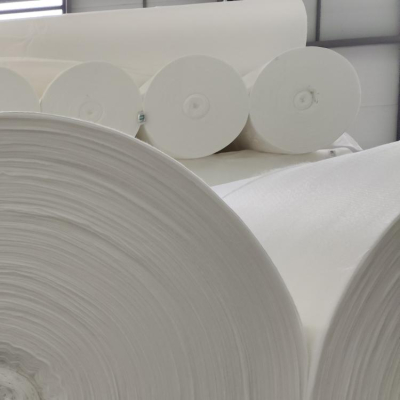
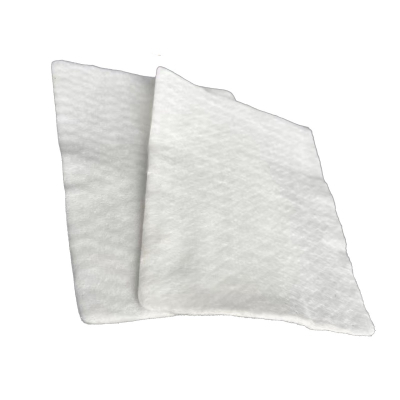
Non Woven Needle Punched Geotextiles: What the Manufacturing Process Means for Field Performance
A tunnel project in the Austrian Alps gave engineers a rare chance to see how geotextiles perform over time. The Arlsberg Tunnel used a 700 g/m² polypropylene Non Woven Needle Punched geotextile between shotcrete and inner concrete lining. After nine years, crack formation in the concrete lining measured 40 percent less in sections with geotextile protection compared to sections without.
This kind of long-term field data is unusual. Most projects get buried and forgotten. But the Arlsberg results confirm what laboratory testing has shown for years. Non Woven Needle Punched geotextiles work. The mechanical bonding process creates a fabric that filters, drains, separates, and protects in ways that granular layers cannot match.
For procurement professionals and civil engineers, understanding how needle-punching works helps explain why some geotextiles perform well and others fail.
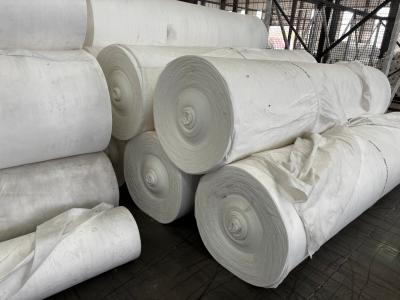 | 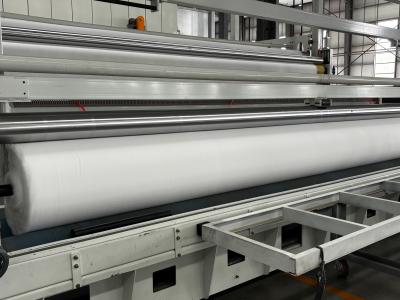 | 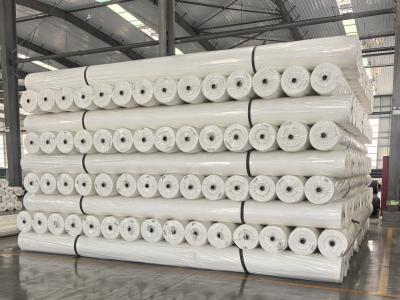 |
How Needle-Punching Creates a Different Kind of Fabric
Most fabrics people encounter every day are woven. Yarns cross over and under each other in a regular pattern. Woven geotextiles exist too. But Non Woven Needle Punched geotextiles follow a completely different production route.
The process starts with polymer pellets. Polypropylene is the most common choice because it resists chemicals and costs less than alternatives. Polyester gets used when higher strength or better creep resistance matters. The pellets melt and push through spinnerets to form continuous filaments. Those filaments lay onto a moving belt to create a loose web.
Then the needles start punching.
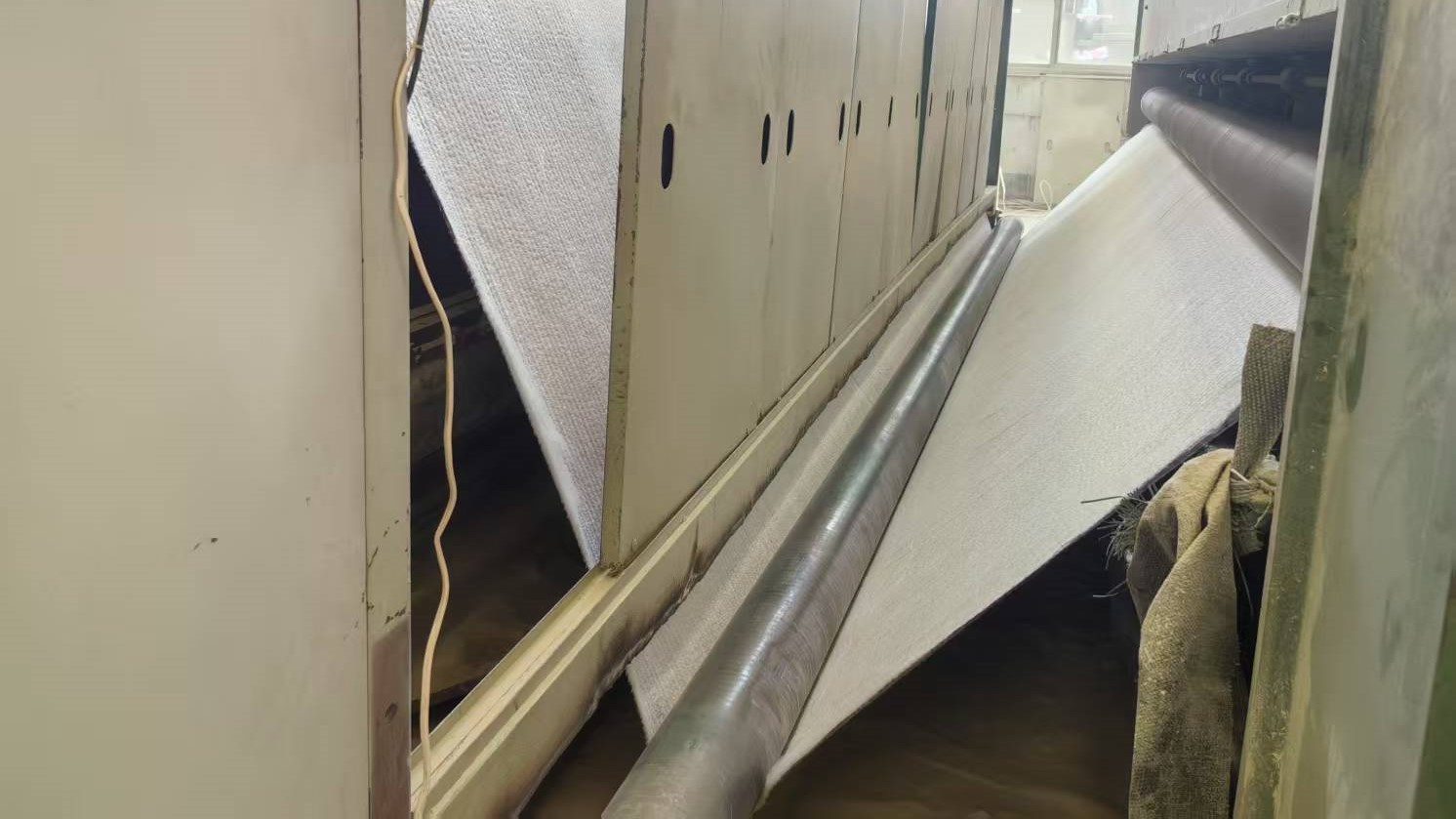
A needle loom drives thousands of barbed needles through the web. Modern machines run at 1,500 to 1,600 strokes per minute. The barbs grab fibers and push them through the web, tangling everything together. No weaving. No knitting. Just mechanical entanglement.
The result is a three-dimensional structure. Pores run in all directions. Water can flow vertically or horizontally through the fabric. Soil particles get trapped because the pore network is complex enough to catch them while still letting water pass.
This is what makes Non Woven Needle Punched geotextiles different from woven products. Wovens have regular openings. Nonwovens have random paths. For filtration and drainage, random paths work better.
How Process Parameters Change the Final Product
Not all Non Woven Needle Punched geotextiles perform the same way. The manufacturing settings determine the final properties.
Needle density measures how many needles punch per unit area. Higher density means more entanglement. More entanglement means higher tensile strength and better puncture resistance. But too much needling can reduce permeability.
Penetration depth controls how far the needles carry fibers through the web. Deeper penetration creates more vertical fiber orientation. That affects how the fabric handles stress in different directions.
Web area density sets the final weight. A Non Woven Needle Punched geotextile at 200 g/m² has different properties than a 400 g/m² product. Heavier fabrics handle more load and resist puncture better but cost more.
Manufacturers who control these parameters closely produce consistent fabric. Those who do not produce rolls that vary from one batch to the next. That variation causes problems on site.
Where Non Woven Needle Punched Geotextiles Get Used
Roads and Railways
When building a road over soft ground, aggregate wants to sink into the subgrade. A separation layer stops that from happening. Non Woven Needle Punched geotextiles placed between soil and stone keep the layers separate while letting water drain through.
Landfills
Landfill liner systems use geotextiles to protect the geomembrane from puncture. The fabric sits between the plastic liner and the drainage stone above it. When heavy equipment drives over the stone, the geotextile spreads the load and cushions the liner.
Tunnels
The Arlsberg case shows what works in tunnels. The geotextile sits between rough shotcrete and the final concrete lining. It provides a drainage path for any water that seeps through. It also reduces stress concentrations that cause cracking.
Erosion Control
Slopes and embankments need surface stabilization. Geotextiles hold soil in place while vegetation establishes. The fabric stays buried under topsoil, doing its job without being visible.
What Buyers Should Check
Test Reports
Request Mill Test Reports for every production lot. Look for grab tensile strength (ASTM D4632), CBR puncture (ASTM D6241), UV resistance (ASTM D4355), permittivity (ASTM D4491), and apparent opening size (ASTM D4751). These numbers tell you whether the fabric meets your specification.
Weight Verification
Confirm that delivered fabric matches the specified weight. Industry tolerance typically runs minus 8 percent. A Non Woven Needle Punched geotextile marked 200 g/m² that actually weighs 180 g/m² will not perform as expected.
UV Stabilization
If the fabric will sit exposed before burial, verify UV inhibitor content. Carbon black at 2-3 percent provides adequate protection for typical construction schedules. Extended exposure requires enhanced formulations.
Frequently Asked Questions
Q1: What is the main difference between woven and nonwoven geotextiles?
Non Woven Needle Punched geotextiles have a random fiber structure created by mechanical entanglement. Water flows in multiple directions. Soil particles get trapped in the complex pore network. Woven geotextiles have regular openings from yarn interlacing. They offer higher tensile strength but lower permeability. For drainage and filtration, nonwoven is usually the right choice.
Q2: What polymers are used for Non Woven Needle Punched geotextiles?
Polypropylene dominates the market because it resists chemicals and costs less. Polyester gets used when higher tensile strength or better creep resistance matters. Both polymers can be needle-punched successfully.
Q3: How does the Arlsberg Tunnel case inform geotextile specification?
The nine-year monitoring showed that Non Woven Needle Punched geotextile reduced crack formation in the concrete lining by 40 percent. This field data confirms that geotextiles provide real benefits, not just theoretical advantages. For tunnel applications, specify needle-punched nonwovens with adequate weight (500-700 g/m²) for protection and drainage.
Q4: How should buyers evaluate Non Woven Geotextile Suppliers?
Ask for Mill Test Reports from multiple production lots. Look for consistency in tensile strength, puncture resistance, and permeability. Request references from similar projects. Visit the manufacturing facility if possible. Suppliers who control their process produce reliable fabric. Those who do not cause problems.
Q5: What does the research say about needle-punching parameters?
Studies show that needle density, penetration depth, and web area density all affect final fabric properties. Higher needle density increases strength but can reduce permeability. Manufacturers must balance these parameters based on the intended application.
Conclusion
The Non Woven Needle Punched manufacturing process creates geotextiles with unique filtration, drainage, and separation capabilities. From the Arlsberg Tunnel to road projects worldwide, these materials have proven their value in long-term field installations.
When sourcing Nonwoven Geotextile products, work with Non Woven Geotextile Suppliers who provide certified test data, consistent quality, and references from similar applications. Specify weight grades, UV stabilization, and mechanical properties based on site-specific conditions.
Need help specifying Non Woven Needle Punched geotextiles? Share your project requirements with our technical team. We will provide a no-obligation review of appropriate specifications with certified performance data.