
Non Woven Geo Fabric: A Practical Look at Lightweight Filtration for Everyday Projects
A retaining wall project in suburban Adelaide needed a reliable drainage layer. The engineer wanted a fabric that would keep fine soil from washing into the aggregate while letting water pass freely. He chose Non Woven Geo Fabric at a moderate weight. The wall has stood for years without signs of water pressure buildup or soil loss behind it.
This kind of application happens thousands of times each year on projects ranging from small residential walls to major highway drainage systems. Non Woven Geo Fabric serves as the unsung component that makes these systems work. For procurement professionals and civil engineers, understanding what this material does—and how to specify it correctly—saves money and prevents failures.
 |  |  |
How Non Woven Geo Fabric Differs from Woven Alternatives
Walk onto any construction site, and you will see geotextiles in use. But the nonwoven type differs fundamentally from woven fabrics.
Non Woven Geo Fabric starts as loose fibers. Those fibers get laid into a web. Then thousands of barbed needles punch through the web at high speed. The barbs grab fibers and push them through, tangling everything into a stable mat. No weaving. No knitting. Just mechanical entanglement.
The result is a three-dimensional structure. Pores run in all directions. Water can flow vertically or horizontally through the fabric. Soil particles get trapped in the complex pathway network.
A woven geotextile, by contrast, has regular openings from yarns crossing over and under each other. Wovens offer high tensile strength for reinforcement but lower water flow. Non Woven Geo Fabric offers higher permeability and better filtration.
For drainage and filtration applications, nonwoven is typically the correct choice.
What the Needle-Punch Process Creates
The needle-punching method used to make Non Woven Geo Fabric determines its final properties.
The process starts with polymer pellets. Polypropylene (PP) is the most common choice because it resists chemicals, costs less than alternatives, and repels water—which helps drainage. Polyester gets used when higher strength or better creep resistance matters.
The pellets melt and push through spinnerets to form fibers. Those fibers lay onto a moving belt to create a loose web. Then the needles start punching. Modern machines run at 1,500 to 1,600 strokes per minute.
Key process parameters that affect final fabric quality include:
Needle density: More needles per area create more entanglement, increasing strength but potentially reducing flow
Penetration depth: Deeper punching affects how fibers orient through the fabric thickness
Web density: Multiple layers get folded together to reach target weight
Manufacturers who control these parameters closely produce consistent fabric. Those who do not produce rolls that vary from one batch to the next. That variation causes problems on site.
What a Quality Non Woven Geo Fabric Delivers
A reliable Nonwoven Geotextile Fabric at moderate weight (around 4 oz or 136 g/m²) typically meets these values:
Weight: 4.0 oz/yd² (136 g/m²)
Grab tensile strength: 100 lbs in both directions
Elongation at break: 50 percent
CBR puncture resistance: 300 lbs
Permittivity: 2.0 sec⁻¹
Water flow: 140 gal/min/ft²
Opening size: 70 US Sieve (0.212 mm)
UV retention after 500 hours: 70 percent
The puncture resistance matters because it determines whether the fabric survives installation. The opening size matters because it determines whether fine soil washes through or gets trapped. The permittivity matters because it determines how fast water can pass.
Polypropylene Geotextil PP offers chemical stability across pH 2 to 13, covering most soil conditions encountered in civil work. The material does not rot, resists mildew, and holds up to biological attack. With proper UV stabilizers, it maintains strength through typical construction exposure periods.
Where Non Woven Geo Fabric Gets Used
Road Subgrade Separation
When building roads over soft ground, aggregate wants to sink into the subgrade. Non Woven Geo Fabric placed between soil and stone keeps the layers separate while letting water drain through. The Regency Road project in Adelaide used nonwoven geotextile for subsoil drainage along reinforced earth walls, ensuring pavements stayed dry and stable .
Retaining Wall Drainage
Behind retaining walls, water pressure buildup causes failure. Non Woven Geo Fabric wrapped around drain pipe or placed against the wall face lets water pass while holding soil back. The fabric's high permittivity ensures rapid drainage without soil loss.
French Drains and Trench Drains
Perforated pipe wrapped in Non Woven Geo Fabric prevents soil from entering the pipe while allowing water to flow in. The fabric's opening size of 70 Sieve (0.212 mm) traps fine particles while maintaining flow rates.
Erosion Control
On slopes and embankments, Non Woven Geo Fabric stabilizes soil surfaces and reduces rainwater impact. The fabric gets buried under topsoil or riprap, holding the slope in place while vegetation establishes.
What Buyers Should Check Before Ordering
Test Reports
Ask for Mill Test Reports for each production lot. Key tests include grab tensile strength (ASTM D4632), CBR puncture (ASTM D6241), UV resistance (ASTM D4355), permittivity (ASTM D4491), and opening size (ASTM D4751). These numbers confirm whether the fabric meets your specification.
Weight Verification
Confirm that delivered fabric matches the specified weight within standard tolerance. Light fabric claiming 4 oz but weighing less will not provide the expected puncture resistance or filtration.
UV Stabilization
If the fabric will sit exposed before burial, verify UV inhibitor content. Quality Geotextil PP includes carbon black or other stabilizers. Test results should show at least 70 percent strength retention after 500 hours.
Roll Width
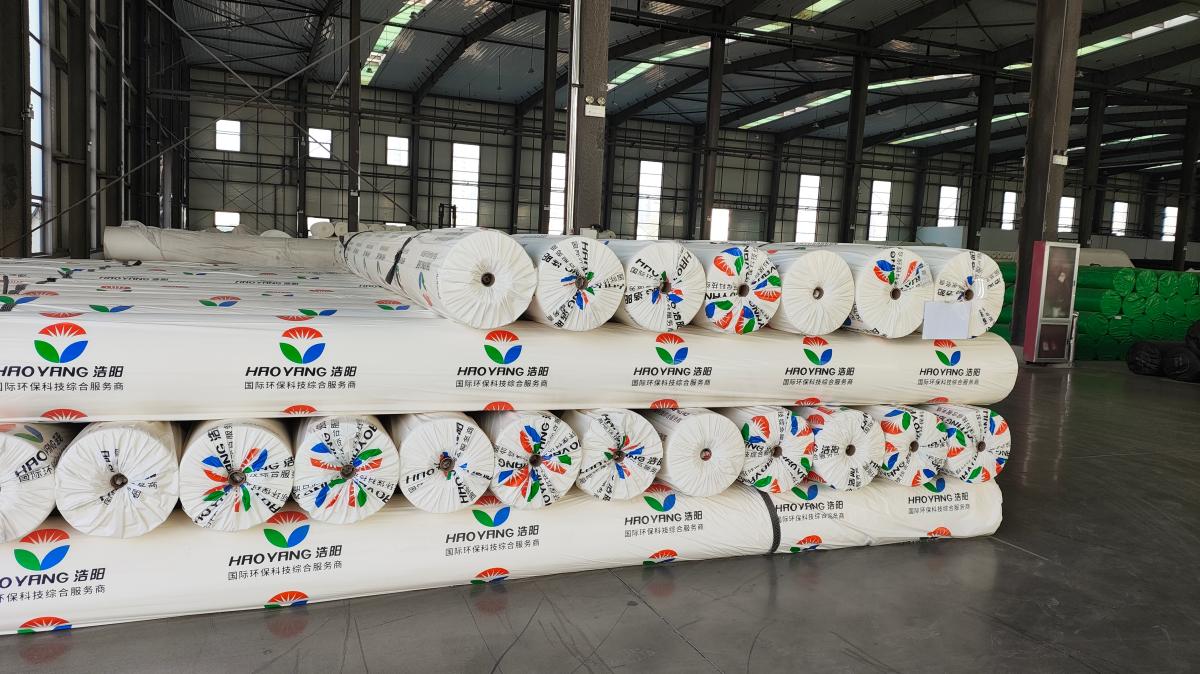
Standard rolls come in 12.5-foot and 15-foot widths . Wider rolls mean fewer field seams. For large projects, 15-foot rolls reduce installation time and labor costs.
Frequently Asked Questions
Q1: When should I choose Non Woven Geo Fabric over woven?
Choose Non Woven Geo Fabric when your primary needs are filtration and drainage. Applications include retaining wall drainage, French drains, erosion control, and road subgrade separation. Choose woven geotextile when you need high tensile strength for reinforcement under heavy loads or steep slopes. For most drainage and filtration jobs, nonwoven is the correct choice.
Q2: What is the advantage of Geotextil PP over polyester?
Geotextil PP (polypropylene) offers three advantages. First, polypropylene density of 0.91 g/cm³ means more coverage area per pound than polyester (1.38 g/cm³). Second, polypropylene provides excellent alkali and acid resistance across pH 2 to 13. Third, polypropylene is hydrophobic, which helps drainage performance by not absorbing water.
Q3: What are standard roll sizes for Non Woven Geo Fabric?
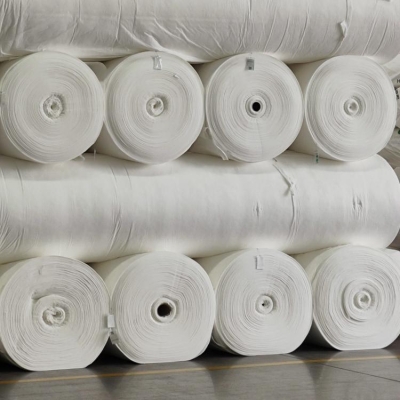
Standard Non Woven Geo Fabric rolls come in 12.5 feet by 360 feet (4,500 sq ft) or 15 feet by 300 feet (4,500 sq ft) configurations . Some suppliers offer 15 feet by 360 feet rolls covering 600 square yards. The 15-foot width is preferred for larger projects to reduce field seams.
Q4: How should I verify Nonwoven Geotextile Fabric quality?
Request Mill Test Reports for each production lot showing grab tensile strength, CBR puncture, UV resistance, permittivity, and opening size. Confirm weight meets specification. For critical projects, have an independent lab test samples from delivered rolls. Work with Non Woven Geo Fabric suppliers who provide documented quality data.
Q5: Can Non Woven Geo Fabric be used for mining applications?
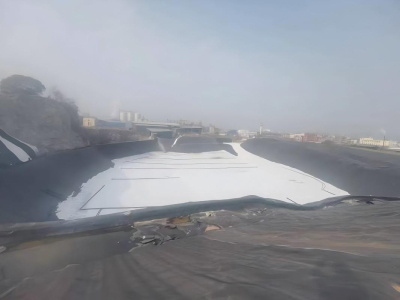
Yes. Non Woven Geo Fabric serves as filter cloth in heap leach pads and tailings facilities. The chemical resistance of polypropylene (pH 2 to 13) ensures performance in acidic mining environments. The fabric maintains flow rates under sustained exposure to process solutions.
Conclusion
Non Woven Geo Fabric provides reliable filtration, separation, and drainage for a wide range of infrastructure projects. From retaining walls in Adelaide to road construction worldwide, this Nonwoven Geotextile Fabric delivers the permittivity, puncture resistance, and chemical durability that engineers require.
When specifying Geotextil PP products, verify mechanical properties through Mill Test Reports, confirm UV stabilization for exposed periods, and select appropriate roll widths to minimize field seams.
Need help with Non Woven Geo Fabric for your next drainage or filtration project? Share your application requirements with our technical team. We will provide a no-obligation review of appropriate specifications with certified performance data.