Next-Generation Geosynthetics Transform Infrastructure Development Landscape
The geosynthetics sector is undergoing a quiet revolution as novel material technologies redefine construction standards across global infrastructure projects. Industry innovators are pushing boundaries with cutting-edge solutions that merge engineering performance with environmental stewardship, creating unprecedented value for modern development challenges.
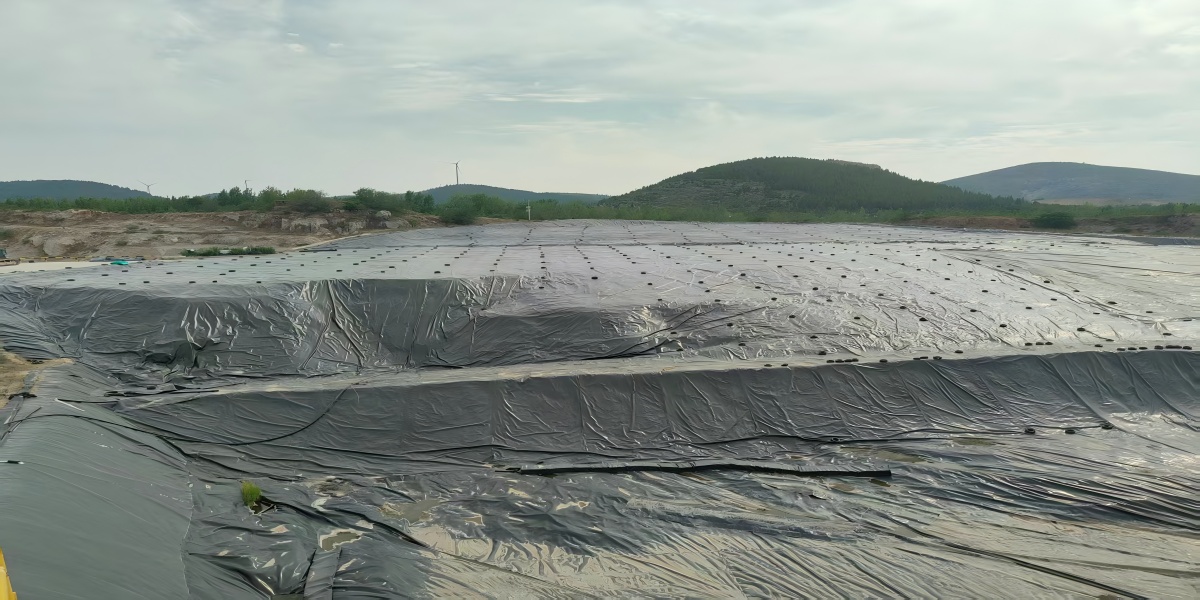
Material science breakthroughs are yielding remarkable products that address longstanding industry pain points. A new class of photocatalytic geocomposites developed in Japan actively breaks down pollutants when exposed to sunlight, demonstrating 60% reduction in VOC emissions at contaminated sites. European researchers have pioneered graphene-enhanced geotextiles that offer 70% greater puncture resistance while maintaining exceptional permeability. Perhaps most impressively, self-diagnosing geomembranes now entering the market can detect and localize damage through integrated conductive networks.
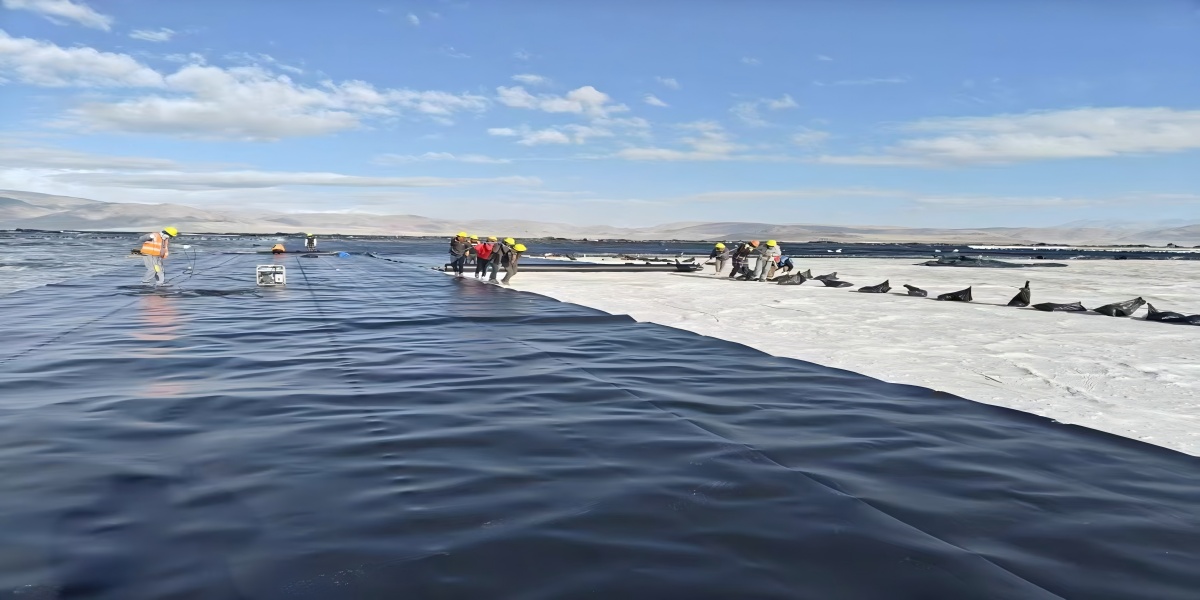
Emerging applications reveal the materials' expanding role in addressing 21st-century challenges. Offshore wind farm developers are adopting specialized scour protection systems that stabilize seafloor conditions while promoting marine habitat development. Desert solar installations utilize innovative sand-fixing geotextiles that prevent dust accumulation on panels. In urban environments, "living" geosynthetics embedded with growth mediums are transforming concrete jungles into vertical ecosystems.
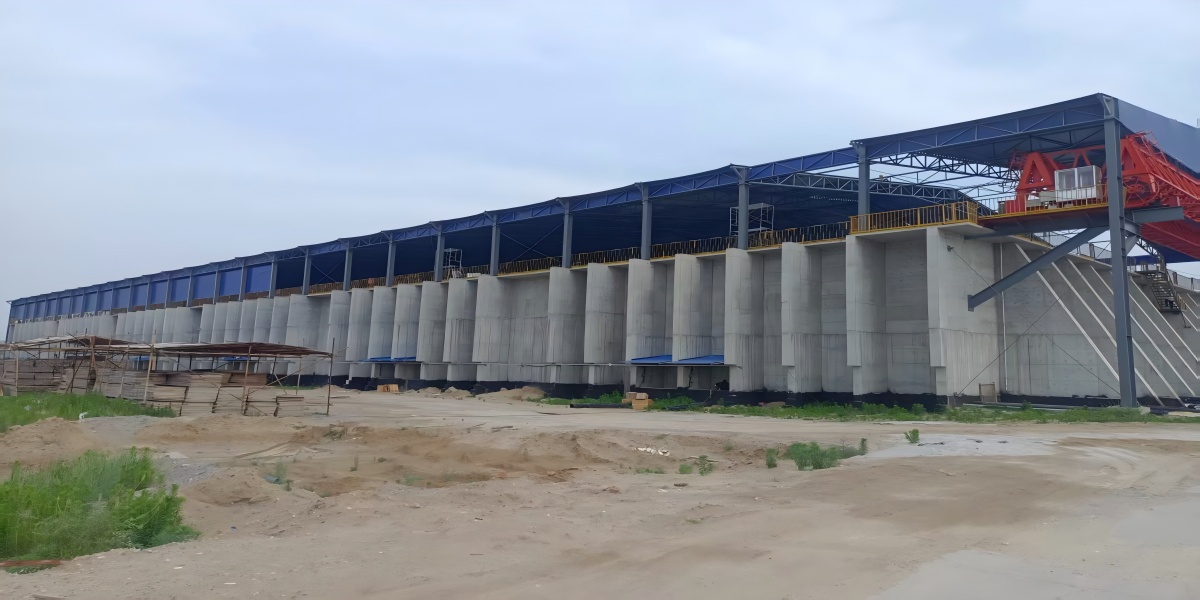
The sustainability transformation continues gaining momentum. Several manufacturers have achieved full circularity for certain product lines, with post-consumer recycling rates reaching 95%. Carbon-negative production methods are emerging, including one facility that sequesters more CO2 than it emits through algae-based polymer synthesis. Industry-wide, the average recycled content in geosynthetics has doubled since 2020.
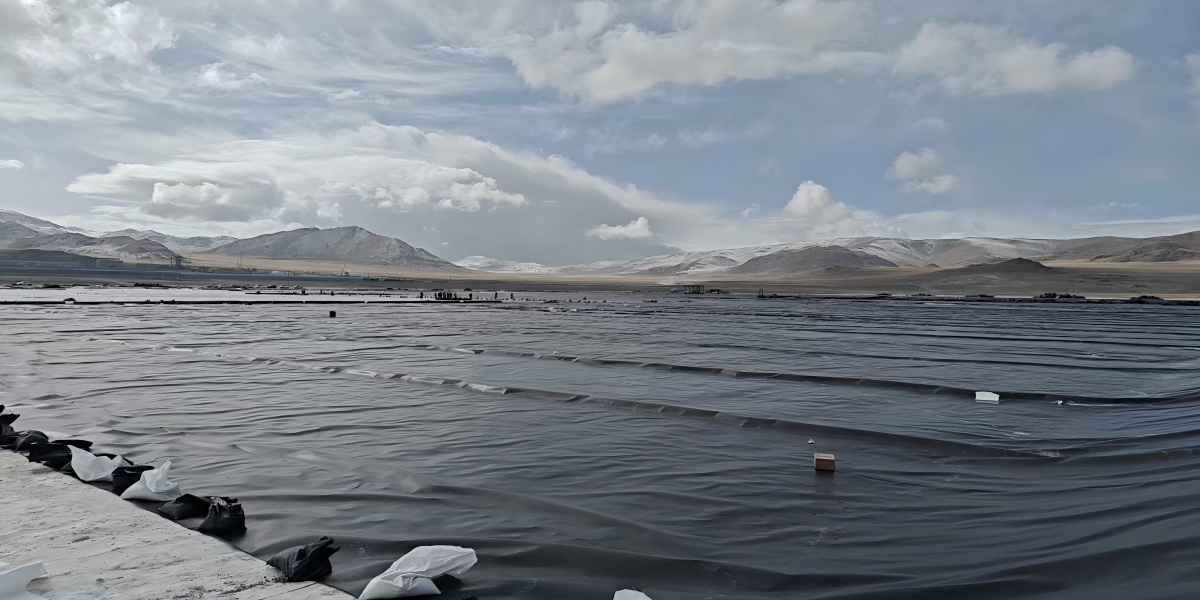
"These materials are no longer passive components but active systems that contribute to infrastructure resilience," observed Dr. Hiroshi Tanaka of the Global Infrastructure Innovation Forum. "The integration of responsive technologies and ecological functions represents a paradigm shift in how we approach civil engineering challenges."