Key Applications & Advantages of Geosynthetic Clay Liner (GCL) for Mining
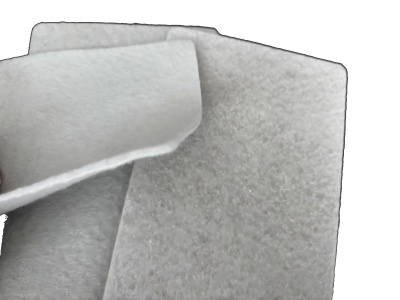
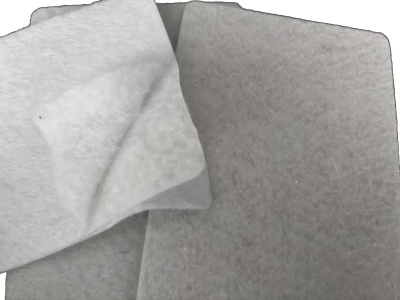
In mining environmental management, stopping poisonous and hazardous materials from contaminating groundwater and surrounding ecosystems is a core mission for tailings ponds and slag dumps. Bentonite geosynthetic clay liners (GCLs), mainly these primarily based on sodium bentonite, have turn out to be necessary barrier structures for these services due to their high-quality low permeability and self-healing properties.
 |  |  |
Core Applications
1. Foundation Barrier & Liner System
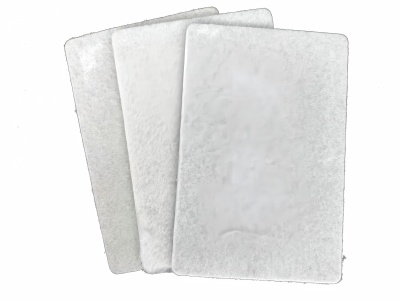
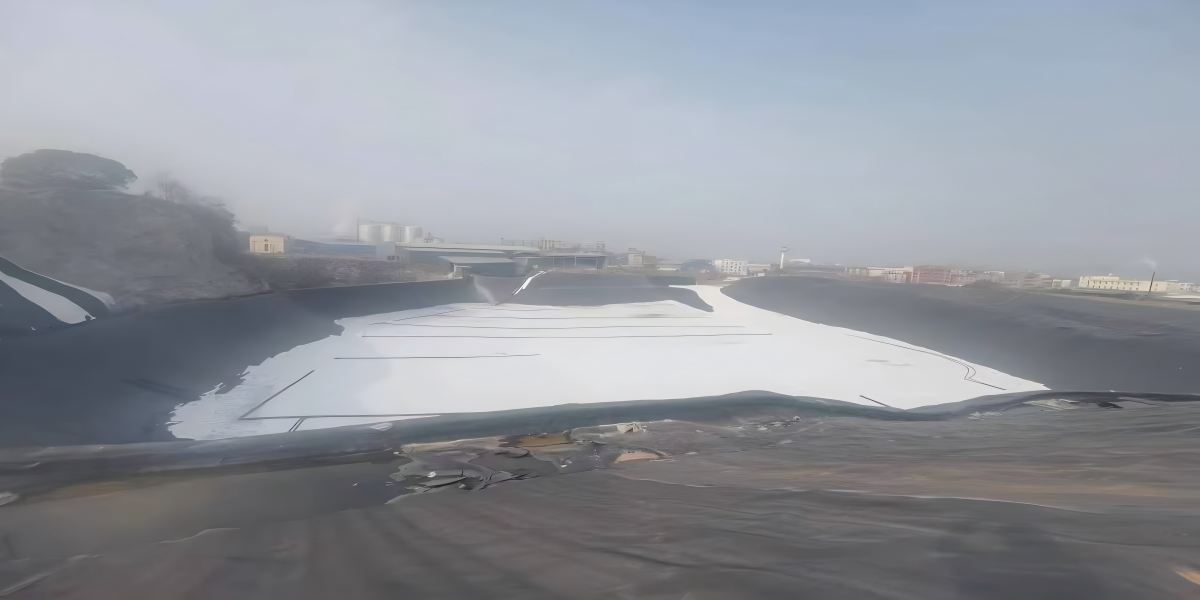
GCLs can be laid without delay as the foremost anti-seepage layer on the backside and slopes of the dam, or blended with HDPE geomembranes to shape composite liner systems. Its core, high-swelling sodium bentonite, hastily expands upon contact with water, forming a dense gel. This affords an extraordinarily low-permeability sealant, efficiently stopping leachate migration.
The self-healing Bentonite GCL (GCL) routinely seals small cracks prompted with the aid of basis contract or building damage. This function is mainly necessary in slag dumps inclined to uneven settlement.
2. Closure Cap System
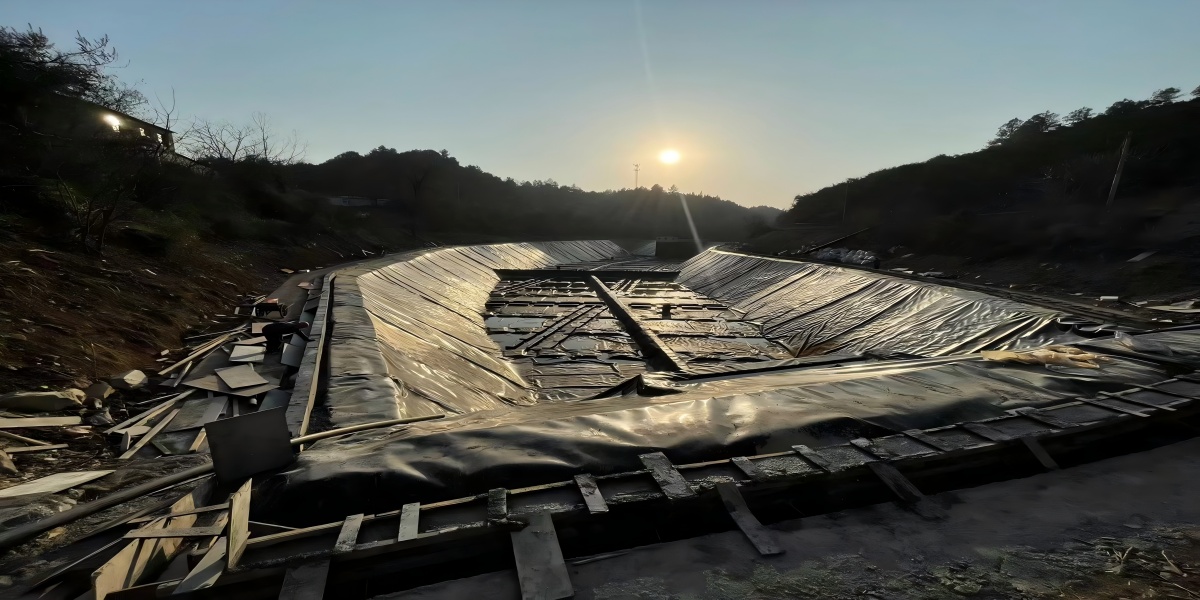
After its service life expires, the GCL, a key waterproofing blanket/mat (Bentonite Mat for Waterproofing) within the cover layer, is laid beneath the drainage layer or cover soil to prevent precipitation from infiltrating and generating new contaminated leachate, ensuring long-term site closure and safety. 3. Slope Liner:
GCL is highly flexible and can conform tightly to complex slope shapes, providing continuous protection with a low-permeability bentonite blanket.
GCL Liner installation method and process
I. Pre-Installation
1. Subgrade Acceptance
Flatness: The subgrade must be flat, solid, and free of sharp protrusions (rocks, tree roots, metal, etc.). The flatness requirement is typically: the height difference should not exceed ±25mm on a 3m ruler.
Compactness: The subgrade must meet the design compaction requirements (typically ≥90% of the Proctors' Compactness Index) to prevent uneven settlement.
Slope: The slope should meet graph requirements, with clean transitions and no steep dips or depressions.
Cleanliness: All particles (debris, garbage, stagnant water) that ought to puncture or injury the GCL have to be fully removed. Drainage: Ensure the basis has sufficient drainage to stop water accumulation from soaking uncovered GCL.
2. Material Handling & Storage
Product Inspection: Verify product specifications, certification documents, and manufacturing facility inspection reports. Inspect the rolls for seen integrity (no damage, no moisture buildup, and tight seals).
Storage: Critical!
Store in a dry, level area protected from sunlight and rain, away from sources of ignition.
Exposed storage is strictly prohibited to prevent premature hydration and ineffectiveness of the bentonite.
Stacking layers should not exceed the manufacturer's recommendations (usually ≤ 4 rolls) to prevent deformation of the base layer.
Keep factory packaging intact until use.
3. Equipment & Personnel
Equipment: Prepare laying machinery (e.g., sling-type forklift, roll-laying machine), welding/sewing equipment (if necessary), bentonite powder/sealing strips, ballast (sandbags, earthbags), cutting tools, etc.
Personnel: Construction personnel must undergo professional training and be familiar with the characteristics and installation process of GCL.
II. Installation Process
1. Direction & Sequence
Direction: Generally, rolls are laid from top to bottom along the slope (to reduce the risk of erosion at overlapping joints), with the long side parallel to the direction of maximum slope as much as possible.
Sequence: First lay the reservoir floor, then the side slopes. Adjacent rolls should be laid in the same direction. Avoid cutting and splicing small pieces in complex structural areas (such as corners and pipeline entry points).
2. Unrolling & Positioning
Use specialized tools (such as a spreader or sling) to carefully unroll the rolls. Do not drag them on the ground to avoid abrasion of the underlying geotextile.
Manually assist with positioning to ensure a smooth, wrinkle-free, and free-standing geotextile. Minor wrinkles can be flattened during subsequent covering; severe wrinkles require cutting and removal.
Allow sufficient anchoring length (usually within the anchor trench at the top of the slope).
3. Overlap: Key to preventing seepage!
Overlap Width: Must strictly adhere to format necessities (usually ≥150mm, even though wider widths may also be required in necessary areas or below one-of-a-kind conditions).
Overlap Area Cleanliness: Ensure the overlap place is easy and dry, free of dirt, debris, or gathered water.
Bentonite Addition:
Evenly spread a sufficient amount of specialized bentonite powder (provided by the GCL supplier, typically ≥0.4kg/m) over the overlap area. This is crucial for ensuring a tight seal!
Or, use a pre-bentonite-loaded sealing strip (Bentonite Strip) placed in the center of the overlap.
Overlap Method: Typically, a natural overlap is used (no stitching or welding of the geotextile). The upper layer naturally covers the lower layer, and the overlap direction should ensure water flows from the upper layer to the lower layer (i.e., "upstream pressure down"). Special Areas: Bentonite panels or bentonite sealant are required for enhanced sealing at pipeline entry points, corners, and steep slopes.
4. Anchoring
The GCL at the top of the slope must be securely anchored in a pre-dug anchor trench.
Backfill the anchor trench and compact it in layers to ensure the GCL does not slip during installation or operation.
5. Damage Repair
Any punctures, tears, or excessive wear found during installation must be repaired immediately.
Repair Method:
Clean the damaged area.
Cut a GCL patch of sufficient size (≥300mm beyond the damaged edge) of the same material and place it over the damaged area.
Sprinkle a generous amount of bentonite powder around the edge of the patch and the overlap area between the original GCL.
Secure the patch with temporary weights such as sandbags until it is covered.
III. Key Post-Installation Steps
1. Prompt Covering
GCL should not be exposed to the elements for extended periods! Completed GCL sections should be immediately (usually within the same day) covered with a protective layer and/or overburden materials (such as geotextiles, sand/soil protective layers, geomembranes, drainage layers, tailings/cover soil).
Purpose:
Prevents premature hydration of bentonite (e.g., from sudden rainfall).
Prevents degradation of geotextiles caused by UV exposure.
Prevents damage from human or mechanical damage.
Provides weight to help the GCL adhere closely to the foundation and facilitates hydration and expansion.
2. Protection Layer
A qualified non-woven geotextile protective layer (typically ≥ 300g/m²) must be laid between the GCL and overburden coarse-grained materials (e.g., crushed stone, tailings) or heavy loads.
The protective layer must be laid flat, with sufficient overlap (typically ≥ 300mm) to prevent puncture of the GCL.
3. Hydration Activation
Ideal hydration: Relying on moisture in the overlying material (or natural precipitation) to allow the bentonite to slowly and evenly hydrate and expand under pressure, forming a dense colloid.
Artificial prehydration (use with caution):
Only considered when the foundation is extremely dry, the overlying material lacks moisture, or the construction schedule is tight.
This method must be strictly implemented according to design requirements and manufacturer's instructions, typically using a mist spray.
Do not flush with large amounts of water! This can cause bentonite loss or water pockets.
After hydration, ensure sufficient weight is applied to the cover to prevent uneven expansion or shrinkage due to water loss.
4. Quality Control & Documentation
Full-process monitoring: Dedicated personnel will oversee the laying process, focusing on checking the base layer, overlaps, anchoring, repairs, and timely covering.
Records: Detailed records of laying date, weather, roll number, overlap location, repair location, covering time, and photos/videos will be kept to create a complete construction log. Acceptance: After paving is completed, a joint acceptance inspection will be conducted to confirm compliance with design and specification requirements.
Special Considerations for Tailings/Slag Dumps
1. Chemical Environment
It is important to reiterate the application of chemical compatibility test results before paving. If using polymer-modified GCL, ensure that it is suitable for the leachate at the site.
2. Slope Stability
When paving on slopes, operators must wear safety measures (safety belts and non-slip shoes).
Ensure that the paving is smooth and close to the slope surface, minimizing overhead loads.
When applying the protective layer and overburden, proceed from the bottom of the slope to the top to reduce downward force.
Apply weighting (e.g., sandbag chains) to the slope surface as needed.
3. Large Machinery
Heavy machinery is strictly prohibited from operating directly on exposed GCL before applying the protective layer. A sufficiently thick temporary protective layer (e.g., wood panels and thickened geotextile) should be laid at necessary access points.
4. Weather
Avoid paving on rainy, snowy, or windy days. In the event of sudden rainfall, immediately stop laying and completely cover any uncovered GCL with tarpaulin. Compact the edges to prevent rainwater intrusion. After the rain, inspect for moisture; severely dampened membranes may be scrapped.
5. Interface Treatment
Connections to structures such as diversion ditches, pipelines, and observation wells are vulnerable points and require engineer-approved, specialized details (such as boot seals and bentonite rubber waterstops) and rigorous construction.
Key Advantages for Meeting Mining Challenges
1. Excellent Chemical Resistance
To tackle the acidic or exceedingly saline leachate traditional of mining sites, specialized chemically resistant bentonite membranes or polymer-modified GCLs can be used. These merchandise appreciably decorate the long-term balance and impermeability of bentonite in harsh chemical environments through including polymers. (Rigorous chemical compatibility trying out is a prerequisite for application.)
2. Efficient Construction
GCL is provided in roll form, enabling quickly set up and appreciably shortening building time. It is specifically appropriate for large-scale tailings pond bottoms. Its thin-layer graph (Sodium Bentonite Liner) appreciably reduces reservoir extent and earthwork in contrast to regular clay liners.
3. Reliable Self-Healing Ability
Bentonite's water-swelling residences provide GCL special self-healing capabilities, correctly compensating for doable defects and enhancing ordinary machine reliability.
4. Eco-Friendly Component
Bentonite is a naturally taking place mineral, and GCL itself, as a key thing of the eco-friendly membrane barrier concept, aligns with the standards of sustainable mining development.
Supplier Selection
Choosing the right GCL supplier (GCL Bentonite / Geotextile Clay Liner (GCL) Suppliers) is crucial. Suppliers should be able to provide:
1. Products that have undergone rigorous testing (including chemical compatibility testing).
2. Geosynthetic bentonite liners (GCLs) optimized for the specific leachate composition of tailings/slag, such as polymer-modified types.
3. Comprehensive technical support and construction guidance.
About Haoyang Environmental Technology
In tailings ponds and slag dumps, bentonite GCLs (GCLs) or geosynthetic clay liners (Geosynthetic Clay Liners) are core substances for developing environment friendly and dependable environmental boundaries due to their low permeability, self-healing properties, chemical resistance, and ease of installation. The ideal decision and software of sodium bentonite liners or their modified products, alongside with making sure amazing installation, play an irreplaceable function in defending the security of mining areas and the surrounding environment.
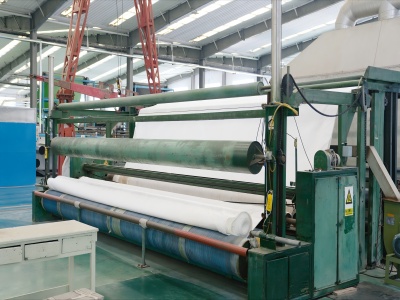
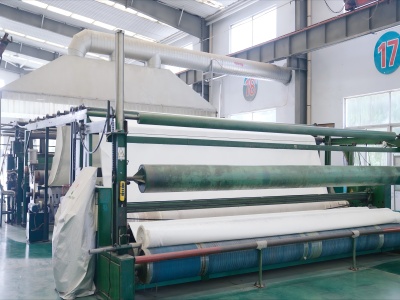
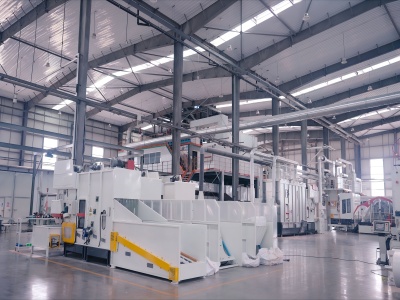
Haoyang Environmental Technology (Shandong) Co., Ltd., founded in 2008 and headquartered in Shandong Province, China, is an international integrated environmental technology service provider integrating R&D and manufacturing of environmental engineering materials, engineering consulting and design, construction, ecological remediation, and hazardous waste disposal. The company boasts over 20 modern production lines, and its core products include:
Polyethylene geomembrane (including 10-meter rough geomembrane);
Nonwoven/woven composite geomembrane;
Filament spunbond needle-punched nonwoven geotextiles;
Staple fiber needle-punched nonwoven geotextiles;
Three-dimensional composite drainage mesh;
Sodium bentonite waterproofing blanket (GCL);
Our products are widely used in environmental protection projects such as water conservancy, transportation, municipal landfills, industrial tailings ponds, and hazardous waste treatment, and are exported to global markets including Southeast Asia, South America, and Africa. We sincerely invite international partners to collaborate and jointly verify the superior performance of Haoyang GCL in anti-seepage projects for tailings ponds and slag dumps, and jointly explore a broader market for environmental protection technology applications.
 |  |  |