Geotextile 200gr: The Balanced Specification for Separation, Filtration, and Drainage
A road construction project in Southeast Asia recently demonstrated the value of proper geotextile specification. Engineers used a Geotextile 200gr grade—200 grams per square meter—as a separation layer between soft subgrade and aggregate base. The fabric prevented intermixing, maintained base thickness, and allowed water to drain freely. The road has performed without distress for years, while adjacent sections without geotextile have required multiple repairs.
This outcome reflects what field experience and research have consistently shown. The Geotextile 200gr weight class offers an optimal balance of strength, permeability, and cost for a wide range of infrastructure applications, from road construction to drainage systems.
 |  |  |
What Geotextile 200gr Delivers in Practice
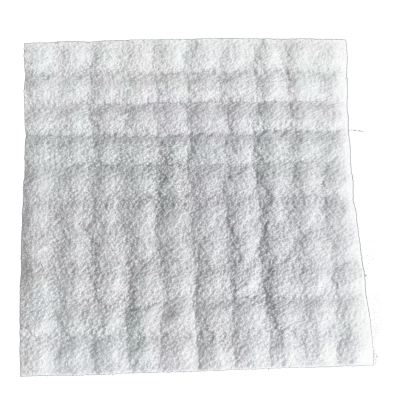
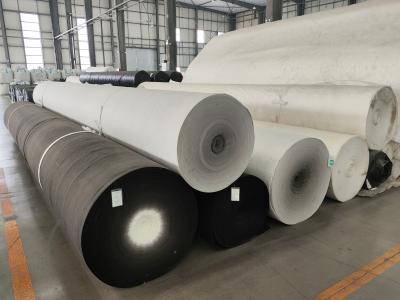
The Geotextile 200gr specification refers to fabric weight—200 grams per square meter. A quality PP Geotextile Non Woven at this weight typically offers grab tensile strength of approximately 0.7–1.1 kN in both directions, CBR puncture resistance around 2.8–3.8 kN, and thickness of roughly 1.7 mm . The apparent opening size falls between 0.07 and 0.21 mm, providing effective filtration while maintaining permeability .
These properties translate directly to field performance. The tensile strength determines whether the fabric stays intact under construction traffic. The puncture resistance determines whether the fabric survives when sharp aggregate gets dumped onto it. The opening size determines whether fine soil washes through or gets trapped.
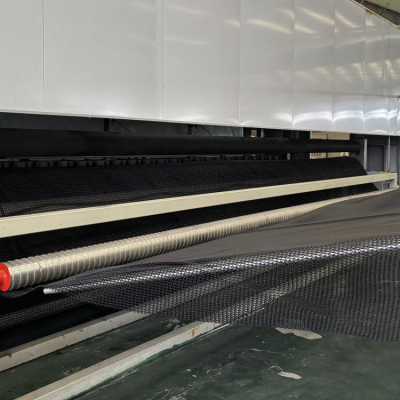
PP nonwoven geotextiles are manufactured through the spunbonded needle-punching process, which transforms polymer pellets directly into finished fabric in a single continuous operation . This one-step method eliminates intermediate steps required for staple fiber production—bundling, stretching, cutting, packing, carding—resulting in lower production cost and more consistent quality . The mechanical entanglement creates isotropic properties—similar strength, permeability, and filtration in all directions.
Why 200gr is the Most Popular Weight Class
According to multiple industry reports, the Geotextile 200gr weight class represents approximately 28–34% of global nonwoven geotextile consumption volume—the single most popular weight range in both developed and emerging markets . The PP Geotextile Non Woven segment is valued at approximately USD 4.8–5.6 billion in 2025–2026 and grows at 6.4–7.2% CAGR through 2032 .
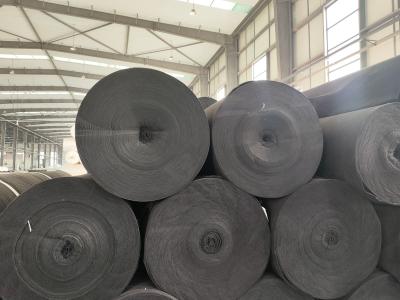
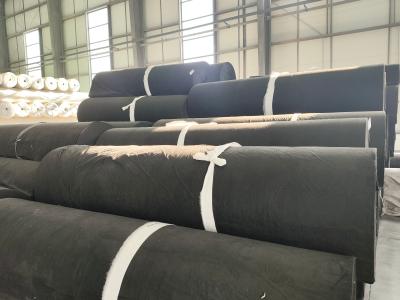
Several factors explain why Geotextile 200gr dominates the market. The weight provides sufficient mechanical protection and separation strength while maintaining excellent permeability for drainage. The Black Geotextile Fabric variant, which includes carbon black for UV stabilization, is particularly popular for exposed applications where the fabric may sit uncovered before burial . Black PP geotextiles retain at least 70% of tensile strength after 500 hours of UV exposure.
The material is manufactured from 100% virgin polypropylene or polyester fibers through needle-punching, which creates a complex three-dimensional structure with tailored pore size distribution . This structure allows water to drain vertically and horizontally while retaining soil particles—a critical requirement for both filtration and drainage applications.
Applications for Geotextile 200gr
Road Subgrade Separation
In road construction, Geotextile 200gr placed between subgrade and aggregate base prevents intermixing, maintains structural integrity, and extends pavement life . The fabric separates layers while allowing water to drain, preventing pore pressure buildup that would weaken the road.
Drainage and Filtration
For drainage applications, PP Geotextile Non Woven at 200gr provides effective filtration by retaining soil particles while allowing free water flow . The 0.07–0.21 mm opening size prevents soil piping while maintaining permeability. Applications include French drains, retaining wall drainage layers, and trench drains .
MSE Retaining Walls
Mechanically stabilized earth walls require drainage and filtration layers behind segmental blocks. Geotextile 200gr reduces hydrostatic pressure by 35–55% through high permittivity (0.8–1.8 s⁻¹) while retaining >90% of soil particles .
Geomembrane Protection
In landfill and pond liner systems, Black Geotextile Fabric at 200gr cushions geomembranes from puncture by overlying drainage stone. The fabric's puncture resistance (CBR 2.8–3.8 kN) provides adequate protection for standard aggregate conditions .
Erosion Control
Under rip-rap and rock armour on slopes, Geotextile 200gr prevents soil erosion while allowing water to pass through. The fabric's durability and filtration properties make it suitable for both temporary and permanent erosion control installations.
What Buyers Should Check Before Ordering
Test Reports
Request Mill Test Reports for each production lot. Key tests include grab tensile strength (ASTM D4632), CBR puncture (ASTM D6241), UV resistance (ASTM D4355), permittivity (ASTM D4491), and apparent opening size (ASTM D4751). Quality Geotextile 200gr should show consistent values across these tests .
Weight Verification
Confirm that delivered fabric meets the specified 200gr weight within tolerance of -5% per industry standards. A fabric claiming 200gr but weighing less will not provide the expected puncture resistance or tensile strength .
UV Stabilization
If the fabric will sit exposed before burial, verify UV inhibitor content. Quality PP Geotextile Non Woven includes carbon black or other stabilizers. Test results should show at least 70% strength retention after 500 hours .
Roll Width
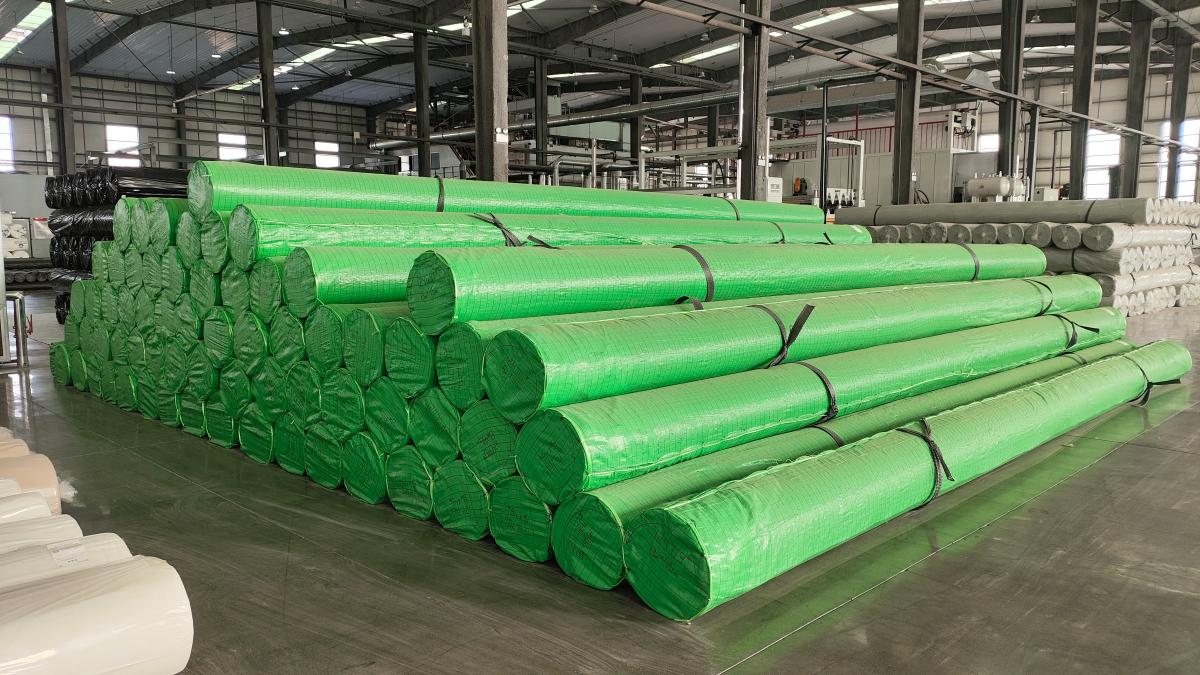
Standard roll widths range from 2 m to 8 m, with typical lengths of 50–100 m . Wider rolls reduce field seams. For large projects, specify widths that match your planned coverage to minimize cutting and waste.
Frequently Asked Questions
Q1: What is the difference between Geotextile 200gr and lighter or heavier grades?
The Geotextile 200gr weight class offers higher puncture resistance and tensile strength than lighter grades (100–150gr), making it suitable for road construction and drainage applications. Heavier grades (300–400gr) provide additional puncture resistance for demanding applications like landfill liner protection but cost more. For most road and drainage projects, 200gr provides the optimal balance of performance and cost.
Q2: What are the advantages of PP Geotextile Non Woven at 200gr?
PP Geotextile Non Woven offers lower density (0.91 g/cm³) compared to polyester alternatives (1.38 g/cm³), giving more coverage area per roll. PP provides excellent alkali and acid resistance across pH 2–13 and is hydrophobic, which helps drainage performance. It also maintains strength through typical construction exposure.
Q3: Why is Black Geotextile Fabric more common than other colors?
Black Geotextile Fabric includes carbon black as a UV stabilizer. This provides protection against ultraviolet degradation during exposed installation periods. The black color is the industry standard for civil engineering applications because it indicates the presence of UV inhibitors.
Q4: How should buyers specify Geotextile 200gr for quality assurance?
Specify: needle-punched nonwoven construction from 100% virgin PP or PET fibers with UV stabilizers; minimum weight of 200gr; minimum grab tensile strength; minimum CBR puncture resistance; permittivity meeting drainage requirements; and UV resistance of at least 70% strength retention after 500 hours. Request Mill Test Reports for each production lot confirming these values .
Q5: Can Geotextile 200gr be used for geomembrane protection?
Yes. The 200gr weight class provides adequate puncture resistance (CBR 2.8–3.8 kN) for protecting geomembranes in landfills, ponds, and secondary containment applications . For extremely sharp aggregate or heavy overburden, heavier grades (300–400gr) may be required.
Conclusion
The Geotextile 200gr weight class serves infrastructure projects where reliable separation, filtration, and drainage are required without the added cost of heavier grades. From road construction to drainage systems, this PP Geotextile Non Woven provides the tensile strength, puncture resistance, and permeability that engineers require.
Black Geotextile Fabric variants offer enhanced UV stabilization for exposed installation periods. When specifying Geotextile 200gr, verify mechanical properties through Mill Test Reports, confirm UV stabilization for exposed periods, and select appropriate roll widths to minimize field seams.
Need help specifying Geotextile 200gr for your next project? Share your application details with our technical team. We will provide a no-obligation review of appropriate specifications with certified performance data.