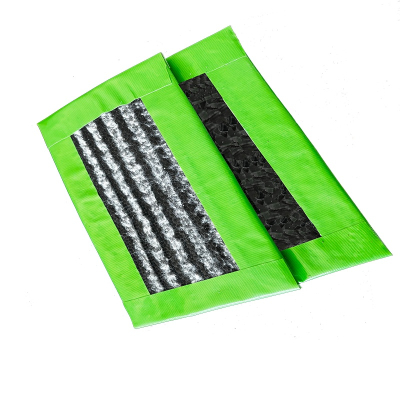
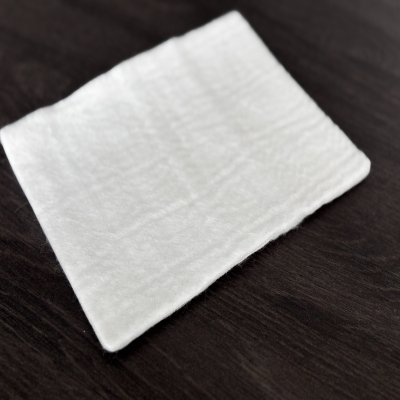
Geotextile 1000g m²: The Heavyweight Specification for Mining and High-Load Infrastructure
A copper mining operation in South America recently faced a familiar challenge. The heap leach pad needed a geotextile that could withstand sharp ore placement, heavy equipment traffic, and sustained exposure to acidic process solutions. Standard weight fabrics had punctured during installation. The solution: a Geotextile 1000g m² needle-punched nonwoven fabric that provided the puncture resistance and durability the application demanded.
This case illustrates why the Geotextile 1000g m² weight class exists. When ground conditions turn extreme or loads get heavy, standard geotextiles fail. The 1000g/m² specification—approximately 29.5 oz/yd²—handles conditions that lighter materials cannot.
 |  |  |
What 1000g m² Delivers in the Field
The Geotextile 1000g m² weight class represents the upper end of nonwoven geotextile specifications. A quality PP Geotextile Non Woven at this weight typically offers thickness of approximately 5.0-6.0mm, grab tensile strength exceeding 25 kN/m, and CBR puncture resistance above 4.0 kN . These numbers translate directly to field performance.
The puncture resistance determines whether the fabric survives when sharp ore gets dumped from height. The tensile strength determines whether the fabric holds together when heavy equipment turns on the layer above it. For demanding applications like Mine PP Geotextile systems in heap leach pads, tailings facilities, and heavy haul roads, these properties are non-negotiable.
PP Geotextile Non Woven at 1000g/m² is manufactured from either polypropylene (PP) or polyester (PET) fibers through the needle-punching process . The needle-punching creates a three-dimensional fiber structure with distinctive pores that provide excellent filtration and drainage capabilities while maintaining high mechanical strength .
Manufacturing: How 1000g m² is Produced
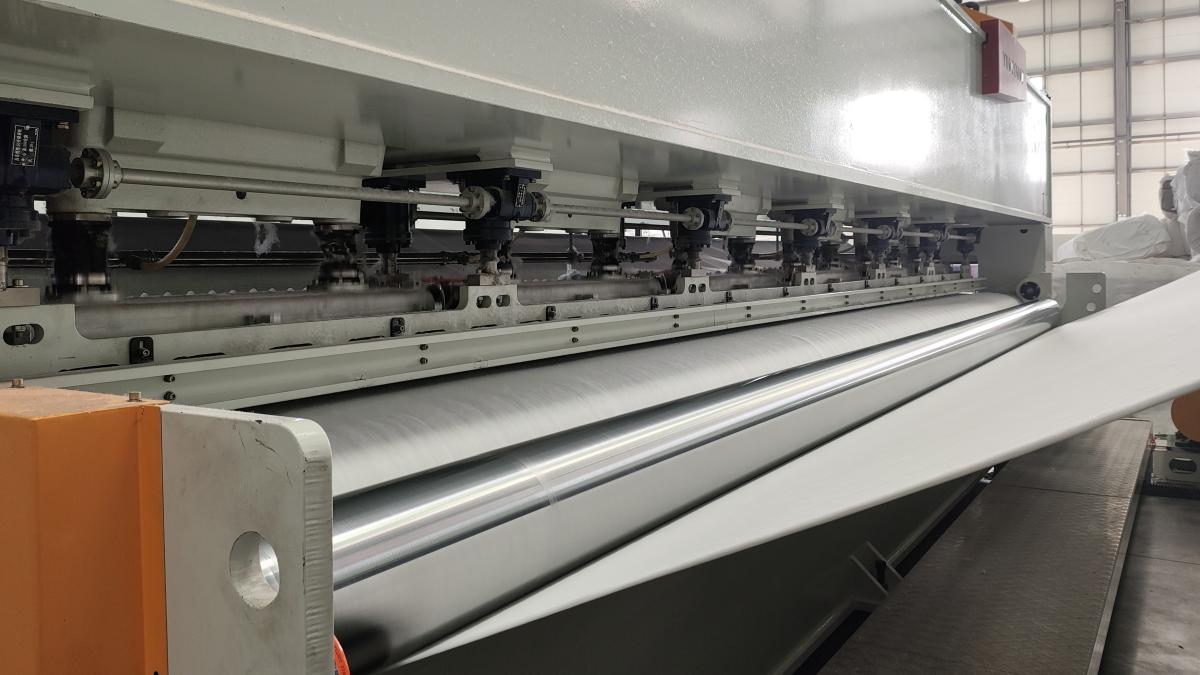
The production of Geotextile 1000g m² follows the same needle-punching process used for lighter grades, but with significantly more material. Polypropylene or polyester staple fibers are opened, blended, carded into a uniform web, and cross-lapped multiple times to achieve the target weight . The layered web then passes through a needle loom where thousands of barbed needles punch through at high frequency. The barbs carry fibers through the web, mechanically entangling them into a stable three-dimensional structure.
This mechanical bonding creates the bulky, felt-like character of heavyweight nonwoven geotextiles. No weaving, no knitting, no chemical binders—just fiber entanglement that provides both strength and permeability .
Key process parameters for 1000g/m² production include higher needle density for greater fiber entanglement, deeper penetration to ensure through-thickness bonding, and precise control of web area density to achieve the target weight .
Applications for Geotextile 1000g m²
Mining Heap Leach Pads
In mining operations, Mine PP Geotextile at 1000g/m² serves as protection layers for geomembranes in heap leach pads and tailings facilities . The heavyweight fabric cushions the geomembrane from puncture by sharp ore while providing filtration for leachate collection. The chemical resistance of polypropylene (pH 2-13) ensures performance in acidic mining environments .
Heavy-Traffic Haul Roads
When construction access roads must cross soft subgrade under heavy loads, PP Geotextile Non Woven at 1000g/m² separates layers while distributing loads. The fabric's tensile strength holds aggregate in place even under repeated heavy passes .
Landfill Liner Protection
Landfill liner systems require protection layers between geomembranes and drainage stone. The Geotextile 1000g m² weight class provides the puncture resistance needed for this critical application.
Railway Ballast Stabilization
Railway tracks need separation between sharp ballast and soft subgrade. The dynamic loading from trains stresses geotextiles repeatedly. Heavier weights like 1000g/m² provide the long-term durability this application demands .
Coastal Protection
Rock armour placed on slopes requires a filter layer beneath it. PP Geotextile Non Woven at 1000g/m² survives the impact of stone placement while allowing water to drain and preventing soil loss.
Technical Specifications
A quality Geotextile 1000g m² needle-punched nonwoven fabric typically meets these specifications:
| Property | Typical Value |
| Weight | 1000 g/m² |
| Thickness | 5.0-6.0 mm |
| Grab Tensile Strength | 25-30 kN/m |
| CBR Puncture Resistance | 4.0-5.0 kN |
| UV Resistance (500 hrs) | ≥70% strength retention |
| Permittivity | 1.0-1.5 sec⁻¹ |
For high-strength woven PP Geotextile alternatives at comparable weight, tensile strength can reach 120 kN/m or higher .
What Buyers Should Check Before Ordering
Test Reports
Request Mill Test Reports for each production lot. Key tests include grab tensile strength (ASTM D4632), CBR puncture (ASTM D6241), UV resistance (ASTM D4355), permittivity (ASTM D4491), and apparent opening size (ASTM D4751) .
Weight Verification
Confirm that delivered fabric meets the specified 1000g/m² weight within tolerance. A fabric claiming 1000g/m² but weighing less will not provide the expected mechanical properties.
UV Stabilization
If the fabric will sit exposed before burial, verify UV inhibitor content. Quality PP Geotextile Non Woven includes carbon black or other stabilizers. Test results should show at least 70% strength retention after 500 hours .
Roll Configuration
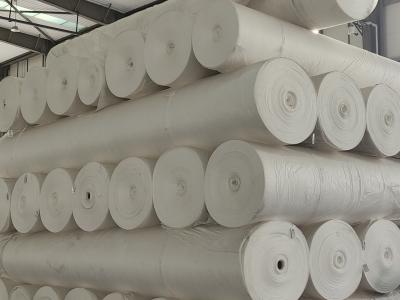
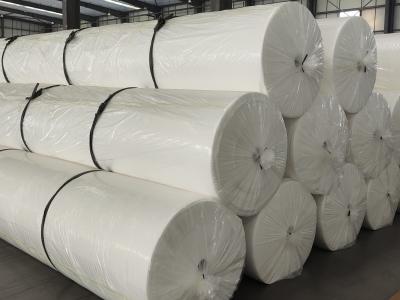
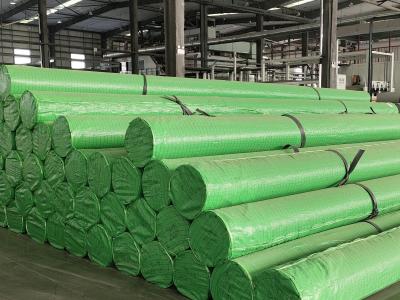
Standard roll widths range from 1m to 8m, with roll lengths typically 50-200m . A Geotextile 1000g m² roll in 4m width at 50m length weighs approximately 200 kg, requiring mechanical handling.
Frequently Asked Questions
Q1: What projects need Geotextile 1000g m² instead of lighter fabric?
Choose Geotextile 1000g m² when the job involves sharp ore, heavy equipment traffic, or soft subgrade that allows stone punch-through. Specific applications include mining heap leach pads, heavy-traffic haul roads, landfill liner protection, and railway ballast stabilization. For basic separation under light traffic, lighter grades like 200-400g/m² usually suffice.
Q2: What is the advantage of PP Geotextile Non Woven over polyester at 1000g/m²?
PP Geotextile Non Woven offers several advantages. Polypropylene density of 0.91 g/cm³ means more coverage area per roll compared to polyester (1.38 g/cm³). Polypropylene provides better alkali and acid resistance across pH 2-13, which is critical in mining applications . Polypropylene is also hydrophobic, which helps drainage performance.
Q3: Can Geotextile 1000g m² handle exposure to acidic mining solutions?
Yes. PP Geotextile Non Woven is chemically stable within a pH range of 2 to 13, making it resistant to most mining process solutions, including acidic leachates . This chemical resistance, combined with the high puncture resistance of the 1000g weight class, makes it suitable for Mine PP Geotextile applications in heap leach pads and tailings facilities .
Q4: How should buyers specify Geotextile 1000g m² for quality assurance?
Specify: needle-punched nonwoven construction from 100% virgin polypropylene fibers with UV stabilizers; minimum weight of 1000g/m²; minimum grab tensile strength appropriate to grade; minimum CBR puncture resistance; permittivity meeting drainage requirements; and UV resistance of at least 70% strength retention after 500 hours. Request Mill Test Reports for each production lot .
Q5: What are standard roll sizes for Geotextile 1000g m²?
Standard widths range from 1m to 8m, with typical roll lengths of 50-200m . The 1000g/m² weight gives a roll weight of approximately 200 kg per 100m² at 4m width, requiring mechanical handling on large projects. Some manufacturers offer customized roll dimensions upon request .
Conclusion
The Geotextile 1000g m² weight class serves the most demanding infrastructure and mining applications where lighter materials would fail. From heap leach pad protection in South America to heavy haul roads worldwide, this PP Geotextile Non Woven provides the puncture resistance, tensile strength, and chemical durability that critical applications require .
When specifying Mine PP Geotextile products at 1000g/m², verify mechanical properties through Mill Test Reports . Confirm UV stabilization for exposed periods. Select appropriate roll widths to minimize field seams.
Need help specifying Geotextile 1000g m² for your next mining or infrastructure project? Share your application details with our technical team. We will provide a no-obligation review of appropriate specifications with certified performance data tailored to your specific conditions.