Geosynthetic Textile: What a Supplier Audit Reveals That a Certificate Cannot
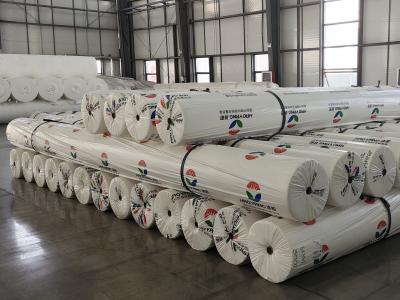
A procurement team I worked with once rejected a container of Geosynthetic Textile before it left the port. The paperwork was complete. The samples had passed. But someone on the team had visited the factory three months earlier and noticed something odd about the fibre feed system. When the shipment arrived, they weighed three rolls. All three came in under the specified mass per unit area.
 |  |  |
The supplier was surprised. The buyer was not.
That story is not unusual in this industry. What separates reliable Non Woven Geotextile Fabric Suppliers from the rest is rarely visible in a certificate. It shows up in how they run their production line, how they handle a rejected batch, and whether they can answer a specific technical question without forwarding it to someone else.
The Detail That Separates a Controlled Process from a Guessed One
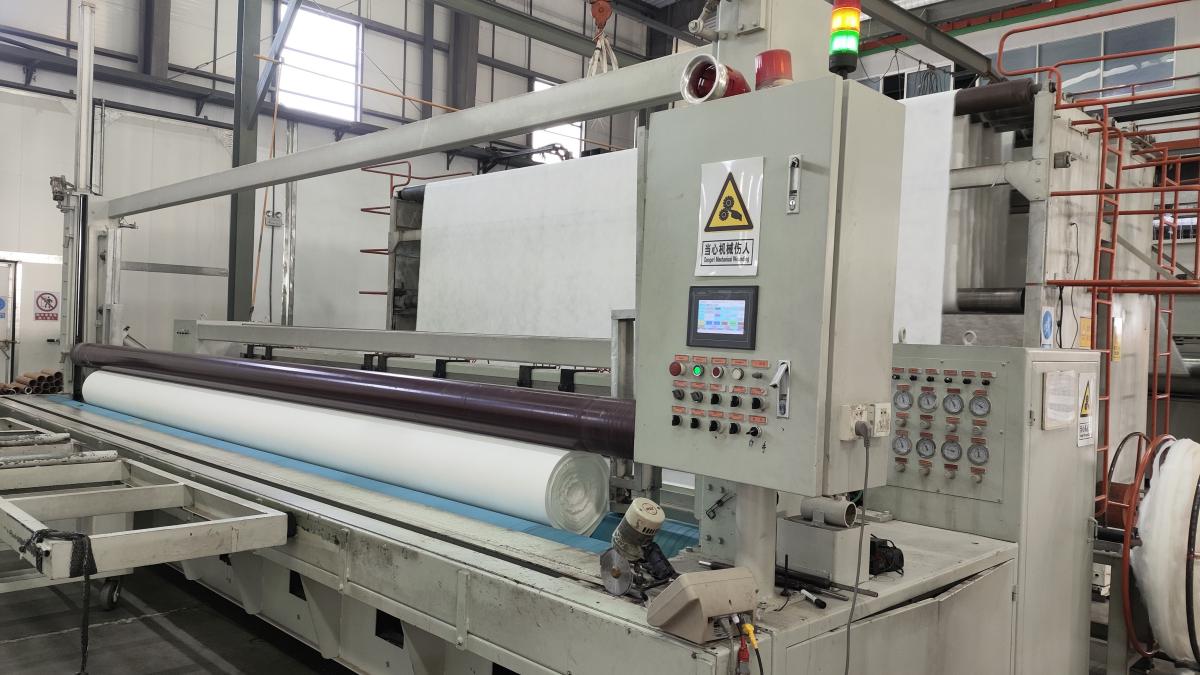
Most nonwoven geotextiles for civil engineering are produced through needle punching. Polymer filaments form a web. Barbed needles punch through and entangle the fibres. One pass creates a workable fabric. A second pass changes the fibre architecture.
Research published in Fibres & Textiles in Eastern Europe compared needling methods and found that two-sided needling produced different tensile and hydraulic behaviour than two-layered construction. The fibres interlock more tightly. Puncture resistance rises.
A PP Geotextile Non Woven roll that has been double punched behaves differently from a single-pass fabric at the same weight. It spreads point loads better. It resists installation damage. On road separation with angular aggregate, that difference decides whether the job survives.
Very few procurement documents ask about needle-pass density. They should. The answer tells you whether the supplier knows their own production line or is simply reselling fabric from another producer.
Where the Material Earns Its Keep
Filtration and drainage are the natural home for nonwoven geotextiles. The three-dimensional pore structure lets water pass while trapping soil particles. Over time, a filter cake forms on the surface and becomes the main retention mechanism.
Research on pressure filtration of high-clay sludges found calendered geotextiles retain particles better than needle-punched ones, while needle-punched fabrics keep higher flow rates. The right pick depends on whether retention or permeability limits your design.
Landfill closure uses these fabrics alongside drainage geocomposites and geogrids. A Portuguese cap used 20,000 square meters without a single repair. Geotextile for separation and filtration. Geocomposite for water and gas. Geogrid for slope reinforcement. All CE-marked with Environmental Product Declarations.
For Non Woven Geotextile Fabric Suppliers chasing landfill work, EPDs are becoming entry-level, not optional.
Road and railway separation is the most common use. PP Geotextile Non Woven sits between subgrade and aggregate base. It stops intermixing. It keeps base thickness. It lets water drain. Without it, aggregate punches into soft subgrade under traffic, base thickness drops, pavement fails.
What Haoyang Environmental Brings to This Conversation
Haoyang Environmental Co., Ltd., based in Shandong Province, has been producing geosynthetics since 2008 . The company operates 26 production lines with an annual capacity of 73,500 tons, covering geomembranes, geotextiles, drainage nets, and bentonite waterproofing blankets . Its geotextile range includes polyester spunbond filament geotextiles and PP/PET short fibre geotextiles .
What matters for buyers evaluating Geosynthetic Textile is not the scale alone. It is the quality infrastructure behind it. Haoyang’s laboratory received CNAS accreditation in 2018, making it one of the few geosynthetics manufacturers in China with an internationally recognised testing facility . The company also completed a high-strength polypropylene geotextile production line developed with Tianjin Polytechnic University as a Shandong provincial major science and technology project .
For international procurement, Haoyang exports to more than 70 countries and reported a 60 percent year-on-year increase in export revenue in the first half of 2025 . That volume of cross-border activity means the company has experience with the documentation, logistics, and compliance requirements that trip up less established suppliers.
A Verification Process That Works
Test reports. Mill Test Reports for every lot. Lot-specific data, not a generic datasheet.
Weight check. Weigh a sample from each lot. Spec says 300gsm? The roll should deliver 300gsm within tolerance. Ten percent short means less puncture resistance and lower tensile strength.
UV check. If fabric sits exposed before burial, verify carbon black or another inhibitor. Quality PP Geotextile Non Woven keeps at least 70 percent tensile strength after 500 hours of accelerated exposure.
Supplier check. For international buying, look at documentation habits, response time to technical questions, and references from similar jobs.
Factory visit. If the order justifies the trip, go. Look at polymer storage, fibre feed, needle looms, metal detection. Ask questions that demand specific answers.
Frequently Asked Questions
Q1: What is the difference between a geosynthetic textile and a geomembrane?
A Geosynthetic Textile is permeable. It filters, drains, separates, reinforces. A geomembrane is impermeable. It blocks fluid. Landfill liner systems need both. The geomembrane is the barrier. The geotextile protects it from puncture and provides drainage. Different functions. Not interchangeable.
Q2: Why choose PP Geotextile Non Woven over polyester?
PP Geotextile Non Woven has lower density, so more coverage per roll. It resists pH 2 to 13 and is hydrophobic, which helps drainage. Polyester gives higher tensile strength and better creep resistance for reinforcement. For most filtration and separation jobs, polypropylene is the cost-effective choice.
Q3: How do I select the right weight grade?
Light grades (100-150gsm) for landscaping and light filtration. Medium grades (200-400gsm) for road separation, drainage, pond liner protection. Heavy grades (500-1000gsm) for landfill liner protection and heavy haul roads with sharp aggregate. Match grade to mechanical demand and installation conditions.
Q4: What should I check when evaluating Non Woven Geotextile Fabric Suppliers?
Ask for Mill Test Reports from multiple lots. Request references from similar projects. Verify certification to regional standards. Check for metal detection procedures. A supplier with consistent documentation and direct technical answers beats one competing only on price.
Q5: Can geosynthetic textiles be used in exposed applications?
Yes, with proper UV stabilization. Quality PP Geotextile Non Woven with carbon black or other UV inhibitors keeps at least 70 percent tensile strength after 500 hours of accelerated exposure. For longer exposure, specify enhanced UV resistance and verify data. Black fabric means carbon black is present.
The Bottom Line
Geosynthetic Textile is performance-critical in modern infrastructure. From landfill closures to road separation, these fabrics deliver filtration, separation, reinforcement, and protection that granular materials cannot match.
But quality varies. Non Woven Geotextile Fabric Suppliers who document processes, provide certified data, and maintain metal detection and quality control are worth the premium. Haoyang Environmental’s CNAS-accredited laboratory and vertically integrated production give it a verifiable position in that category . Those competing only on price introduce risks that surface years later as punctured liners, clogged drains, failed roads.
When specifying PP Geotextile Non Woven, verify mechanical properties, confirm UV stabilization, match weight grade to application. Request Mill Test Reports. Check them on delivery.
Need help specifying a Geosynthetic Textile for your next project? Send your application details—soil conditions, load requirements, exposure environment—to our technical team. We will provide a no-obligation review with certified performance data.