500 Micron HDPE Sheet: Technical Specifications and Market Applications
The selection of geomembrane thickness remains one of the most critical decisions in environmental containment projects. Among the various options available, the HDPE Sheet 500 Micron has established itself as a versatile solution across multiple industries. This thickness represents 0.5 millimeters of high-density polyethylene engineered to provide an impermeable barrier against liquids, gases, and contaminants.
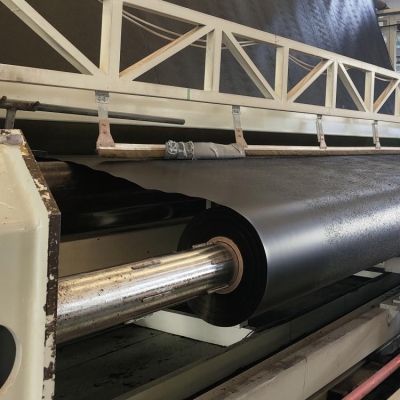
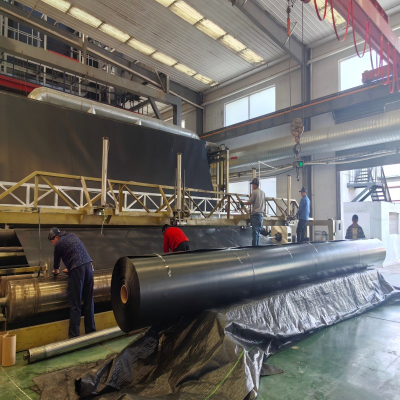
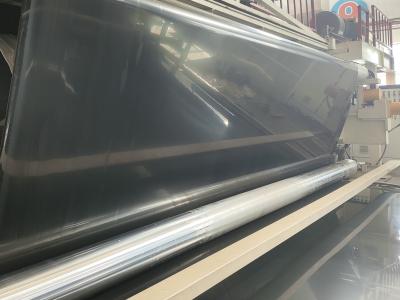
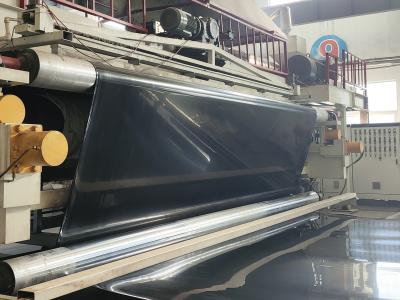
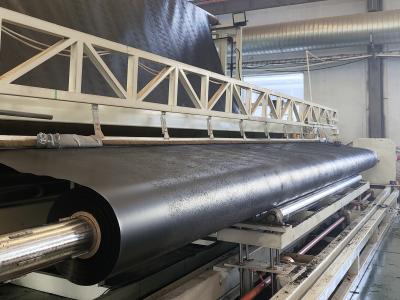
Manufacturing processes for this product category have evolved significantly over the past two decades. Modern extrusion lines utilize flat die technology combined with automated thickness control systems. These systems maintain dimensional tolerances within ±5 percent across the full roll width. For a HDPE Sheet 500 Micron, this translates to consistent welding performance and predictable field behavior.
The material composition follows established standards. Virgin HDPE resin with density ranging from 0.94 to 0.96 g/cm³ forms the base. Carbon black content between 2 and 3 percent provides UV stabilization. Antioxidant packages protect against thermal oxidation during service. Together, these components create a HDPE Liner Sheet capable of withstanding chemical exposure, UV radiation, and mechanical stress for decades.
 |  |  |
Industry Demand and Market Size
Market data indicates sustained growth for geomembrane products globally. The broader geosynthetics market surpassed $12 billion in 2024, with geomembranes accounting for approximately 35 percent of that total. Within the geomembrane segment, HDPE materials represent the largest category by volume.
Regional demand patterns show distinct characteristics. Asia-Pacific accounts for roughly 45 percent of global consumption, driven by infrastructure development in China, India, and Southeast Asian nations. Mining operations in Chile, Peru, and Australia contribute significantly to demand in the Americas and Pacific regions. European markets show steady consumption, with emphasis on landfill and environmental remediation applications.
The HDPE Sheet 500 Micron specifically captures a substantial portion of the market. Industry analysts estimate this thickness accounts for 25 to 30 percent of all HDPE geomembrane sales by volume. Applications span landfill caps, secondary containment, aquaculture ponds, irrigation reservoirs, and mining heap leach pads.
Projected growth rates range between 4 and 6 percent annually through 2032. Factors driving this growth include tightening environmental regulations, expansion of mining operations in developing regions, and increased adoption of lined water storage systems in water-stressed areas.
Manufacturing Standards and Quality Control
Quality requirements for HDPE Membrane products are defined by several internationally recognized standards. GRI-GM13 represents the most widely referenced specification in North America, covering physical properties, mechanical properties, and durability characteristics. European projects often reference DIN or CEN standards, while international tenders may specify ISO or ASTM test methods.
Key quality parameters include:
Thickness uniformity remains paramount. A HDPE Sheet 500 Micron should maintain thickness within ±5 percent of nominal value. Variation beyond this range creates welding difficulties and weak points in the containment system.
Tensile properties determine the material's ability to withstand installation stresses and service loads. Minimum requirements typically specify yield strength of 15 MPa or higher, with elongation at yield exceeding 12 percent.
Stress crack resistance ranks among the most critical durability indicators. This property measures the material's resistance to slow crack growth under sustained load. Accelerated testing methods, such as the notched constant tensile load test, provide comparative data. Quality products achieve resistance values exceeding 100 hours under test conditions.
Carbon black dispersion affects UV stability. Microscopic examination ensures the carbon black particles are evenly distributed without agglomeration. Poor dispersion creates pathways for UV degradation and premature failure.
Manufacturing facilities maintaining ISO 9001 certification demonstrate commitment to quality management systems. Additional certifications, such as ISO 14001 for environmental management, provide further assurance of manufacturing discipline.
Application-Specific Considerations
The suitability of a HDPE Liner Sheet at 500 microns varies significantly by application. Understanding these distinctions helps procurement professionals make informed specifications.
Landfill applications typically reserve 500 micron material for caps and covers. Primary bottom liners, which must contain leachate and withstand waste loading, generally require thickness of 1.5 mm or greater. However, intermediate covers and final caps benefit from the lighter weight and reduced cost of 500 micron material while providing adequate barrier protection.
Mining operations utilize HDPE Sheet 500 Micron extensively for heap leach pads. The thickness provides sufficient chemical resistance to handle sulfuric acid in copper operations or cyanide solutions in gold recovery. Installation over prepared subgrades with geotextile cushion layers extends service life. One Chilean copper operation reported successful performance exceeding eight years with no measurable degradation.
Aquaculture facilities have adopted 500 micron geomembranes for shrimp and fish ponds. The smooth surface inhibits bacterial growth compared to earthen ponds. Reduced water exchange rates improve biosecurity and lower pumping costs. Vietnamese shrimp producers report production increases of 20 to 30 percent after converting to lined ponds.
Agricultural water storage represents a growing application segment. Irrigation reservoirs lined with HDPE Membrane reduce seepage losses to near zero. In water-scarce regions, this efficiency translates directly to increased crop production. Projects in California's Central Valley and Australia's Murray-Darling Basin demonstrate the effectiveness of lined storage systems.
Secondary containment applications rely on 500 micron material for its chemical resistance and durability. Fuel storage facilities, chemical processing plants, and wastewater treatment operations use these liners to contain spills and prevent soil contamination. Regulatory compliance often requires specific thickness and material certifications for these applications.
Installation Methods and Field Performance
Field installation practices significantly influence the long-term performance of any HDPE Sheet 500 Micron. Proper procedures begin with subgrade preparation. The supporting soil must be compacted, free of sharp objects, and graded to provide uniform support. Geotextile cushions, typically 200 to 300 grams per square meter, are often placed beneath the geomembrane to protect against punctures.
Seaming operations require trained personnel and calibrated equipment. Two primary welding methods exist:
Wedge welding applies heat and pressure to overlapping panels. The welding machine moves along the seam, melting the two surfaces and pressing them together. Properly executed wedge welds achieve bond strength exceeding the parent material. Air pressure testing confirms seam integrity.
Extrusion welding deposits molten HDPE material into the seam between two panels. This method accommodates irregular geometries, penetrations, and repair situations. Vacuum testing or spark testing verifies extrusion weld quality.
Field testing protocols require testing of all seams. Typical specifications call for 100 percent non-destructive testing of wedge welds and 100 percent non-destructive testing of extrusion welds. Destructive testing samples are taken at specified intervals, typically every 150 to 300 meters of seam length.
Documentation requirements have increased in recent years. Many projects now require GPS mapping of all seams, creating digital records accessible throughout the system's service life. This documentation supports regulatory compliance and simplifies future maintenance activities.
Recent Technical Developments
Several innovations have emerged in the geomembrane sector that affect HDPE Liner Sheet products.
Textured surfaces now represent a significant product category. Single-sided texturing improves friction angles on slopes, reducing the risk of liner sliding. Double-sided texturing provides additional stability for applications where both sides contact soil. Texturing increases manufacturing complexity and cost but enables steeper slope designs.
Conductive geomembranes incorporate conductive layers that enable leak detection using electrical methods. When installed with appropriate instrumentation, these systems can locate breaches with precision. This technology has gained acceptance for applications requiring enhanced assurance of containment integrity.
Recycled content materials have entered the market, particularly in European and North American applications. Products containing 30 to 50 percent post-consumer recycled content are available. Performance testing indicates acceptable properties for non-critical applications, though many specifiers continue to require virgin material for environmental containment.
Manufacturing efficiency improvements have reduced energy consumption and waste generation. Advanced extrusion systems incorporate closed-loop cooling and trim recycling. These improvements reduce manufacturing costs while maintaining product quality.
Frequently Asked Questions
Q1: What certifications should be requested when purchasing 500 micron HDPE sheet?
Buyers should request GRI-GM13 certification for North American applications or equivalent standards for other regions. Test reports from accredited laboratories should document thickness, tensile properties, tear resistance, puncture resistance, and stress crack resistance. For potable water applications, FDA 21 CFR 177.1520 or EU Regulation 10/2011 compliance documentation is required. Manufacturers should provide ISO 9001 certification for quality management systems.
Q2: How does installation cost compare between 500 micron and thicker materials?
Installation cost consists of several components. Material handling costs increase with roll weight, which affects transportation and deployment. Seaming costs per square meter are generally similar across thicknesses, though thicker materials may require slower welding speeds. A HDPE Sheet 500 Micron typically offers lower total installed cost compared to 1.0 mm or 1.5 mm materials, making it economical for applications where the thinner gauge meets performance requirements.
Q3: What is the expected service life of a properly installed 500 micron HDPE liner?
Manufacturers typically cite 50 years or more for properly formulated and installed HDPE geomembranes. Field studies support these claims. Examination of geomembranes retrieved after 20 years of service shows retention of tensile properties in protected areas and surface degradation only in exposed sections. Key factors affecting service life include UV exposure, chemical exposure, installation quality, and subgrade conditions.
Q4: Can 500 micron HDPE sheet be used for exposed applications without cover?
Exposed applications require careful consideration of UV stability and mechanical protection. The carbon black content in standard black HDPE Membrane provides adequate UV protection for exposed use. However, exposed installations face increased risk from mechanical damage, wind uplift, and thermal expansion. Covering the geomembrane with soil, water, or protective materials extends service life and reduces maintenance requirements.
Selection Guidelines for Procurement Professionals
Selecting the appropriate HDPE Sheet 500 Micron requires evaluation of multiple factors beyond initial material cost.
Project specifications should be reviewed to confirm thickness requirements. Some applications have specific thickness mandates under local regulations. Others allow engineering judgment based on site conditions.
Supplier qualifications matter significantly. Established manufacturers with documented quality systems and references from similar applications provide greater assurance of product consistency. Requesting production samples for independent testing provides verification of claimed properties.
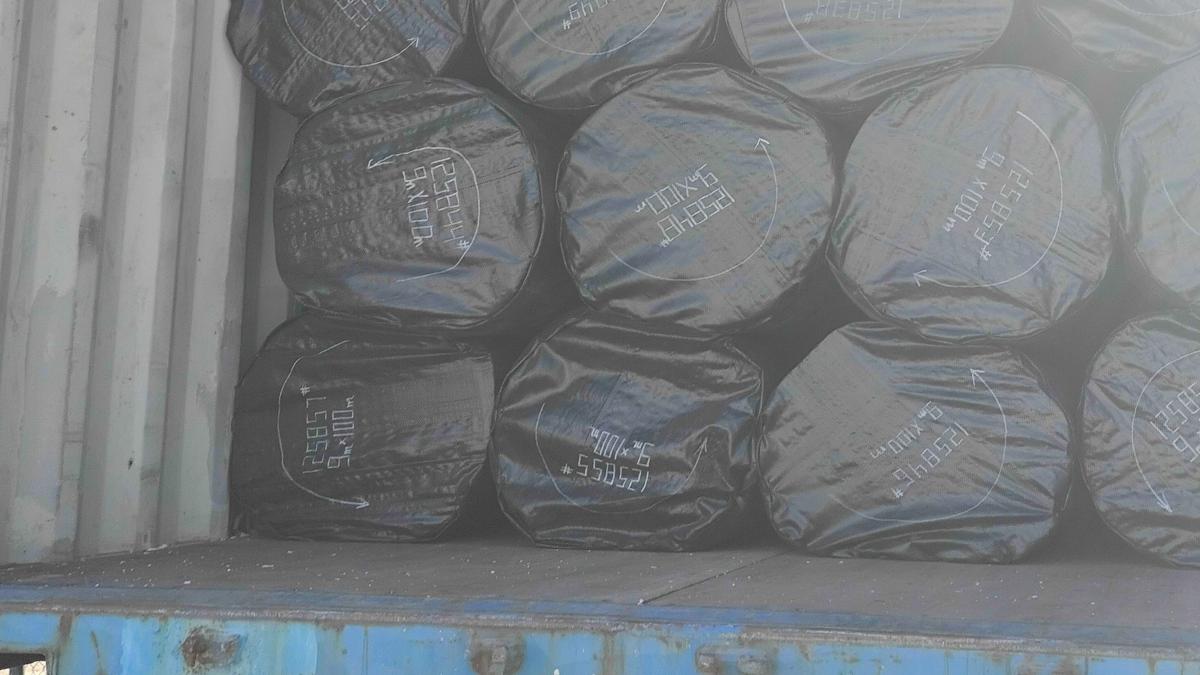
Logistics considerations affect project scheduling and cost. Geomembranes are heavy and bulky, making freight a significant cost component. Suppliers with regional warehousing may offer improved delivery terms compared to direct factory shipments.
Technical support availability influences project outcomes. Suppliers offering field technical assistance for installation and seam testing add value beyond material supply. This support helps ensure proper installation practices and can prevent costly field problems.
Summary and Procurement Support
The HDPE Sheet 500 Micron represents a proven solution for numerous containment applications. Its balance of thickness, flexibility, and cost-effectiveness has established it as a standard specification across environmental, mining, agricultural, and industrial sectors. Proper material selection, quality manufacturing, and skilled installation combine to deliver reliable long-term performance.
As regulatory requirements tighten and water resource management becomes increasingly critical, the demand for quality geomembrane products will continue to grow. Procurement professionals who prioritize verified quality and supplier reliability position their organizations for successful project outcomes.
For assistance with your next geomembrane procurement, our technical team provides product specifications, test documentation, and competitive pricing for HDPE Sheet 500 Micron and related products. Contact us with your project requirements to receive material samples, certification packages, and delivery options tailored to your timeline and location.