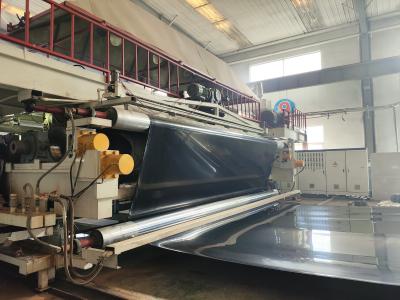
A procurement officer in Vietnam once asked me why forty mil outsells sixty mil three to one at his local distributor. He had assumed thicker meant better. Then he ran the numbers on a thirty-hectare shrimp pond project. Sixty mil pushed the material budget past what the project could absorb. Thirty mil meant ordering geotextile cushion for every square meter. Forty mil split the difference and still met the puncture resistance spec. He ordered forty. The Black Geomembrana HDPE 40 Mils has been outselling its neighbors for that same reason in warehouses from Jakarta to Johannesburg.
Forty mil equals 1.0mm. Virgin HDPE. Carbon black at 2.0-3.0%. Density at 0.940 g/cm³ minimum. Permeability below 1.0×10⁻¹³ cm/s. Standard numbers, all of them.
Puncture resistance is the number that changes with thickness. Forty mil gives you 320 N per ASTM D4833. Sixty mil gives you 480 N. Thirty mil gives you 240 N. Those three numbers decide whether a subgrade needs a geotextile layer or not. They decide whether a puncture during deployment becomes a five-minute patch or a two-day excavation.
Here is where the spec sheet stops being useful. A HDPE Geomembrane Supplier can print any number on a brochure. What they cannot print is the field record. Research on HDPE geomembranes in Northern Mongolia found material still functioning after sixteen years of extreme continental climate exposure. Carbon black had not faded. Stress crack resistance remained above threshold. That kind of result comes from resin quality, not from the thickness number on the roll. The Geomembrana HDPE 40 Mils benefits from the same compounding principles, which is why exhumed samples from 1990s installations still flex when you bend them.
Chemical resistance runs pH 1.5 to 14. Acids, bases, hydrocarbons. No swelling. No softening. No cracking. The Black Geomembrana HDPE 40 Mils handles all of it.
Now the uncomfortable part. Forty mil is not the right answer for every project. Primary landfill base liners call for sixty or eighty. Heap leach pads over sharp ore call for sixty. Tailings dams call for sixty or eighty. A supplier who recommends forty mil for those applications is either overselling or does not understand what happens when a liner fails under a waste cell. The Geomembrana HDPE 40 Mils fills the middle ground. It does not fill the extremes.
Seams fail before sheets do. That is not opinion. It is the pattern in every failure analysis published in the last thirty years. Hot wedge welding is the method. The smooth surface of the Geomembrana HDPE 40 Mils keeps air from getting trapped under the weld bead. Trapped air creates channel leaks. Peel tests, shear tests, vacuum box, spark testing, the whole protocol exists because seams are the weak point, not the sheet.
Stress crack resistance above 300 hours per ASTM D5397 is where virgin resin separates from recycled content. Recycled liners often test lower. The difference shows up when the landfill is in post-closure care and the monitoring wells start telling stories.
What should buyers ask for before signing a purchase order? Three things. Certificate of analysis for the specific production lot. Stress crack data from an independent lab. Confirmation that the resin is virgin, not blended with regrind. The Black Geomembrana HDPE 40 Mils market has suppliers who will cut corners on all three. The ones who do not cut corners are the ones whose material shows up in exhumed sample studies twenty years later.
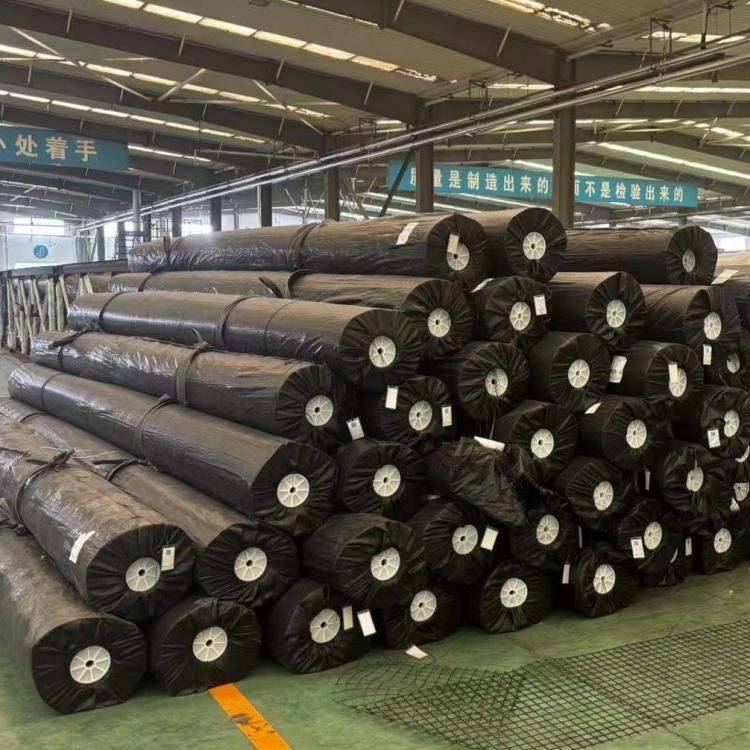
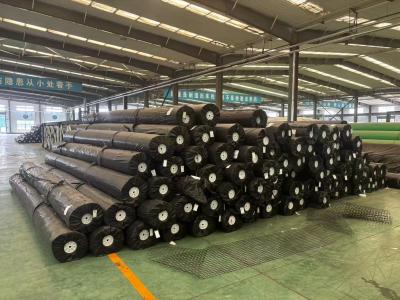
Packaging gets overlooked. Rolls ship on heavy cardboard cores, 200mm inner diameter minimum. Smaller cores collapse during crane lifting. Outer wrap needs UV inhibitors. Corner protectors on both ends. Steel strapping to a hardwood pallet. Ocean freight loads into standard containers, braced with dunnage. Documentation includes certificate of analysis, packing list, invoice.
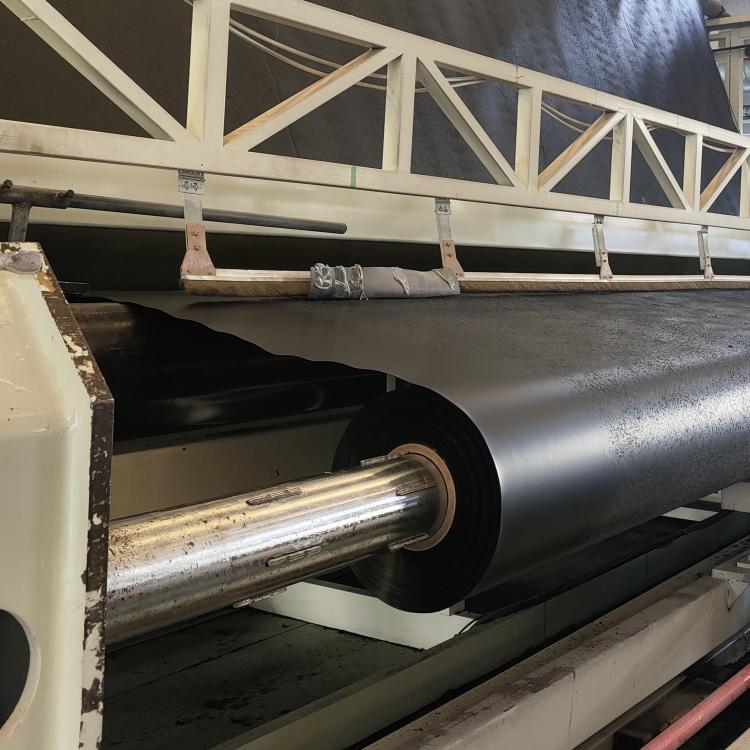
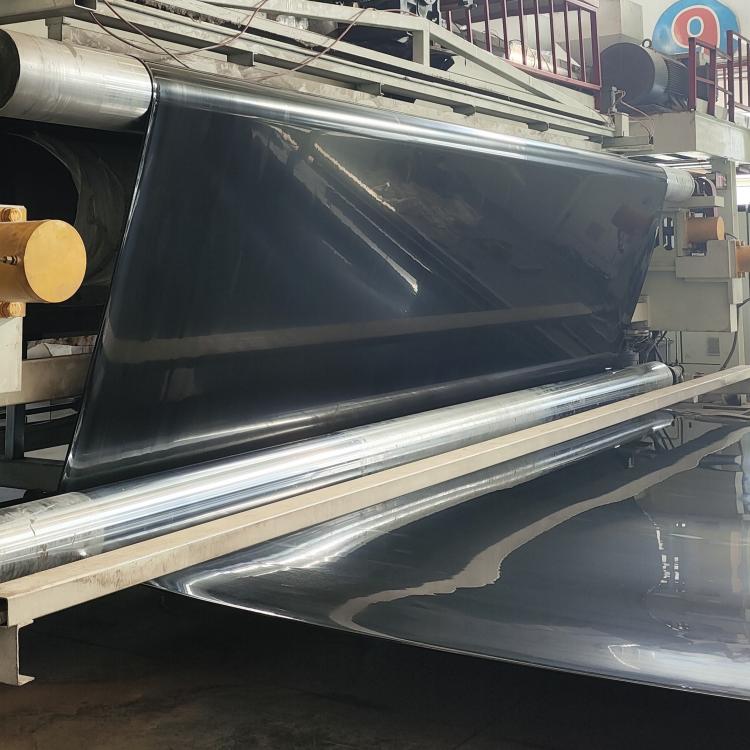
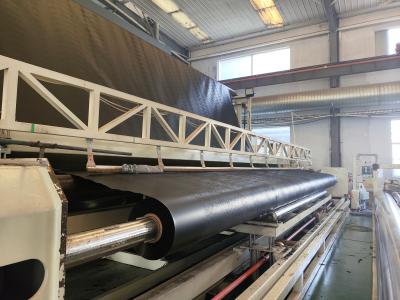
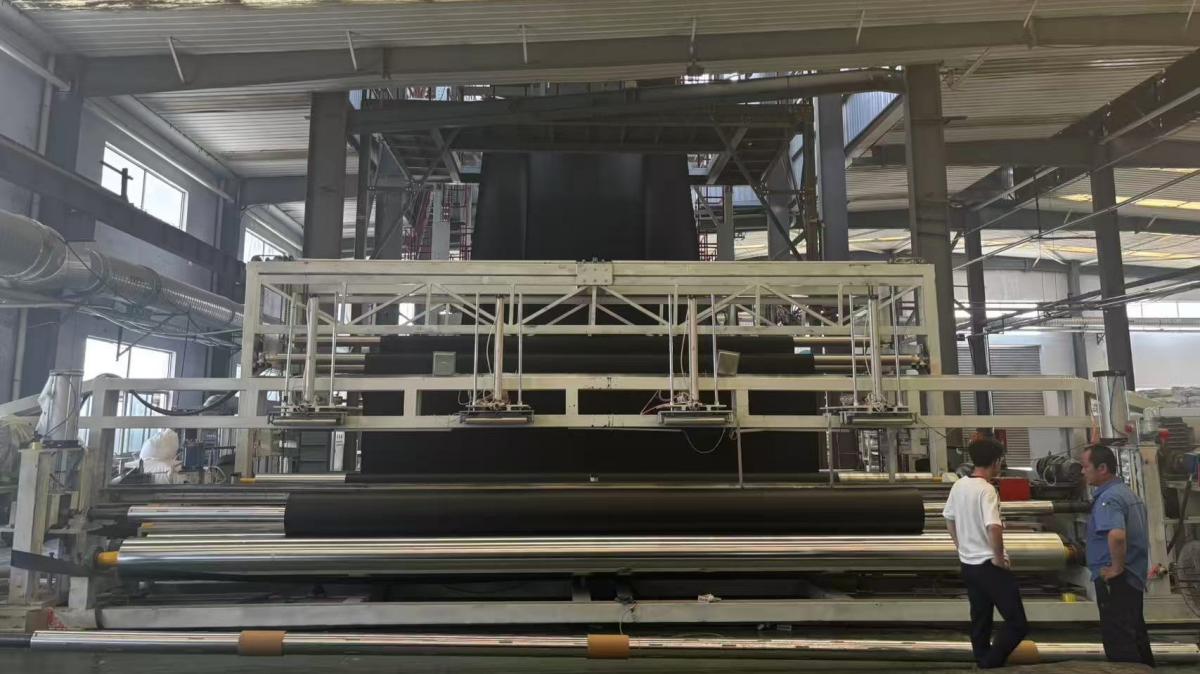
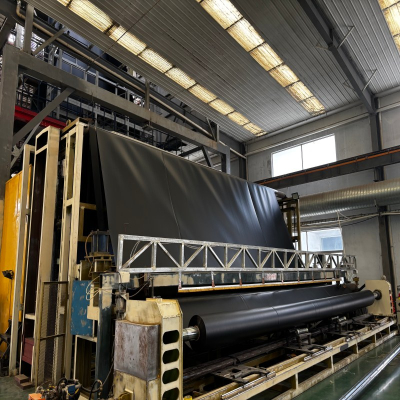
Manufacturer track record matters as much as product data. A facility running multiple extrusion lines with in-house testing and virgin resin sourcing is a different operation from a trading company reselling someone else's sheet. ISO 9001 covers the quality system. GRI-GM13 and ASTM cover the product. Site support, welding procedure review, troubleshooting during installation, that is what separates a HDPE Geomembrane Supplier from a partner.
Forty mil is not the strongest liner. It is not the cheapest. It is the thickness most projects actually need once the subgrade has been prepared and the consequences of failure have been weighed honestly. That is why it outsells the rest. Buyers who understand that tend to order once and not think about it again.