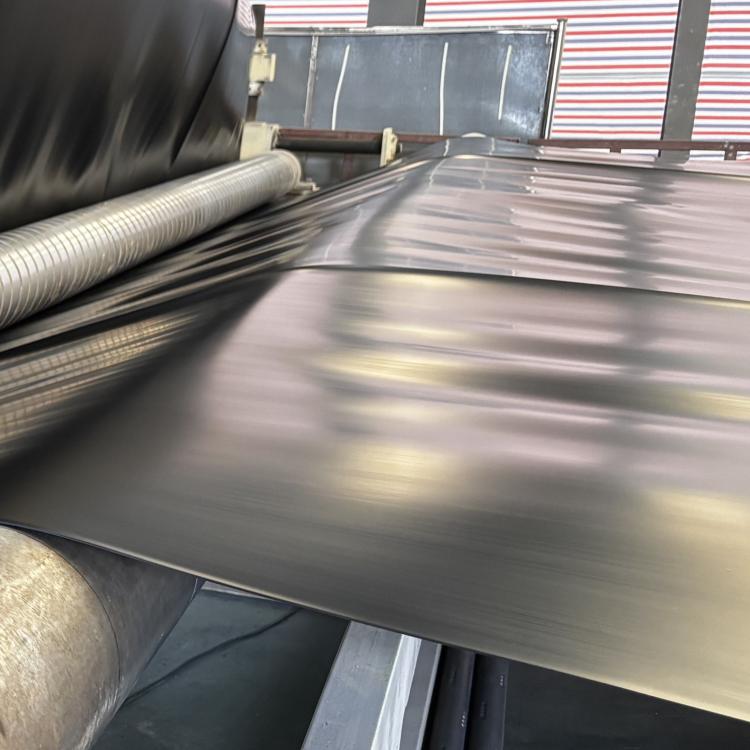
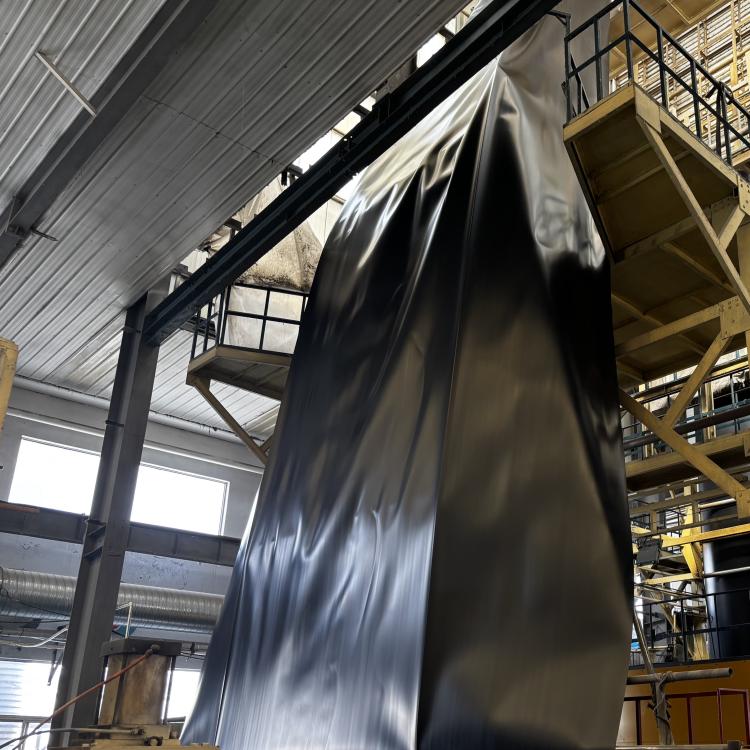
Some specifications get written once and never revisited. Landfill base liner thickness is not one of them. Regulators update. Engineers argue. Contractors submit alternates. Through all of that, one number keeps coming back. Two millimeters. The 2MM Geomembrane Liner Landfill is what most primary waste containment cells end up specifying, not because it is fashionable, but because the failure consequences at 1.5mm are harder to defend in a permit hearing.
Two millimeters is 80 mils. Virgin HDPE. Carbon black dispersed at 2.0-3.0% through the full sheet. Density at 0.940 g/cm³ or above. Permeability below 1.0×10⁻¹³ cm/s. Standard numbers.
Puncture resistance is where the thickness earns its place. Roughly 640 N under ASTM D4833. At 1.5mm it drops to 480 N. That gap matters when the subgrade contains construction debris, angular stone, or leftover rebar. It matters more when the waste stream itself includes demolition waste.
A project manager in Ohio once described the difference this way. At 1.5mm you spend the first year hoping nothing sharp sits under the liner. At 2.0mm you spend the first year doing something else. That is not a technical argument. It is an operational one, and operational arguments are what actually drive specifications.
The Geomembrane Liner Landfill at 2.0mm does not eliminate subgrade preparation. It buys margin. Margin for the stone nobody removed. Margin for the settlement nobody predicted. Margin for the welding crew that had a bad morning.
Chemical resistance runs pH 1.5 to 14. Organic acids. Heavy metals. Chlorides. Ammonia. The Geomembrane Material handles all of it under normal exposure. Concentrated industrial solvents are a different conversation and outside what any HDPE product should be asked to do.
Stress crack resistance above 300 hours per ASTM D5397 is the threshold. Recycled-content liners often test lower. That difference does not show up during installation. It shows up fifteen years later, under sustained load, when the monitoring wells start reporting. The 2MM Geomembrane Liner Landfill made from virgin resin holds that threshold.
Seams decide whether the sheet properties matter. Hot wedge welding on the smooth surface produces consistent bonds because there is no texture trapping air under the bead. Peel and shear testing on sample seams. Vacuum box or spark testing on production seams. Skipping either step to save schedule time is how landfills end up in remediation.
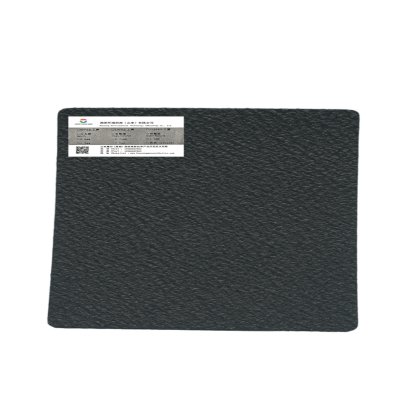
Textured product on side slopes. Smooth product on the base. Same production line. The Geomembrane Liner Landfill specification should say which finish goes where, because contractors will ask and inspectors will check.
What should buyers verify before signing? Lot-specific certificates of analysis, not generic sheets. Stress crack data from an independent lab. Confirmation that the resin is virgin, not blended with regrind. The Geomembrane Material market has suppliers who will cut corners on all three.
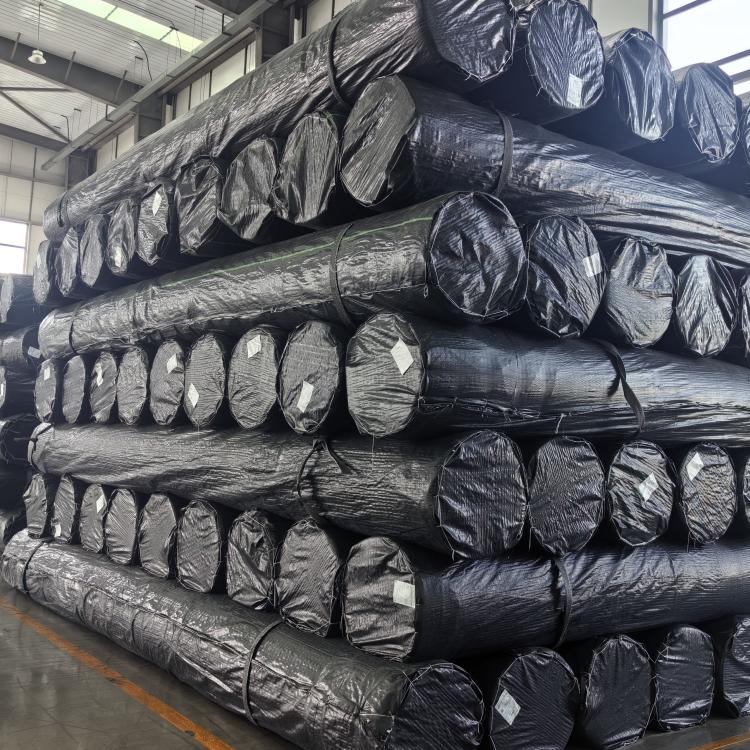
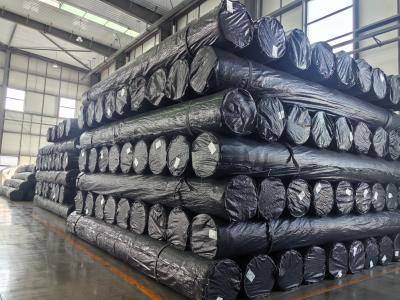
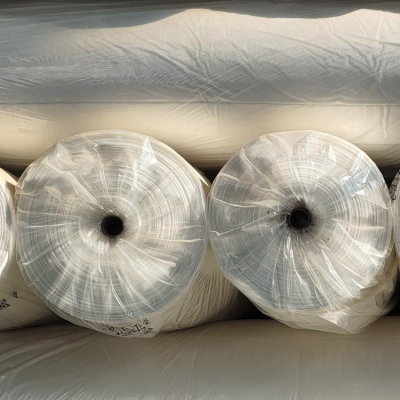
Packaging is a minor issue until it is not. Cores below 300mm inner diameter collapse during crane lifting. Outer wrap without UV inhibitors lets a roll degrade while it waits on site. Corner protection prevents edge damage in transit.
The same 2.0mm thickness appears in mining as a Mine HDPE Liner for heap leach pads and tailings. Chemistry differs. Thickness and mechanical requirements overlap. Procurement teams sourcing for both landfill and mining can standardize on one specification.
Forty mil is not the answer for primary landfill base liners. Sixty mil is not either. The 2MM Geomembrane Liner Landfill is the thickness that most primary cells actually specify once the permit review, the subgrade survey, and the failure-consequence analysis are finished. That is not marketing. It is what the drawings say.