Some projects demand more than standard protection. A hazardous waste landfill. A mining heap leach pad handling aggressive chemicals. A large commercial fish farm requiring decades of service. These applications need a liner that delivers maximum puncture resistance, chemical barrier performance, and long-term durability. The 2.0mm HDPE Membrane provides exactly that. At 2.0mm (80 mils) thick, this material offers the highest level of protection in the standard HDPE geomembrane range. The carbon black content provides permanent UV stabilization. The smooth surface allows clean, reliable welding. For projects where failure is not an option, the 2.0mm HDPE Membrane is the specification of choice. This guide covers technical specifications, field applications, and purchasing considerations.
Product Overview
The 2.0mm HDPE Membrane is manufactured from virgin high-density polyethylene resin with carbon black content held at 2.0-3.0% for permanent UV stabilization. The 2.0mm nominal thickness provides the mechanical strength and chemical barrier performance that the most demanding containment applications require. The material meets or exceeds GRI-GM13 specifications, with density of 0.940 g/cm³ and tensile strength at yield of 29 MPa (minimum for 2.0mm).
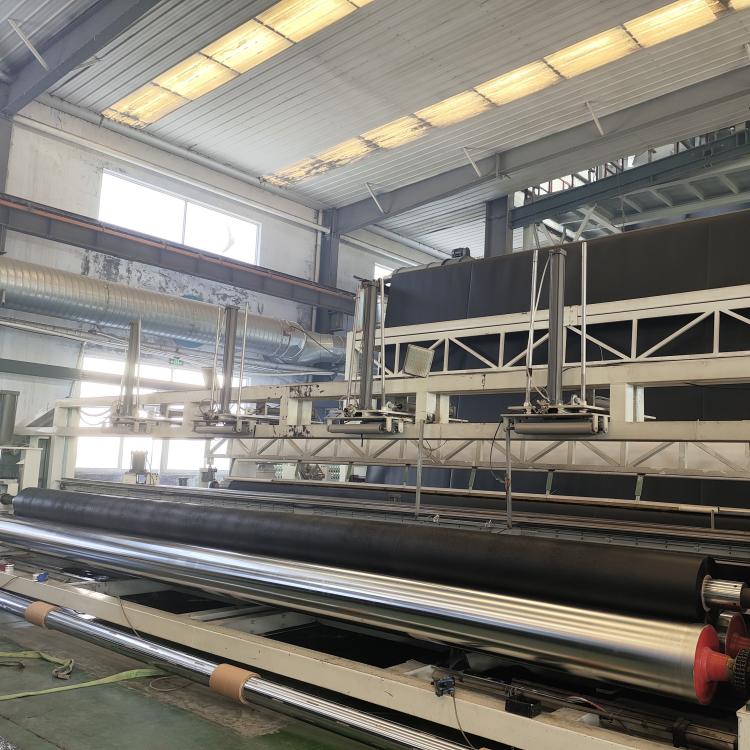
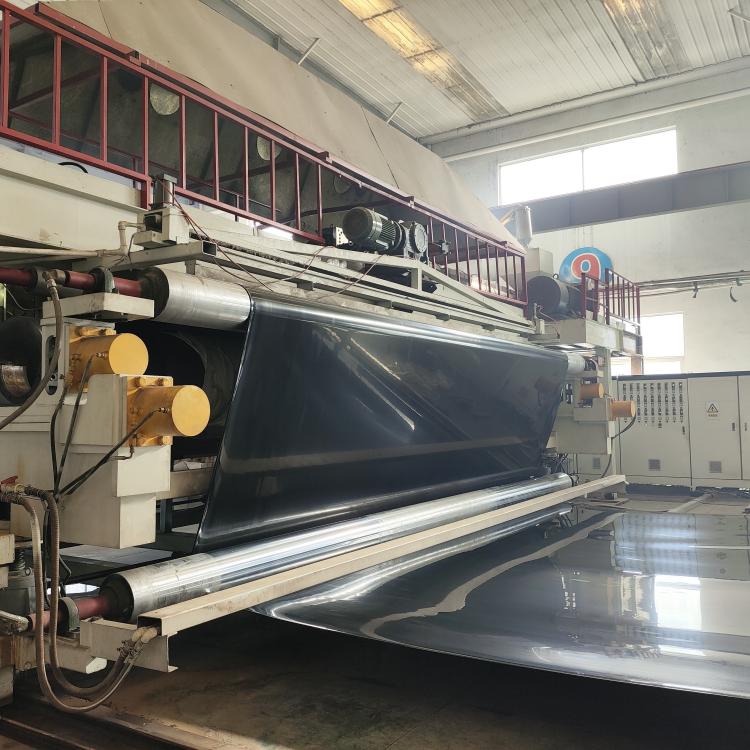
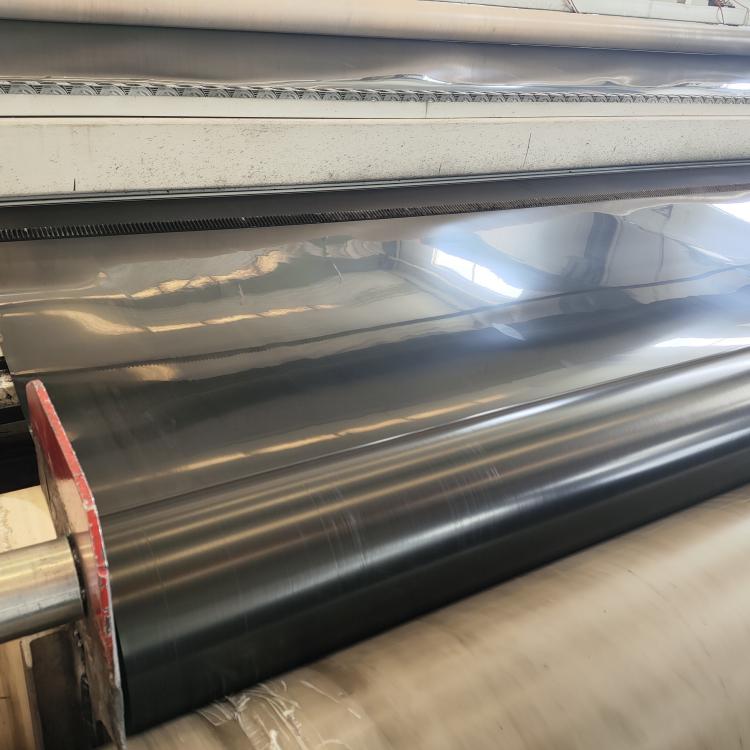
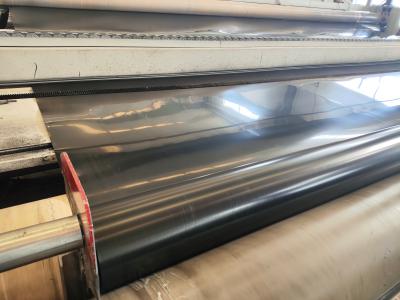
As an HDPE Membrane, this product offers permeability below 1.0×10⁻¹³ cm/s. Water, leachate, and process solutions do not migrate through the liner. The material is produced via flat-die extrusion, ensuring consistent thickness across the full sheet width. Tolerance is ±5 percent (1.90-2.10 mm average).
The HDPE Geomembrane is available in smooth finish as standard, with textured options available for slope applications. For aquaculture operations requiring a Fish Pond Liner, the 2.0mm thickness provides maximum protection against punctures from harvesting equipment and predator activity.
Product Features
Maximum Puncture Resistance. At 2.0mm thickness, puncture resistance reaches approximately 640 N per ASTM D4833. This handles the most demanding subgrade conditions, including sharp rock and construction debris.
Permanent UV Protection. Carbon black is compounded throughout the resin at 2.0-3.0%. This is not a surface coating. The 2.0mm HDPE Membrane maintains UV resistance even if the surface is scratched during installation.
Near-Zero Permeability. The coefficient of permeability measures below 1.0×10⁻¹³ cm/s. Leachate and process solutions do not migrate through the HDPE Membrane. A municipal landfill using a 2.0mm HDPE membrane saw its leakage rate drop from 0.1 L/s·km² to 0.01 L/s·km² over three years.
Broad Chemical Resistance. The 2.0mm HDPE Membrane withstands exposure to acids, bases, and hydrocarbons across a pH range of approximately 1.5 to 14. No swelling, softening, or cracking occurs under normal operating conditions.
Superior Tensile Properties. Tensile strength at yield for 2.0mm material meets GRI-GM13 requirements at 29 MPa minimum. Elongation at break exceeds 700%, allowing the HDPE Geomembrane to accommodate subgrade settlement without rupture.
Superior Stress Crack Resistance. The material achieves stress crack resistance exceeding 300 hours per ASTM D5397. This is critical for long-term performance under sustained loads from waste mass and cover soils.
Tear and Impact Resistance. The 2.0mm HDPE Membrane provides excellent tear resistance and impact resistance, making it suitable for the most demanding installation conditions.
Product Advantages
Maximum Puncture Protection. The 2.0mm HDPE Membrane provides 33% more puncture resistance than 1.5mm material and 100% more than 1.0mm material. For subgrades with sharp rock or construction debris, this extra thickness provides a critical safety margin.
Longer Service Life in Demanding Environments. Thicker material contains more antioxidant package and more carbon black. The 2.0mm HDPE Membrane has a service life exceeding 50 years for covered applications. In exposed environments, it lasts 25+ years.
Superior Stress Crack Performance Under Load. Landfill base liners and tailings storage facilities apply sustained pressure for decades. The 2.0mm HDPE Membrane with virgin resin formulation achieves 300+ hours of stress crack resistance. This matters when the liner sits under millions of tons of material.
Weldable with Standard Equipment. The 2.0mm HDPE Membrane accepts thermal fusion welding using standard hot wedge equipment. No special machinery is required. The smooth surface allows clean welding. Seam strength matches parent material.
Regulatory Acceptance. Environmental agencies recognize 2.0mm HDPE as the standard for critical containment. The 2.0mm HDPE Membrane meets regulatory requirements without exception. No special waivers. No additional testing.
Safe for Aquatic Life. For aquaculture applications, the Fish Pond Liner at 2.0mm is non-toxic and BPA-free, safe for aquatic life and compliant with food-grade standards.
Technical Specifications
Parameter
2.0mm Value
Test Method
Nominal Thickness
2.00 mm ±0.20
ASTM D5199
Density
≥0.940 g/cm³
ASTM D1505
Carbon Black Content
2.0-3.0%
ASTM D4218
Tensile Strength at Yield
≥29 MPa
ASTM D6693
Tensile Strength at Break
≥53 kN/m
ASTM D6693
Elongation at Break
≥700%
ASTM D6693
Tear Resistance
≥249 N
ASTM D1004
Puncture Resistance
≥640 N
ASTM D4833
Stress Crack Resistance
≥300 hours
ASTM D5397
Permeability
<1.0×10⁻¹³ cm/s
ASTM E96
Roll Width
3.0m to 8.0m
Custom
Roll Length
50m to 100m
Custom
Product Applications
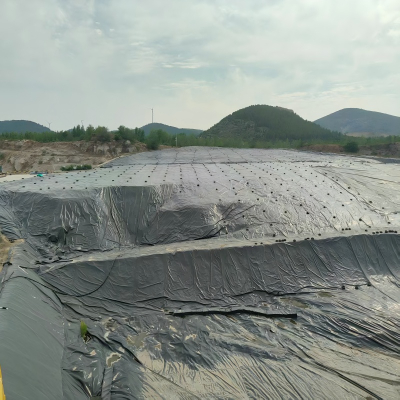
Hazardous Waste Landfills. The 2.0mm HDPE Membrane is the standard specification for hazardous waste landfill primary liners. The material provides the chemical barrier required by environmental regulations. Stress crack resistance ensures performance under extreme waste load.
Municipal Solid Waste Landfills. Large municipal landfills specify the 2.0mm HDPE Membrane for base liners and final covers. The thickness provides the puncture resistance and long-term durability that modern waste facilities require.
Mining Heap Leach Pads. Copper and gold operations use the 2.0mm HDPE Membrane for heap leach pads. The material handles sulfuric acid and cyanide solutions. Puncture resistance protects against sharp ore. The HDPE Geomembrane at 2.0mm is the first line of defense in contact with pollutants.
Tailings Storage Facilities. Tailings contain process chemicals and fine-grained solids that require indefinite containment. The 2.0mm HDPE Membrane forms the barrier layer in composite liner systems.
Commercial Fish Farms. Large-scale aquaculture operations use the 2.0mm HDPE Membrane as a Fish Pond Liner for production ponds. The thicker material resists punctures from harvesting equipment and provides long-term durability. The non-toxic, BPA-free material is safe for aquatic life.
Potable Water Reservoirs. When specified with NSF/ANSI 61 certification, the 2.0mm HDPE Membrane is approved for drinking water contact.
Secondary Containment. Tank farms and chemical storage areas use the 2.0mm HDPE Membrane beneath tanks and around piping.
Comparison with Thinner Options
The 2.0mm HDPE Membrane sits above 1.5mm and 1.0mm options. Each has its place.
1.0mm works for moderate applications with prepared subgrades. It costs less. It handles less puncture risk. Puncture resistance is 320 N.
1.5mm works for higher-load applications where additional puncture resistance is needed. Puncture resistance is 480 N.
2.0mm works for critical landfills, hazardous waste, and aggressive mining applications. Puncture resistance is 640 N. It is the primary liner in contact with pollutants and must use 1.5mm or 2.0mm HDPE geomembrane.
The 2.0mm HDPE Membrane provides maximum protection for critical containment.
Packaging and Transport
The 2.0mm HDPE Membrane is wound onto heavy-wall cardboard cores with minimum 300mm inner diameter to prevent core collapse during crane lifting. Each roll is wrapped in opaque white polyethylene film with UV inhibitors. Corner protectors are fitted to both roll ends. The wrapped roll is secured to a hardwood pallet using steel strapping with edge protection.
For ocean freight, rolls are loaded into 20-foot or 40-foot containers. Palletized rolls are braced with inflatable dunnage bags to prevent shifting during transit. Rolls that exceed standard container dimensions ship on flat-rack containers.
Shipping documentation includes commercial invoice, packing list, and certificate of analysis. Third-party inspection reports from SGS, Bureau Veritas, or TÜV are available on request.
Company Profile
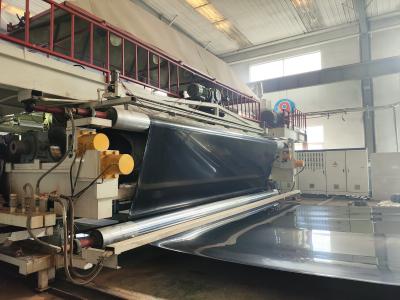
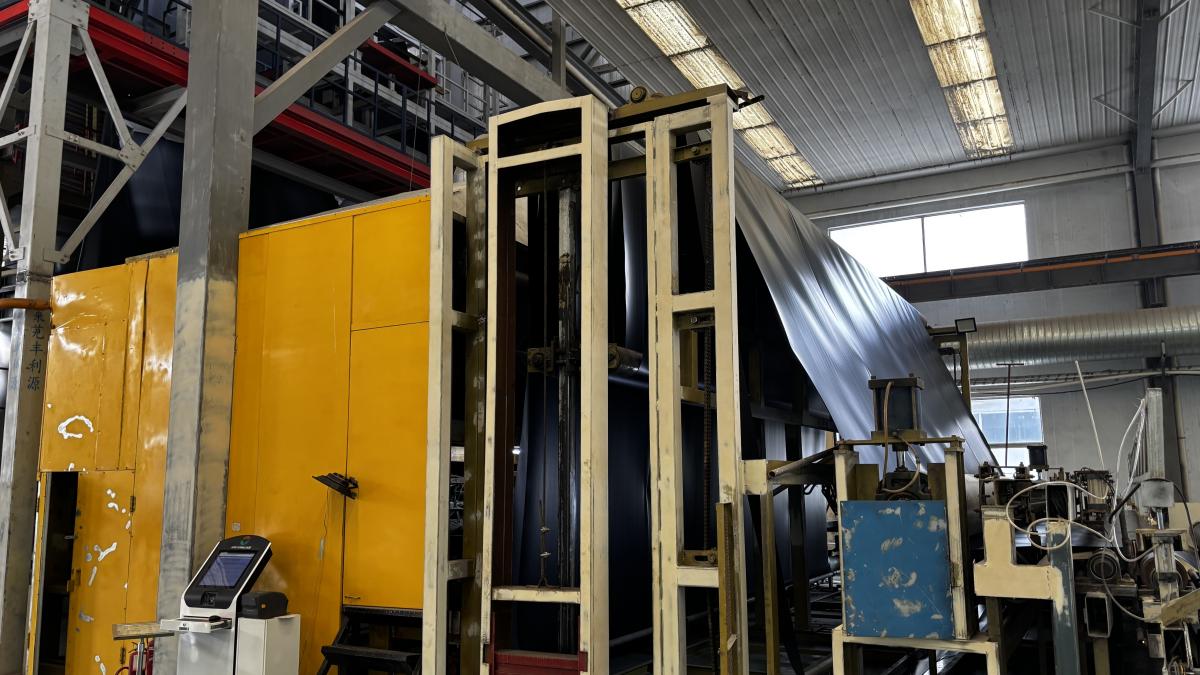
The manufacturing facility operates multiple extrusion lines dedicated to HDPE Geomembrane production. Daily output supports large-scale projects. Production uses 100% virgin resin with no recycled content.
The facility is certified to ISO 9001. Finished product is tested to GRI-GM13 and ASTM standards. Laboratory personnel perform physical property testing on every production lot.
The technical team has supported 2.0mm HDPE Membrane installations across landfill, mining, and water containment projects globally. Support includes installation guidance, welding procedure specifications, and on-site troubleshooting.
Frequently Asked Questions
Q: Is 2.0mm thick enough for my project?
A: For hazardous waste landfills, mining heap leach pads, and large commercial fish farms, yes. The 2.0mm HDPE Membrane provides 640 N of puncture resistance. It is the standard specification for primary liners in contact with pollutants. For small decorative ponds with clean subgrade, 1.0mm may be sufficient.
Q: How long does 2.0mm HDPE last?
A: Properly manufactured and installed, the 2.0mm HDPE Membrane lasts over 50 years for covered applications. Exposed liners last 25+ years. The thicker material contains more antioxidant package for extended service life.
Q: Is this liner safe for fish?
A: Yes. The HDPE Membrane is non-toxic and BPA-free, safe for aquatic life and compliant with food-grade standards. It does not leach chemicals into the water. Fish health is not affected.
Q: Can I install this myself?
A: For large commercial applications, professional installation is recommended. The 2.0mm HDPE Membrane requires proper subgrade preparation, welding equipment, and trained crews.
Q: How are seams made?
A: Thermal fusion welding using hot wedge equipment. The welder heats both sheet edges and presses them together. The smooth surface welds clean with no trapped air. Seam strength matches parent material.
Q: What subgrade preparation is needed?
A: The ground must be smooth, compacted, and free of sharp objects, roots, and debris. Remove any stones larger than 12mm. For rocky subgrades, place a geotextile cushion under the 2.0mm HDPE Membrane.
Q: What is the minimum order quantity?
A: For standard 2.0mm HDPE Membrane, orders start at one 20-foot container. This represents approximately 4,000-6,000 square meters depending on roll configuration. Larger projects often order multiple containers.
Q: Can I get samples before ordering?
A: Yes. Sample swatches of 2.0mm HDPE Membrane are available on request. Compatibility testing is recommended for unusual water chemistry or leachate.
Summary
The 2.0mm HDPE Membrane delivers maximum containment security for the most demanding projects. The 2.0mm thickness provides 33% more puncture resistance than 1.5mm material and superior stress crack performance. The material offers permanent UV protection, broad chemical resistance, and near-zero permeability.
For hazardous waste landfills, mining heap leach pads, tailings storage, and commercial fish farms, the 2.0mm HDPE Membrane is the standard specification. The HDPE Geomembrane at 2.0mm is the first line of defense in contact with pollutants. As a Fish Pond Liner, it provides safe, non-toxic containment for aquatic life.
Buyers seeking a 2.0mm HDPE Membrane should contact the technical sales team with project specifications. A detailed quote, product samples, and installation guidance will follow.