Water pressure breaks retaining walls. It washes out road bases. It turns stable slopes into mudslides. Engineers have fought these battles for centuries, and for most of that time, the only solution was crushed stone—haul it in, place it carefully, hope it stays clean. The problem is that stone drains eventually fail. Fines wash into the voids and clog them. The drainage stops working, but by then the structure is built and nobody can fix it.
The Triangle Drainage Net Geocomposite solves this differently. Instead of relying on stone, it uses a manufactured polymer core with triangular channels that stay open under load. Heat-bonded geotextiles filter soil before it reaches those channels. What you get is a drainage system that works the day it's installed and keeps working decades later. The Triangle Drainage Net Geocomposite replaces twelve inches of gravel with a material about as thick as your phone, yet it moves more water under high loads than stone ever could. Engineers specify it because performance is predictable. Contractors like it because installation takes days instead of weeks. Owners appreciate it because it solves drainage problems permanently.
Product Features
Triplanar Core Structure
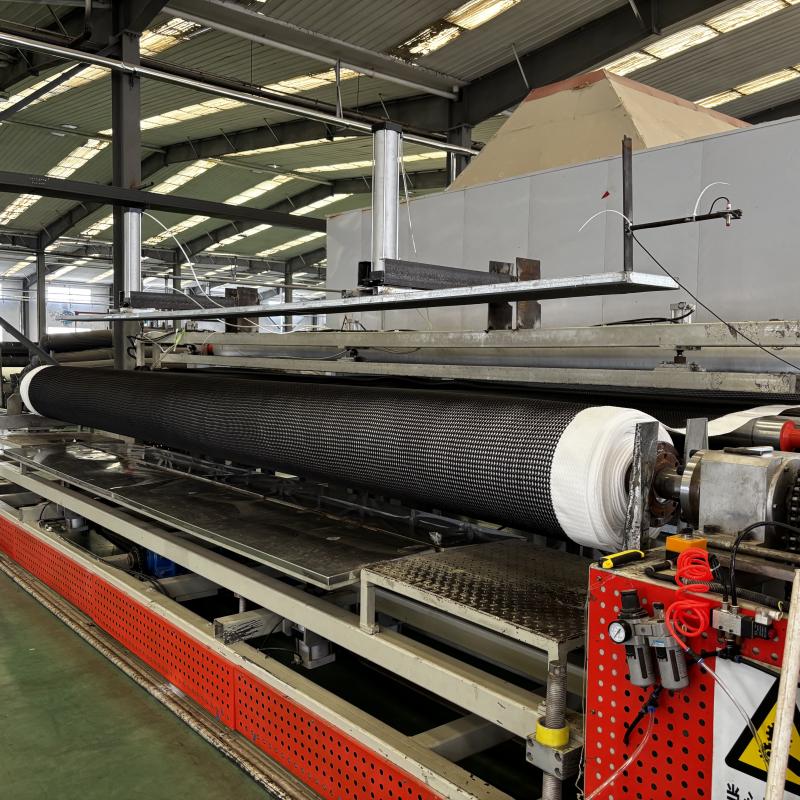
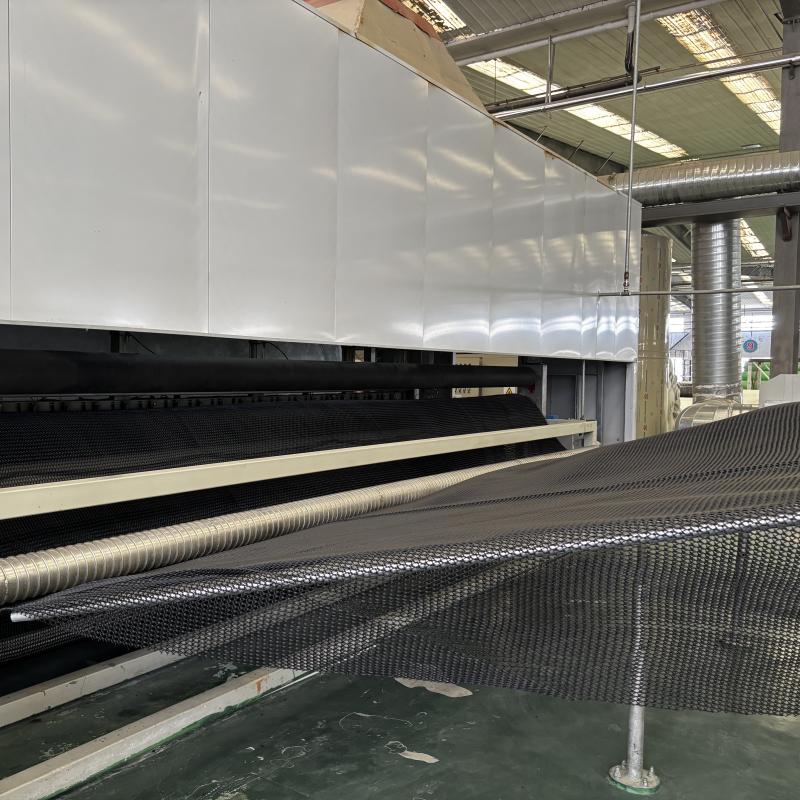
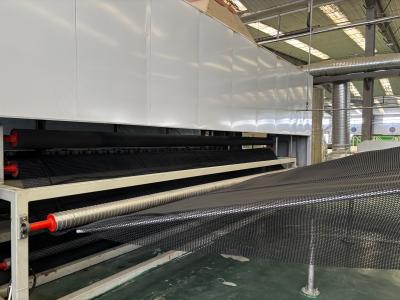
The Triangle Drainage Net core uses three layers of intersecting polyethylene ribs. Standard biplanar nets have ribs crossing at two angles. This triplanar design adds longitudinal strands that maintain flow paths when heavy loads try to close them. Ribs cross at sixty degrees, creating repeating diamond shapes that distribute pressure evenly. Core thickness ranges from five to nine millimeters depending on the grade selected.
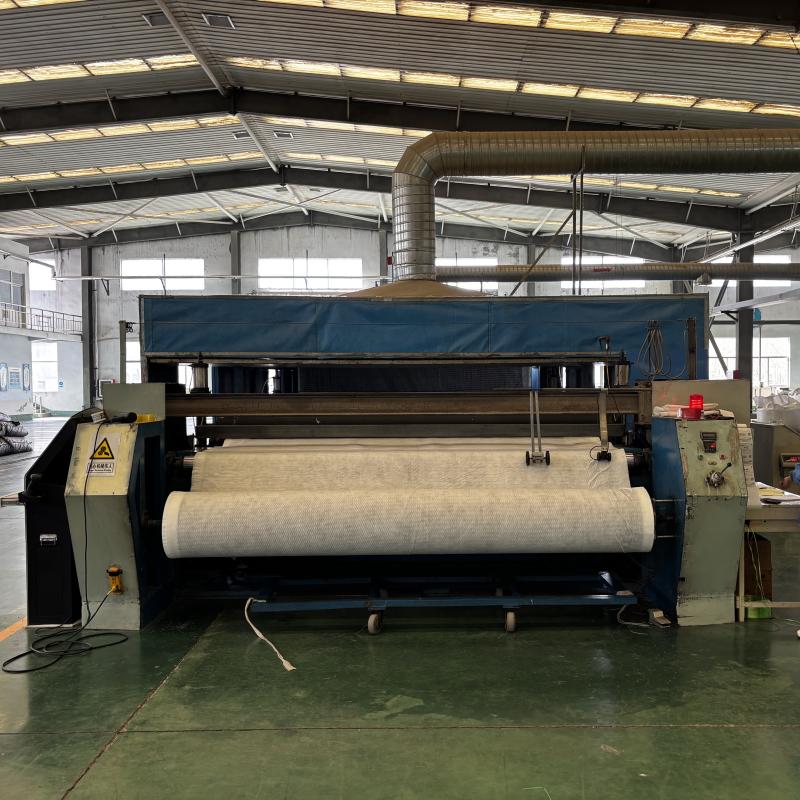
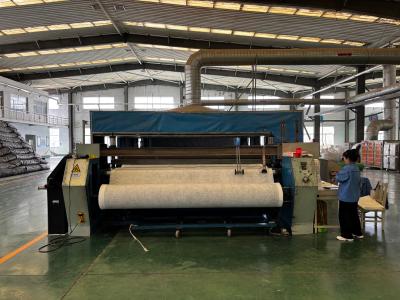
Needle-punched nonwoven fabrics attach through thermal bonding—heat and pressure fuse the fabric to the geonet at thousands of contact points. The Nonwoven Geotextile provides consistent pore sizes that retain soil while passing water freely. Mass ranges from two hundred to four hundred grams per square meter based on site soil conditions. The bond survives installation dragging, backfilling, and decades underground without separating.
UV Protection
Carbon black at two percent concentration blocks ultraviolet radiation. The material can sit on a jobsite for weeks during construction without significant property loss. Responsible contractors still cover rolls if exposure exceeds thirty days, but the additive provides real protection during normal construction schedules.
Chemical Resistance
HDPE resists acids, bases, and organic compounds found in landfills, industrial sites, and contaminated groundwater. The Triangle Drainage Net Geocomposite shows no degradation after decades exposed to leachate or industrial wastewater.
Technical Specifications
Parameter
Test Method
Standard Grade
Heavy Grade
Core Thickness
ASTM D5199
5.0 mm
7.5 mm
Density
ASTM D1505
0.94 g/cm³
0.94 g/cm³
Tensile Strength
ASTM D5035
8 kN/m
16 kN/m
Transmissivity at 100 kPa
ASTM D4716
2.8×10⁻³ m²/s
5.0×10⁻³ m²/s
Geotextile Mass
ASTM D5261
200 g/m²
400 g/m²
Apparent Opening Size
ASTM D4751
0.18 mm
0.15 mm
Carbon Black Content
ASTM D4218
2.0%
2.0%
Performance Data
Flow Capacity Under Load
The triangular geometry maintains open channels even under extreme compression. At one hundred kilopascals—roughly twenty feet of soil cover—flow rates exceed two liters per second per meter width. At five hundred kilopascals, representing waste heights over one hundred feet, the material still conveys measurable flow. This matters because gravel drains lose capacity gradually as load increases and fines accumulate.
Long-Term Performance
Laboratory creep tests project service lives exceeding one hundred years under typical burial conditions. The polymer formulation resists environmental stress cracking, and the geotextile filtration prevents the long-term clogging that kills granular drains. Installed systems from the 1980s continue performing when excavated for inspection.
Product Applications
Landfill Leachate Collection
The Triangle Drainage Net Geocomposite collects decomposing waste liquids and conveys them to extraction pipes. It operates under hundreds of feet of refuse while exposed to aggressive chemical solutions. Standard configuration places it above primary geomembranes in leachate collection systems and within leak detection layers that monitor liner performance. When used with Dam liners in water containment, it prevents hydrostatic pressure buildup that could stress the barrier.
Transportation Drainage
Highway engineers place the material behind retaining walls to intercept groundwater. Beneath concrete pavement joints, it captures water entering through cracks and directs it to edge drains. Railway projects use it to drain track ballast and prevent fine soil pumping that causes track settlement. The Triangle Drainage Net survives dynamic traffic loading and maintains performance for the life of the transportation corridor.
Building Construction
Below-grade walls receive the geocomposite against waterproofing membranes. Groundwater reaches foundation drains without building pressure against the structure. Plaza decks and green roofs incorporate it to drain irrigation water and prevent ponding that could compromise waterproofing. Tunnel construction uses it between shotcrete primary linings and cast concrete final linings, collecting groundwater while preventing pressure damage.
Mining Applications
Heap leach pads use the Triangle Drainage Net Geocomposite to collect pregnant solution from crushed ore. Tailings storage facilities incorporate it in underdrainage systems that accelerate consolidation. The HDPE core resists aggressive process chemicals that would degrade lesser materials.
Installation Guidelines
Subgrade Preparation
Remove rocks, roots, and debris that could puncture the material. The surface should be smooth and firm. For Dam liners applications, additional care ensures no sharp objects contact the barrier.
Roll Deployment
Position rolls at the high point of the drainage area and unroll downslope. Overlap edges according to engineering specifications—typically one hundred to three hundred millimeters depending on load conditions. Adjacent rolls connect with simple overlaps or specialized fasteners for critical applications.
Backfilling
Place cover material immediately after installation to prevent UV exposure and wind damage. Use light equipment first, then progressive loading to final grade. The Triangle Drainage Net compresses under load but maintains flow capacity throughout.
Quality Control
Document roll numbers, installation locations, and overlap details. Photograph critical connections before backfilling. Test lift thickness and compaction according to project specifications.
Packaging Specifications
Package Type
Width Range
Length Range
Weight Range
Standard Roll
2.0 - 2.5 m
30 - 50 m
80 - 150 kg
Wide Roll
4.0 - 5.0 m
40 - 100 m
200 - 400 kg
Export Container
Custom
Custom
20 - 25 tons
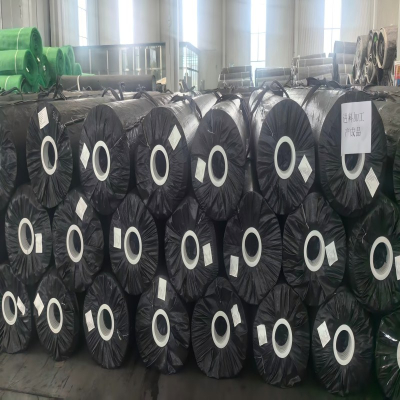
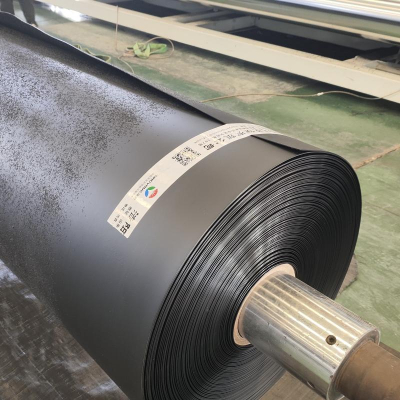
Rolls wind onto heavy-duty cores with protective outer wrapping. Labels identify product specifications, lot numbers, and installation orientation. Store on level ground, elevated to prevent water contact. Cover if extended storage precedes installation.
Quality Certifications
1.ISO 9001:2015 Quality Management
2.ISO 14001:2015 Environmental Management
3.GRI GM13 and GM17 Compliance
4.Third-party testing by SGS, BV, or equivalent
5.Country-specific certifications for major markets
Why Engineers Specify This Product
Predictable Performance
Granular drainage depends on aggregate quality, placement thickness, and freedom from contamination. The Triangle Drainage Net Geocomposite delivers tested, verified performance roll after roll. What the engineer specifies is what the contractor installs and what performs underground.
Space Savings
Twelve inches of gravel versus half an inch of geocomposite. In landfills, saved space means more waste revenue. In buildings, it means less excavation and more usable area. The math works every time.
Installation Speed
Crews unroll the material, overlap edges, and backfill immediately. No waiting for compaction testing or thickness verification. Projects finish faster with less labor and equipment.
Long-Term Reliability
Fines never reach the drainage core because the geotextile filters them out. Chemical exposure doesn't degrade the HDPE. The system installed today works decades from now.
Frequently Asked Questions
Q: How does the Triangle Drainage Net Geocomposite compare to gravel?
A: Gravel requires twelve to eighteen inches thickness, careful placement, and protection from contamination. Even then, fines eventually clog it. The geocomposite provides better drainage in half an inch, with filtration that prevents clogging permanently.
Q: What loads can it handle?
A: Standard grades handle two hundred to three hundred kilopascals. Heavy grades handle five hundred kilopascals or more. Laboratory testing provides specific numbers for each product under increasing confinement.
Q: Can it be used with geomembranes?
A: Yes. When placed against Dam liners or landfill geomembranes, it collects leakage and groundwater, preventing pressure buildup that could stress or puncture the barrier. The geotextile protects the liner from puncture by overlying materials.
Q: How is damage repaired?
A: Localized damage gets patched with material extending three hundred millimeters beyond the damaged area. The patch should match original thickness and maintain continuous drainage paths. Major damage warrants section replacement.
Q: What is the service life?
A: HDPE geosynthetics exceed fifty years in actual installations, with laboratory projections suggesting hundreds of years under normal conditions. The Nonwoven Geotextile shares similar durability when manufactured for soil contact.
Ordering Information
When requesting quotes or placing orders, specify:
1.Product grade (standard or heavy)
2.Core thickness required
3.Geotextile mass per square meter
4.Roll width and length preferences
5.Quantity needed
6.Delivery location and timeline
Most manufacturers maintain inventory of standard grades and can ship within two to four weeks. Custom specifications require additional lead time.
Contact and Support
Technical support engineers assist with product selection, specification development, and installation questions. Field representatives can visit jobsites for complex applications involving Dam liners, steep slopes, or unusual soil conditions. Manufacturing facilities welcome project-specific inquiries and provide samples for testing and evaluation.